Guide
How to Find a Good Plant Nursery Near You (10 Things to Check)
Looking for a plant nursery near you? Here's how to spot a great local nursery, the 10 things to check before buying any plant, and the red flags that mean walk away.
On this page
- Quick answer
- How to actually find one near you
- Independent nursery vs big-box garden center
- 10 things to check before buying any plant
- Red flags that mean walk away
- How to bring a new plant home safely
- Best months to shop
- When ordering online beats local
- Common mistakes to avoid
- Watch: nursery shopping walkthrough
- Related reading
- A note on conditions
Watch the visual walkthrough
Start your nursery with these three plants! 🌱🌱 Backyard Growing// Starting a beginner nursery
A short visual walkthrough that pairs with the steps above.
A great local plant nursery is the difference between thriving plants and silent regret. Buy from a good one and your monstera comes home pest-free, correctly labeled, and ready to grow. Buy from a bad one and you’ll spend three months fighting spider mites on a plant that turned out to be the wrong species.
This guide is the in-person checklist: how to find local nurseries near you, how to compare them against big-box garden centers, the 10 things to check before buying any plant, and the red flags that mean walk away.
Quick answer
Search Google Maps for “plant nursery” plus your city, filter to 4.5+ stars with 100+ reviews, and prefer independent garden centers over big-box stores. Visit in person before buying — scan for pests, check soil moisture and root health, look for clear botanical labels, ask staff a hard question, and confirm a 30-day guarantee. If two of those fail, skip the plant.
How to actually find one near you
The “plant nursery near me” search on Google Maps is the right starting point, but five minutes of extra digging usually surfaces a much better local option than the first paid result.
- Google Maps. Search “plant nursery”, “indoor plant shop”, or “garden center” plus your city. Sort by rating. Skip anything under 4.5 stars or with fewer than 100 reviews — review volume matters more than the average.
- Local subreddits. r/houseplants, r/gardening, and your city’s subreddit (e.g. r/london, r/austin) are full of people who’ve already done this work. Search “best nursery” within the sub.
- Facebook plant groups. “[Your city] plant swap” or “[Your city] houseplant collectors” groups are where serious growers post weekly. Ask once and you’ll get five recommendations with details.
- Yelp. Less useful in some regions, but the photo filter is great — sort by photos to see what plants actually look like in person.
- Nextdoor. A surprisingly strong source for backyard nurseries and hobbyist growers selling rare cuttings near you.
- University extension lists. Many state and county extension offices publish lists of licensed nurseries — these are vetted for plant health and labeling accuracy.
Independent nursery vs big-box garden center
Both have a place. Here’s the trade-off honestly:
| Criterion | Independent nursery | Big-box garden center (Home Depot / Lowe’s) |
|---|---|---|
| Plant variety | A+ | B |
| Plant health | A | C |
| Pricing | B+ | A |
| Staff knowledge | A+ | D |
| Hard-to-find species | A+ | F |
| Guarantee | A | B+ |
If you’re buying a $7 pothos for the office, big-box is fine. If you’re buying anything you actually care about — a fiddle-leaf fig, a variegated monstera, a 1.5-meter olive tree — the independent nursery is worth the trip.
10 things to check before buying any plant
Bring this list with you. Two minutes per plant.
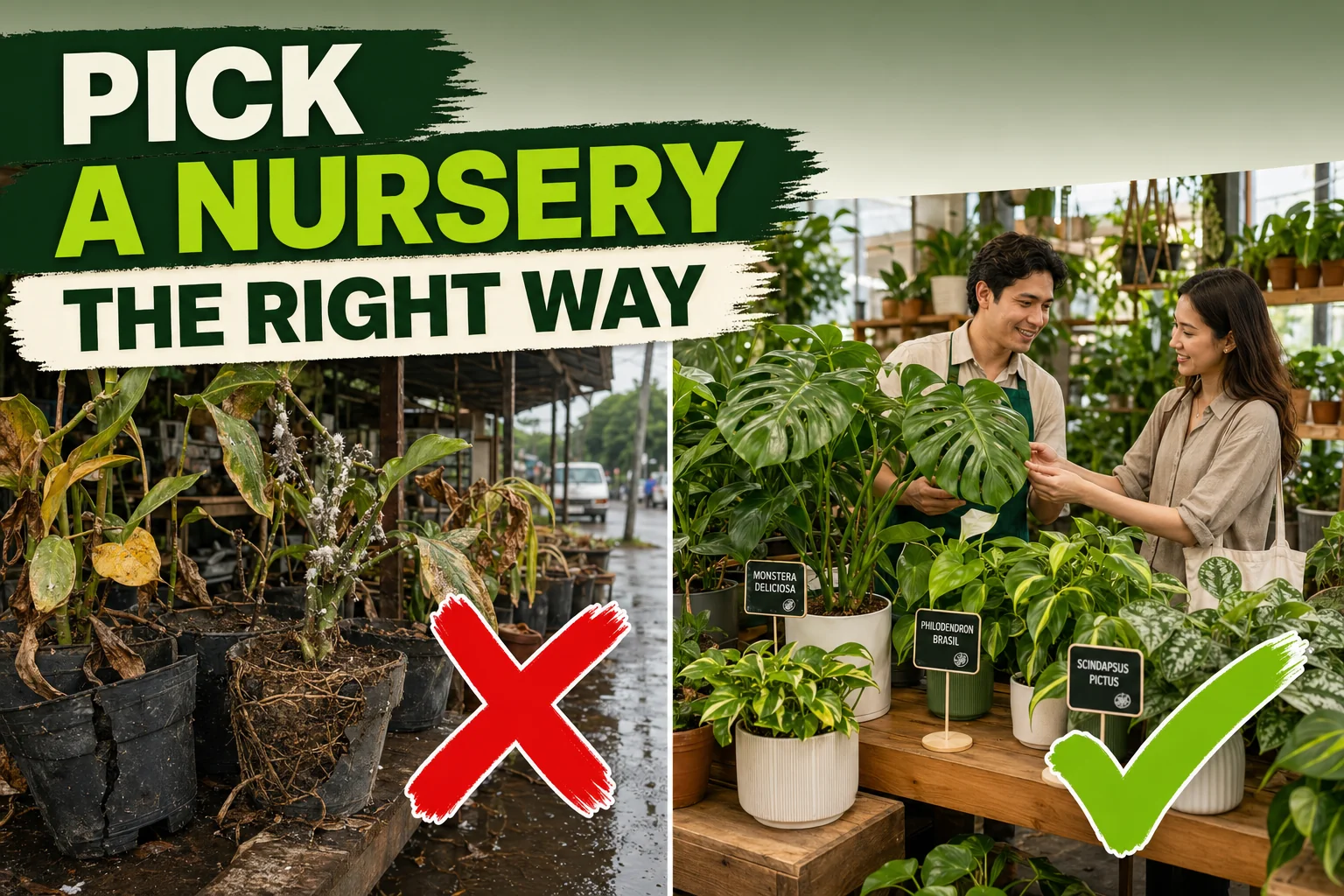
1. Flip the leaves and check the underside for pests
The underside of the leaves is where mealybugs, spider mites, scale, and thrips hide. Look for:
- White cottony fluff (mealybugs)
- Tiny moving dots or fine webbing (spider mites)
- Brown immobile bumps (scale)
- Silvery streaks or tiny black flecks (thrips)
If you see any of these on the plant — or on its neighbors on the same shelf — leave it.
2. Check soil moisture with your finger
Push a finger 2 cm (0.75 in) into the soil. It should feel lightly damp, not bone dry and not waterlogged. Bone-dry soil means the staff isn’t watering on schedule. Waterlogged soil means the plant is sitting in stagnant water and the roots are likely starting to rot.
3. Look at the roots through the drainage hole
Tip the pot and peek through the drainage hole. White or light tan roots = healthy. Dark brown or black mushy roots = root rot. A solid mass of roots circling the pot = severely rootbound. Skip both.
4. Pick the pot up — does the weight feel right?
A healthy plant in moist soil feels heavier than it looks. A pot that feels suspiciously light is either bone dry, hollow with rotted roots, or has been sitting on a shelf with no real soil contact. Trust your hands.
5. Press the stems gently
Stems should feel firm, with a slight give like a fresh celery stalk. Mushy, soft, or hollow stems mean the plant is rotting from the inside out. No amount of repotting will fix this.
6. Look for a clear botanical species label
The label should list the botanical name (e.g. Monstera deliciosa), not just “tropical plant” or “houseplant assorted.” Generic labels mean the nursery doesn’t know what it’s selling — which means you can’t look up correct care, light, or hardiness for the plant.
7. Verify the plant matches its species photo on Tazart
Open the free Tazart plant identifier, scan the plant, and compare the result to what’s on the label. This catches two problems at once: mislabeled stock (extremely common at big-box stores) and lookalike species sold at a premium price. If the label says Philodendron Pink Princess but Tazart returns Philodendron erubescens ‘Pink Congo’, walk away — they’re different plants and the cheaper one is often artificially dyed.
8. Ask staff a “stress test” question
Ask something specific: “What’s the watering schedule on this monstera?” or “Will this thrive in a north-facing window?” Good staff give you a real answer with a hedge (“every 7–10 days, less in winter”). Bad staff say “yeah, weekly” and walk away. Knowledgeable staff is the single best signal that the rest of the nursery is well-run.
9. Confirm the guarantee policy
Most independent nurseries offer a 30-day or 1-year guarantee on perennials and trees. Houseplant guarantees are rarer but some shops offer 30 days. Get it in writing on the receipt — verbal promises don’t survive returns.
10. Avoid plants stored in heat or freeze stress
A tropical plant that’s been sitting outside at 0 °C (32°F), or near a hot south-facing window in midsummer, has stress damage you can’t see yet. Check where the plant has been kept and ask the staff. If they don’t know, assume the worst.
Red flags that mean walk away
If you see two or more of these, leave without buying anything:
- Visible pests on multiple plants on the same shelf
- Mushy, soft, or blackened stems anywhere in the shop
- Faded, sun-bleached permanent labels (means the same plant has sat there for months)
- Tropical plants stored outside in 0 °C (32°F) weather, or wilted plants in baking sun
- No botanical names anywhere — only generic “houseplant” or “tropical” tags
- Staff who guess answers or change their answer between two questions
How to bring a new plant home safely
A great nursery doesn’t mean zero risk. Pests can come home with you on day 1.
- The 14-day quarantine rule. Keep new plants 1–2 meters away from your existing collection for 14 days. Inspect leaves every 2–3 days. This catches thrips and spider mites that hatched after the trip home.
- Treat preemptively. A neem oil or insecticidal soap spray on day 1 — top of leaves, underside, and stems — kills anything that came home as eggs. Repeat once at day 7.
- Don’t repot on day 1. Let the plant acclimate to your light and humidity for 2–3 weeks before repotting. Repotting on day 1 stacks shipping stress, environment shock, and root disturbance — it’s the #1 reason new plants die in the first month.
Best months to shop
- Early spring (Feb–May). Best for outdoor stock, trees, and the year’s freshest houseplant inventory. Independent nurseries restock heavily after winter.
- Autumn (Sep–Oct). Best for hardy perennials — the roots establish through autumn rains and winter dormancy, so the plant explodes in spring.
- Year-round. Houseplants are fine to buy any month, but variety drops in late summer and just before holidays.
When ordering online beats local
Local wins for 90% of houseplant shopping. But online wins when:
- You want a rare species or specific cultivar the local nurseries don’t stock (a variegated Monstera albo or a specific Hoya cultivar)
- You’re shopping for outdoor plants and need something rated for your USDA hardiness zone that local stock isn’t
- You want a guaranteed mother-plant cutting from a known seller (mature variegations, true-to-type philodendrons)
Online plants ship dormant or stressed, so always quarantine and treat for pests on arrival.
Common mistakes to avoid
- Buying on impulse without identifying the plant. A pretty leaf is not enough — check the species before paying.
- Skipping the pest inspection. It takes 90 seconds. Every infestation in your home started here.
- No quarantine period. A single thrips outbreak can spread to ten plants in a week.
- Repotting on day 1. Triple-stress kills new plants. Wait 2–3 weeks.
- Ignoring local hardiness zone. A “full sun outdoor” plant from a nursery 800 km south of you may not survive your winters. Check the zone on the label or ask staff.
- Trusting labels at big-box stores. Mislabeling is common. Verify with Tazart before you commit to a $40 plant.
Watch: nursery shopping walkthrough
A short visual walkthrough is worth ten paragraphs of advice. Search YouTube for “plant nursery shopping tips” and watch a video that takes you through a real nursery aisle by aisle, then come back to this list before your next visit.
Related reading
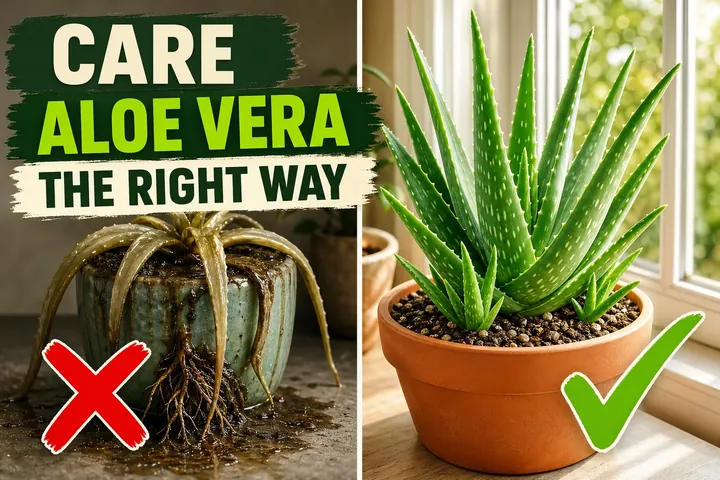
- How to care for an aloe vera plant — a great first plant from any local nursery, and one of the easiest to inspect for health.
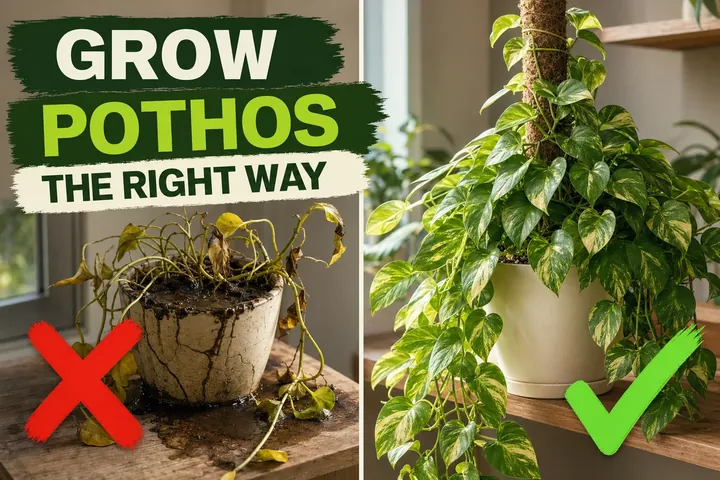
- Pothos plant care — the most common nursery plant, and the easiest to spot a healthy one.
- How to water a Monstera the right way — once you’ve brought one home, here’s how to keep it thriving.
- Scan any plant on the nursery shelf with the free Tazart plant identifier and verify the label before you buy — Tazart identifies any plant from a photo, so you always know what’s actually on the table.
A note on conditions
Every region is different. The best nursery in Phoenix won’t carry the same stock as the best nursery in Glasgow. Hardiness zones, climate, local pests, and what’s in season all change what a “good” nursery looks like for you. Use the checklist above as the constant — pest checks, root checks, labeling, staff knowledge, guarantee — and let your local conditions determine the rest.
Highly recommended
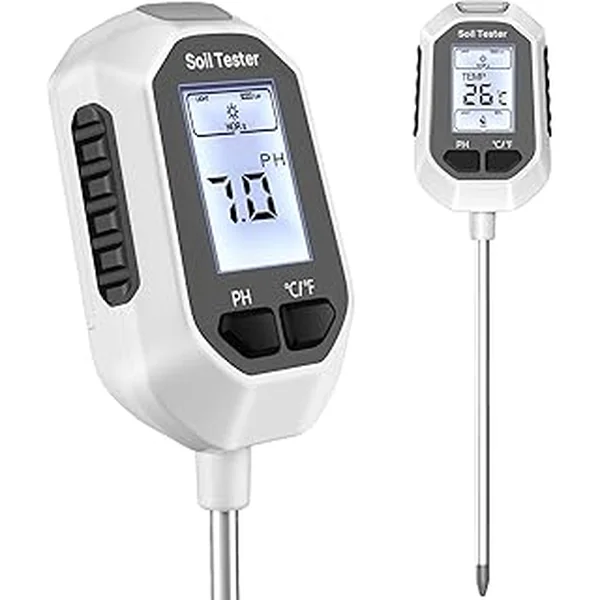
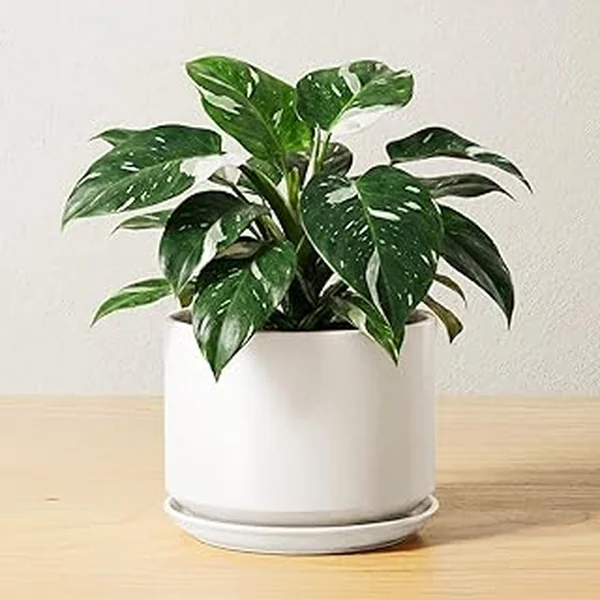
The supplies that make this guide work
Tazart is an Amazon Associate — we earn from qualifying purchases at no extra cost to you. Thank you for helping us keep these guides free.
Frequently asked questions
How do I find a good plant nursery near me?
Search Google Maps for 'plant nursery' plus your city, then filter to 4.5+ stars and 100+ reviews. Cross-check on local subreddits and Facebook plant groups — long-time growers in your city always know which independent nursery has the healthiest stock. Visit in person before buying anything pricey: photos online don't show pests, soil health, or how staff treat questions.
What's the difference between a nursery and a garden center?
A nursery typically grows plants on-site or sources from a small number of growers, often specializing in a category (tropicals, natives, succulents). A garden center is more of a retailer that buys finished plants from big wholesalers and resells alongside soil, pots, and tools. Independent nurseries usually beat garden centers on plant health, variety, and staff expertise.
Are independent nurseries better than Home Depot or Lowe's?
For plant health, variety, and advice — yes, almost always. Big-box stores rotate stock weekly and often store plants in poor light, dry soil, or freezing parking lots. They win on price and convenience for the most common species (pothos, snake plant, basic succulents). For anything beyond beginner houseplants, an independent nursery is worth the extra few dollars.
How can I tell if a nursery sells healthy plants?
Pick up three random plants and look at the underside of the leaves, the soil moisture, and the roots through the drainage hole. If you see no pests, even soil moisture, and white roots that aren't circling the pot, the nursery is taking care of stock. Visible mealybugs, bone-dry or sopping-wet soil, and tightly rootbound pots are signs the staff isn't watering or rotating inventory.
Should I quarantine new plants from a nursery?
Yes — even from a great nursery. Keep new plants 1–2 meters away from your existing collection for 14 days and inspect the leaves every few days. Pests like thrips and spider mites lay eggs that hatch after a week, so a plant that looks clean on day 1 can show an infestation on day 8. Quarantine is the cheapest insurance you can get.
When is the best time of year to shop at a plant nursery?
For outdoor stock and trees, early spring has the freshest selection and best prices. For hardy perennials, autumn lets the roots establish before winter. Houseplants are fine year-round, but stock is biggest from late February through May.