Houseplants
How to Fertilize a Fiddle Leaf Fig (Without Burning Roots)
How to fertilize a fiddle leaf fig safely — NPK ratios, dilution math, seasonal schedule, signs of over-fertilizing, and the soil flush that saves your Ficus lyrata.
On this page
- Quick answer
- Table of contents
- Why fertilizing matters for Ficus lyrata
- The right NPK ratio
- Liquid vs slow-release fertilizer
- Seasonal feeding schedule
- Dilution math — half strength done right
- Step-by-step application
- Signs you’re over-fertilizing
- How to flush the soil
- Common fertilizing mistakes
- Troubleshooting
- Related reading
- A note on conditions
Watch the visual walkthrough
Fiddle Leaf Fig Care Guide! 🌿 // Garden Answer
A short visual walkthrough that pairs with the steps above.
The fiddle leaf fig — botanically Ficus lyrata — is the violin-leaved indoor tree everyone wants and many people kill. Light, watering, and humidity get most of the attention, but fertilizing is where a healthy plant most often gets pushed over the edge into brown crispy leaves and stalled growth. Too little, and the leaves go pale and the plant slows to a crawl. Too much, and the salts in the soil literally burn the root tips within a week.
This guide walks through exactly how to fertilize a fiddle leaf fig safely — the right NPK ratio, the half-strength dilution math, the seasonal schedule, the warning signs of over-fertilizing, and the soil flush that rescues an over-fed plant. Every measurement is given in metric and US units so you can mix correctly whichever bottle you bought.
Quick answer
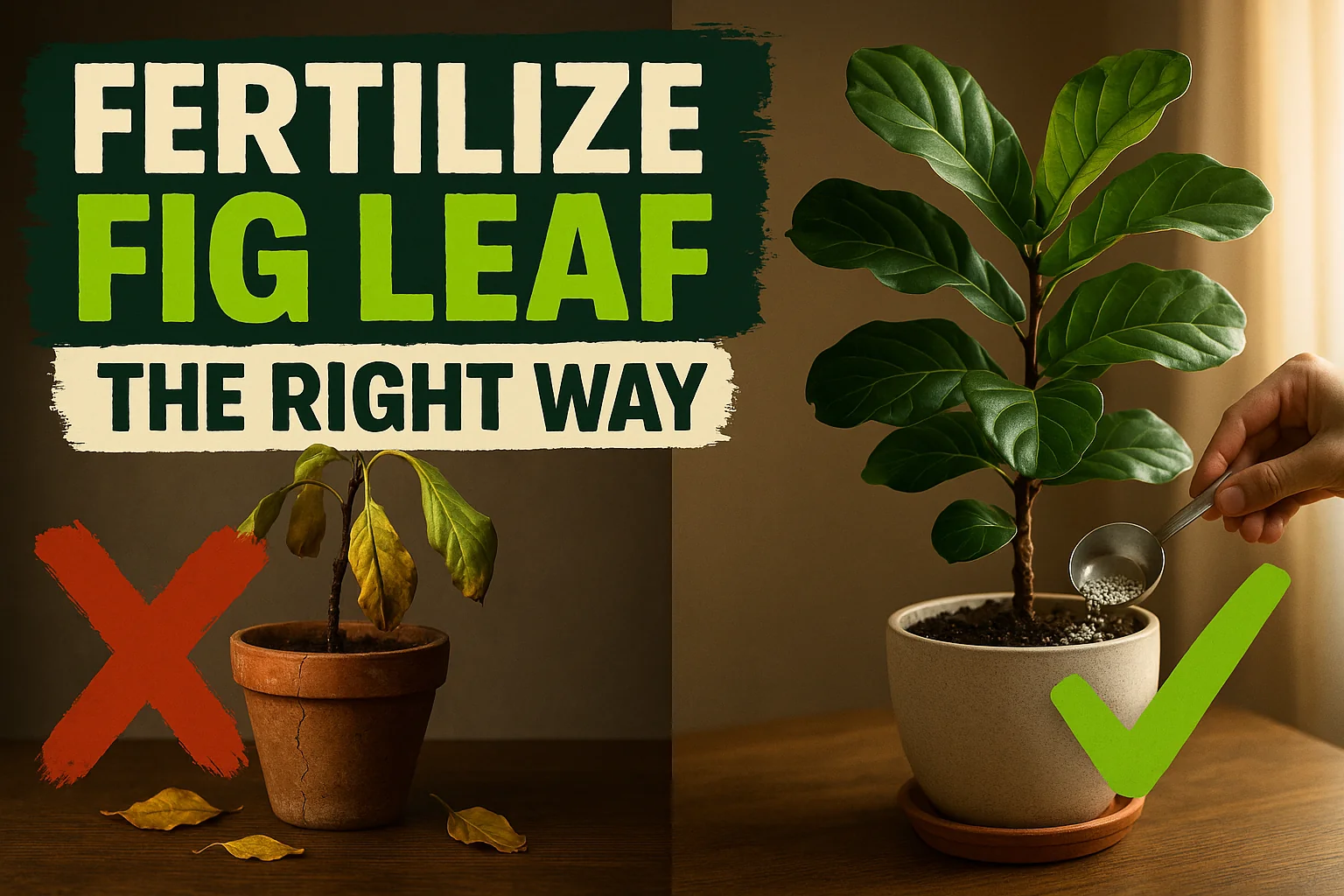
Feed a fiddle leaf fig once every 4 weeks in spring and summer with a balanced 3-1-2 (e.g. 9-3-6) or 10-10-10 liquid houseplant fertilizer diluted to half the label strength. Skip fertilizer entirely in autumn and winter. Always water the plant 24 hours before feeding, never feed dry soil, and flush the pot with plain water every 3–4 months. Newly repotted plants should wait 6–8 weeks before their first feed.
Table of contents
- Why fertilizing matters for Ficus lyrata
- The right NPK ratio
- Liquid vs slow-release fertilizer
- Seasonal feeding schedule
- Dilution math — half strength done right
- Step-by-step application
- Signs you’re over-fertilizing
- How to flush the soil
- Common fertilizing mistakes
- Troubleshooting table
- FAQs
- Related reading
- A note on conditions
Why fertilizing matters for Ficus lyrata
A fiddle leaf fig in its native West African rainforest pulls nutrients from a constantly refreshing layer of leaf litter on top of fast-draining soil. In a pot indoors, the plant is stuck with whatever you put in the bag of mix when you potted it — and most peat-free indoor potting mixes run out of usable nitrogen, phosphorus, and potassium within 2–3 months.
Without supplemental feeding, leaves get pale and small, new growth points stop pushing, and the lower leaves drop one by one. With too much feeding, fertilizer salts build up around the roots, water can no longer move into the root tips, and the plant essentially dies of thirst sitting in a wet pot. The cure is precision, not generosity.
The right NPK ratio
NPK stands for Nitrogen (N), Phosphorus (P), Potassium (K) — the three macronutrients on every fertilizer label. Fiddle leaf figs respond best to one of two ratios:
- Balanced 10-10-10 (or 20-20-20 diluted further) — equal nitrogen, phosphorus, potassium. Safe, all-purpose, easy to find.
- 3-1-2 ratio — for example 9-3-6 or 6-2-4. The slightly higher nitrogen feeds the big glossy leaves Ficus lyrata is famous for. Many “fiddle leaf fig fertilizer” bottles are formulated to this ratio.
What N, P, K do for the plant:
| Nutrient | What it builds |
|---|---|
| Nitrogen (N) | Big green leaves, fast canopy growth |
| Phosphorus (P) | Strong roots and new shoot points |
| Potassium (K) | Overall vigour, drought and stress tolerance |
A good fertilizer also includes chelated micronutrients — iron, magnesium, manganese, zinc — in trace amounts. Cheap fertilizers skip these, which is why a low-cost feed sometimes leaves new leaves yellow even at the right NPK numbers.
Avoid bone meal, blood meal, and high-phosphorus “bloom boosters” — they’re for flowering plants and root crops, not glossy-leaved tropical trees.
Liquid vs slow-release fertilizer
Both work for fiddle leaf figs. Liquid is more controllable for indoor plants.
Liquid fertilizer (recommended):
- Mixed into water and poured at the base
- Easy to dilute to half strength
- Easy to skip a month if the plant is stressed
- Easy to flush out if you over-feed
Slow-release granules / pellets:
- Sprinkled onto the soil surface; release nutrients over 3–6 months
- Convenient, but you cannot pull them back if the plant reacts badly
- Use the dose for the next pot size down to stay safely under-strength
- Avoid in autumn and winter — granules keep releasing nutrients even when the plant has stopped growing
For a houseplant you check on weekly, liquid is the safer choice. Slow-release granules are better for outdoor-summered fiddle leaf figs where you visit the plant less often.
Seasonal feeding schedule
Match feeding to the plant’s actual growth, not the calendar. A fiddle leaf fig grows when:
- Daylight is longer than ~10 hours
- Temperatures sit between 18–24°C (65–75°F)
- New unfurled leaves appear at the top of the stem every 4–8 weeks
Standard year:
| Season | Feed? | Frequency | Notes |
|---|---|---|---|
| Early spring (Mar–Apr) | Yes | Every 4 weeks | Wait until you see one new leaf push before the first feed |
| Late spring & summer (May–Aug) | Yes | Every 4 weeks | Half-strength balanced liquid |
| Early autumn (Sep) | Yes (taper) | Once, then stop | Final feed of the year |
| Late autumn & winter (Oct–Feb) | No | — | Soil already holds enough; growth has paused |
When to skip a feeding even in season:
- The plant just dropped 2+ leaves in a week (it’s stressed)
- It was repotted within the last 6–8 weeks
- The soil is bone dry — water first, wait 24 hours, then feed
- Indoor temperature has dropped below 15°C (59°F) for several days
- The plant has visible pests (spider mites, scale) — fix the pest first
Dilution math — half strength done right
Most commercial liquid houseplant fertilizers list a “full strength” dose on the bottle. For a fiddle leaf fig, always cut that in half.
Common label dose: 5 ml of concentrate per 1 L of water (≈ 1 tsp per quart).
Half-strength fiddle leaf fig dose:
- 2.5 ml per 1 L water (≈ ½ tsp per 1 L / 1 quart)
- For a US gallon: 9 ml per 3.8 L (about 1¾ tsp per 1 gal) of water
Mixing tips:
- Use room-temperature water — cold water shocks tropical roots
- Distilled, rainwater, or filtered tap water is gentler on Ficus lyrata than hard tap water
- Mix in the watering can, not in the pot
- Stir or swirl for 10 seconds before pouring
If your bottle uses different concentrations (1 ml/L, 10 ml/L, etc.), just halve whatever the label says. The “half strength” rule is the safety margin — fiddle leaf figs are sensitive enough that the full label dose causes burn in many home setups.
Step-by-step application
- Check the soil moisture. It should feel damp 5 cm (2 in) below the surface, not dry, not soggy. A soil moisture meter or a finger test both work.
- If the soil is dry, water the plant with plain water first and wait 24 hours before feeding. Feeding dry soil burns the roots instantly.
- Mix the fertilizer in a watering can at half strength — 2.5 ml per 1 L (≈ ½ tsp per quart). For a typical 25 cm (10 in) pot, mix about 1 L (1 quart) of solution.
- Pour the solution slowly at the base of the plant, all the way around the pot, until water just begins to drip from the drainage holes.
- Empty the saucer 10–15 minutes later. Never let a fiddle leaf fig sit in fertilizer runoff.
- Note the date. A free plant care app like Tazart makes this easy — log the feed and the next reminder fires automatically four weeks out.
Signs you’re over-fertilizing
Catch these early and the plant recovers in 4–8 weeks. Ignore them and root damage compounds with every feeding.
- Brown crispy leaf edges and tips that creep inward over weeks — the classic salt-burn signature
- White or yellow crust on the soil surface or around the drainage holes — visible salt deposits
- New leaves emerge small, deformed, or with brown spots
- Lower leaves yellow and drop even though watering looks correct
- A faint chemical or sour smell from the soil
- Roots visible at the surface look brown, dry, or shriveled — healthy fiddle leaf fig roots are pale tan and firm
If you see any two of these, stop feeding and skip ahead to the flush.
How to flush the soil
Flushing washes accumulated salts out of the potting mix. Do this:
- Routinely: every 3–4 months during the feeding season
- Reactively: the moment you see salt burn signs
Steps:
- Move the plant to a sink, bathtub, or outdoors over a saucer.
- Pour room-temperature water slowly through the top of the soil. Aim for a steady stream, not a flood.
- Continue until water runs freely from the drainage holes for at least 30 seconds.
- Wait 5 minutes. Pour again until water runs clear.
- Total water volume should be roughly 3–4× the pot volume — for a 25 cm (10 in) pot that’s about 6–8 L (1.5–2 gal).
- Let the plant drain in the sink for 30–60 minutes before returning it to its saucer.
- Skip the next two scheduled feedings to give the roots time to recover.
After a flush, the soil will be very wet for several days — that is normal. Hold off on the next watering until the top 5 cm (2 in) are dry again.
Common fertilizing mistakes
-
Feeding at full label strength. Most fertilizer labels are calibrated for outdoor potted plants in summer sun, not indoor tropicals in dim winter rooms. Always halve it.
-
Feeding in autumn and winter. Growth pauses. Salts build up. Brown edges appear by January.
-
Feeding a newly repotted plant. Fresh mix already contains starter nutrients, and bruised root tips burn fast. Wait 6–8 weeks.
-
Feeding dry soil. Concentrated fertilizer touching dry roots scorches them within hours. Water with plain water 24 hours before any feed.
-
Skipping the flush. Even at half strength, salts build up over months. A flush every 3–4 months is non-negotiable.
-
Switching fertilizers every month. A fiddle leaf fig responds best to one consistent feed at one consistent strength. Pick a balanced bottle, use it all season.
Troubleshooting
| Symptom | Likely cause | Fix |
|---|---|---|
| Brown crispy leaf edges that creep inward | Fertilizer salt buildup | Flush the soil; skip next 2 feedings; halve future doses |
| White crust on soil surface | Salt deposits from feeding | Scrape off the top 1 cm (½ in) of soil; flush; replace with fresh mix |
| New leaves small, pale, or deformed | Under-fertilizing or micronutrient deficiency | Resume monthly feeds at half strength; switch to a feed with chelated iron and magnesium |
| Lower leaves yellowing and dropping | Over-fertilizing or overwatering | Flush soil; let top 5 cm (2 in) dry; check drainage |
| Brown spots in the centre of leaves | Foliar burn from fertilizer splashed on leaves | Wipe leaves with damp microfiber cloth; pour at the base only next time |
| No new growth in spring at 20°C+ (68°F+) | Nutrient depletion in old soil | Begin half-strength feeds every 4 weeks; consider repotting if mix is over 2 years old |
Related reading
- Fiddle leaf fig care: complete Ficus lyrata guide — light, watering, humidity, and the wider care plan that fertilizing slots into.
- Pothos plant care — a forgiving counterpart that follows the same “half strength, growing season only” feeding rule.
- How often to water a jade plant — useful contrast for a low-feeder succulent so you can see how feeding rules change between plant types.
Track your fiddle leaf fig’s feeding and watering automatically with the free Tazart plant care app. It logs the last feed date, fires a reminder four weeks later, and Dr. Afrao — the in-app AI plant assistant — can diagnose brown leaf edges, fertilizer burn, and salt buildup from a photo.
A note on conditions
Every home is different. The numbers in this guide — half strength every 4 weeks, 18–24°C (65–75°F), flush every 3–4 months — are solid starting points, but your specific light levels, pot size, soil mix, season, water hardness, and local climate all change how a fiddle leaf fig responds to feeding. Watch the plant for the first month after each fertilizer change. New leaf size, leaf colour, and the look of the soil surface will tell you what to adjust. That feedback loop — observe, adjust, observe again — is how every confident fiddle leaf fig owner is made.
Highly recommended
The supplies that make this guide work
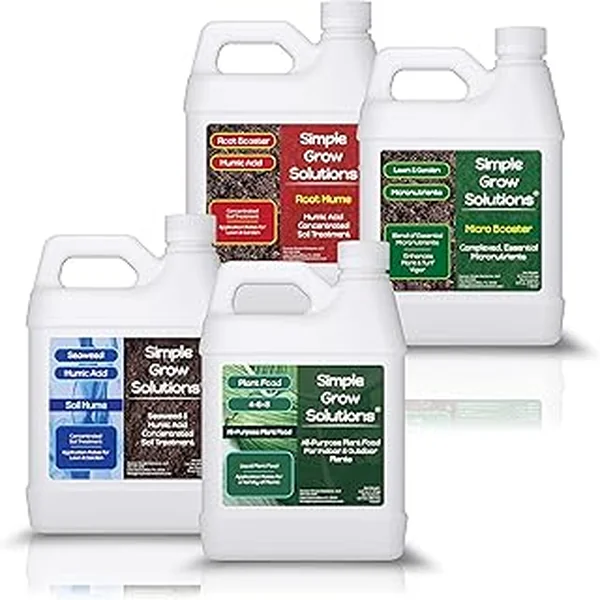
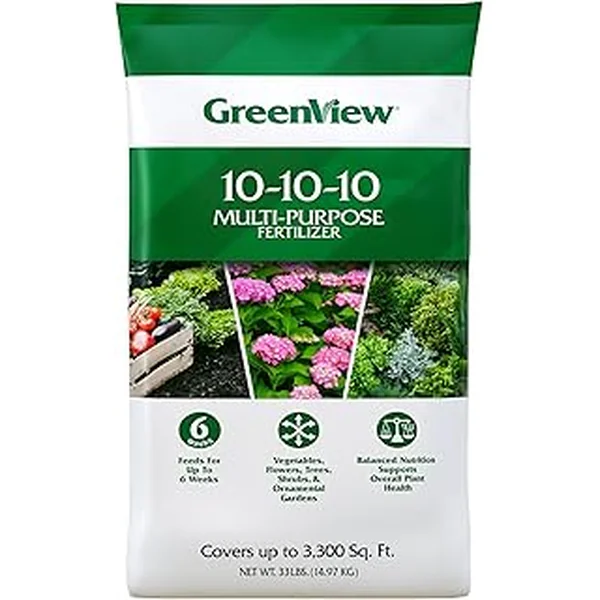
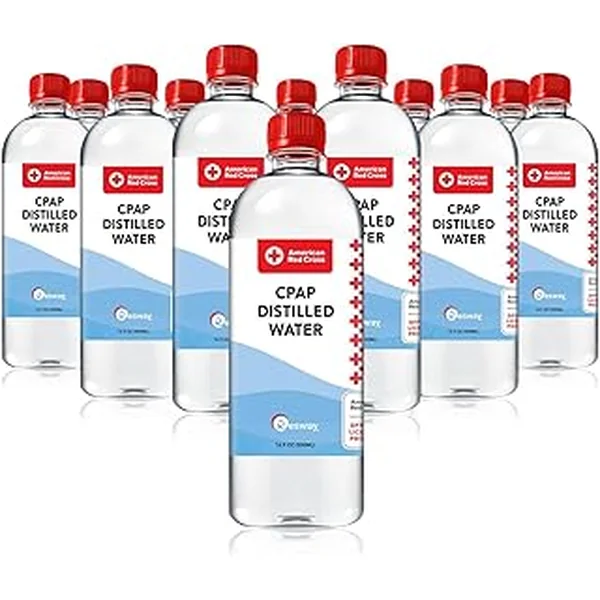
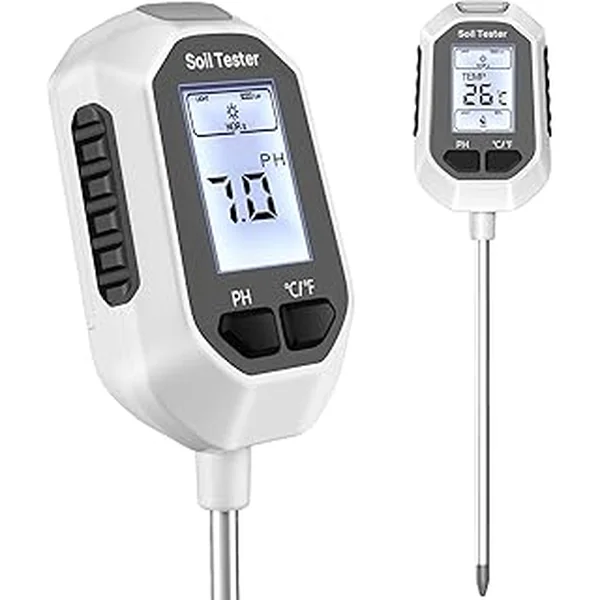
Tazart is an Amazon Associate — we earn from qualifying purchases at no extra cost to you. Thank you for helping us keep these guides free.
Frequently asked questions
How often should I fertilize my fiddle leaf fig?
Fertilize a fiddle leaf fig once every 4 weeks during the active growing season (spring and summer) with a balanced liquid houseplant fertilizer diluted to half strength. Skip feeding entirely in autumn and winter when growth slows. Newly repotted plants should not be fertilized for 6–8 weeks because fresh potting mix already contains starter nutrients.
What NPK ratio is best for a fiddle leaf fig?
A balanced 3-1-2 or 10-10-10 NPK ratio works best for Ficus lyrata. The slightly higher nitrogen in a 3-1-2 (for example 9-3-6) supports the big glossy leaves the plant is famous for, while a balanced 10-10-10 keeps roots, leaves, and overall vigour in check. Always dilute to half the label strength to avoid root burn.
Can you fertilize a fiddle leaf fig in winter?
No — skip fertilizer in autumn and winter. A fiddle leaf fig's growth slows when daylight drops below 10 hours and temperatures sit under 18°C (65°F). Fertilizing a dormant plant builds salts in the soil that the roots cannot absorb, which causes brown leaf edges and root burn within a few weeks. Resume feeding in early spring when new growth appears.
Why are the edges of my fiddle leaf fig leaves turning brown?
Brown crispy leaf edges on a fiddle leaf fig are most often caused by fertilizer salt buildup in the soil, low humidity under 30%, or letting the plant dry out too long between waterings. If the brown edges follow a recent feeding, flush the soil with plain water and skip the next two scheduled feedings. If humidity is the cause, raise it to 40–60% with a humidifier.
How do I flush fertilizer salts out of fiddle leaf fig soil?
Take the plant to a sink or tub. Pour room-temperature water slowly through the top of the soil until water runs freely from the drainage holes for at least 30 seconds. Wait 5 minutes, then repeat once. The volume of water should be roughly 3–4 times the pot volume — for a 25 cm (10 in) pot that's about 6–8 L (1.5–2 gal). Let it drain fully before returning the plant to its saucer.
Should I fertilize a newly repotted fiddle leaf fig?
No. Wait 6–8 weeks after repotting before adding any fertilizer. Fresh peat-free potting mix already contains a starter charge of nutrients, and the roots are too disturbed to absorb extra feed safely in the first weeks. Feeding too early causes salt burn on the freshly cut root tips and slows recovery.