Houseplants
How to Care for an Aloe Vera Plant (Complete Beginner's Guide)
Aloe vera is a desert succulent, not a typical houseplant. Here's exactly how to keep it thriving — bright sun, deep-then-dry watering, cactus mix, and zero overwatering.
On this page
Watch the visual walkthrough
7 Aloe Vera Plant Care Tips That You Need to Know - Houseplant Care
A short visual walkthrough that pairs with the steps above.
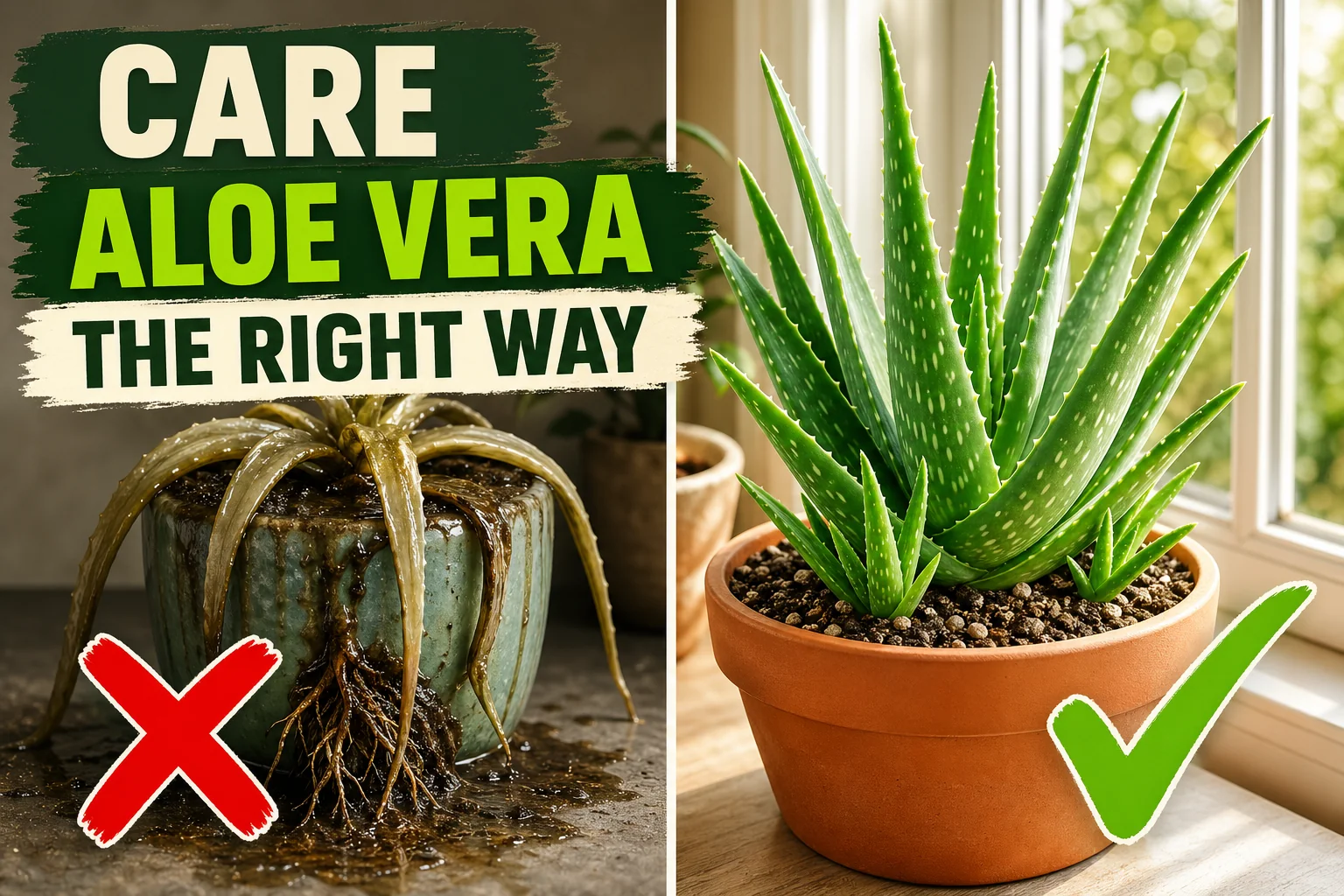
If you’ve killed an aloe vera before, it almost certainly wasn’t from neglect. Most aloe deaths are from overwatering — kind, frequent watering of a plant that evolved to survive in rocky desert soil with months between rains. Aloe doesn’t need rescuing. It needs to be left alone in bright sun and watered deeply, then left alone again.
Get two things right — strong direct light and a long dry-out cycle between waterings — and Aloe vera barbadensis is one of the easiest, longest-lived plants you can keep at home. This guide walks through everything: light, water, soil, pot, temperature, fertilizer, common mistakes, and how to tell when your aloe is genuinely thriving.
Quick answer
Bright direct sun for 4 to 6 hours a day. Water deeply only when the soil is bone dry — usually every 2 to 4 weeks. Plant in cactus mix in a terracotta pot with drainage. Keep between 18 and 27°C (81°F). Skip fertilizer for the first year.
What aloe vera actually needs
Aloe vera (Aloe barbadensis) is a desert succulent, not a houseplant in the typical sense. In its native range, it grows in rocky, mineral-rich soil that drains in seconds, gets pounded by direct sun, and goes weeks or months between proper rainfalls.
Translating that into your living room means three things:
- Light bright enough to feel hot on the back of your hand.
- Soil so well-drained that water flushes through the pot in a few seconds.
- A watering rhythm closer to a cactus than a fern — long deep drinks, far apart.
Almost every “aloe care” mistake traces back to treating it like a leafy houseplant instead of a succulent.
Light
Bright direct sun, every day if possible.
- Indoors: a south- or west-facing window, as close to the glass as you can get it. East-facing works in summer but is borderline in winter.
- Outdoors: full sun once nights stay reliably above 10°C (50°F). Acclimate over a week — move it to morning sun first, then full sun — to avoid sudden sunburn.
Aloe in low light gives you obvious signals: leaves stretch upward, get thinner and paler, and lean toward the brightest source. That’s etiolation. The plant is racing for light; move it to a sunnier spot before the leaves splay flat.
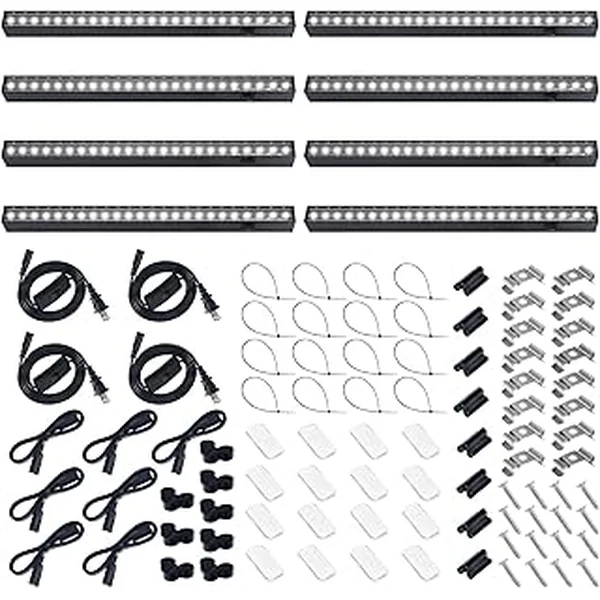
If you don’t have a bright window, a basic LED grow light running 10–12 hours per day fixes the problem. A free plant care app like Tazart can hold your aloe’s light and watering routine for you and notify you on Apple Watch when it’s time — useful once you have more than one or two succulents going.
Water
Water deeply, then let it dry out completely. That’s the entire rule.
- How much: soak the soil until water runs out the drainage holes.
- How often: when the soil is bone dry at least 5 cm (2 in) down. Indoors that’s typically every 2 to 4 weeks in spring and summer, and every 4 to 6 weeks in winter.
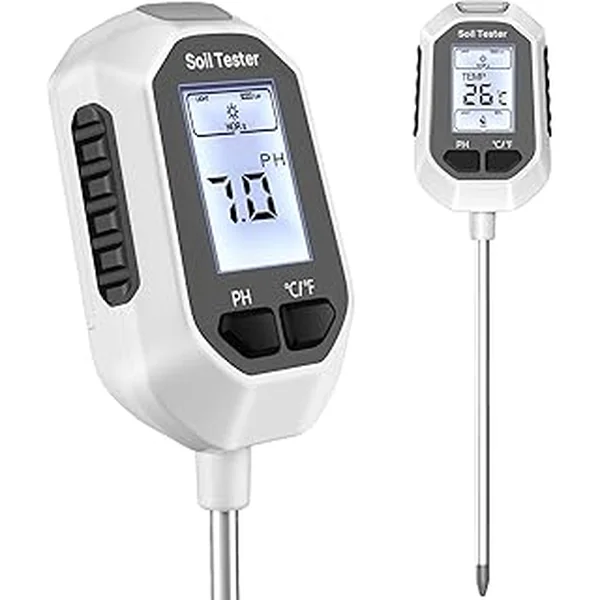
- How to test: push a finger 5 cm (2 in) into the soil. If it feels at all cool or damp, wait. A wooden chopstick or moisture meter works the same way.
Healthy aloe leaves are thick, plump, and firm. When the leaves go slightly thin and start to curl inward, the plant is asking for water. That’s the cue you want — not a calendar.
Two things to avoid:
- Misting. Aloe hates humidity around the crown and rots from it.
- Watering on a fixed weekly schedule. This kills more aloes than any other single mistake.
Soil and pot
Drainage is the whole game.
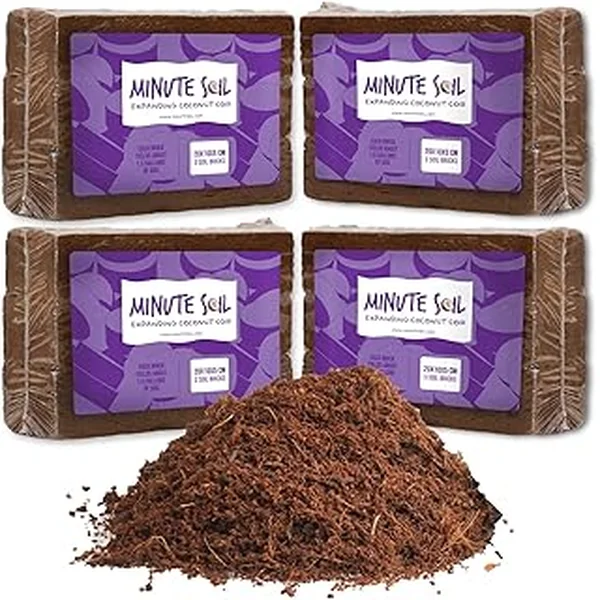
- Soil: bagged cactus or succulent mix is easiest. If you only have regular potting soil, mix it 50/50 with perlite or coarse sand.
- Pot: terracotta is ideal — its porous walls wick moisture out of the soil between waterings, which is exactly what aloe wants. Glazed ceramic and plastic both work, but you have to water more carefully.
- Drainage holes: non-negotiable. Aloe in a pot with no drainage rots within weeks no matter how careful you are.
- Pot size: keep it slightly snug. Aloe likes to fill its pot before stepping up. Repot one size larger only when roots circle the bottom or push the plant up out of the soil.
Temperature and humidity
- Temperature: 15–27°C (59–81°F) is the comfortable range. Aloe handles short-term swings well.
- Cold limit: aloe is not frost-hardy. Bring it indoors before temperatures drop below 10°C (50°F) at night.
- Humidity: dry indoor air is fine — preferred, even. Don’t run a humidifier near it. Bathrooms are the wrong room for aloe.
Fertilizer
For a brand-new or recently repotted aloe, skip fertilizer entirely for the first 12 months. Fresh soil already contains everything the plant needs, and aloe is genuinely sensitive to fertilizer burn.
For a mature plant in older soil:
- A half-strength balanced cactus or succulent fertilizer once in spring and once in early summer.
- Never fertilize a dry plant — water first, then apply the diluted feed the next watering.
- No fertilizer in autumn or winter. The plant is resting.
How to know your aloe is thriving
A happy aloe doesn’t look soft, lush, or shiny. It looks structured. Watch for:
- Firm, fat, upright leaves that snap rather than bend.
- Visible white flecks on the leaf surface (a Aloe barbadensis trait, not a problem).
- Pups — small new aloes pushing up at the base of the plant. Pups are the clearest single sign that everything (light, water, soil) is dialed in.
- A slight reddish or bronze blush on leaves in very strong sun. That’s “sun stress” — cosmetic and reversible, not damage.
Common mistakes to avoid
- Overwatering. The single most common killer. If in doubt, don’t water.
- Low light. Bright indirect light keeps aloe alive but never thriving — pale, stretched, no pups.
- Regular potting mix. Holds too much water and compacts. Always cut it with perlite or use cactus mix.
- No drainage holes. A decorative pot with no drainage drowns aloe roots within one or two waterings.
- Leaving it outside in frost. A single cold night below freezing turns leaves to mush.
- Overfertilizing. Aloe needs almost nothing. Half-strength, twice a year, only on mature plants.
Troubleshooting
| Symptom | Likely cause | Fix |
|---|---|---|
| Yellowing leaves | Overwatering, soggy soil | Stop watering, let soil dry fully, check roots for rot, repot in cactus mix if needed |
| Mushy soft base or stem | Root rot from prolonged wet soil | Unpot, cut off rotted roots and any soft base, dry the plant 2 days, replant in dry cactus mix |
| Brown crispy leaf tips | Sunburn from a sudden move to intense sun, or underwatering | Acclimate to direct sun gradually; if soil has been bone dry for weeks, water deeply once |
| Leggy, stretched, pale leaves | Not enough light (etiolation) | Move to a south or west window, or add a basic LED grow light for 10–12 hrs/day |
| No new growth, no pups | Low light, or pot is too big and soil stays wet | Move to brighter sun; downsize to a snug pot; ensure water fully dries between drinks |
| Leaves laying flat outward | Severe etiolation — has been in low light for months | Move to full sun gradually; new central growth will come back upright |
Watch: aloe vera care
A short visual walkthrough pairs well with the steps above. If you’re a visual learner, watch a quick tutorial on aloe vera care on YouTube and then come back to follow the watering and light timings in this guide — seeing what a healthy versus rotting root system actually looks like makes the dry-out rule much easier to commit to.
Related reading
- How often to water a jade plant — same dry-out logic, written for the other classic beginner succulent.
- How to propagate a jade plant — once your aloe starts pushing pups, you’ll want to read this for the same technique.
- Calandiva plant care — the supermarket flowering succulent that needs the same dry-out-between-waterings rhythm as aloe.
- How often to water an aloe vera plant — exact watering schedule by season, pot size, and light level, with the soak-and-dry method spelled out.
- How to water a Monstera the right way — useful contrast: most leafy houseplants want the opposite watering routine from aloe.
- Scan the next plant you bring home with the free Tazart plant identifier and let it set up the watering schedule for you.
A note on conditions
Every home is different. Window orientation, glass coatings, pot material, indoor temperature, and the time of year all change how fast your aloe dries out and how strong the light actually is. Use the numbers in this guide as a starting point — 4–6 hours of sun, every 2–4 weeks of watering, 15–27°C (59–81°F) — and adjust based on what your plant actually does in week two. A finger pushed into the soil tells you more than any schedule ever will.
Highly recommended
The supplies that make this guide work
Tazart is an Amazon Associate — we earn from qualifying purchases at no extra cost to you. Thank you for helping us keep these guides free.
Frequently asked questions
How often should you water an aloe vera plant?
Water deeply only when the soil is bone dry — usually every 2 to 4 weeks indoors, and even less in winter. Aloe stores water in its thick leaves and rots quickly when the soil stays moist. The simplest rule: stick a finger in 5 cm (2 in); if it's at all damp, wait.
What kind of light does aloe vera need?
Bright direct sun for at least 4 to 6 hours per day. A south- or west-facing window is ideal indoors. Outdoors, full sun is fine once temperatures are reliably above 10°C (50°F). In low light, the leaves stretch, lean, and turn pale — a classic sign called etiolation.
Why are my aloe vera leaves turning brown?
The two common causes are overwatering and sunburn. Mushy brown leaves at the base, often with a soft squishy stem, mean root rot from too much water — let the soil dry out completely and unpot to check for healthy roots. Crispy brown tips on a firm plant usually mean a recent jump from low light into intense direct sun; move it to full sun gradually over a week.
Do aloe vera plants need direct sunlight?
Yes. Aloe vera is a desert succulent and grows best with several hours of direct sun every day. Bright indirect light keeps it alive but produces weak, leggy, pale leaves and no pups. If you don't have a sunny window, a basic grow light fills the gap.
Should I mist my aloe vera?
No. Misting raises humidity around the leaves, which aloe doesn't want and which encourages rot in the crown. Aloe handles dry indoor air without any help.
What soil is best for aloe vera?
A bagged cactus or succulent mix, or a 50/50 blend of regular potting mix and perlite or coarse sand. The goal is fast drainage so water moves through the pot in seconds rather than pooling around the roots.