Edible
How Often to Water a Basil Plant (Indoor, Outdoor & Pots)
Water indoor basil every 3–4 days, outdoor garden basil 2.5 cm (1 in) per week, and container basil daily in summer heat. Full schedule + bottom-watering tips inside.
On this page
Watch the visual walkthrough
How to Prune Basil So It Grows Forever!
Get free seeds, shipping, and returns: https://www.epicgardening.com/greenhouse/ Pruning basil to promote growth is one of the ...
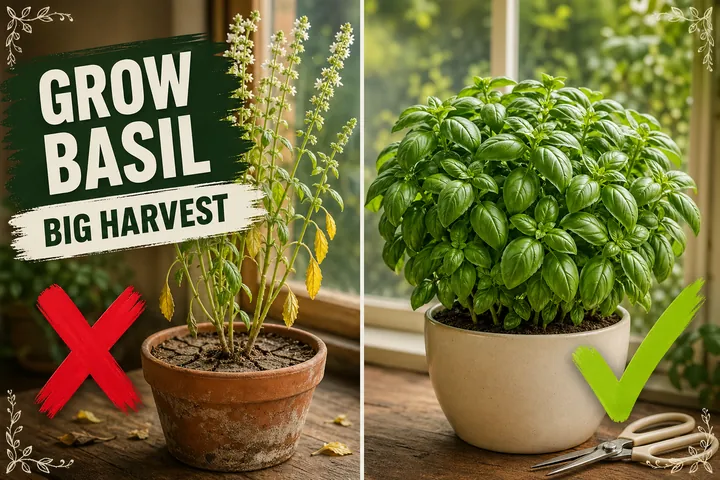
Basil is the herb every kitchen wants — and the herb most often killed before it makes it to the second pesto. The single most common cause is watering, and the rules differ sharply between indoor pots, outdoor containers, and garden beds.
This guide covers the exact schedule by location, how to bottom-water without rotting roots, and the relationship between watering and harvest frequency that keeps a basil plant productive for months.
Quick answer
Indoor basil: water every 3–4 days when the top 2.5 cm (1 in) of soil is dry. Outdoor garden basil: about 2.5 cm (1 in) of water per week, applied as one or two deep soakings. Container basil in summer heat above 28°C (82°F): daily. Use bottom-watering when possible to keep leaves dry and prevent downy mildew.
Table of contents
- Why basil watering is so picky
- Watering schedule by location
- Bottom-watering vs top-watering
- Signs of overwatering
- Signs of underwatering
- Water and harvest frequency
- Indoor basil specifics
- Outdoor basil specifics
- Common mistakes
- Troubleshooting
- FAQ
Why basil watering is so picky
Basil (Ocimum basilicum) is a fast-growing tender annual native to warm, humid regions of Asia and Africa. Three traits make watering tricky:
- Soft, water-rich leaves — basil transpires fast and wilts dramatically when soil is dry, even briefly.
- Shallow root system — most roots sit in the top 15 cm (6 in) of soil, so the surface drying is a real problem.
- Highly susceptible to fungal disease — downy mildew, fusarium wilt, and basil-specific diseases all thrive on wet leaves and soggy soil.
The combination is harsh. Basil wants consistent moisture but hates waterlogged roots, and the leaves can’t get wet without inviting disease. The fix is a routine of deep but moderate watering at soil level, with bottom-watering as the safest method.
Watering schedule by location
| Location | Spring (15–22°C / 60–72°F) | Summer (24–32°C / 75–90°F) | Heat wave (32°C+ / 90°F+) |
|---|---|---|---|
| In-ground bed | 2.5 cm (1 in) per week | 2.5–4 cm (1–1.5 in) per week | Deep soak every 3–4 days |
| Container 15–20 cm (6–8 in) | Every 2–3 days | Daily | Daily, check evening |
| Container 25 cm+ (10 in+) | Every 3–4 days | Every 1–2 days | Daily |
| Indoor windowsill 12 cm (5 in) | Every 3–4 days | Every 2–3 days | Every 1–2 days |
| Hydroponic / Aerogarden | Refill weekly | Refill every 4–5 days | Refill every 2–3 days |
These are starting points. Always check the top 2.5 cm (1 in) of soil before watering — humidity, wind, and pot material all affect drying speed.
Bottom-watering vs top-watering
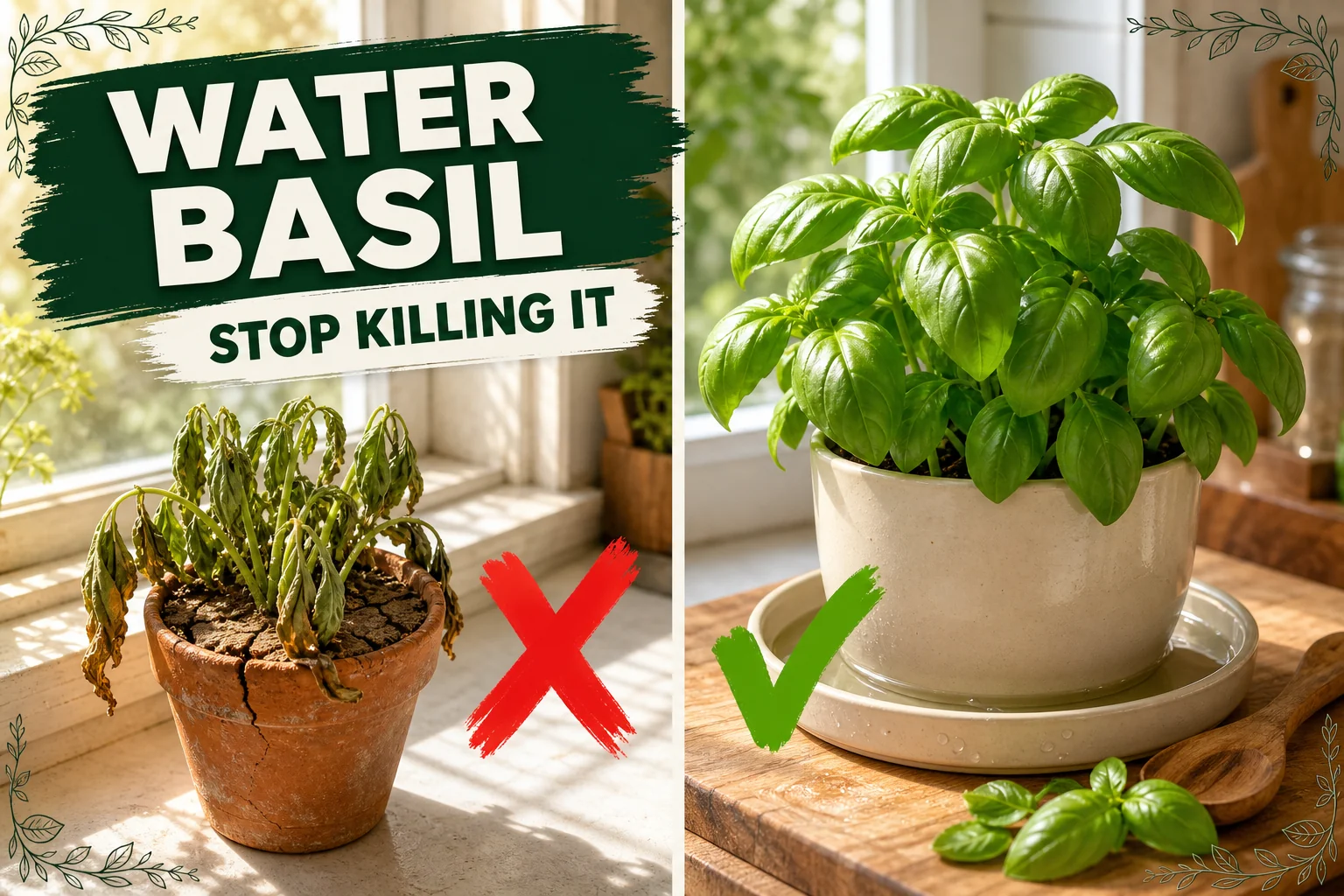
Bottom-watering is the gold standard for basil because it keeps the leaves completely dry — and dry leaves don’t get downy mildew.
How to bottom-water basil:
- Set the pot in a saucer, tray, or sink with 2.5 cm (1 in) of room-temperature water.
- Let it sit for 15–20 minutes — the soil draws water up through the drainage hole by capillary action.
- When the top 2.5 cm (1 in) of soil feels moist (not wet), remove and drain fully.
- Don’t leave the pot sitting in water for more than 30 minutes — that crosses into overwatering.
When top-watering is fine:
- The plant is too large to lift easily.
- You’re using a long-spout can that can deliver water to the soil only.
- Outdoor garden basil where wind dries leaves quickly.
When top-watering is risky:
- Indoor basil in low humidity (kitchens, bedrooms).
- Evening watering — wet leaves at night invite fungal disease.
- Basil already showing yellow spots or grey fuzz (early downy mildew signs).
The same principle applies to most leafy herbs — see the basil care guide for the full disease prevention checklist.
Signs of overwatering
Basil tells you fast when it has too much water.
- Yellowing lower leaves — earliest sign; root function declining
- Wilting that doesn’t recover after watering — counterintuitive but classic; rotted roots can’t take up water
- Black or brown soft stems at the base — crown rot
- Sour, swampy smell from the pot — anaerobic decay
- Soil staying wet for 5+ days — pot too large, soil too heavy, or poor drainage
- Grey or white fuzz on stems / underside of leaves — fungal disease taking hold
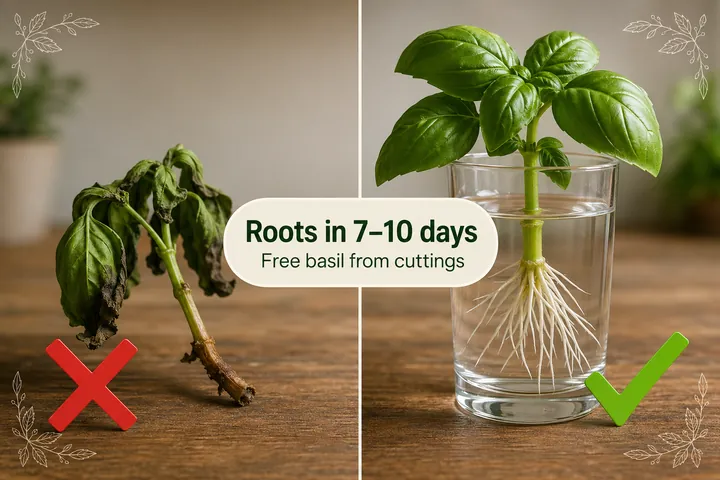
If you spot these, stop watering for 4–5 days, move the pot to brighter light with better airflow, and check the drainage hole isn’t blocked. If stems are mushy, take healthy cuttings to propagate — see how to propagate basil from cuttings.
Signs of underwatering
Underwatered basil is more dramatic but easier to fix:
- Whole-plant wilting in a few hours — most reliable cue; basil recovers fully from one deep soak
- Crispy lower leaves — chronic drought; foliage damage may not recover but new growth will
- Soil pulled away from the pot edge — hydrophobic; soak the entire pot in a tray of water for 20 minutes
- Slow or stalled growth — chronic mild drought; basil grows fastest with consistent moisture
- Bitter-tasting leaves — drought stress concentrates compounds; flavour returns with steady water
Underwatered basil usually recovers within 2–4 hours of a deep watering. Plants that don’t recover overnight have either died down to the roots or have rot — check the stem at soil level.
Water and harvest frequency
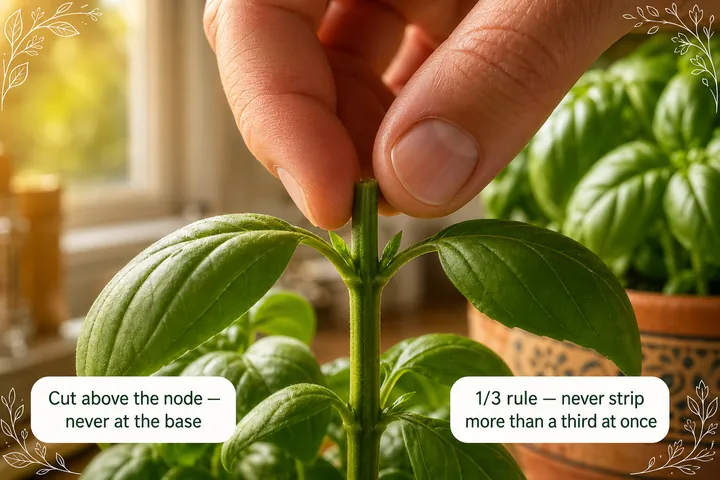
Watering and harvesting are linked more than most herbs. Frequent harvesting (pinching the top 2 sets of leaves every 2–3 weeks) keeps the plant compact, productive, and resistant to disease — but it slightly increases water demand because new growth needs water to expand.
Pattern:
- Harvest day: water lightly afterward (don’t soak — basil prefers slightly dry soil after pinching).
- 2–3 days later: deep watering as normal.
- Repeat every 2–3 weeks for a 4–6 month harvest window.
A basil plant that isn’t harvested goes to flower fast, gets woody, and stops producing tasty leaves — even with perfect watering. See how to cut basil from plant for the right pinching technique.
Indoor basil specifics
Indoor basil has different challenges than outdoor.
Pot size matters more. Small windowsill pots (under 12 cm / 5 in) dry in 2–3 days even in mild weather. Move basil to a 15–20 cm (6–8 in) pot once it’s established and you cut watering frequency in half.
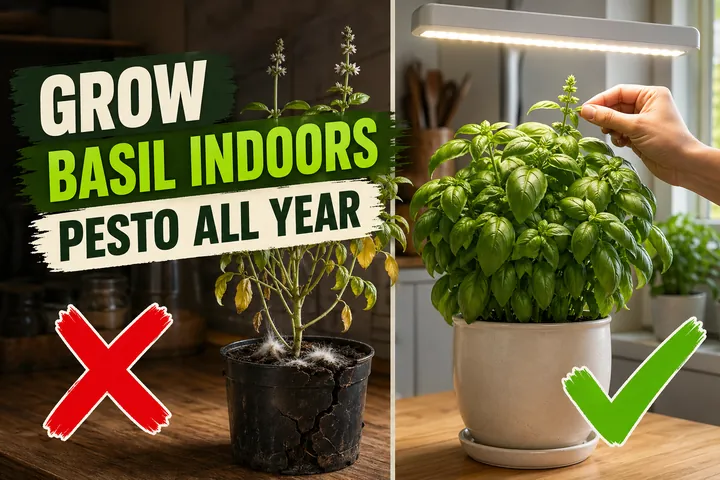
Light = water demand. Basil needs at least 6 hours of direct sun (or 12+ hours of grow light) to thrive. In low light, water demand drops sharply — overwatering low-light indoor basil is the single fastest way to kill it.
Humidity and airflow. Most kitchens are too humid + still for indoor basil. A small fan running 8 hours a day prevents downy mildew better than any watering trick.
Self-watering pots work. A self-watering herb container holds 3–5 days of moisture in its reservoir, which matches basil’s natural rhythm well. Just don’t refill until the indicator drops to empty.
For the full indoor setup, see how to grow basil indoors.
Outdoor basil specifics
Outdoor basil is more forgiving because:
- Sunlight dries leaves fast, lowering disease risk.
- Wind aids transpiration and keeps the plant compact.
- Larger root volume in beds means less frequent watering.
Garden beds: Soak deeply once or twice a week. The 2.5 cm (1 in) per week rule is right for most climates. Mulch with 5 cm (2 in) of straw or shredded leaves to keep soil moisture even.
Outdoor containers: Heat is the enemy. Once temperatures cross 28°C (82°F), basil in 15–20 cm (6–8 in) pots needs daily watering. Move pots into morning sun + afternoon shade in heat waves above 32°C (90°F).
Watering time: Morning (6–9 AM) is best. Avoid watering in late afternoon if leaves will get wet — overnight moisture invites disease.
Mulch. Outdoor basil benefits enormously from 5 cm (2 in) of organic mulch (straw, shredded leaves, compost) — cuts water loss by 30–50% and keeps soil temperature steady.
Common mistakes
- Watering on a fixed schedule. Cool, overcast days don’t need a daily soak. Always check the soil first.
- Light surface sips. Wetting only the top 1 cm (½ in) leaves deep roots dry. Soak fully or skip.
- Overhead watering at night. Wet leaves at sundown invite downy mildew — basil’s biggest disease threat.
- Leaving the pot in standing water. Roots in saucer water for hours start rotting. Drain after every watering.
- Tiny pots. Anything smaller than 12 cm (5 in) dries in a day and stresses the plant constantly. Move up to 15–20 cm (6–8 in).
- Ignoring harvesting. A basil plant that’s never pinched goes to flower in 6–8 weeks and stops making tasty leaves.
- Letting basil dry out completely once. Basil recovers from a single drought, but repeated wilt-soak cycles damage flavor and slow growth.
Troubleshooting
| Symptom | Likely cause | Fix |
|---|---|---|
| Whole plant wilting, dry soil | Underwatering | Soak deeply; recovery within hours |
| Wilting that doesn’t recover | Root rot from overwatering | Stop watering 4–5 days; check drainage; take cuttings |
| Yellow lower leaves | Overwatering or nitrogen deficiency | Check soil moisture; if dry, fertilize at half strength |
| Crispy brown leaf edges | Chronic drought + low humidity | Deep soak; mulch outdoors; group pots indoors |
| Grey fuzz on leaf undersides | Downy mildew from wet leaves | Remove affected leaves; bottom-water only; improve airflow |
| Stunted growth | Underwatering + small pot | Move to 15–20 cm (6–8 in) pot; soak deeply |
| Soil dry but won’t absorb water | Hydrophobic mix | Submerge pot in tray of water 20 min |
| Black mushy stem at base | Crown rot | Cut healthy stems for cuttings; discard root mass |
| Leaves bitter | Drought stress | Restore consistent watering; flavor recovers in 1–2 weeks |
| Soil stays wet 5+ days | Pot too large or heavy soil | Repot smaller; switch to herb mix with perlite |
A quick rule of thumb
If basil’s lower leaves look slightly limp, water now. If the soil is wet and the stems look soft, stop and check drainage. The plant tells you exactly what it needs — wilting is the cue, soggy is the warning.
For the full growing setup, see basil plant care and how to grow basil indoors. When you’re ready to keep the harvest going, how to cut basil from plant covers the right pinching technique that keeps a single plant productive for months.
Track watering, harvest, and fertilizer cycles automatically with the free Tazart plant care app — it learns each pot’s drying rhythm and reminds you only when the basil actually needs water.
Highly recommended
The supplies that make this guide work
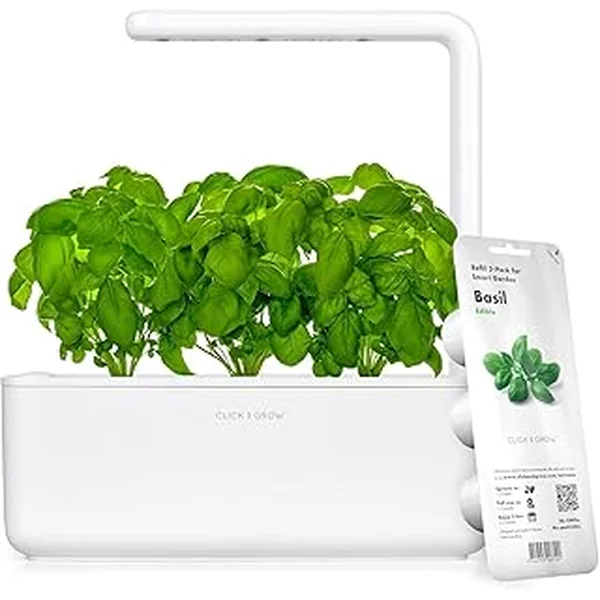
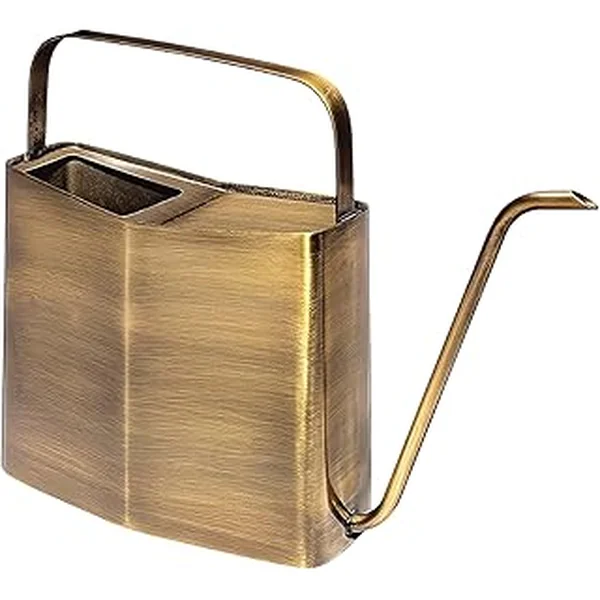
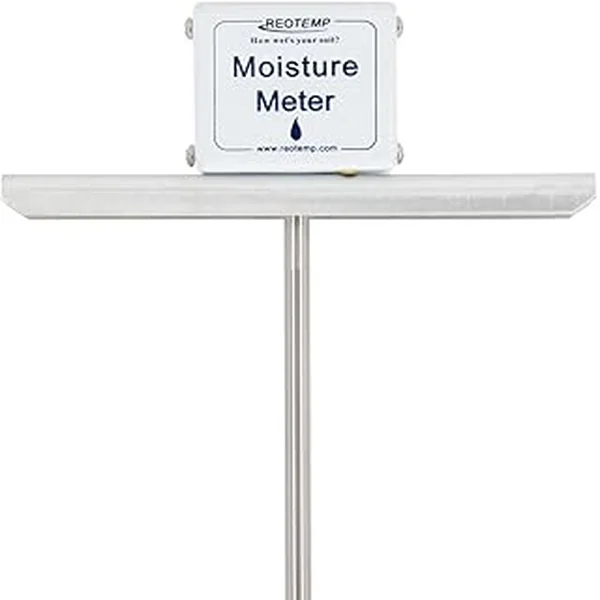
Tazart is an Amazon Associate — we earn from qualifying purchases at no extra cost to you. Thank you for helping us keep these guides free.
Frequently asked questions
How often should I water my basil plant?
Indoor basil typically needs water every 3–4 days when the top 2.5 cm (1 in) of soil feels dry. Outdoor garden basil needs about 2.5 cm (1 in) of water per week, applied as one or two deep soakings. Container basil in summer often needs daily watering once temperatures climb above 28°C (82°F). Always check the soil first — basil hates both soggy and bone-dry conditions.
Should I water basil every day?
Indoor basil — usually no, every 3–4 days is enough. Outdoor basil in containers — often yes during summer heat above 28°C (82°F), because small pots dry quickly in sun. In-ground basil rarely needs daily watering; one or two deep soakings per week is plenty. Always check the soil before reaching for the watering can.
How do you know when basil needs water?
Three reliable signs: (1) push your finger 2.5 cm (1 in) into the soil — if dry, water now; (2) the leaves look slightly limp, especially the lower ones (basil wilts dramatically before serious damage); (3) the pot feels noticeably lighter than right after the last watering. Wilting is the strongest cue — basil recovers fully from a single deep watering if caught early.
Why are my basil leaves wilting?
The most common cause is underwatering — basil wilts dramatically when the soil is dry, then bounces back within hours of a deep soak. The second most common is the opposite: overwatering and root rot, which causes wilting that doesn't recover. Check the soil. If it's dry and crumbly, soak deeply. If it's soggy and smells sour, stop watering for several days and improve drainage.
Should I bottom-water basil?
Yes — bottom watering works exceptionally well for basil and helps prevent fungal diseases like downy mildew that thrive on wet leaves. Set the pot in 2.5 cm (1 in) of room-temperature water for 15–20 minutes, then remove and drain fully. The plant draws water up through capillary action and the leaves stay completely dry.
How often should I water basil in pots?
Indoor pots: every 3–4 days. Outdoor pots in spring: every 2 days. Outdoor pots in summer heat above 28°C (82°F): daily, sometimes twice on extreme heat days. Small herb pots (under 15 cm / 6 in) dry fastest and need the most frequent checks. A 25 cm (10 in) container of basil holds enough soil to stretch summer watering to once a day comfortably.