Care
How Often to Water an Aloe Vera Plant (Complete Schedule)
Water aloe vera every 2–3 weeks indoors — soak deeply then let soil dry fully. Less in winter (4–6 weeks). Schedule by season, pot size, and light.
On this page
- Quick answer
- Table of contents
- Why aloe needs less water than you think
- Watering schedule by season
- How to tell when it’s time to water
- How to water — the soak-and-dry method
- Adjusting for pot size, light, and climate
- Signs of overwatering
- Signs of underwatering
- Common mistakes
- Troubleshooting
- Watering rule of thumb
- A note on conditions
Watch the visual walkthrough
Aloe Vera Care Guide! 🌿🌵// Garden Answer
LINKS Aloe Vera Plant - https://amzn.to/2MduGOF Espoma Cactus Mix - https://amzn.to/2OgRJ8s Espoma Cactus Fertilizer ...
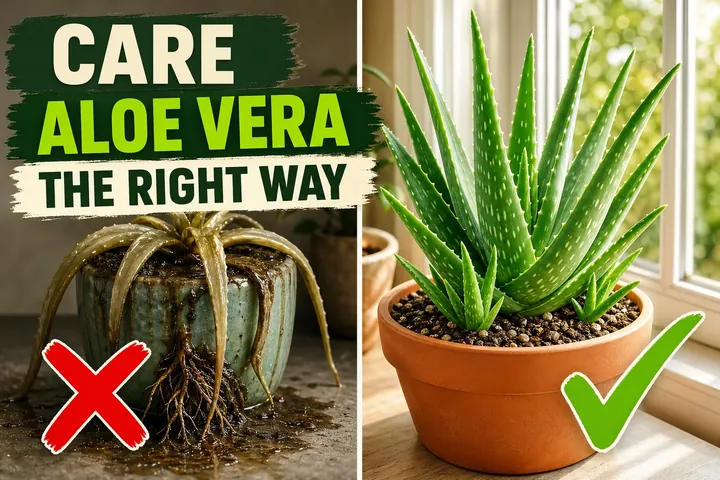
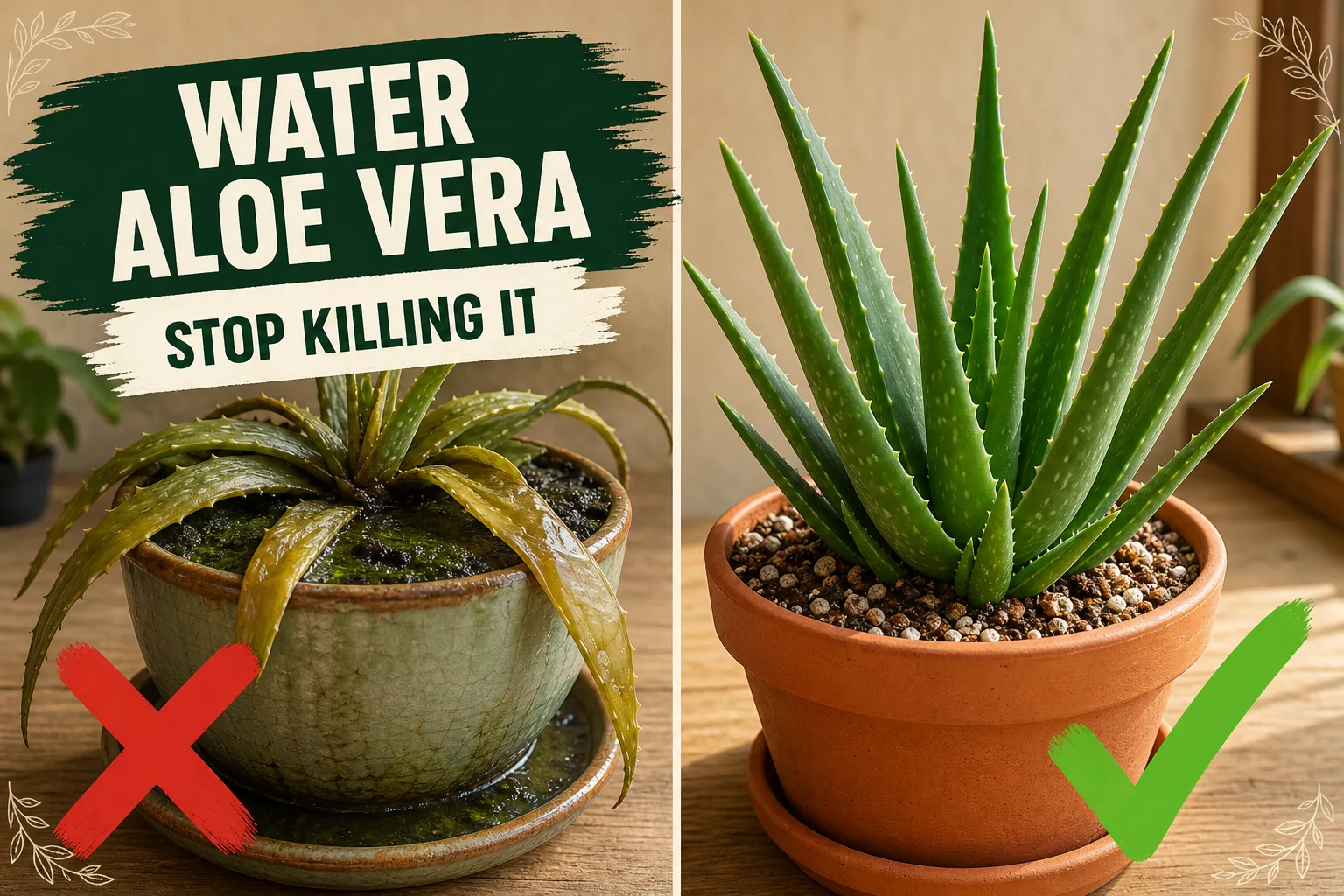
The number-one killer of aloe vera plants is kindness — too much water, too often. Aloe vera is a desert succulent built for long droughts and brief heavy rains, not the steady weekly watering most houseplants get. Get the rhythm right and a single aloe will live for decades, throw out a dozen pups a year, and need almost no other care.
This guide covers the actual schedule by season, pot size, and light level — plus the three signs that tell you when to water without guessing.
Quick answer
Water aloe vera every 2–3 weeks in spring and summer, and every 4–6 weeks in autumn and winter. Always check first — only water when the soil is fully dry to a depth of 5 cm (2 in). Soak deeply until water runs out the drainage hole, then let dry completely before the next drink. Never water on a fixed weekly schedule.
Table of contents
- Why aloe needs less water than you think
- Watering schedule by season
- How to tell when it’s time to water
- How to water — the soak-and-dry method
- Adjusting for pot size, light, and climate
- Signs of overwatering
- Signs of underwatering
- Common mistakes
- Troubleshooting
- FAQ
Why aloe needs less water than you think
Aloe vera (Aloe barbadensis miller) is native to dry regions of the Arabian Peninsula and stores water inside its thick, gel-filled leaves. The plant is built to survive months without rain.
Three traits make aloe especially vulnerable to overwatering:
- Shallow root system — most roots sit in the top 10 cm (4 in) of soil, so wet pots affect them immediately.
- CAM photosynthesis — aloe takes up CO₂ at night and stores it; this slows transpiration and water uptake.
- No fine root hairs — aloe roots can’t recover quickly from rot the way fibrous-rooted plants can.
In practice this means: most houseplant watering rules don’t apply. The “water when the top 2 cm dries” rule that works for pothos will kill an aloe vera in a few months.
Watering schedule by season
| Season | Indoor temp | Watering interval | Notes |
|---|---|---|---|
| Spring (Mar–May) | 18–24°C (65–75°F) | Every 2–3 weeks | Growth resumes; check more often |
| Summer (Jun–Aug) | 21–28°C (70–82°F) | Every 14–18 days | Peak water use; never schedule, always check |
| Autumn (Sep–Nov) | 15–21°C (60–70°F) | Every 3–4 weeks | Stretching intervals as light fades |
| Winter (Dec–Feb) | 13–18°C (55–65°F) | Every 4–6 weeks | Semi-dormancy; many homes go 6+ weeks |
| Cool windowsill (10–13°C / 50–55°F) | year-round | Every 6–8 weeks | Truly minimal water |
These intervals assume a 15 cm (6 in) pot in average indoor conditions with a south- or west-facing window. Outdoor aloe in a hot patio container can need water as often as every 7–10 days in summer; outdoor aloe in mild climates rarely needs supplemental water at all.
How to tell when it’s time to water
Three reliable cues — use all three, not just one:
1. The deep finger test
Push your index finger 5 cm (2 in) into the soil. If you feel any cool moisture, wait. If the soil is bone-dry and grainy at that depth, water.
The shallow “top 2 cm” test that works for tropical houseplants is too cautious for aloe — by the time the surface is dry on a healthy aloe, the deep roots are still sitting in moisture from last time.
2. The pot-lift test
Right after watering, lift the pot — that’s the “wet weight”. A week later, lift again. After 2–3 weeks the pot will feel dramatically lighter. That weight drop is the plant having used its stored moisture.
For a 15 cm (6 in) terracotta aloe pot, the wet-to-dry difference is around 400–600 g (about 1 lb).
3. Slight leaf wrinkling
Look at the lower (oldest) leaves. Slight wrinkling, dimpling, or a softer feel at the base means the plant has tapped its stored water. This is the green light to water.
Plump firm leaves with no wrinkling = no water needed. Watering at this stage just adds risk without benefit.
How to water — the soak-and-dry method
Aloe vera responds best to thorough infrequent watering, not light frequent sips.
1. Use room-temperature water. Cold tap water shocks roots; lukewarm is ideal. Filtered or rainwater is best if your tap water is heavily chlorinated.
2. Pour slowly around the soil surface. Avoid the rosette — water trapped between the leaves can cause crown rot. Pour at the soil edge of the pot, working around the plant.
3. Saturate fully. Keep pouring until water runs steadily out the drainage hole — typically 250–500 ml (8–17 fl oz) for a 15 cm (6 in) pot.
4. Drain completely. Let the pot drain for 5–10 minutes, then empty the saucer. Standing water in the saucer is overwatering disguised.
5. Wait until fully dry. Don’t water again until the deep finger test, pot-lift, and leaf check all say “yes.”
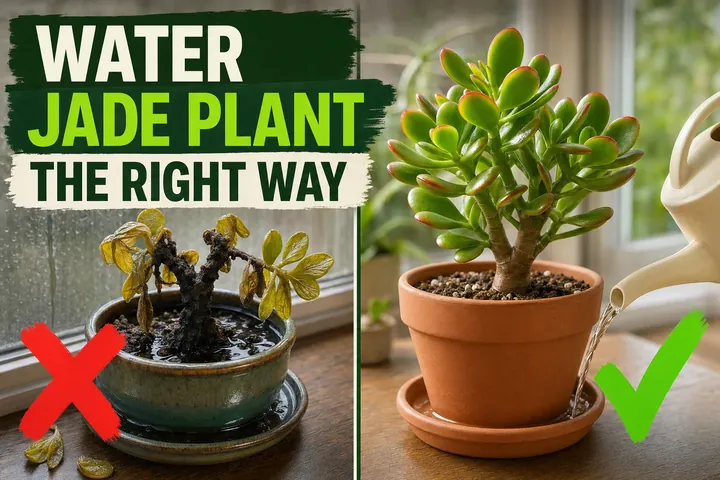
This is the same principle as caring for a jade plant — both species are built for big drinks separated by long droughts.
Adjusting for pot size, light, and climate
The 2–3 week summer interval is a starting point. Adjust based on:
Pot size and material
| Variable | Effect on watering |
|---|---|
| Small pot 10 cm (4 in) | Dries faster — water every 10–14 days summer |
| Large pot 25 cm+ (10 in+) | Holds moisture longer — every 3–4 weeks summer |
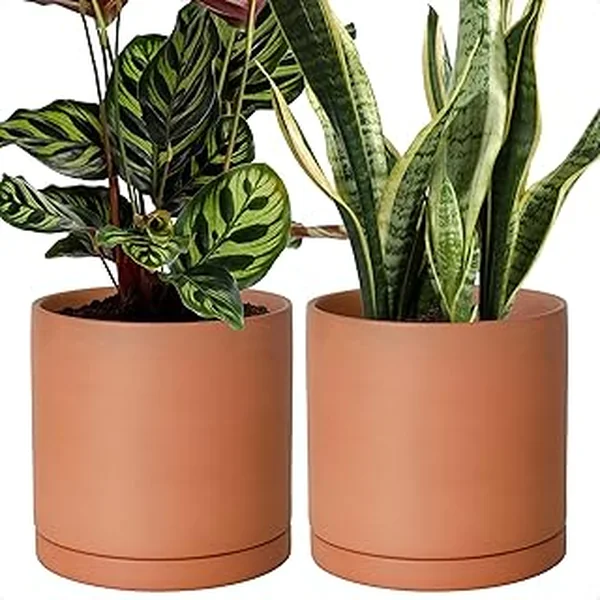
| Terracotta (unglazed) | Dries 30–50% faster — shorter intervals |
| Glazed ceramic / plastic | Holds moisture — longer intervals |
| Pot with no drainage hole | Avoid entirely — guaranteed root rot |
Light level
| Light | Effect |
|---|---|
| Direct south window 6+ hrs | High water use — every 14–18 days summer |
| Bright indirect 4–6 hrs | Standard 2–3 week interval |
| Low light < 3 hrs | Stretch to 3–4 weeks; plant uses much less water |
Aloe in low light is the most common overwatering victim — owners water on the same summer schedule even though the plant is barely transpiring.
Indoor humidity and AC
Dry winter heating dries pots faster than expected — check more often in heated rooms. AC-conditioned summer rooms behave more like spring; stretch intervals slightly.
Signs of overwatering
Caught early, overwatering is reversible. Caught late, the roots are gone.
- Yellow, translucent, mushy lower leaves — earliest sign; root rot has begun
- Soft, water-soaked feeling at the base — the crown is rotting
- Brown spots that spread — fungal infection from constant moisture
- Leaves splitting or bursting open — plant has taken up too much water too fast
- Soil that smells sour — anaerobic decay in saturated soil
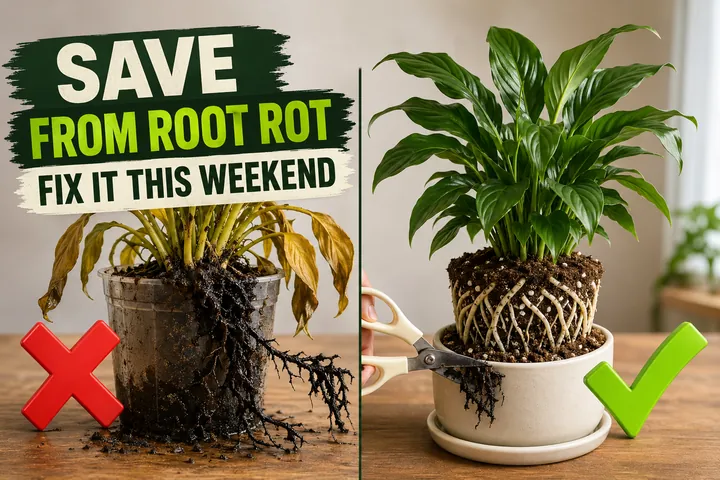
If you see these, stop watering immediately. Unpot the plant, brush off wet soil, snip any black or mushy roots back to firm white tissue, let the cuts callous for 1–2 days, and repot in dry fresh cactus mix. Don’t water for 2–3 weeks. See how to fix root rot for the full recovery protocol.
Signs of underwatering
Aloe will tell you it needs water long before it dies — the signs are gentle and easy to reverse.
- Slight wrinkling on lower leaves — normal, the cue to water
- Curling inward at leaf edges — moderate thirst
- Pale, dull leaf colour — dehydrated for several weeks
- Leaves bend or sag — significant water loss; soak immediately
- Crispy brown leaf tips — combination of drought + dry indoor air
Underwatered aloe recovers from a single deep soak. Overwatered aloe often doesn’t recover at all. When in doubt, wait another week.
Common mistakes
- Weekly watering schedule. The most lethal habit. Aloe needs ≥ 14-day intervals, not 7. Throw out the calendar; use the cues instead.
- Light surface sips. Wetting only the top 1 cm (½ in) leaves deep roots dry while the surface stays moist enough to host fungus. Soak fully or skip.
- Misting the leaves. Useless and can cause crown rot. Aloe takes up water through roots only.
- Letting the saucer fill. Roots in standing water for hours start rotting. Empty after every watering.
- Pots without drainage holes. No exceptions. Decorative cachepots are fine if you take the inner pot out to water and drain.
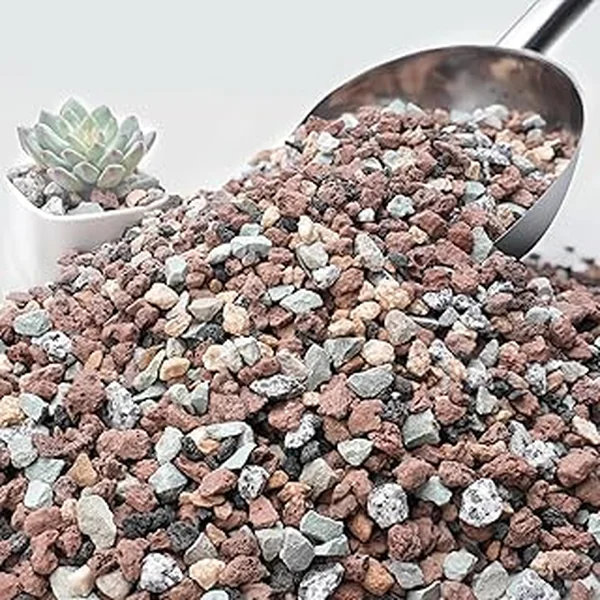
- Ordinary potting soil. Standard houseplant mix retains too much moisture. Use cactus or succulent mix, or amend potting soil 1:1 with coarse perlite or pumice.
- Cold tap water in winter. Cold water can shock roots already slowed by dormancy. Use room-temperature water year-round.
Troubleshooting
| Symptom | Likely cause | Fix |
|---|---|---|
| Yellow translucent base leaves | Overwatering / root rot starting | Stop watering, check roots, repot in dry cactus mix |
| Brown crispy leaf tips | Underwatering + dry indoor air | Soak deeply; ignore humidity (aloe doesn’t need it) |
| Limp leaves bending downward | Severe drought OR root rot — check soil | Dry: soak deeply. Wet: unpot, inspect roots |
| Dull pale colour, slow growth | Low light + occasional water | Move to a brighter window; don’t increase water |
| Leaves splitting open | Sudden heavy watering after long drought | Water more gradually; smaller volumes more often |
| Soil stays wet 4+ weeks | Pot too large; soil not draining | Repot smaller; switch to gritty cactus mix |
| White crust on soil | Mineral build-up from tap water | Flush by watering until 3× pot volume runs through; switch to filtered or rainwater |
| Pup growth slow | Cool conditions, low light | No extra water needed — pups will catch up in spring |
Watering rule of thumb
If you’re not sure whether to water your aloe — don’t. Wait another week. Aloe vera deaths from underwatering are rare; overwatering kills tens of thousands of plants every year.
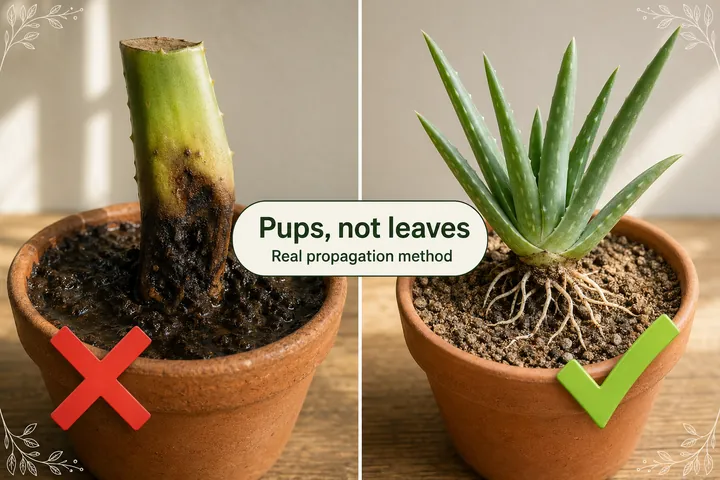
For more aloe care detail, the full aloe vera care guide covers light, repotting, fertilising, and pup propagation. If you want to multiply your plants, see how to propagate aloe vera from cuttings.
Track watering intervals and never miss a check with the free Tazart plant care app — it learns the rhythm of your specific aloe and reminds you only when the soil is actually dry.
A note on conditions
Pot size, soil mix, light intensity, indoor temperature, and seasonal humidity all affect how fast a pot dries. The intervals above are well-tested averages — use the deep finger test, the pot-lift test, and the leaf-wrinkle cue every time, and your aloe will tell you exactly what it needs.
Highly recommended
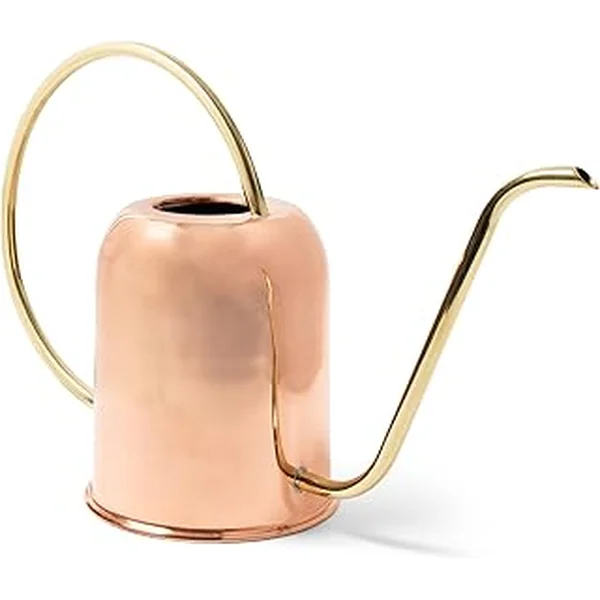
The supplies that make this guide work

Tazart is an Amazon Associate — we earn from qualifying purchases at no extra cost to you. Thank you for helping us keep these guides free.
Frequently asked questions
How often should I water my aloe vera plant?
Water aloe vera every 2–3 weeks in spring and summer, and every 4–6 weeks in autumn and winter. The exact interval depends on pot size, light level, and indoor temperature. Always check the soil first — water only when the entire pot is dry from top to bottom. A 15 cm (6 in) pot in a bright window typically needs watering about every 18–20 days in summer.
Can I water aloe vera once a week?
Almost never. Once-a-week watering is the single most common cause of aloe vera death — the roots rot from constant moisture. Aloe vera is adapted to long dry periods between heavy rains. Wait until the soil is completely dry, then soak deeply. In most homes, this works out to every 2–3 weeks at most, even in summer.
How do you know when aloe vera needs water?
Three reliable signs: (1) push your finger 5 cm (2 in) into the soil — if any moisture clings, wait. (2) Lift the pot — a fully dry pot is dramatically lighter than a moist one. (3) Look at the leaves — slight wrinkling along the lower leaves means the plant is using stored water. Wrinkling is the cue to water. Plump firm leaves mean the plant has plenty of stored water and watering would only push it toward rot.
Do aloe vera plants need water in winter?
Yes, but much less. Aloe vera enters semi-dormancy below 15°C (60°F) and uses very little water. Stretch intervals to every 4–6 weeks. Plants in cool windowsills (under 13°C / 55°F) may go 6–8 weeks between waterings without harm. Watch for leaf wrinkling — that's still your cue, even in winter.
Why are my aloe leaves turning yellow and mushy?
Overwatering is the cause more than 90% of the time. Yellow translucent mushy leaves at the base mean the roots are rotting from sitting in wet soil. Stop watering immediately, lift the plant from its pot, snip off any black mushy roots, and replant in fresh dry cactus mix. Don't water again for 2–3 weeks while the cuts callous over.
Should I bottom-water my aloe vera?
Top watering is generally better for aloe vera because it flushes salts out the drainage hole. If you do bottom-water, set the pot in 2–3 cm (1 in) of water for 15–20 minutes maximum, then remove and drain fully. Bottom watering longer than that pulls water up to saturate the surface and defeats the purpose of fast-drying mix.
How much water should I give an aloe vera plant?
Water deeply enough that excess runs out the drainage hole — typically 250–500 ml (8–17 fl oz) for a 15 cm (6 in) pot. The goal is to fully saturate the rootball, then let it dry completely. Light surface watering wets only the top 1–2 cm (½ in), encourages shallow rooting, and never reaches the deep roots that store water for the plant.
Should I mist aloe vera leaves?
No. Misting does nothing useful for aloe vera and can actually cause leaf rot. Aloe vera takes up water through roots, not leaves, and the thick waxy cuticle blocks foliar absorption. Water trapped in the rosette can cause crown rot. Wipe dust off leaves with a dry soft cloth instead.