Flowers
How Far Apart to Plant Sunflowers (Spacing for Big Heads)
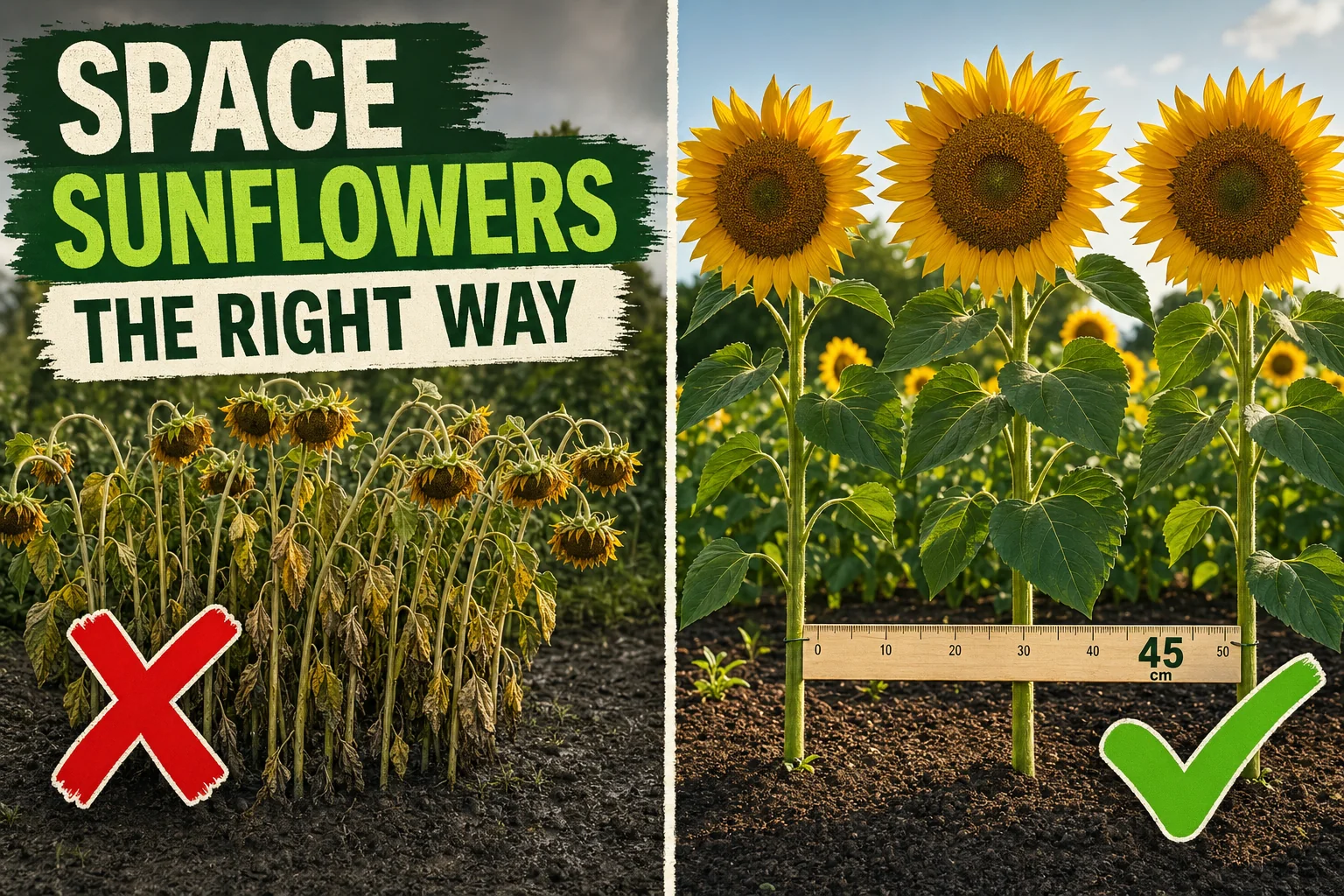
How far apart to plant sunflowers: 45 cm (18 in) for big-head types, 30 cm (12 in) for branching, 15 cm (6 in) for cut-flower rows. Full spacing chart inside.
On this page
Watch the visual walkthrough
How to Grow Sunflowers Successfully At Home 🌻
A short visual walkthrough that pairs with the steps above.
How far apart you plant your sunflowers is the single biggest factor in head size. Get the spacing right and you’ll grow thick stems with full-size blooms; get it wrong and you’ll grow tall, thin sticks with disappointing little heads — even from the exact same packet of seed.
The short answer up front: 45 cm (18 in) apart for big-head varieties, 30 cm (12 in) for branching types, and 15 cm (6 in) for cut-flower rows. The rest of this guide covers why, plus a variety-by-variety chart, a row layout, and how to fix sunflowers that are already too crowded.
Quick answer
Big-head single-stem sunflowers (Mammoth, Russian Giant): 45–60 cm (18–24 in) between plants, 90 cm (35 in) between rows. Branching garden varieties (Autumn Beauty, Lemon Queen): 30–45 cm (12–18 in) between plants, 60 cm (24 in) between rows. Cut-flower rows (ProCut, Sunrich): 15 cm (6 in) between plants, 30 cm (12 in) between rows. Sow 2–3 seeds per spot, then thin to one strong seedling once true leaves appear.
Why spacing makes or breaks sunflower size
A sunflower head is basically a record of how much light, water, and root room the plant collected over 60–100 days. Three things change with spacing:
- Light competition. Sunflowers are phototropic when young and shade-intolerant when mature. Plants closer than 20 cm (8 in) shade each other’s lower leaves within weeks. The plant responds by stretching upward — thin stems, small heads.
- Root competition. A mature sunflower’s root system spreads ~60 cm (24 in) from the stem. Two plants 20 cm (8 in) apart are sharing most of their root zone, halving the effective water and nutrients each one gets.
- Allelopathy. Sunflowers release compounds (mainly through their roots and decomposing leaves) that suppress germination and growth of nearby plants — including other sunflowers — within about a 1 m radius. Tight spacing concentrates the effect.
Together, those three explain why a packet that promised 25 cm (10 in) heads gives you 12 cm (4.5 in) heads when you crowd them.
Variety spacing chart
Different sunflowers want very different gaps. Use this chart before you sow.
| Variety | Plant spacing | Row spacing | Best use |
|---|---|---|---|
| Mammoth / Russian Giant | 60 cm (24 in) | 90 cm (35 in) | Display / seed harvest (giant heads) |
| Autumn Beauty | 45 cm (18 in) | 60 cm (24 in) | Garden bed (multi-coloured branching) |
| Lemon Queen | 45 cm (18 in) | 60 cm (24 in) | Garden bed / pollinators |
| Teddy Bear | 30 cm (12 in) | 45 cm (18 in) | Cutting garden (fluffy short blooms) |
| ProCut / Sunrich | 15 cm (6 in) | 30 cm (12 in) | Florist rows (long single stems) |
If your variety isn’t listed, match it by mature height: under 1 m, use 30 cm (12 in); 1–2 m, use 45 cm (18 in); over 2 m, use 60 cm (24 in).
What you’ll need
- Sunflower seeds (one variety per row keeps spacing consistent)
- A measuring tape or stick marked at your target spacing
- A garden bed in full sun — minimum 6 hours of direct light, ideally 8+
- Loose, well-drained soil; sunflowers tolerate poor soil but hate waterlogged roots
- A simple wooden ruler or dibber for sowing depth
- Mulch (straw or shredded leaves) for after thinning
That’s the whole list. No fertilizer at sowing — too much nitrogen pushes leaves at the cost of head size.
Step-by-step: spacing sunflowers correctly
1. Choose a variety that fits your space
Before you sow, look at your bed and pick a variety that fits its width. A single Mammoth needs almost a square metre to itself; six ProCuts fit comfortably in the same space. Mismatching variety to bed is the most common reason sunflowers underperform.
2. Mark out the rows
Stretch a string line down the bed. Mark each plant position with a stick or a small dent in the soil at your target spacing — 15, 30, 45, or 60 cm (24 in). Mark the next row at the matching row spacing. Doing this before you sow means you won’t drift mid-row.
3. Sow at the correct depth and spacing
Push 2–3 seeds into the soil at each marked spot, 2–3 cm (0.75–1 in) deep. Sowing two or three is insurance — you’ll thin later. Cover with soil, firm gently, and water in. Germination takes 7–10 days at soil temperatures of 15–25°C (59–77°F).
4. Thin to final spacing once true leaves form
This is the step most beginners skip — and it’s the single biggest reason for small heads. Once the seedlings have their second set of true leaves (around 10–15 cm (4–6 in) tall), pick the strongest seedling at each spot and snip the others at soil level with scissors. Don’t pull them; you’ll disturb the keeper’s roots.
After thinning you should see only one seedling per marked position, exactly at your target spacing.
5. Mulch around the survivors
Add a 3–5 cm (1–2 in) layer of straw or shredded leaf mulch around (not touching) each stem. Mulch keeps the soil cool, holds moisture, and suppresses weeds — all of which matter once the plants start putting energy into the head instead of the leaves.
6. Succession sow every 2 weeks for cut flowers
If you’re growing cut-flower varieties (ProCut, Sunrich, Teddy Bear), sow a new short row every 2 weeks from your last frost date until ~80 days before your first autumn frost. Each row blooms for about 7–10 days; staggered sowings give you continuous cuts instead of one big flush.
Care after thinning
Once spacing is set, sunflowers are low-maintenance. Three things matter:
| Task | When |
|---|---|
| Water | 2–3 cm (0.75–1 in) of water per week, deep soak. More during flowering |
| Support | Stake any variety taller than 1.5 m once buds form — heads get heavy |
| Deadhead | Branching types only: cut spent flowers to push more blooms |
A free plant care app like Tazart can hold the watering and stake-by-date schedule for you, and adjust it for your local weather — useful when you’re growing a mixed row of varieties on different timelines.
When you’ll see blooms
- Cut-flower types (ProCut, Sunrich): 55–65 days from sowing to bloom
- Branching garden types (Autumn Beauty, Lemon Queen): 70–85 days
- Big-head types (Mammoth, Russian Giant): 80–100 days
A correctly-spaced row blooms within a few days of itself. If yours bloom in waves, that’s usually a sign the spacing isn’t even.
Common mistakes to avoid
- Too crowded. Anything under 15 cm (6 in) halves head size — even on cut-flower varieties.
- Skipping the thinning step. Two seedlings sharing one spot will both stay small. Thin ruthlessly.
- Planting near allelopathy-sensitive crops. Keep at least 1 m from potatoes, beans, and pole crops; sunflower roots and decomposing leaves suppress them.
- Mixing tall and short varieties in the same row. The tall ones shade the short ones into thin sticks. Keep one variety per row, or step them by height.
- Planting in part shade. Sunflowers need 6+ hours of direct sun; in less, no spacing fix will save the head size.
- Over-fertilizing at sowing. High nitrogen grows leaves, not heads. Save fertilizer for the bud stage, and keep it balanced.
Troubleshooting
| Symptom | Likely cause | Fix |
|---|---|---|
| Tall thin stems, small heads | Under-spaced or too little light | Thin to recommended spacing now; move next year’s bed to full sun |
| Plants flopping over once heads form | No staking on tall variety | Drive a 1.5 m stake next to each stem; tie loosely with soft twine |
| Lower leaves yellowing early | Crowded roots or under-watering | Mulch deeply; deep soak weekly instead of light daily watering |
| Heads facing different directions | Normal once mature (they stop tracking sun) | Plant rows north–south so flowering heads face east in morning light |
| Two seedlings stuck together | Skipped thinning | Snip the weaker one at soil level — don’t pull |
| Stunted plants near potatoes or beans | Allelopathy | Move sunflowers to a separate bed at least 1 m away next season |
Watch: spacing sunflowers
A short visual walkthrough makes the spacing tiers stick. If you’re a visual learner, watch a quick row-marking and thinning tutorial like How to Space Sunflowers for Big Heads on YouTube and then come back to follow the timing in this guide.
Related reading
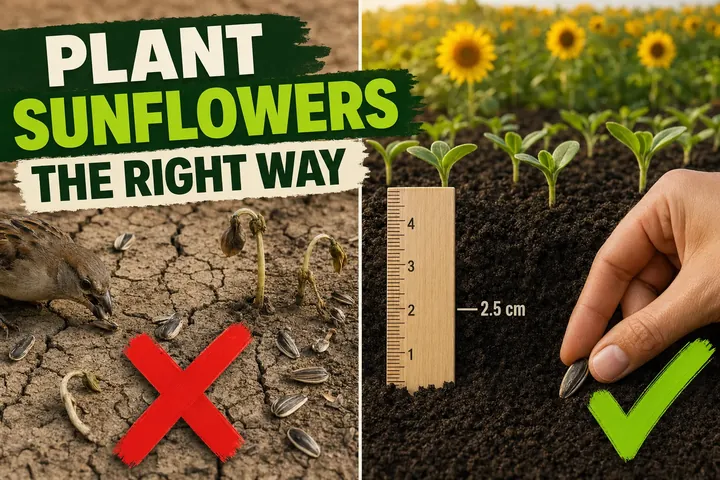
- How deep to plant sunflower seeds — the matching depth guide; pair it with this spacing chart for sowing day.
- How to plant morning glory seeds — another full-sun summer flower with very different spacing rules.
- How deep to plant gladiolus bulbs — for the cutting-garden bed next to your sunflower row.
- Scan the next plant you bring home with the free Tazart plant identifier and let it set up the watering schedule for you.
A note on conditions
Every garden is different. Soil type, light, wind exposure, summer heat, and your local rainfall all change how forgiving sunflower spacing is. Use the numbers above as a strong starting point and adjust by what you actually see in week two — that’s how every good cut-flower grower fine-tunes their rows.
Highly recommended
The supplies that make this guide work
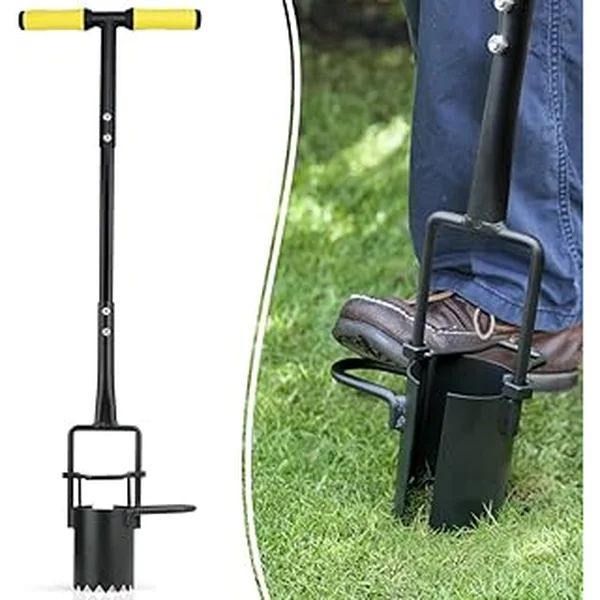

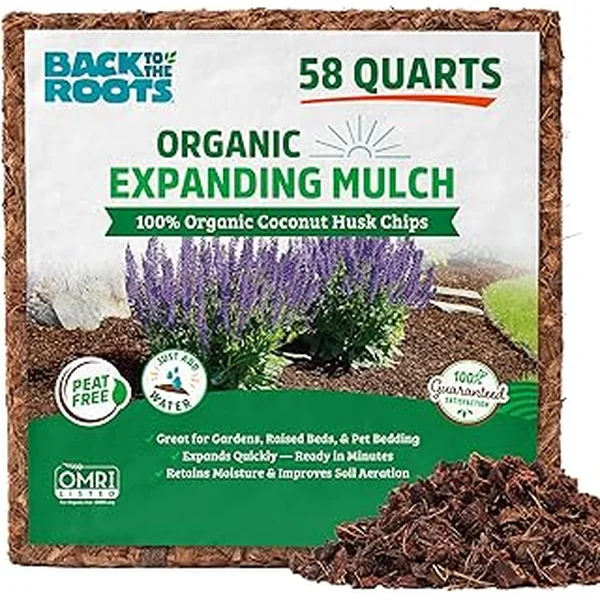

Tazart is an Amazon Associate — we earn from qualifying purchases at no extra cost to you. Thank you for helping us keep these guides free.
Frequently asked questions
How far apart should sunflowers be planted?
It depends on the variety. Big single-head types like Mammoth want 45–60 cm (18–24 in) between plants. Branching and cut-flower types do best at 30 cm (12 in). For tight cut-flower rows where you want long thin stems and 10–12 cm (4–4.5 in) blooms, 15 cm (6 in) spacing is standard. Row spacing is roughly twice the plant spacing.
How close is too close for sunflowers?
Anything under 15 cm (6 in) crowds the roots and cuts head size in half. Sunflowers are also mildly allelopathic — they release compounds that suppress neighbours within about a 1 m zone — so packing them tight makes the problem worse. If seedlings come up clustered, thin them as soon as the second set of true leaves appears.
Do sunflowers need to be thinned?
Yes. Sow 2–3 seeds per spot for insurance, then thin to one strong seedling per spacing once the plants have their first true leaves (around 10–15 cm (4–6 in) tall). Snip the extras at soil level rather than pulling — pulling can disturb the keeper's roots.
Should sunflowers be planted in rows or clusters?
Rows are easier for spacing, watering, and harvesting cut stems. Clusters look great in ornamental beds but still need the same minimum distance between plants. Whatever layout you pick, the key number is the gap between individual stems, not the overall shape.
How far apart do you plant Mammoth sunflowers?
Mammoth and other giant single-head sunflowers need 60 cm (24 in) between plants and 90 cm (35 in) between rows. They grow 2–3 m tall with dinner-plate heads, and that size needs root run, light, and airflow. Crowd them and you'll get tall thin stems with smaller heads.
Why are my sunflower heads so small?
Almost always under-spacing or under-light. Sunflowers compete hard for both. If they're closer than 30 cm (12 in), thin now — the survivors usually still size up. Also check that they're getting 6+ hours of direct sun and that you haven't planted them next to potatoes, beans, or pole crops that react badly to sunflower roots.