Edible
How Far Apart to Plant Jalapeños (Spacing Guide for Big Yields)
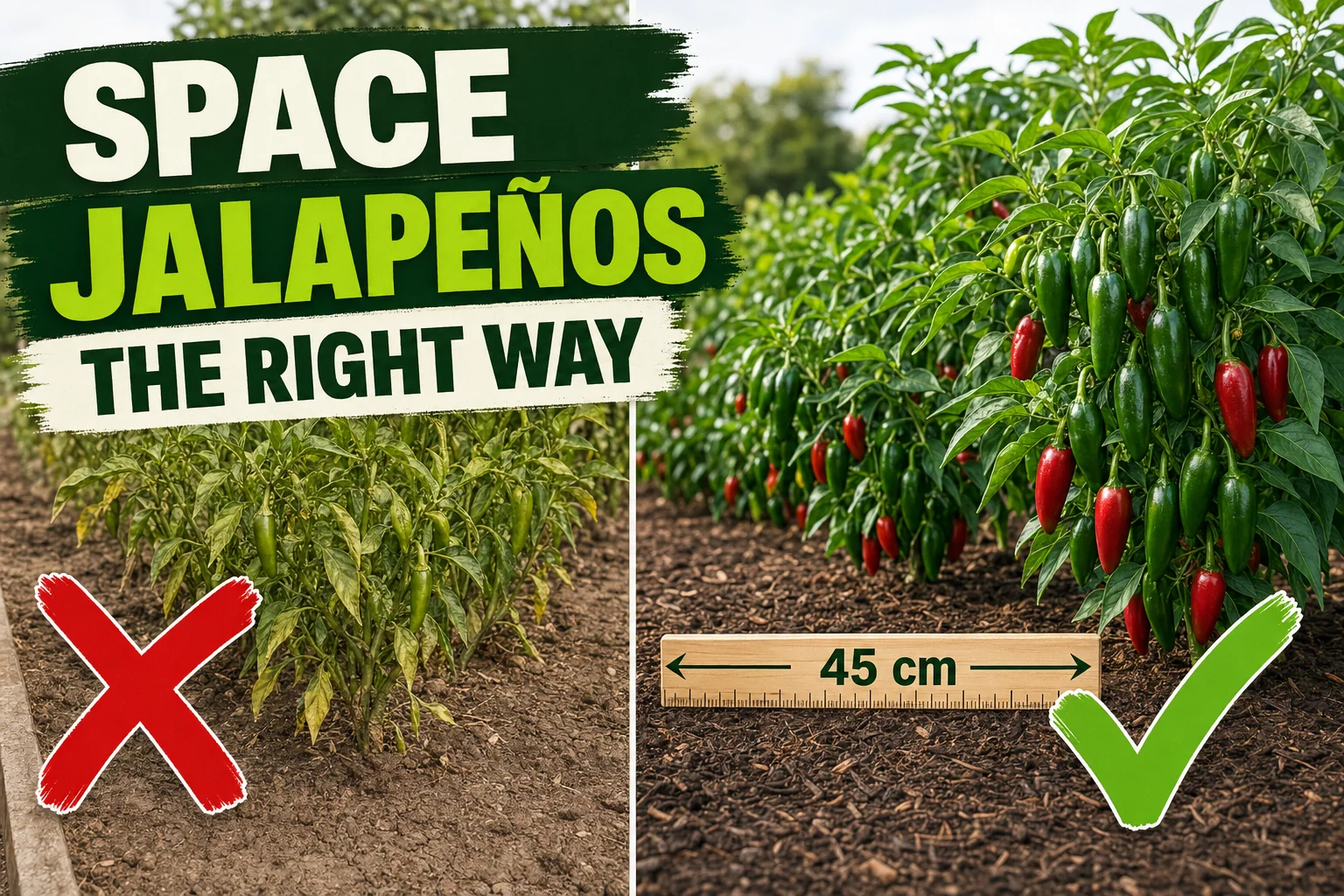
Plant jalapeños 45 cm (18 in) apart with 60-75 cm (24–30 in) between rows for the biggest yield. Full spacing guide for in-ground beds, raised beds, and 20L containers.
On this page
- Quick answer
- Why spacing matters for peppers
- Spacing chart by growing method
- What you’ll need
- Step-by-step: spacing jalapeños correctly
- Companion planting
- Care after planting
- When you’ll see harvest
- Common mistakes to avoid
- Troubleshooting
- Watch: spacing jalapeños correctly
- Related reading
- A note on conditions
Watch the visual walkthrough
Are Your Pepper Plants Too Close?
A short visual walkthrough that pairs with the steps above.
Jalapeños are one of the most generous crops you can grow at home — a single well-spaced plant can hand you 3 to 5 kilos of peppers in a season. The catch is that “well-spaced” matters more than almost any other care decision. Crowd them and you get a yard of leaves and a handful of small, pale peppers. Give them room and you get a wall of glossy fruit.
The short version: plant jalapeños 45 cm (18 in) apart with 60-75 cm (24–30 in) between rows, or one plant per 20-litre (5-gallon) container. This guide covers exactly how to lay that out in-ground, in raised beds, in pots, and in a square-foot garden — plus the care that turns correct spacing into real harvest weight.
Quick answer
Space jalapeño plants 45 cm (18 in) apart, with 60-75 cm (24-30 in) between rows. In containers, use one plant per 20-litre (5-gallon) pot. Jalapeños need full sun for 6-8 hours a day. Transplant outside only after your last frost, once soil temperature is at least 18 °C (64°F).
Why spacing matters for peppers
Jalapeños are a member of Capsicum annuum, the same species as bell peppers and serranos, and they share that family’s two big spacing needs: airflow and root run.
- Airflow. Pepper plants packed tight stay damp longer after rain or watering. Damp foliage is the entry point for the fungal diseases that wreck pepper crops — early blight, anthracnose on the fruit, and bacterial leaf spot. 45 cm (18 in) of plant-to-plant space lets a breeze dry the leaves within an hour.
- Root competition. A mature jalapeño’s root ball is roughly 30-40 cm (12–16 in) wide. Two plants closer than 40 cm (16 in) are literally fighting for the same water and nutrients, and the smaller one always loses.
- Sun penetration. Peppers fruit on new wood. New wood only forms where light hits the lower branches. Crowded plants shade each other out and stop flowering on the bottom two-thirds of the bush.
- Pollinator access. Jalapeño flowers are self-fertile but bees and hoverflies massively boost fruit set. A plant buried in foliage is harder to find than one with clear airspace around it.
Spacing chart by growing method
| Method | Plant spacing | Row / container spacing | Yield per plant |
|---|---|---|---|
| In-ground row | 45 cm (18 in) | 60-75 cm (24–30 in) between rows | 3-5 kg |
| Raised bed | 40 cm (16 in) | 50 cm (20 in) between rows | 3 kg |
| 20 L (5 gal) container | 1 plant | Single — pot diameter ≥ 30 cm (12 in) | 2-3 kg |
| Square-foot garden | 1 per square | — | 1.5-2 kg |
If you’re growing only one or two plants, container spacing is the easiest to get right. If you’re putting in a row of six or more, the in-ground numbers will give you the largest total harvest.
What you’ll need
- Healthy jalapeño transplants (4-6 weeks old, 4-6 true leaves)
- A garden bed, raised bed, or 20 L pots with drainage holes
- General-purpose compost or well-rotted manure
- A measuring tape or stick cut to 45 cm (18 in)
- Bamboo stakes or small tomato cages (60 cm (24 in) tall)
- Mulch — straw, shredded leaves, or untreated wood chips
- A balanced 5-10-10 vegetable fertilizer
Step-by-step: spacing jalapeños correctly
1. Start seeds 8 weeks before last frost
Jalapeños are slow starters. Sow seeds indoors 8 weeks before your local last-frost date in a heated propagator at 24–28 °C (75–82°F). They’ll germinate in 7-14 days. Pot them on into 9 cm (3.5 in) pots once they have two true leaves.
2. Harden off for 7 days
A week before transplant day, move the seedlings outside for an hour on day one and add an hour each day. By day seven they should be sitting in full sun for the whole day. Skip this step and transplant shock will set you back two weeks.
3. Mark your spacing with stakes
Don’t eyeball it. Push a bamboo stake into the soil every 45 cm (18 in) along your row, then mark 60-75 cm (24–30 in) to the next row. In a raised bed, drop to 40 cm (16 in) stake-to-stake and 50 cm (20 in) between rows. The stakes also become the support for the plant later.
4. Transplant at the correct distance
Dig a hole as deep as the seedling’s root ball at each stake. Pop the plant in slightly deeper than it sat in the pot — peppers will root from the lower stem. Backfill, firm gently, and keep the green leaves clear of the soil.
5. Water in deeply
Pour 1-2 litres of water around the base of each plant immediately after planting. This collapses air pockets, settles the roots against the surrounding soil, and signals the plant to start growing. Don’t water again for 2-3 days unless the top of the soil dries out.
6. Mulch and stake
Add a 5 cm (2 in) layer of straw or shredded leaves around each plant, keeping mulch about 2 cm (0.75 in) away from the stem. Tie the main stem loosely to its bamboo stake with soft twine. The mulch holds soil moisture, smothers weeds, and keeps soil temperature steady — all of which boost flowering.
Companion planting
Jalapeños do better with the right neighbours sharing their spacing.
- Good companions: basil (repels aphids and thrips), marigold (deters root nematodes), carrots (loosens deep soil), oregano (general pest deterrent), and onions (mask pepper scent from beetles).
- Bad neighbours: brassicas — broccoli, cabbage, kale — compete heavily for nitrogen. Fennel suppresses pepper growth and should be planted at least 2 metres away.
In a square-foot bed, drop a basil plant in the square next to each jalapeño square — the basil takes about a third of the space and improves pepper flavour and yield in trials.
Care after planting
Once spacing is right, the rest of jalapeño care is short and simple.
For a full season guide covering watering, fertilizing, pepper stress signs, and end-of-season harvest timing, the jalapeño plant care guide goes deeper on everything after the transplant is in the ground.
- Water about 1 inch (2.5 cm (1 in)) per week, deeply rather than daily. Containers usually need water every 1-2 days at the height of summer.
- Fertilize once flowers appear, using a balanced 5-10-10 vegetable feed every 2 weeks. Don’t switch to high-nitrogen feeds — they push leaf growth at the cost of fruit.
- Harvest peppers when they reach full size (5-8 cm (2–3 in) long) and are firm. Pick them green for milder heat, or leave them on the plant another 2-3 weeks until they turn red for sweeter, hotter fruit.
A free plant care app like Tazart can run the watering and feeding schedule for you, adjust it for your local weather, and ping you on Apple Watch when it’s time — useful once you’re juggling a row of six plants.
When you’ll see harvest
Expect your first jalapeños 60-80 days after transplant. The plant flowers, drops a few of those flowers in the first heatwave, then sets fruit steadily once temperatures stabilise between 21 °C (70°F) and 30 °C (86°F). Once the first peppers are ready, picking encourages more flowers — a well-spaced plant will keep producing for 3-4 months, right up to the first frost.
Common mistakes to avoid
- Planting too close. Anything tighter than 30 cm (12 in) guarantees small peppers, fungal leaf spots, and a frustrating season. Stick to 45 cm (18 in).
- Transplanting too early. Peppers stall in cold soil. Wait until soil temperature at 10 cm (4 in) depth is at least 18 °C (64°F) — usually 2 weeks after your last frost.
- Skipping mulch. Bare soil bakes, dries fast, and lets weeds take the spacing you just paid for. A 5 cm (2 in) mulch layer is non-negotiable in summer.
- Over-fertilizing nitrogen. Tomato or lawn feed creates a giant green plant with no fruit. Use a balanced or “tomato-and-pepper” feed once flowering starts.
- Ignoring blossom drop in heat. Above 32 °C (90°F), jalapeños drop flowers as a survival mechanism. Shade cloth at 30% in afternoon, plus deep mulch, prevents the worst of it.
- Planting in pots smaller than 20 L. A 10 L pot starves the roots and yields half what a 20 L pot does, even with perfect spacing on the surface.
Troubleshooting
| Symptom | Likely cause | Fix |
|---|---|---|
| Black sunken patch on pepper end | Blossom end rot — calcium uptake disrupted by uneven watering | Mulch deeply, water consistently, add a tablespoon of gypsum to the planting hole next year |
| Flowers fall off without setting | Blossom drop from heat above 32 °C (90°F) or temps below 16 °C (61°F) | Shade cloth in heatwaves; cloches or fleece in cold snaps |
| Tiny, underdeveloped peppers | Plants spaced too close, or starved of phosphorus | Thin or transplant to correct spacing; switch to a 5-10-10 feed |
| Yellow lower leaves | Nitrogen low, or roots sitting in waterlogged soil | Check drainage first; if soil drains fine, side-dress with compost |
| No fruit set despite flowers | Poor pollination — no breeze, no insects | Tap each stem at midday to shake pollen, or run a soft brush across open flowers |
| White papery patches on fruit | Sunscald from sudden exposure | Leave more leaf cover, or hang 30% shade cloth over the row in peak summer |
Watch: spacing jalapeños correctly
A short visual walkthrough helps once the numbers are in your head. Search for jalapeño plant spacing on YouTube and watch a 3-5 minute clip showing a row laid out with a tape measure — then come back and follow the steps above for your own bed or pots.
Related reading
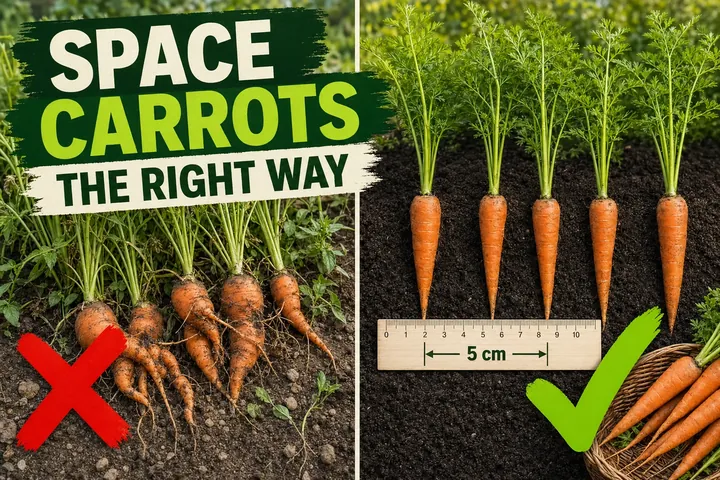
- How far apart to plant carrots without thinning forever — same spacing logic for a totally different root crop.
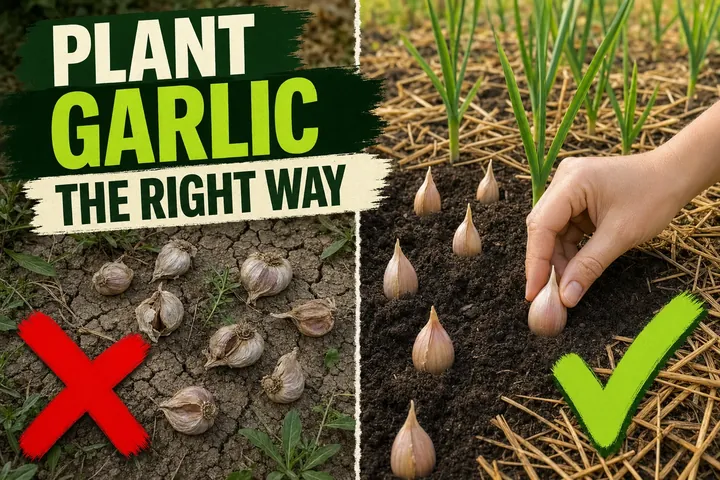
- How to plant garlic cloves the right way up — garlic is a perfect winter neighbour for jalapeño beds.
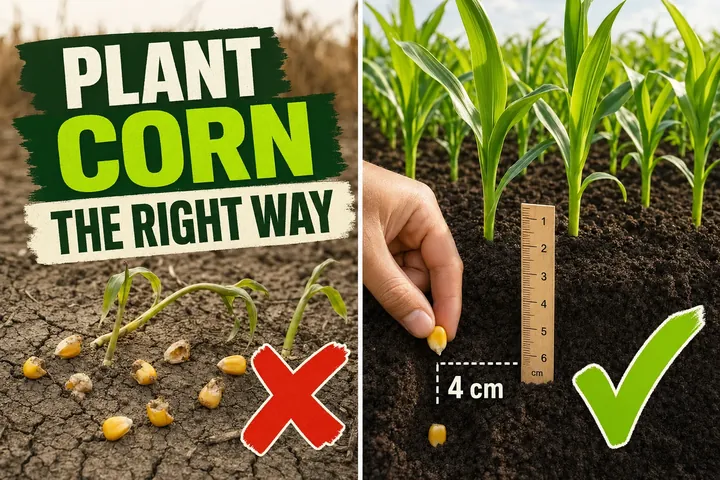
- How deep to plant corn for a strong, wind-proof stand — if you’re planning a salsa garden, your corn spacing matters as much as your peppers.
- How to take care of a rosemary plant without killing it — sun-loving Mediterranean herb that thrives next to peppers in a south-facing bed.
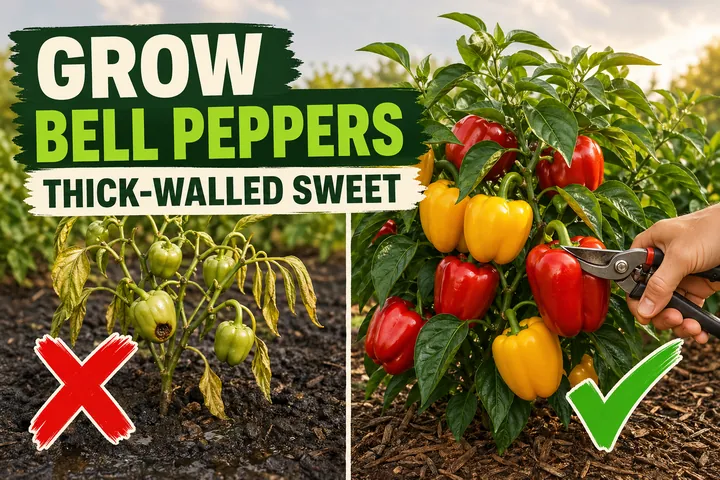
- How to grow bell peppers (thick-walled sweet peppers) — same family as jalapeños, same spacing logic, sweeter fruit.
- Scan the next plant you bring home with the free Tazart plant identifier and let it set up the watering schedule for you.
A note on conditions
Spacing is a starting point, not a rule of physics. Climate, variety, soil quality, sun hours, and how much wind your plot gets all shift the optimum by a few centimetres in either direction. Use the 45 cm (18 in) number as your baseline, watch how the plants behave through the first month, and adjust next season — that’s how every reliable pepper grower dials in their plot.
Highly recommended
The supplies that make this guide work
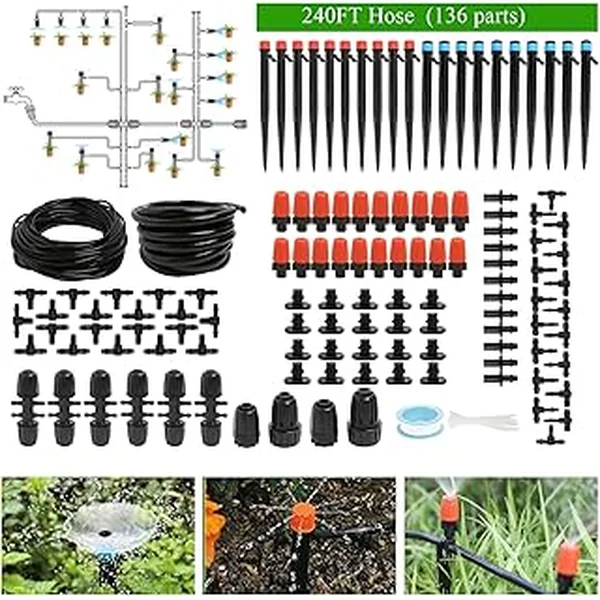
Tazart is an Amazon Associate — we earn from qualifying purchases at no extra cost to you. Thank you for helping us keep these guides free.
Frequently asked questions
How far apart should jalapeños be planted?
Space jalapeño plants 45 cm (about 18 inches) apart, with 60-75 cm (24-30 inches) between rows. That spacing gives each plant enough light, airflow, and root space to produce a full 3-5 kg of peppers across the season.
Can you plant jalapeños close together?
You can plant them as close as 30 cm (12 in) if you're growing them as small bushes for early harvest, but the per-plant yield drops sharply. Below 30 cm (12 in) you'll see stunted plants, more fungal issues from poor airflow, and tiny underdeveloped peppers. 45 cm (18 in) is the sweet spot for a strong crop.
How many jalapeño plants fit in a 5 gallon bucket?
One plant per 20-litre (5-gallon) container. Jalapeños have a deep, fibrous root system and a single mature plant fills a 5-gallon pot completely. Two plants in the same pot will compete for water and nutrients and both will underperform.
What is the row spacing for jalapeños?
Leave 60-75 cm (24-30 inches) between rows in the garden. That's enough room to walk between plants for harvesting, mulch each row, and let air move through the canopy — which is the main defence against fungal disease in humid weather.
Do jalapeños need to be staked?
Most varieties don't strictly need staking, but a single 60 cm (24 in) bamboo stake or a small tomato cage helps once the plant is loaded with fruit. Heavy fruit set late in the season can split branches in wind or storms, especially in containers.
How long do jalapeños take to produce after transplant?
60-80 days from transplant to first harvest. The first peppers are usually ready around 8 weeks after you set the plant in warm soil, and harvest continues until the first frost — often 3-4 months of picking from a single plant.