Edible
How Far Apart to Plant Carrots (Spacing Guide for Big Roots)
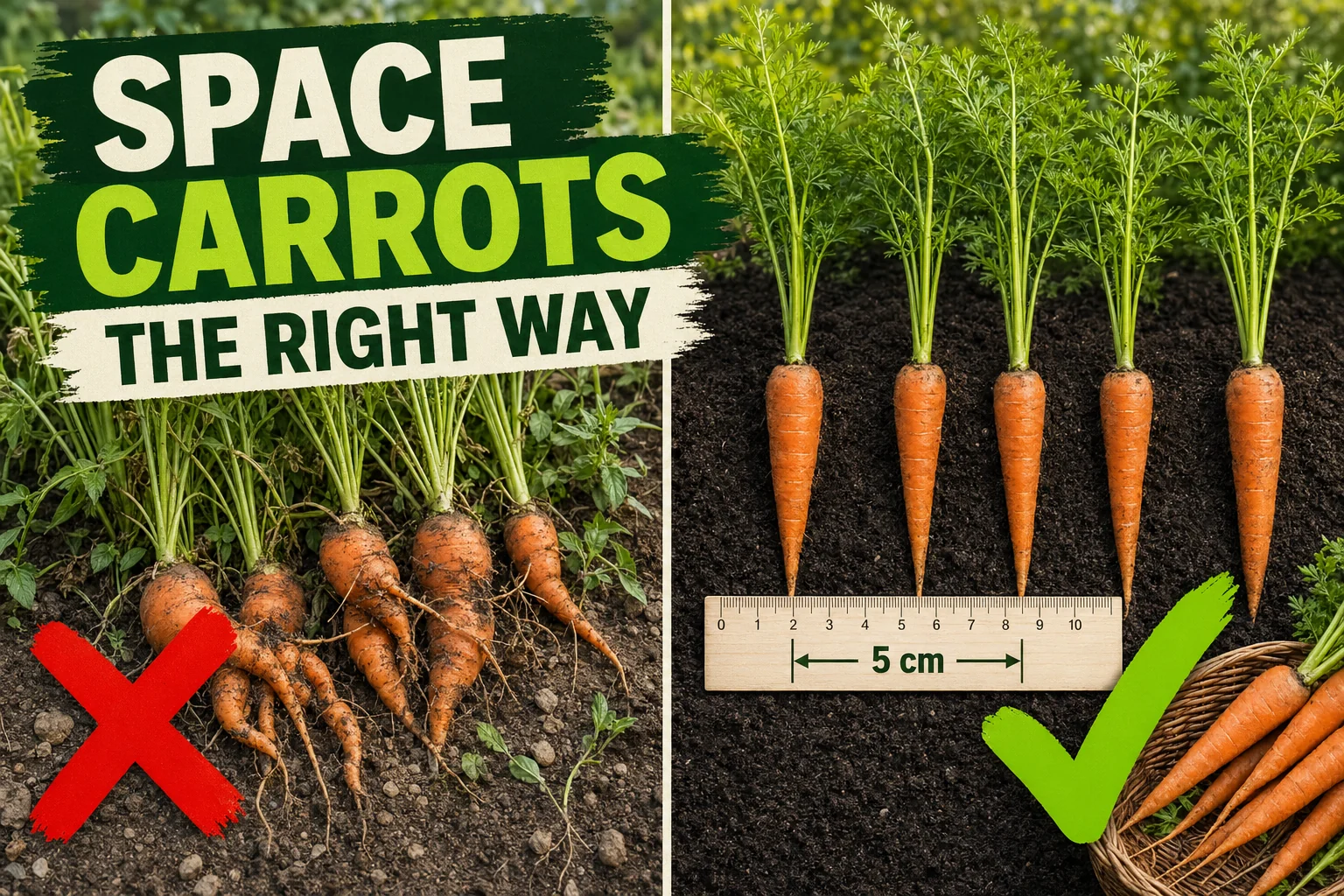
How far apart to plant carrots: thin to 5 cm (2 in) between plants and 30 cm (12 in) between rows. Exact spacing, soil depth, and thinning steps for long, straight roots.
On this page
- Quick answer
- Why spacing matters more than soil for carrots
- Spacing chart by carrot variety
- What you’ll need
- Step-by-step: sowing and spacing carrots correctly
- Care after thinning
- When and how to harvest
- Common mistakes to avoid
- Troubleshooting
- Watch: spacing carrots correctly
- Related reading
- A note on conditions
Watch the visual walkthrough
Watch This BEFORE You Plant Carrots 🥕
A short visual walkthrough that pairs with the steps above.
If your carrots came out short, twisted, or forked last season, the fix isn’t a new seed packet — it’s spacing. Thin carrots to about 5 cm (2 inches) between plants and keep rows 30 cm (12 inches) apart. That single rule does more for carrot size than fertilizer ever will.
This guide covers exactly how far apart to sow, how to thin in stages, what spacing each variety needs, and how to get long straight roots even in average garden soil.
Quick answer
Sow carrot seeds 1–2 cm (0.5–0.75 in) apart in rows 30 cm (12 inches) apart, then thin in two stages: first to 2 cm (0.75 in) between plants when seedlings are 5 cm (2 in) tall, then to a final 5 cm (2 inches) between plants when they reach 10 cm (4 in) tall. Soil should be at least 30 cm (12 in) deep, loose, and stone-free.
Why spacing matters more than soil for carrots
Most “bad carrot” problems get blamed on soil — but in trials, spacing is the bigger lever. Carrots are a taproot crop (Daucus carota), and the root has to push straight down without bumping into a neighbour. When two carrots grow within 1–2 cm (0.5–0.75 in) of each other:
- They steal water and air from each other and stay pencil-thin
- The taproots wrap around each other and fork
- The tops compete for light, so the plant dumps energy into leaves instead of roots
Even mediocre soil grows respectable carrots if the spacing is right. Perfect soil with seeds left at 1 cm (0.5 in) apart still grows stunted, twisted carrots. Thin first, fix soil second.
Spacing chart by carrot variety
| Variety | Plant spacing | Row spacing |
|---|---|---|
| Nantes | 5 cm (2 in) | 30 cm (12 in) |
| Danvers | 7 cm (2.75 in) | 30 cm (12 in) |
| Imperator | 5 cm (2 in) | 45 cm (18 in) |
| Paris Market | 3 cm (1.25 in) | 15 cm (6 in) |
| Chantenay | 7 cm (2.75 in) | 40 cm (16 in) |
Bigger-shouldered varieties (Danvers, Chantenay) need a bit more room between plants. Long Imperator types need wider rows because the foliage is taller and the roots are deeper. Short Paris Market globes can be planted close together — they’re the best choice for shallow beds and containers.
What you’ll need
- Carrot seeds (fresh — carrot seed loses viability fast after 2 years)
- Loose, stone-free soil at least 30 cm (12 inches) deep — root depth + 5 cm (2 in) of headroom
- A board, dowel, or your finger to make a shallow 1 cm (0.5 in) furrow
- Fine sand or used coffee grounds (optional — to mix with seed for even sowing)
- Scissors for thinning
- Mulch (straw, dry grass clippings, or fine compost)
No fertilizer at planting. Fresh nitrogen is one of the main causes of forked carrots.
Step-by-step: sowing and spacing carrots correctly
1. Prepare deep, loose soil
Loosen the soil to at least 30 cm (12 in) deep with a fork. Pick out every stone, root, and hard clod you find — anything bigger than a marble can fork a carrot. If your ground soil is rocky or heavy clay, build a raised bed and fill it with a 50/50 mix of compost and sandy loam.
Don’t add fresh manure or high-nitrogen fertilizer. Carrots planted into rich, freshly-fertilized soil grow huge tops and forked, hairy roots.
2. Sow thinly, 1–2 cm (0.5–0.75 in) apart
Make a 1 cm (0.5 in) deep furrow with the edge of a board. Sow carrot seeds 1–2 cm (0.5–0.75 in) apart along the row. The seeds are tiny — to space them more evenly, mix one teaspoon of seed with two tablespoons of fine sand or used coffee grounds and sprinkle the mix along the furrow.
Cover with 1 cm (0.5 in) of fine soil or sieved compost. Press lightly with your hand so seed makes contact with damp soil.
If you’re planting more than one row, space rows 30 cm (12 inches) apart for standard varieties.
3. Water gently and keep the surface damp
Water with a fine rose or spray bottle so you don’t wash the seeds out. Carrot seeds take 14–21 days to germinate and the soil surface must stay consistently damp the whole time. A dry crust the size of a fingernail can stop germination dead.
A thin layer of damp burlap, dry grass, or a wooden board over the row keeps moisture in. Lift it as soon as you see green threads pushing up.
4. First thin at 5 cm (2 in) tall (to 2 cm (0.75 in) apart)
When the seedlings are about 5 cm (2 in) tall and have their first true feathery leaves, thin to one plant every 2 cm (0.75 in). Don’t pull — snip the extras at soil level with scissors. Pulling tugs on the taproots of the seedlings you’re keeping and is one of the main reasons home carrots fork.
Yes, this feels brutal. It’s the single most important step.
5. Second thin at 10 cm (4 in) tall (to 5 cm (2 in) apart)
Two to three weeks later, when plants are around 10 cm (4 in) tall, thin again to a final spacing of 5 cm (2 in) between plants (7 cm (3 in) for Danvers and Chantenay). The thinnings are baby carrots — wash and eat them.
6. Mulch and succession sow
Once final spacing is set, lay a 2–3 cm (0.75–1 in) mulch of straw, dry grass clippings, or fine compost between the plants. Mulch keeps the shoulders of the carrots covered (no green tops), holds moisture, and shades out weeds.
For a continuous harvest, sow another short row every 3 weeks until 10 weeks before your first frost. This is succession planting — it gives you fresh carrots all summer instead of one giant harvest.
Care after thinning
Once carrots are at final spacing, they need very little attention:
| Task | When |
|---|---|
| Water | Deeply once a week — aim for evenly moist soil to 20 cm (8 in) deep |
| Fertilize | Skip nitrogen. A single low-N feed at week 6 is enough |
| Mulch | Keep 2–3 cm (0.75–1 in) of mulch on shoulders to prevent green tops |
| Weed | By hand only, while weeds are small — hoeing nicks roots |
A free plant care app like Tazart can hold the watering schedule and adjust it for your local weather, which matters for carrots — uneven watering is the #1 cause of split roots later in the season.
When and how to harvest
Carrots are ready 60–80 days from sowing, depending on variety:
- Nantes, Paris Market: 55–65 days
- Danvers, Chantenay: 70–75 days
- Imperator: 75–85 days
Brush soil from the shoulder of one carrot to check the size before pulling the whole row. Loosen the soil with a fork next to the row first, then pull straight up — yanking from compacted soil snaps roots.
Twist off the green tops within an hour of harvest. Tops left on keep pulling moisture out of the root and turn carrots floppy in storage. Unwashed carrots store for 2–4 months in a cold, humid spot.
Common mistakes to avoid
- Sowing seeds too thickly. The most common mistake — and the reason most home-grown carrots are pencil-thin. Sow thinly, then thin twice.
- Skipping (or rushing) thinning. A row that hasn’t been thinned will not produce full-size carrots, no matter how much you water or feed it.
- Planting in heavy or rocky soil. Anything the taproot can’t push through will fork it. Build a raised bed if your ground soil is shallow or stony.
- Adding fresh manure or high-nitrogen fertilizer. Causes lush tops, hairy and forked roots, and poor flavour.
- Letting soil dry then soaking it. Inconsistent watering makes carrots split lengthwise. Aim for steady, even moisture.
- Pulling thinnings instead of snipping. Disturbs the taproots of the carrots you’re keeping.
Troubleshooting
| Symptom | Likely cause | Fix |
|---|---|---|
| Forked or twisted roots | Stones, fresh manure, or carrots too close | Loosen soil deeper, skip fresh fertilizer, thin to full 5 cm (2 in) spacing |
| Stunted, pencil-thin carrots | Crowded — never thinned, or thinned too late | Thin while seedlings are small; next time sow more thinly |
| Hairy carrots with side roots | Excess nitrogen or fresh compost | Use aged compost only; skip nitrogen feeds |
| Green shoulders | Carrot tops exposed to sun | Mulch 2–3 cm (0.75–1 in) over the shoulders, or hill soil up around the row |
| Splitting or cracked roots | Heavy watering after a dry spell | Water deeply once a week, evenly — don’t soak after drought |
| Tough or woody texture | Left in ground too long, especially in heat | Harvest at maturity; in hot climates harvest before midsummer |
Watch: spacing carrots correctly
A short visual walkthrough pairs well with the steps above. If you’re a visual learner, watch a quick tutorial showing the two-stage thinning method, then come back to follow the timing in this guide.
Related reading
- How to plant garlic cloves the right way — another root crop where spacing makes or breaks size.
- How to plant potatoes in a bucket — same “deep loose soil” rule for big roots, in a container.
- How to plant sprouted onions step-by-step — finish the allium-and-roots starter trio.
- How far apart to plant broccoli — full spacing chart for big single heads vs side-shoot harvests.
- Scan the next vegetable you bring home with the free Tazart plant identifier and let it set up the watering schedule for you.
A note on conditions
Every garden is different. Soil depth, summer heat, rainfall, variety, and how thinly you actually sowed all change how fast carrots size up and how often you’ll need to water. Use the spacing numbers above as a strict starting point — the 5 cm (2 in) rule is not negotiable — and adjust watering and harvest timing based on what your row actually does in week six.
Highly recommended
The supplies that make this guide work
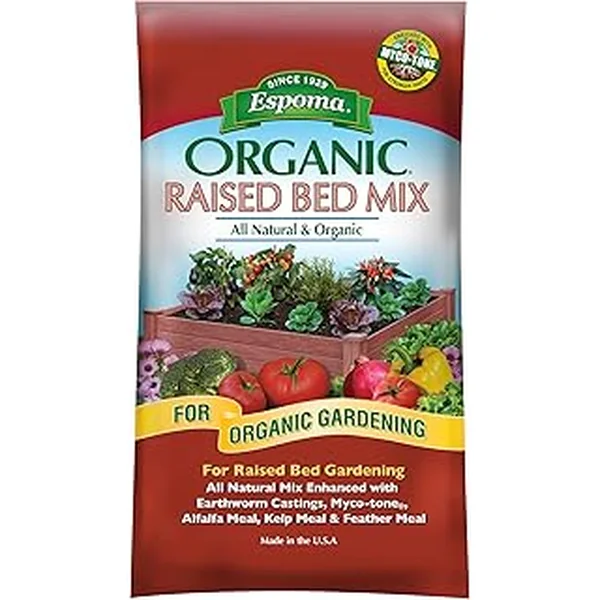

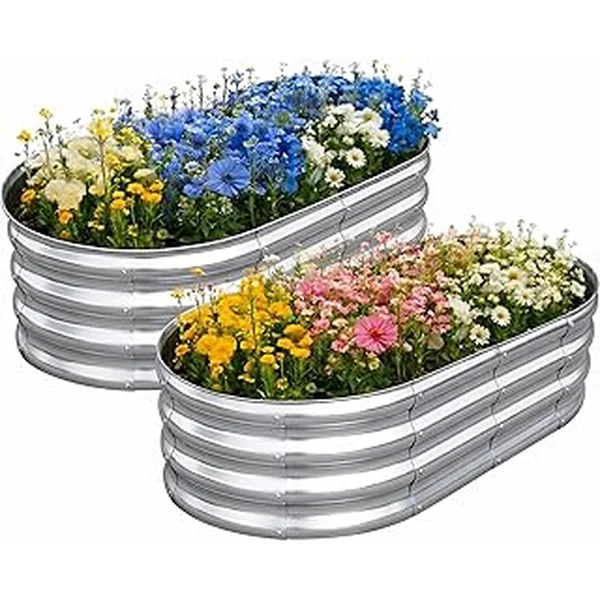
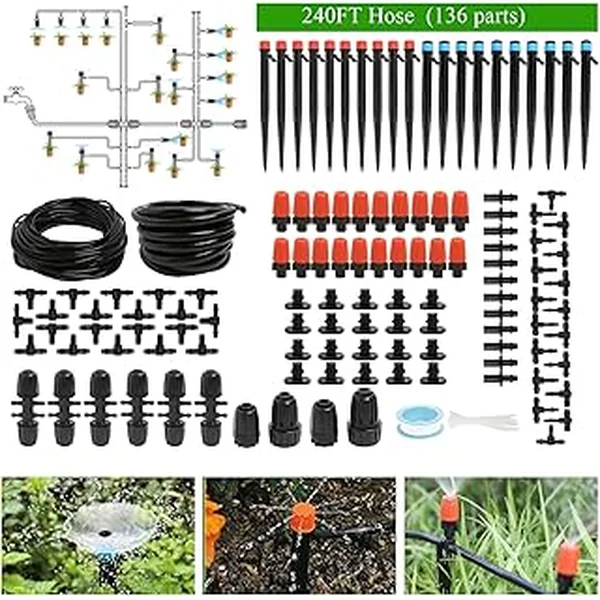
Tazart is an Amazon Associate — we earn from qualifying purchases at no extra cost to you. Thank you for helping us keep these guides free.
Frequently asked questions
How far apart should I plant carrots?
Thin carrots to about 5 cm (2 inches) between plants once they reach 10 cm (4 in) tall, with rows 30 cm (12 inches) apart. Sow seeds thinly at 1–2 cm (0.5–0.75 in) apart and plan to thin in stages — almost no one sows accurately enough the first time, so thinning is part of the job, not a sign you did it wrong.
How far apart to thin carrot seedlings?
Thin in two stages. First thin when seedlings are 5 cm (2 in) tall, leaving 2 cm (0.75 in) between plants. Then thin again at 10 cm (4 in) tall to a final 5 cm (2 in) between plants. Snip the unwanted seedlings at soil level with scissors instead of pulling — pulling disturbs the taproots of the carrots you want to keep.
How far apart should rows of carrots be?
Keep rows 30 cm (12 inches) apart for standard varieties like Nantes, Danvers, or Chantenay. For long Imperator types, 40–45 cm (16–18 in) makes harvesting and weeding easier. In a raised bed grid you can drop row spacing to 15 cm (6 in) if you're willing to harvest younger.
Why are my carrots short and forked?
Forked, stubby, or hairy carrots are almost always caused by one of three things: rocky or compacted soil, too much fresh fertilizer (especially manure), or carrots being left too close together. The taproot splits or twists when it hits an obstacle or has to fight a neighbour for water and air.
Can carrots be planted too close together?
Yes — and it's the most common reason home-grown carrots stay small. Roots that are crowded compete for water and air and end up tangled around each other. Carrot seeds are tiny so they almost always come up too thick. Thinning isn't optional; it's how you get full-size carrots.
How deep does soil need to be for carrots?
Aim for at least 30 cm (12 inches) of loose, stone-free soil for standard varieties, and 40 cm (16 in) for long Imperator types. If your ground soil is shallow or rocky, grow short varieties like Paris Market or Chantenay, or build a raised bed and fill it with sandy loam.