Flowers
How Deep to Plant Gladiolus Bulbs (Corms) for Tall Strong Spikes
How deep to plant gladiolus bulbs? Bury them 10–15 cm (4–6 in) deep, pointed-side up, 15 cm (6 in) apart. Full depth chart, spacing, and bloom timing inside.
On this page
Watch the visual walkthrough
Gladiolus // How to Plant, Grow, Harvest, and Store Gladiolus Corms// Northlawn Flower Farm
Gladiolus are grown from corms, and the corm contains all the necessary food and energy to produce a glorious flower spike with ...
Most gladiolus problems trace back to one simple thing: the corms were planted too shallow. A gladiolus spike can hit 1.2 to 1.5 metres tall, and if the base of the plant only has 5 cm (2 in) of soil holding it down, it will flop the moment the buds open.
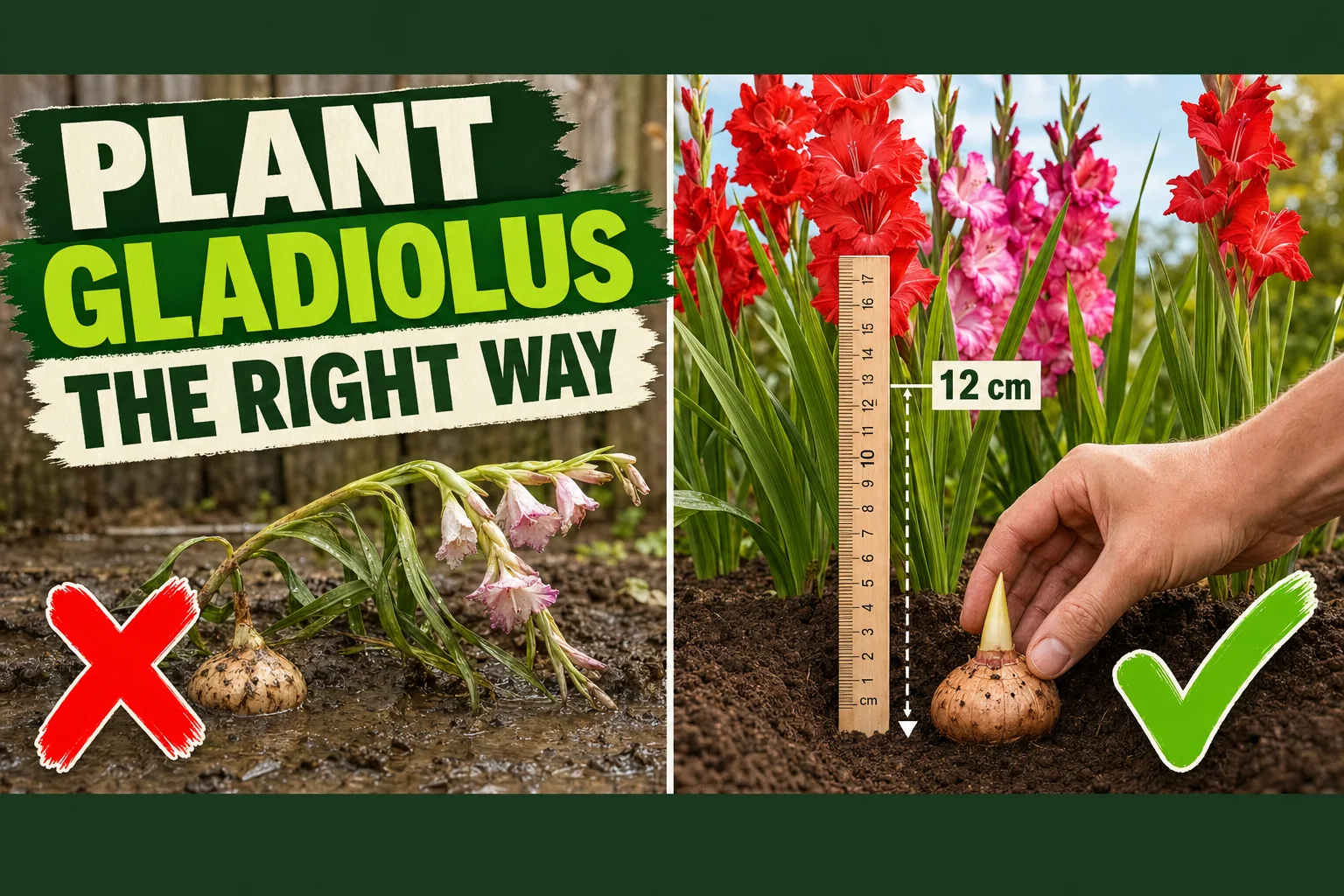
The fix is depth. Gladiolus are corms (not true bulbs), and the rule of thumb is to plant them about four times the height of the corm — which works out to 10 to 15 cm (6 in) deep for almost every grade you’ll buy. Here’s the exact chart, the right way to orient the corm, and how to keep blooms coming all summer.
Quick answer
Plant gladiolus corms 10–15 cm (4–6 inches) deep, pointed-side up, 15 cm (6 in) apart, in full sun and well-drained soil. The rule of thumb is roughly 4× the height of the corm. Plant after your last frost date, and stagger plantings every two weeks until midsummer for continuous bloom. Expect spikes to flower 70–100 days after planting.
Are they bulbs or corms?
Both words are everywhere, so it’s worth a 30-second answer: gladiolus grow from corms, not bulbs.
A true bulb (tulip, onion, daffodil) is a packet of fleshy modified leaves wrapped around a bud — slice it open and you can see the rings. A corm is a solid, swollen section of stem with a growth point on top. Each season the old corm shrivels away and a brand-new corm forms right above it, sometimes with tiny offset corms (called cormels) clinging to the side.
Functionally it doesn’t change how you plant them. But it does explain why a single gladiolus corm gets bigger and stronger every year if you dig and store it properly — you’re not replanting the same corm, you’re replanting its larger child.
Depth chart by corm size
Gladiolus corms are sold by grade, which is just the diameter measured across the widest part. Bigger corms have stored more energy, throw taller spikes, and want to sit a little deeper.
| Corm grade | Diameter | Plant depth | Expected bloom height |
|---|---|---|---|
| Jumbo | 4 cm (1.5 in) and up | 15 cm (6 inches) | 1.4–1.5 m |
| Standard | ~3 cm (1 in) | 12 cm (5 inches) | 1.1–1.2 m |
| Medium | ~2 cm (0.75 in) | 10 cm (4 inches) | ~1 m |
| Small | ~1.5 cm (0.5 in) | 8 cm (3 inches) | 70–80 cm (28–31 in) |
If you don’t know the grade, measure the corm’s height (top to bottom, not across) and multiply by four. That’s your hole depth.
What you’ll need
- Firm, plump gladiolus corms with no soft spots, mould, or shrivelling
- A sunny bed with at least 6 hours of direct sun per day
- Loose, well-drained soil — heavy clay rots corms; mix in compost or grit if needed
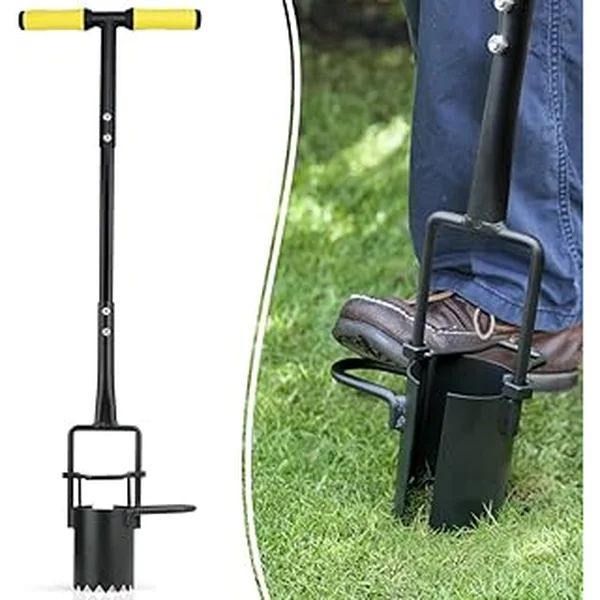
- A trowel or bulb planter
- A wooden ruler or your trowel marked at 10 cm (4 in) and 15 cm (6 in)
- Stakes (for jumbo and standard varieties)
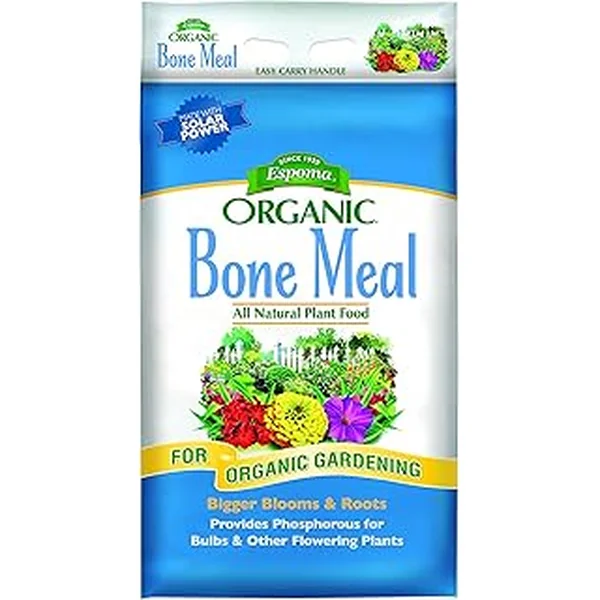
- Optional: balanced granular fertilizer or bone meal
That’s the entire kit. Glads are forgiving once they’re at the right depth in the right soil.
Step-by-step: planting gladiolus corms
1. Pick firm, healthy corms
A good corm feels heavy for its size and squeezes solid like a small potato. Skip any that are:
- Soft or squishy on the bottom (rot)
- Fuzzy with white or blue-green mould
- Shrivelled and lightweight (dried out beyond saving)
- Showing dark sunken patches (fungal scab)
Cormels — the tiny pea-sized offsets — can be planted 3 cm (1 in) deep in a separate row to grow on; they’ll usually flower in their second or third season.
2. Prep loose, well-drained soil
Loosen the bed to at least 25 cm (10 in) deep with a fork. Mix in a generous handful of compost per square metre. If your soil is heavy clay, also work in a few handfuls of horticultural grit — gladiolus corms sit underground for months and waterlogged soil rots them faster than anything else.
A balanced granular fertilizer or bone meal worked into the bottom of the planting hole is optional but pays off for cut-flower production.
3. Dig the hole to the right depth
Use the depth chart above. For a standard 3 cm (1 in) corm, that’s 12 cm (4.5 in) from the top of the corm to the soil surface — so the bottom of your hole should be roughly 14–15 cm (5.5–6 in) down to leave room for the corm itself.
If you’re planting a row, a trench is faster than individual holes: dig a straight 12 cm (4.5 in)-deep trench, set corms along it, then backfill once.
4. Place the corm pointed-side up
The pointed (slightly bumpy) top is where the shoot will come out. The flat or concave bottom — often with a small dimple from last season’s roots — goes down.
If a corm genuinely has no obvious top, plant it sideways. The shoot will curve around and reach the surface within about a week, just a few days slower than a correctly oriented corm.
5. Space corms about 15 cm (6 in) apart
Set corms 15 cm (6 in) apart in all directions. For cut-flower rows, you can drop spacing to 10–12 cm (4–4.5 in) to fill in faster, but expect slightly thinner spikes. For exhibition-size blooms, push to 20 cm (8 in) and stake each one.
6. Backfill and water in
Cover with loose soil, firm it with the back of your hand (don’t stomp), and water thoroughly so the soil settles around the corm. Then stop watering until you see green shoots emerge in 2–3 weeks. A buried corm in cool damp soil with no leaves to transpire is the #1 setup for rot.
Care after planting
Once the shoots are up, gladiolus are low-maintenance. Three things matter:
For the full step-by-step walkthrough from soil prep through staking, the gladiolus bulb planting guide is the companion reference to this depth guide.
| Task | When |
|---|---|
| Water | About 2–3 cm (0.75–1 in) per week once shoots are 15 cm (6 in) tall, more in heat |
| Stake | When shoots reach 50 cm (20 in) — before the spike gets top-heavy and flops |
| Fertilize | One feed of balanced fertilizer when shoots are ~25 cm (10 in) tall |
Stake every jumbo and standard gladiolus, even in a sheltered garden — a single thunderstorm can lay an unstaked row flat in five minutes. A simple bamboo cane and one loose tie at the top of the leaves is enough.
A free plant care app like Tazart can hold the watering and staking reminders for you and adjust them to your local weather, which is genuinely useful when you’re succession-planting glads every two weeks across a long bed.
When you’ll see blooms
Plan on 70 to 100 days from planting to first open flower. The variation comes from corm size, variety, and how warm your spring is:
- Jumbo corms in warm soil → ~70 days
- Standard corms in average conditions → ~80–90 days
- Small corms or a cool spring → up to 100 days
For continuous flowering, plant a fresh batch every two weeks from your last frost date until about 90 days before your first autumn frost. That gives you spikes opening from early summer right through to the first cool nights.
Storing for next year
In USDA zones 8 and warmer, you can usually leave gladiolus corms in the ground over winter with a deep mulch. In zones 7 and colder, dig them or lose them.
The drill:
- After the first light frost yellows the leaves, cut the foliage back to ~3 cm (1 in) above the corm.
- Lift each clump with a fork. Shake off loose soil; don’t wash them.
- Cure them in a single layer in a warm, dry, airy spot for 2 weeks. The papery husks will dry and tighten.
- Snap off the old shrivelled mother corm from the bottom of the new one. Save the cormels separately if you want to grow more.
- Store in a labelled mesh bag or paper sack at 5–10 °C (41–50°F) in a dry spot — a cool basement, garage, or unheated cupboard.
Check stored corms once a month and pull any that have gone soft or mouldy.
Common mistakes to avoid
- Planting too shallow. A corm at 5 cm (2 in) will sprout, but the spike has nothing to hold it up and will flop the moment it blooms. Use the 4× height rule.
- Planting before the last frost. Gladiolus shoots are tender; a late frost will kill them outright. Wait until soil is reliably above 10 °C (50°F).
- Soggy soil. Gladiolus corms rot in waterlogged ground faster than almost any other summer bulb. Add grit to clay soil before planting.
- Forgetting to stake. Jumbo varieties at 1.4 m+ are top-heavy and a single storm can snap the stems. Stake at 50 cm (20 in) tall, before they need it.
- Leaving corms in cold ground. In zones colder than 8, an undug corm will freeze and turn to mush. Dig and store every autumn.
- Planting only once in spring. A single planting flowers for ~2 weeks. Stagger every 14 days for continuous bloom right through summer.
Troubleshooting
| Symptom | Likely cause | Fix |
|---|---|---|
| Spike flops over before blooming | Planted too shallow, or unstaked | Replant deeper next season; stake when shoots hit 50 cm (20 in) |
| Corms never sprout | Rot from cold wet soil, or non-viable corms | Lift and inspect — soft = compost; replant viable ones in drier, warmer soil |
| Tall thin leaves but no flower spike | Too much shade, or corm was too small | Move to full sun next year; plant grade ≥ 2 cm (0.75 in) corms for reliable bloom |
| Yellow streaks on leaves | Thrips or virus | Treat with insecticidal soap; discard any clearly virused plants — don’t compost |
| Brown sunken spots on stored corms | Fungal rot during storage | Cure for the full 2 weeks before bagging; store at 5–10 °C (41–50°F) in dry mesh, not plastic |
| Lots of leaves, only small blooms | Corm was a small grade, or overcrowded | Use jumbo/standard corms next year; respect 15 cm (6 in) spacing |
Watch: planting gladiolus corms
If you’re a visual learner, a short clip pairs well with the steps above. Search for How to plant gladiolus corms at the right depth on YouTube and watch someone measure 12 cm (4.5 in) with a ruler before they drop the corm — once you see it, the rule of thumb sticks for life.
Related reading
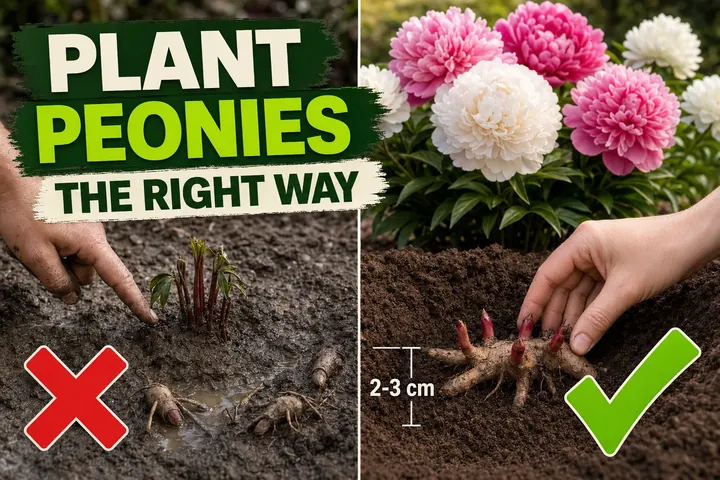
- How to plant peony bulbs (the right depth makes or breaks them) — peonies are the opposite story: plant them too deep and they sulk for years.
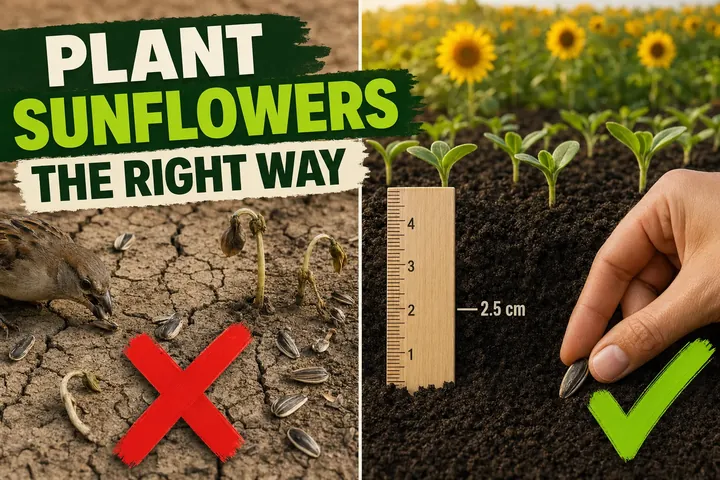
- How deep to plant sunflower seeds — another tall-stemmed flower where depth and staking decide the outcome.
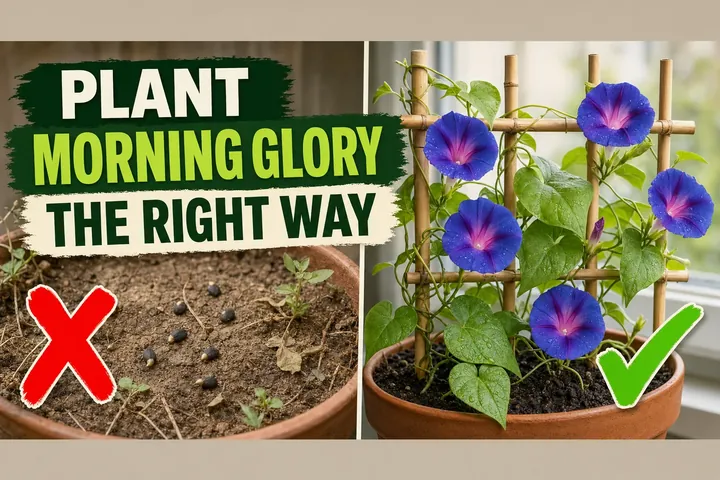
- How to plant morning glory seeds — pair fast-climbing morning glories with gladiolus for a layered cut-flower bed.
- Azalea plant care (acid-loving beauty done right) — for the spring-flowering anchor of a flower garden where gladiolus bring the summer-into-autumn colour.
- Set up depth, watering and staking reminders for the rest of your garden with the free Tazart plant care app — it’ll keep an eye on your succession plantings so you don’t have to.
A note on conditions
Every garden is different. Soil texture, drainage, your USDA zone, the size and grade of your corms, and how cold or warm your spring runs all change how deep you should go and how long you’ll wait for the first spike. Use the chart as a starting point, watch what your first batch does, and adjust the next succession planting from there — that’s how every cut-flower grower dials in their patch.
Highly recommended
The supplies that make this guide work
Tazart is an Amazon Associate — we earn from qualifying purchases at no extra cost to you. Thank you for helping us keep these guides free.
Frequently asked questions
How deep should you plant gladiolus bulbs?
Plant gladiolus 10–15 cm (4–6 inches) deep, measured from the top of the corm to the soil surface. The rule of thumb is roughly four times the height of the corm. Jumbo corms (4 cm (1.5 in)+ across) go deepest at 15 cm (6 in), standard 3 cm (1 in) corms at 12 cm (4.5 in), and smaller 2 cm (0.75 in) corms at 10 cm (4 in). Deeper planting gives the spike anchorage so it doesn't flop when it's heavy with blooms.
Which way is up on a gladiolus corm?
The pointed end goes up. That's where last year's leaves came out and where this year's shoot will emerge. The flat, slightly concave side with the old root scar goes down. If you can't tell, plant the corm sideways — the shoot will still find its way up, it'll just take a few extra days.
Are gladiolus bulbs or corms?
They're corms, not true bulbs. A bulb is a stack of fleshy leaves around a bud (think onion). A corm is a solid swollen stem base that the plant uses up over the season and replaces with a brand-new corm on top by autumn. Most catalogs still call them 'bulbs' because shoppers search for that word — but technically every gladiolus is a corm.
How long do gladiolus take to bloom from a corm?
About 70 to 100 days from planting to first bloom, depending on corm size, variety, and warmth. Jumbo corms in warm soil flower closer to 70 days; smaller corms or cool springs push it toward 100. Plant a fresh batch every two weeks until midsummer for non-stop spikes.
How far apart should gladiolus bulbs be planted?
Space corms about 15 cm (6 inches) apart in rows or clusters. Tighter spacing (10–12 cm (4–4.5 in)) gives a denser cut-flower look but reduces individual spike size. Wider spacing (20 cm (8 in)) is fine for show blooms but you'll need stakes for each one.
Should you soak gladiolus corms before planting?
It's optional. A 1–2 hour lukewarm-water soak just before planting can speed sprouting by a few days, especially for stored corms that have dried out. Don't soak overnight — corms left wet too long can rot. If your corms are firm and plump, you can plant them dry without any loss.