Edible
How Deep to Plant Corn (Seed Depth and Spacing Made Simple)
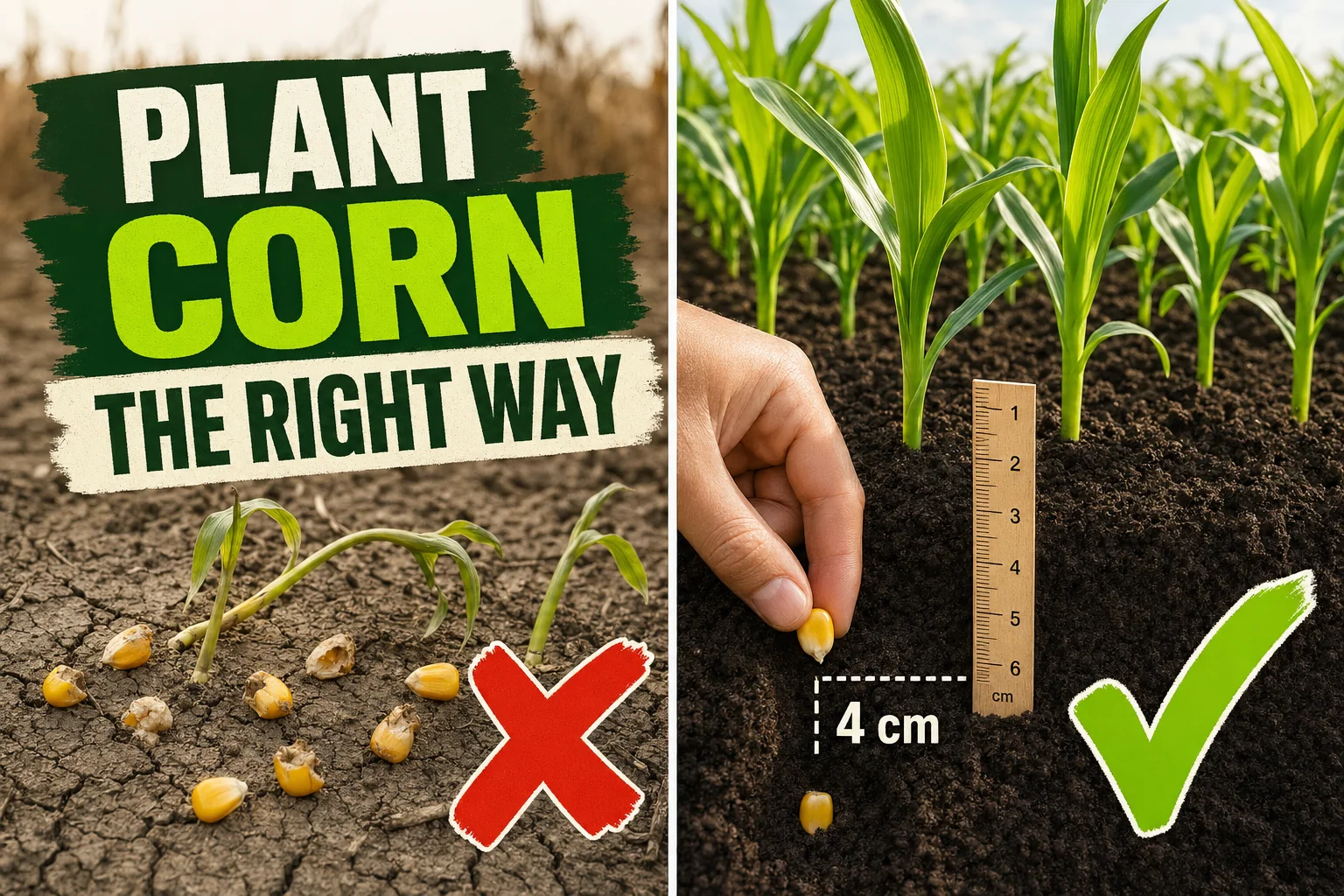
Plant corn 2.5 cm (1 in) deep in cool spring soil and 4–5 cm (1.5–2 in) in warm summer soil. Space 25–30 cm (10–12 in) apart in 4×4 blocks for pollination.
On this page
- Quick answer
- Why depth changes by season
- Why corn must be planted in blocks
- Depth and spacing chart
- What you’ll need
- Step-by-step: planting corn correctly
- Care after planting
- When you’ll harvest
- Common mistakes to avoid
- Troubleshooting
- Watch: planting corn the right way
- Related reading
- A note on conditions
Watch the visual walkthrough
Your Corn Will LOVE You For This: 4 Tips to Grow Corn Like A Pro!
In this video, I share 4 tips to grow corn like a pro in your backyard garden. Growing corn can be difficult in small gardens, and I ...
How deep you plant corn depends almost entirely on your soil. In cool, moist spring soil, kernels go in shallow — about 2.5 cm (1 in) — so they can warm up and germinate quickly. In warm, dry summer soil, you push them deeper — 4 to 5 cm (2 in) — to reach steady moisture before they sprout.
Depth is only half the story. Corn is wind-pollinated, so it has to be planted in a square block of at least 4 rows × 4 plants. Plant a single long row and most cobs will come out empty. This guide covers exact depth, spacing, soil temperature, and the block layout that actually fills out the ears.
Quick answer
Plant corn 2.5 cm (1 in) deep in cool, moist spring soil and 4–5 cm (1.5–2 in) deep in warm, dry soil. Space seeds 25–30 cm (10–12 in) apart in the row, with rows 75 cm (30 in) apart. Always plant in a block of at least 4 rows × 4 plants so wind-driven pollen can reach the silks. Wait until soil temperature is at least 15 °C (59°F) before sowing.
Why depth changes by season
Corn (Zea mays) is a warm-season crop, but the soil it goes into is rarely the same from one planting to the next.
- Cool, moist soil (early spring): plant 2.5 cm (1 in) deep. Shallower planting puts the kernel close to the surface where the soil warms fastest. Moisture is already there, so the seed doesn’t need to be buried deep to find it.
- Warm, dry soil (late spring / summer): plant 4–5 cm (1.5–2 in) deep. The top 2 cm (0.75 in) of soil dries out fast in heat, and a shallow kernel will dehydrate before it germinates. Deeper planting reaches consistent moisture.
If you’re not sure, dig down 5 cm (2 in) with your finger. If the soil is cool and damp, plant shallow. If it’s warm and crumbly-dry, plant deeper.
Why corn must be planted in blocks
This is the single biggest mistake home gardeners make.
Corn pollen is produced at the tassel at the top of the plant. It falls down with the wind and has to land on the silks coming out of each ear. Every silk is connected to one kernel. Pollen that doesn’t land on a silk = a kernel that never forms = an empty spot on the cob.
In a long single row, most pollen blows sideways into nothing. In a square block, every plant has neighbours upwind in multiple directions, so pollen has many chances to land on a silk. Minimum: 4 rows × 4 plants. Bigger is better.
Depth and spacing chart
| Variety | Seed depth | Plant spacing | Row spacing | Block size |
|---|---|---|---|---|
| Sweet corn | 2.5–5 cm (1–2 in) | 25 cm (10 in) | 75 cm (30 in) | 4×4 minimum |
| Popcorn | 2.5–4 cm (1–1.5 in) | 25–30 cm (10–12 in) | 75 cm (30 in) | 4×4 minimum |
| Dent / field corn | 2.5–5 cm (1–2 in) | 25 cm (10 in) | 75 cm (30 in) | 4×4 minimum |
Use the shallow end of the depth range in cool moist soil, and the deeper end in warm dry soil.
What you’ll need
- Corn seed of a single variety (don’t mix sweet and dent in one block — they cross-pollinate and ruin sweetness)
- Loose, well-drained garden soil with full sun (6+ hours direct light)
- Soil thermometer
- Trowel or hoe to make 4–5 cm (1.5–2 in) furrows
- Compost or aged manure worked into the bed before sowing
- Balanced granular fertilizer with nitrogen for side-dressing later
Step-by-step: planting corn correctly
1. Wait for soil temperature ≥ 15 °C (59°F)
Push a soil thermometer 5 cm (2 in) into the bed at 9 a.m. for three days in a row. If readings stay at or above 15 °C (59°F), you’re clear to sow. Cooler than that and kernels will rot before they germinate.
2. Prepare the bed
Loosen the soil to a depth of 20 cm (8 in). Mix in a 5 cm (2 in) layer of compost or aged manure across the whole block. Rake flat. Corn is a heavy feeder — the better the bed, the better the cobs.
3. Mark out a block of 4×4 minimum
Measure out a square at least 4 rows × 4 plants. Rows are 75 cm (30 in) apart. Within each row, kernels go every 25–30 cm (10–12 in). A 4×4 block needs roughly 3 m × 1 m of space.
4. Sow 2 kernels per hole at the right depth
Use your finger or a dibber to make a hole at each spacing point. Drop 2 kernels per hole at:
- 2.5 cm (1 in) deep in cool moist soil, or
- 4–5 cm (1.5–2 in) deep in warm dry soil
Cover with loose soil and firm it gently. Two seeds per hole is insurance against poor germination — you’ll thin to one later.
5. Thin to the strongest seedling
Once seedlings are 10 cm (4 in) tall, snip the weaker one in each pair at soil level with scissors. Don’t pull it — that disturbs the roots of the one you’re keeping. You should now have one strong seedling every 25–30 cm (10–12 in).
6. Water in deeply
Water the whole block thoroughly right after sowing so the soil around every kernel is evenly moist. Keep the bed moist (not soggy) until you see green sprouts in 7–10 days.
Care after planting
Corn looks tall and sturdy, but it’s needy. Three jobs do most of the work.
| Task | When |
|---|---|
| Water deeply | About 1 inch (2.5 cm (1 in)) per week — non-negotiable during silking |
| Side-dress nitrogen | Once at knee-high (~30 cm (12 in)) and again at chest-high (~60 cm (24 in)) |
| Hill the stems | Mound soil 10 cm (4 in) up around the base when 30 cm (12 in) tall, for stability |
A free plant care app like Tazart can hold the watering schedule for you, adjust it for your local weather, and remind you to side-dress nitrogen at the right growth stage — useful when a corn block has 16+ plants on the same clock.
Watch out for raccoons in the week before harvest — they will strip a block overnight. A radio left on at night or a low electric fence works.
When you’ll harvest
Corn matures fast in summer heat:
- Sweet corn: 60–90 days from sowing
- Popcorn / dent / field corn: 90–100+ days from sowing
The cob is ready when:
- The silks at the top have turned brown and dry
- The cob feels plump and full when you squeeze it through the husk
- A kernel pierced with your fingernail releases milky liquid (clear = too early, doughy = too late)
Snap cobs downward and twist — they should pop off cleanly.
Common mistakes to avoid
- Planting in cold soil. Below 15 °C (59°F), kernels rot. Wait it out.
- Single-row planting. No matter how long the row, pollination fails. Block-plant a minimum 4×4.
- Planting too shallow in dry weather. A 2.5 cm (1 in) depth in hot dry soil bakes the kernel. Go to 4–5 cm (1.5–2 in).
- Skipping nitrogen side-dressing. Corn yellows from the bottom up when starved. Feed at knee-high and chest-high.
- Mixing sweet and dent in one block. Cross-pollination turns sweet corn starchy. Plant one variety per block, or stagger by 2+ weeks.
- Ignoring three-sisters spacing. Adding beans and squash too close to small seedlings smothers them. Sow companions only after the corn is 15 cm (6 in) tall.
Troubleshooting
| Symptom | Likely cause | Fix |
|---|---|---|
| Few or no kernels emerging | Soil below 15 °C (59°F) or kernels rotted | Re-sow when soil hits 15 °C (59°F) consistently |
| Gappy block (some seedlings missing) | Old seed or birds | Re-sow gaps within 1 week; cover with row cover until sprouted |
| Plants tipping over in wind | Roots not anchored / planted too shallow | Hill 10 cm (4 in) of soil around the base at 30 cm (12 in) tall |
| Empty or half-filled cobs | Poor pollination from single-row layout | Always plant a 4×4 minimum block; hand-pollinate if it’s too late |
| Stripped cobs near harvest | Raccoons or deer | Low electric fence or motion-activated sprinkler in the final week |
| Grey-black galls on cobs (corn smut) | Fungal infection in warm wet weather | Remove and bin (don’t compost) infected ears; rotate next year |
Watch: planting corn the right way
A short visual walkthrough makes the depth and block layout click. If you’re a visual learner, watch a quick tutorial like How to Plant Corn at the Right Depth on YouTube, then come back to follow the spacing in this guide.
Related reading
- How far apart to plant jalapeños — the same “block, not single row” logic applies for steady pollination of pepper rows next to your corn.
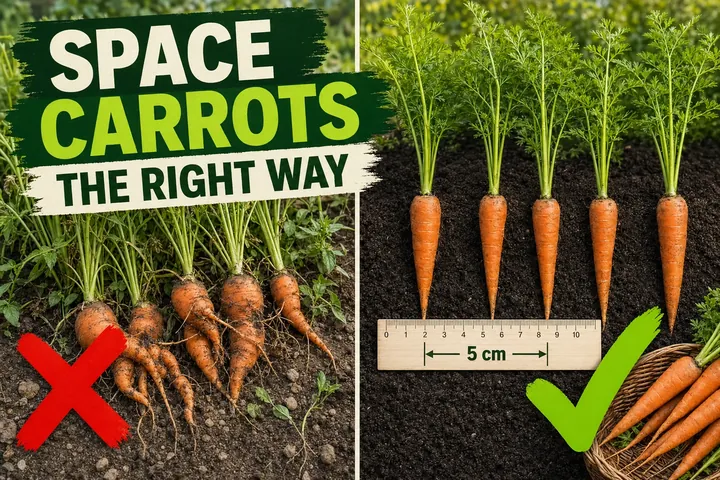
- How far apart to plant carrots — exact in-row spacing matters even more for root crops than for corn.
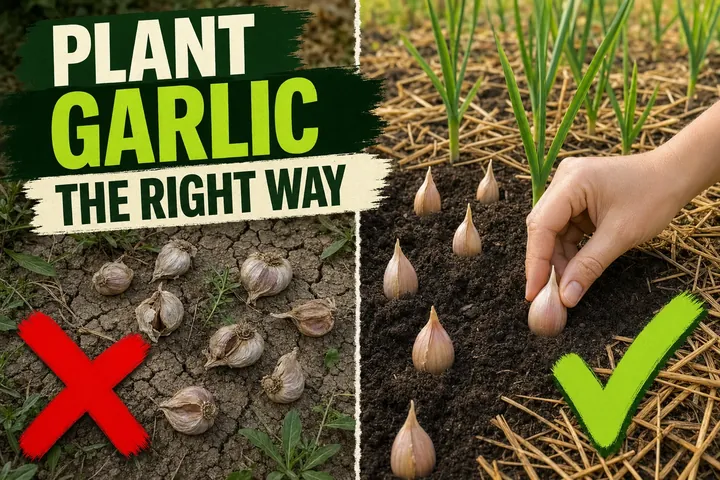
- How to plant garlic cloves — a great fall follow-up to plant in the bed once your corn block comes out in late summer.
- Scan the next plant you bring home with the free Tazart plant identifier and let it set up the watering and side-dressing schedule for you.
A note on conditions
Every garden is different. Soil texture, rainfall, daytime heat, wind exposure, variety, and your planting date all change how deep to sow, how often to water, and when the cobs will be ready. Use the depths and spacing above as a starting point and adjust based on what your block actually does in week two — that’s how every good corn grower learns.
Highly recommended
The supplies that make this guide work

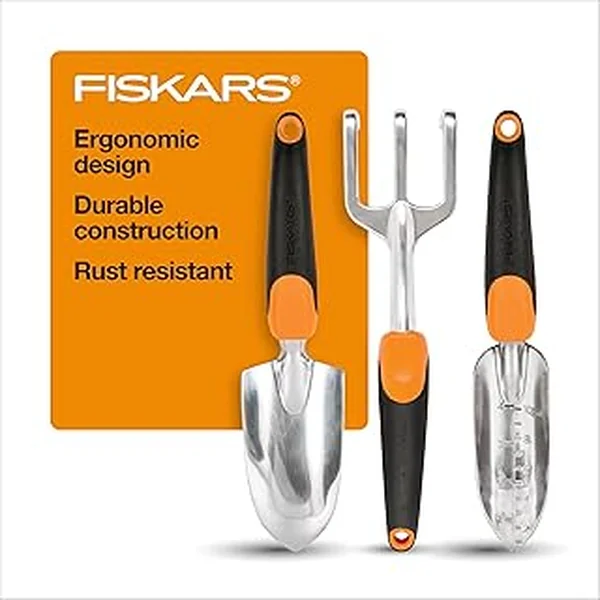
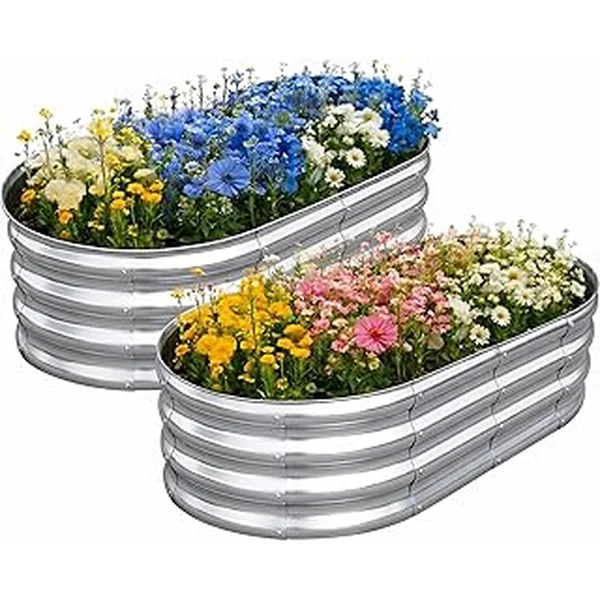
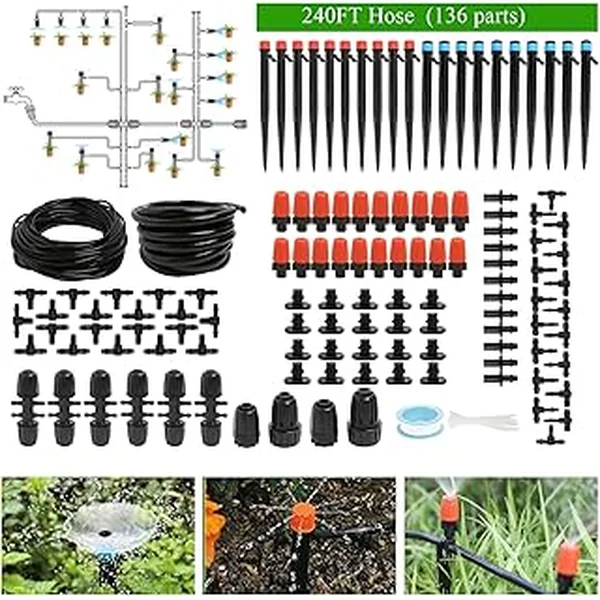
Tazart is an Amazon Associate — we earn from qualifying purchases at no extra cost to you. Thank you for helping us keep these guides free.
Frequently asked questions
How deep should I plant corn seeds?
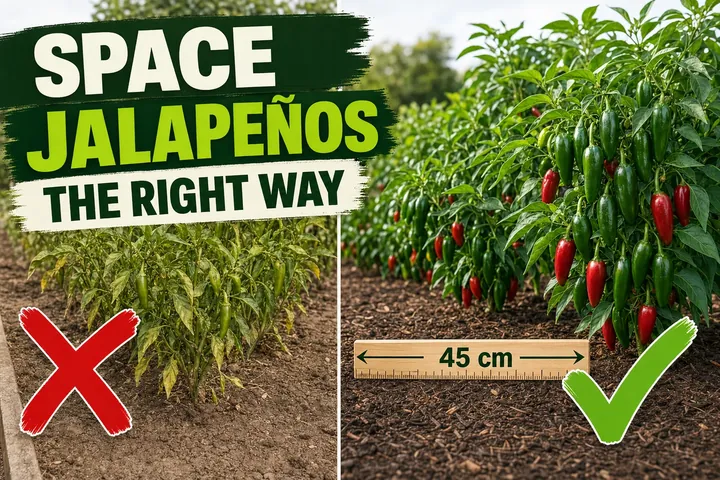
Plant corn 2.5 cm (1 in) (1 inch) deep in cool, moist spring soil, and 4–5 cm (1.5–2 inches) deep in warm, dry summer soil. The deeper depth in summer pulls the kernel down to consistent moisture so it doesn't dry out before germinating.
How far apart should corn be planted?
Space corn seeds 25–30 cm (10–12 inches) apart within the row, with rows 75 cm (30 inches) apart. Most importantly, plant in a square block of at least 4 rows × 4 plants — corn is wind-pollinated and a single long row produces empty cobs.
Why does corn need to be planted in a block?
Corn is wind-pollinated. Pollen falls from the tassels at the top of the plant and must land on the silks of nearby ears. In a single row, most pollen blows past instead of onto the silks, so kernels never form. A 4×4 block (or larger) gives pollen multiple plants to land on, filling out every cob.
What soil temperature does corn need to germinate?
Corn needs a soil temperature of at least 15 °C (59°F) to germinate reliably. Below that, kernels sit and rot. Use a soil thermometer 5 cm (2 in) down at 9 a.m. for an honest reading — air temperature is not the same as soil temperature.
Can you plant corn in a single row?
You can, but you shouldn't. A single row of corn pollinates badly because the wind carries pollen away from the silks. You'll get tall plants and mostly empty or half-filled cobs. Always plant a minimum block of 4 rows × 4 plants for proper pollination.
How long does corn take to grow from seed?
Sweet corn takes about 60–90 days from seed to harvest, while dent and field corn varieties take 90–100+ days. The cob is ready when the silks turn brown and a kernel pierced with your fingernail releases milky juice.