Edible
How Deep to Plant Basil Seeds (Shallow Is the Rule)
Plant basil seeds just 6 mm (¼ in) deep — barely covered with soil. Basil needs light to germinate, so burying seeds deeper stalls or kills them. Full indoor and outdoor
On this page
- Quick answer
- Why shallow planting matters: the light requirement
- Indoor seed starting depth and method
- Outdoor direct sow depth
- Soil preparation before sowing
- Germination temperature
- Watering after sowing
- Thinning seedlings
- Transplanting indoor seedlings outdoors
- Common mistakes to avoid
- Troubleshooting
- Related reading
- A note on conditions
Watch the visual walkthrough
Growing BASIL 101 | Herb Gardening Tips and Tricks
WHERE TO FIND US (Some of the links here are affiliate links. If you purchase through our links we'll receive a small commission ...
Basil seeds are tiny and surprisingly fussy about depth. Bury them too deep and the light signal they need to sprout never arrives. Place them on top of bare soil and they dry out before rooting. The correct depth — 6 mm (¼ in) — is shallower than almost every other common herb or vegetable seed, and getting it right is the whole game.
This guide covers the exact sowing depth for indoor seed-starting trays and outdoor direct sow, why the light requirement matters, and the full germination routine that gives you sturdy basil seedlings ready to pot up.
Quick answer
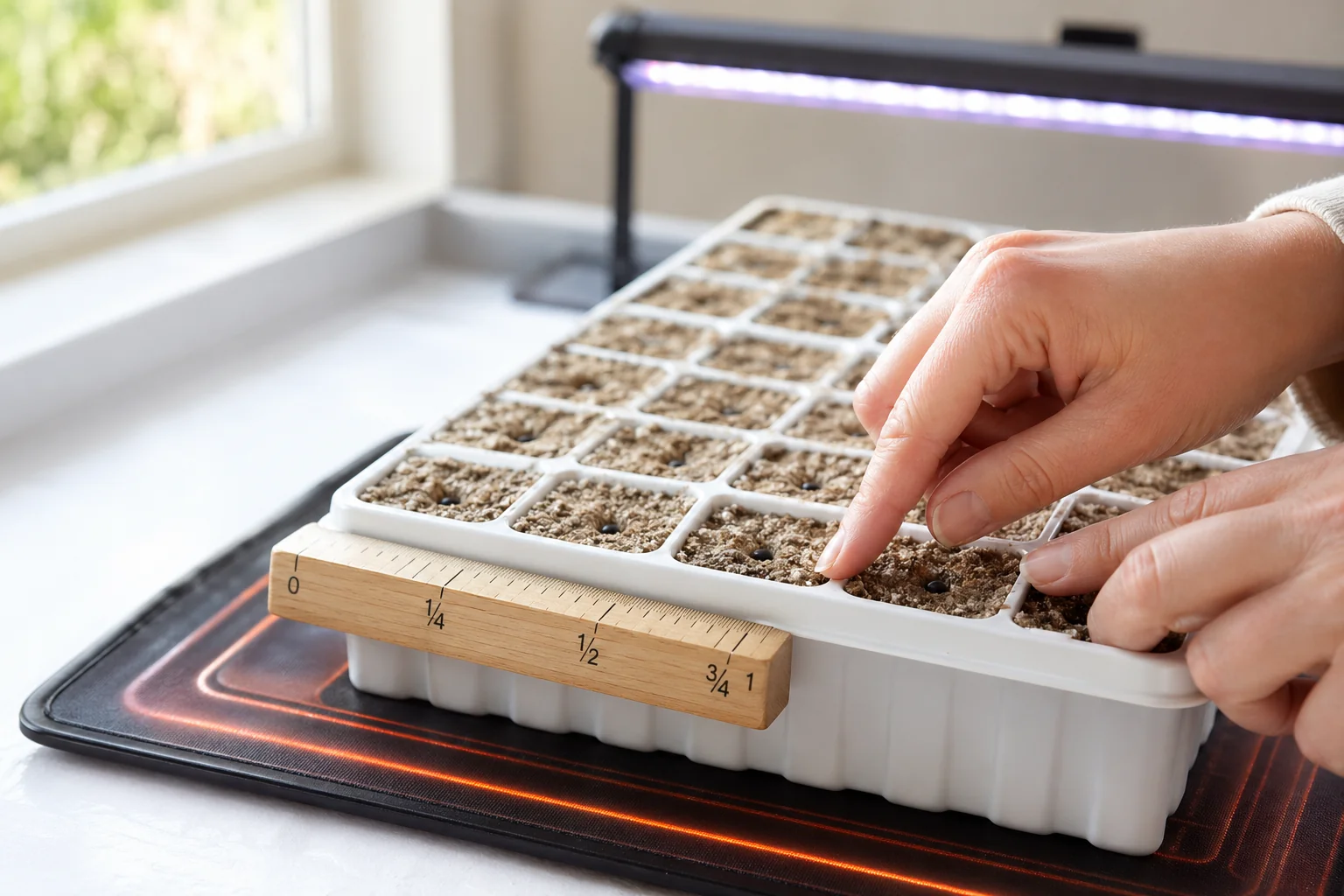
Sow basil seeds 6 mm (¼ in) deep — barely covered with a thin layer of fine seed-starting mix. Basil is a light-dependent germinant: deeper than 8 mm and germination rates fall sharply. Indoors in a seed-starting tray on a heat mat at 21–26°C (70–78°F), expect sprouts in 5–10 days. Outdoors, direct sow at the same 6 mm depth after the last frost, once soil temperature at 3 cm (1 in) depth holds steadily above 18°C (65°F).
Why shallow planting matters: the light requirement
Basil (Ocimum basilicum) is classified as a light-dependent germinant. The seed coat contains phytochrome — a light-sensitive pigment — that needs a small but real dose of light to trigger the biochemical switch that starts germination. That is why the “cover” is more of a thin veil than a proper burial.
At 6 mm (¼ in) deep under pale, fine seed-starting mix, enough ambient or grow-light wavelengths filter through to activate the phytochrome and tell the embryo to sprout. Cover the seeds with 1.5 cm (½ in) of heavier, darker garden soil and that signal is attenuated enough to meaningfully cut germination rates — particularly indoors where light intensity is already lower than full outdoor sun.
This is the single most common reason home gardeners get patchy or slow basil germination: they have sown too deep, using the same depth they would use for tomatoes or peppers, which need no light signal.
Indoor seed starting depth and method
Starting basil indoors in a seed-starting tray 6–8 weeks before your last frost date gives you a plant ready to harvest weeks earlier than direct sow, and lets you control every variable that matters for germination.
The correct indoor depth: 6 mm (¼ in) of fine, loose, peat-free seed-starting mix over the seeds. No firming. No packing.
Why seed-starting mix matters here: Standard potting compost or garden soil is too coarse, too heavy, and often too dark. A fine-textured, pale seed-starting mix does three things: it creates the loose, thin cover layer that lets light through; it holds moisture without compacting around fragile emerging roots; and its lighter colour reflects more ambient light back toward the seed.
Optimal indoor setup:
| Variable | Target |
|---|---|
| Sowing depth | 6 mm (¼ in) |
| Seeds per cell | 2–3 (thin to 1 after true leaves) |
| Soil temperature | 21–26°C (70–78°F) |
| Heat mat | Strongly recommended |
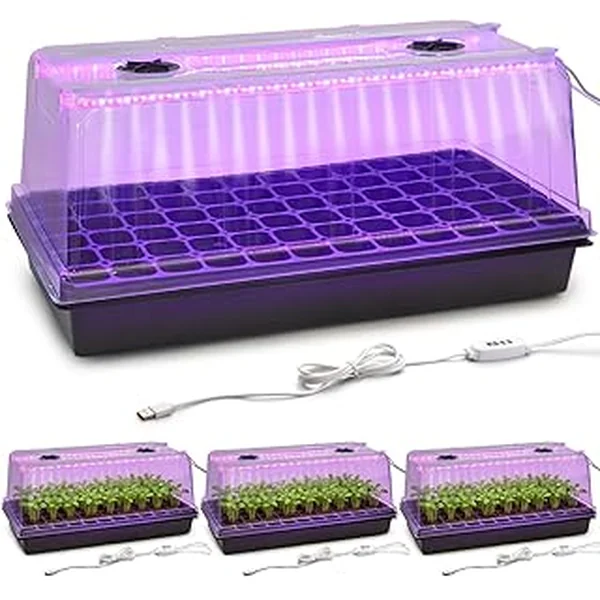
| Humidity dome | On until first sprout, then remove |
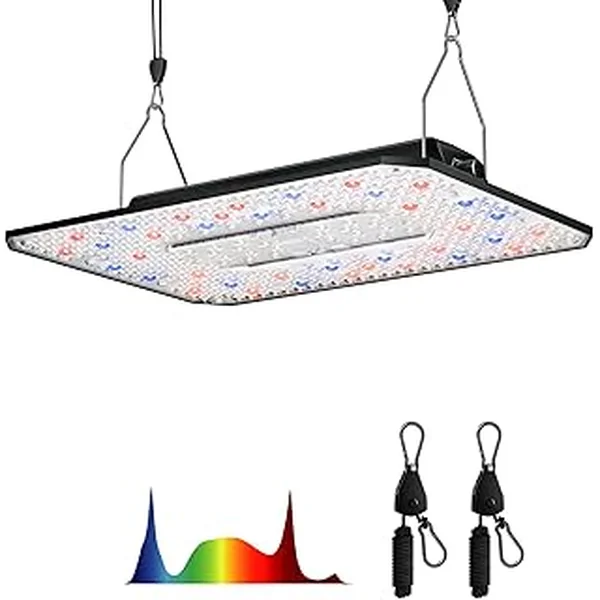
| Grow light | Full-spectrum LED, 14–16 hrs/day, 10–15 cm above seedlings |
| Expected germination | 5–10 days |
The heat mat is not optional for reliable results in spring. Basil seeds sense both light and temperature. At 18°C (65°F), germination happens eventually. At 24°C (75°F), it happens predictably and fast — usually in under a week.
Outdoor direct sow depth
Direct sowing basil outdoors into a bed or container skips the transplant step but demands that the timing is right.
The correct outdoor depth: the same 6 mm (¼ in). The depth rule does not change outdoors — basil still needs that light signal whether it is sown in a tray or a garden bed.
What changes outdoors is the timing constraint. Basil is one of the most cold-sensitive common herbs. Seeds sown into soil below 18°C (65°F) will sit, take up water, begin to swell — and then rot before they sprout. A 2 °C (3–4°F) margin of safety means waiting until your soil thermometer reads 18°C (65°F) or above at 3 cm (1 in) depth for at least three consecutive mornings.
Direct sow method:
- Rake the bed fine and remove any clods or stones larger than a pea.
- Drag a finger or the handle of a trowel along the row to create a shallow furrow — aim for 6 mm (¼ in) deep.
- Drop seeds every 4–5 cm (1.5–2 in) along the furrow.
- Pinch fine soil over the furrow to cover lightly — do not tamp.
- Mist the surface gently so the soil doesn’t shift.
- Thin to one plant every 20–25 cm (8–10 in) once true leaves appear.
In a warm summer garden with good afternoon sun, outdoor direct-sown basil germinates in 7–14 days.
Soil preparation before sowing
Whether you are sowing indoors or out, the soil surface where seeds land matters almost as much as the cover layer above them.
Indoor trays: Pre-moisten seed-starting mix to the consistency of a wrung-out sponge before filling cells. Dry mix wicks moisture away from seeds on contact. Fill cells to 5 mm (¼ in) below the rim so the cover layer sits flush without mounding.
Outdoor beds: Loosen the top 10 cm (4 in) and rake to a fine tilth. Basil does not need heavily amended soil at the sowing stage — it needs a smooth, crumb-textured surface that lets a thin cover layer lie evenly over the seeds. Work in a thin layer of fine compost if the soil is heavy clay, but avoid fresh manure (too high in nitrogen, promotes leafy soft growth that attracts aphids).
pH target: 6.0–7.0. Basil is not fussy about soil pH within this range, but strongly acidic or alkaline soils slow nutrient uptake in young seedlings.
Germination temperature
Getting the temperature right matters as much as depth. Basil seeds respond to a temperature band, not just a single number:
- Below 15°C (59°F): germination failure — seeds rot.
- 15–18°C (59–65°F): slow, erratic germination over 14–21 days.
- 18–21°C (65–70°F): germination in 7–12 days, moderate success rate.
- 21–26°C (70–78°F): germination in 5–10 days, highest success rate.
- Above 35°C (95°F): germination slows again — excessive heat suppresses sprouting.
A seedling heat mat eliminates the guesswork indoors and is the single most cost-effective upgrade for basil starting in spring.
Watering after sowing
The thin 6 mm (¼ in) cover layer dries out far faster than a deep sowing would. This is the trade-off of shallow planting: you must keep that surface layer consistently moist from sowing until the radicle (the first root) anchors into the mix below.
Indoors: Mist the surface once after sowing to settle the cover layer without dislodging seeds. Then rely on the humidity dome to hold moisture — you should need to mist at most once or twice daily, just enough to keep the surface from drying. Avoid pouring water from above; even a gentle pour can wash fine covering mix off the seeds entirely.
Outdoors: Water with a fine rose head or a misting nozzle immediately after sowing. In warm weather, check the surface morning and evening for the first 5–7 days and mist whenever it looks dry. Once seeds have germinated and the radicle has reached 2–3 cm (1 in) into the soil, the seedlings are anchored enough to handle gentle watering from a can.
Never let the seedbed dry out completely during the germination window — a desiccated basil seed that has already started to swell will not recover.
Thinning seedlings
Basil seeds are small and sowing 2–3 per cell (or every 4–5 cm along an outdoor row) is standard practice to ensure at least one germinates per location. Once the seedlings develop their first true leaves — the second pair of leaves, which look like small basil leaves rather than the round, smooth seed leaves — thinning is essential.
Indoor trays: Snip all but the single strongest seedling per cell using small scissors or nail scissors at soil level. Do not pull — pulling disturbs the roots of the seedling you are keeping.
Outdoor beds: Thin to one plant every 20–25 cm (8–10 in). If two seedlings are very close together and both look strong, thin earlier rather than later — competing basil seedlings share a root zone and neither gets as big as a singleton.
Thinned basil seedlings can be eaten (they taste like micro-basil) or, if they have a reasonable root ball, potted up into small containers and grown on. They are not worth the risk of leaving them in place to crowd their neighbours.
Transplanting indoor seedlings outdoors
If you started seeds indoors, harden off the seedlings before transplanting. Move the tray outdoors to a sheltered spot for 30–60 minutes the first day, increasing exposure over 7–10 days until they are spending full days outside. This gradual acclimatisation prevents the wilting and leaf scorch that happens when seedlings go straight from indoor light to outdoor conditions.
Transplant on a cloudy day or in the evening. Dig a hole slightly deeper than the root ball, set the seedling in so the lowest leaves sit just above the soil surface, firm gently, and water in. Space transplants 20–25 cm (8–10 in) apart.
A plant care app like Tazart can track your transplant date, remind you to harden off on schedule, and flag when temperatures are forecast to drop below the basil danger zone of 10°C (50°F) — useful when spring weather is unpredictable.
Common mistakes to avoid
- Planting too deep. More than 8 mm and germination rates drop. 6 mm is the target; use a ruler the first time until you have an eye for it.
- Using heavy garden soil in a seed tray. It compacts, blocks light, and stays waterlogged. Use fine seed-starting mix only.
- Letting the surface dry out. The thin cover layer is the first to dry. Mist once or twice a day until sprouts appear.
- Removing the dome too late. A clear dome left on after germination traps humidity and causes damping off — the fungal collapse that kills entire trays of seedlings overnight.
- Not using a heat mat in spring. Cool room temperatures are the biggest reason for erratic indoor germination. 24°C (75°F) soil temperature transforms results.
- Skipping thinning. Two or three basil seedlings in one cell will compete into weak, leggy plants. One strong plant per cell or per 20–25 cm of bed space is the rule.
Troubleshooting
| Symptom | Likely cause | Fix |
|---|---|---|
| No germination after 14 days | Soil too cold, seeds too deep, or surface dried out | Check temperature with a probe thermometer; re-sow at correct 6 mm depth on a heat mat |
| Very patchy germination | Old seed or cold pockets in the tray | Use fresh seed; place heat mat under the whole tray, not just one end |
| Seedlings collapsing at soil line | Damping off fungus from excessive humidity | Remove dome immediately at first sprout; improve airflow; water only from below |
| Leggy, pale seedlings | Not enough light after germination | Move under a full-spectrum LED grow light 10–15 cm (4–6 in) above seedlings on a 16-hour timer |
| Slow germination despite warmth | Seeds covered too thickly — light blocked | Re-sow with a lighter cover layer; use pale fine seed-starting mix only |
| Seedlings wilting after transplant | Transplant shock or cold night temperature | Harden off for 7–10 days before transplanting; protect from temperatures below 10°C (50°F) |
Related reading
- How to grow basil indoors — once your seedlings are established, this guide covers the full year-round indoor growing routine: light, pinching, watering, and preventing bolting.
- How to grow mint — mint is the easiest kitchen herb to start alongside basil; both share the same indoor setup but mint is far more forgiving of cool temperatures.
- How to grow oregano — another Mediterranean kitchen herb that starts from seed at a similarly shallow depth, with even more drought tolerance once established.
- Set up germination-date reminders and watering schedules for every tray on your windowsill with the free Tazart plant care app.
A note on conditions
Germination rates vary with seed age, seed batch, room temperature, and the exact mix you use. The figures above — 5–10 days on a heat mat, 7–14 days outdoors — are typical for fresh Genovese basil seed under good conditions. If your first tray is slow, check temperature before assuming the seeds are bad. A probe thermometer in the mix, not the air, is the most useful diagnostic tool for basil seed starting.
Highly recommended
The supplies that make this guide work
Tazart is an Amazon Associate — we earn from qualifying purchases at no extra cost to you. Thank you for helping us keep these guides free.
Frequently asked questions
How deep should I plant basil seeds?
Plant basil seeds 6 mm (¼ in) deep — just barely covered with a thin layer of fine seed-starting mix. Basil is a light-dependent germinant, which means even moderate amounts of light reaching the seed trigger sprouting. Burying seeds deeper than 6–8 mm blocks that light signal and dramatically slows or prevents germination. On a heat mat at 21–26°C (70–78°F), seeds sown at the correct depth sprout in 5–10 days.
Do basil seeds need light to germinate?
Yes. Basil (*Ocimum basilicum*) is classified as a light-dependent germinant. The seed coat contains phytochrome receptors that detect light and signal the embryo to begin sprouting. A very thin 6 mm (¼ in) cover of fine, pale seed-starting mix lets enough ambient light filter through to trigger germination. If you bury seeds deeper — even at 1.5 cm (½ in) — germination rates drop noticeably, especially under low-light indoor conditions.
Can I direct sow basil seeds outdoors?
Yes, but only after all frost risk has passed and the soil temperature at 2–3 cm (1 in) depth reads at least 18°C (65°F) consistently — basil seeds rot in cold soil. Sow at the same 6 mm (¼ in) depth, pressing seeds gently into a raked seedbed and covering lightly. Germination outdoors typically takes 7–14 days. Starting indoors 6–8 weeks before the last frost date gives you a much longer harvest window.
How long do basil seeds take to germinate?
At the ideal soil temperature of 21–26°C (70–78°F), basil seeds germinate in 5–10 days. In cooler soil — below 18°C (65°F) — germination slows to 14–21 days and failure rates rise sharply. A seedling heat mat is the most reliable way to hold the right temperature indoors, especially in spring when ambient room temperatures are still variable.
How do I thin basil seedlings without killing the survivors?
Once seedlings have their first true leaves (the second pair — not the round seed leaves), thin to one seedling per cell in a tray, or one every 15–20 cm (6–8 in) in an outdoor bed. Use small scissors to snip the unwanted seedlings at soil level — never pull them out, as pulling disturbs the roots of the plants you are keeping. Thinning is non-optional: crowded basil seedlings compete for light and airflow and rarely bush out properly.
What soil temperature do basil seeds need?
Basil seeds germinate most reliably at 21–26°C (70–78°F) soil temperature. Below 18°C (65°F) germination becomes erratic and slow; below 15°C (59°F) seeds will likely rot before sprouting. Measure soil temperature with a probe thermometer 2–3 cm (1 in) deep rather than relying on air temperature — unheated rooms in spring are often 4–5°C cooler at soil level than the thermostat reads.
Should I cover my seed tray after sowing basil?
Yes — loosely. A clear plastic humidity dome or a sheet of cling film laid over the tray keeps moisture in and prevents the thin cover layer from drying out before seeds sprout. Remove the cover the moment the first green shoots appear (usually day 5–7 on a heat mat) to prevent fungal problems from excess humidity. From that point on, air circulation matters more than humidity.