Houseplants
Fiddle Leaf Fig Care (Stop the Brown Spots)
Fiddle leaf fig care made simple — water, light, and humidity rules that stop brown spots and grow a tall, glossy Ficus lyrata indoors.
On this page
- Quick answer
- Meet Ficus lyrata
- Light: the make-or-break factor
- Watering: the brown-spot trigger
- Soil and pot
- Humidity and temperature
- Cleaning the leaves
- Fertilizing
- Pruning and shaping
- Care checklist
- Common mistakes to avoid
- Troubleshooting brown spots and other problems
- Watch: fiddle leaf fig care walkthrough
- Related reading
- A note on conditions
Watch the visual walkthrough
Fiddle Leaf Fig Care Guide! 🌿 // Garden Answer
Affiliate/Sponsored Links Espoma Potting Soil Mix - http://bit.ly/2SXFAL0 Indoor! Liquid Fertilizer - http://bit.ly/36DNY6r Leaf ...
The fiddle leaf fig (Ficus lyrata) earned its dramatic reputation honestly — it sulks at the slightest change in light, watering, or temperature. The good news: once you understand what’s actually causing the brown spots, leaf drop, and yellowing, the plant is far easier to keep alive than Instagram makes it look.
This guide walks you through the exact watering, light, humidity, and repotting rules that prevent the three most common fiddle leaf fig problems — plus a troubleshooting table for spotting trouble early.
Quick answer
Place your fiddle leaf fig in bright indirect light near a south- or east-facing window, water only when the top 5 cm (2 in) of soil is dry, keep humidity between 40 and 60 percent, and avoid cold drafts. Wipe the leaves with a soft damp cloth every 2 weeks. Done consistently, this stops the brown spots and grows a tall, glossy indoor tree.
Meet Ficus lyrata
The fiddle leaf fig is a tropical tree native to the lowland rainforests of West Africa. In the wild it can hit 12 m (40 ft); indoors, healthy specimens reach 1.8–3 m (6–10 ft) over several years. The big violin-shaped leaves give it its name and its viral appeal — but those same leaves are also why every problem shows up so visibly.
The plant doesn’t tolerate guesswork. It thrives on consistency: same spot, same routine, same humidity. Move it across the room and it’ll often drop a few leaves just to tell you it noticed.
Light: the make-or-break factor
Light is non-negotiable. A fiddle leaf fig needs 6 or more hours of very bright indirect light per day, ideally with 1–2 hours of soft direct morning sun.
- Best spot indoors: 30–60 cm (12–24 in) from a south- or east-facing window
- Acceptable: a west window with a sheer curtain
- Too dim: north-facing rooms or anywhere more than 1.8 m (6 ft) from a window
Signs it wants more light: leggy growth with bare lower stems, slow new leaves, and small pale leaves stacked at the top. Signs it’s getting too much harsh sun: pale tan or bleached patches on the leaves facing the window.
Rotate the pot a quarter turn every 1–2 weeks so the tree grows evenly instead of leaning toward the light.
Watering: the brown-spot trigger
Most fiddle leaf fig brown spots come back to one mistake — watering on a schedule instead of by soil dryness.
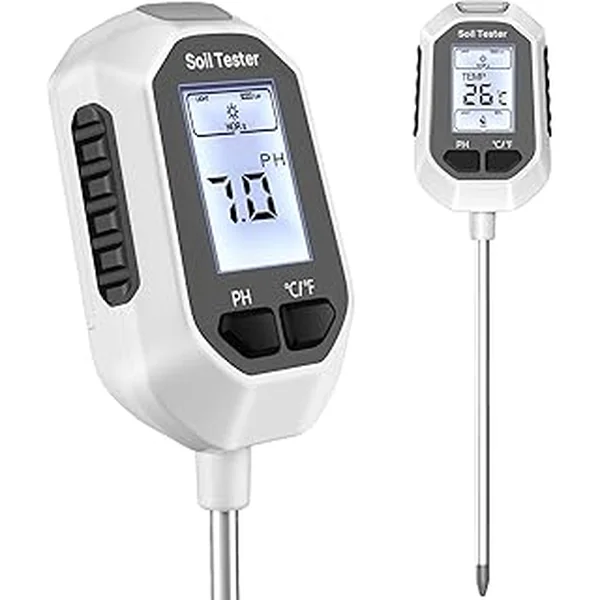
The rule: water only when the top 5 cm (2 in) of soil is dry to the touch. Stick your finger in or use a soil moisture meter at root depth. When it’s dry, water deeply until you see drips from the drainage holes, then empty the saucer 15 minutes later.
Indoors, that usually works out to:
- Spring/summer: every 7–10 days
- Autumn/winter: every 10–14 days
But the calendar lies. Light, pot size, soil mix, season, humidity, and your local weather all change how fast soil dries. Always check before watering.
Water quality
Fiddle leaf figs are mildly fluoride-sensitive. If your tap water leaves white mineral spots, switch to filtered water, leave tap water out overnight, or collect rainwater. Use room-temperature water — cold water shocks the roots.
Soil and pot
The soil mix matters as much as the watering schedule.
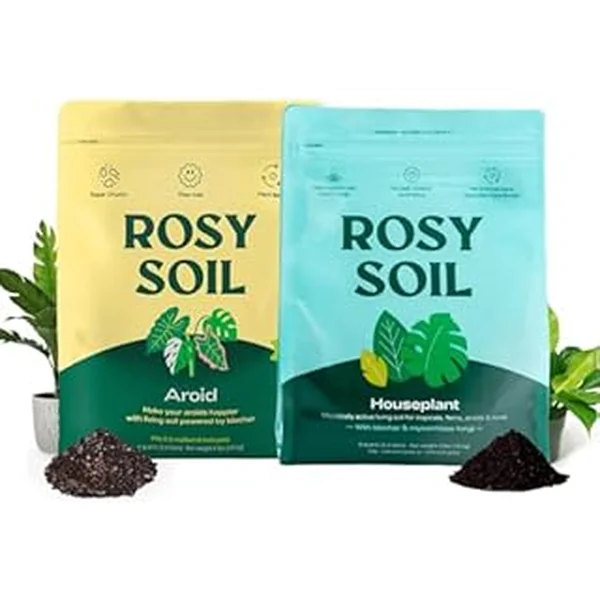
- Use a chunky, well-draining indoor potting mix — ideally peat-free with bark, perlite, and coco coir
- Avoid heavy “moisture-control” soil that stays wet for days
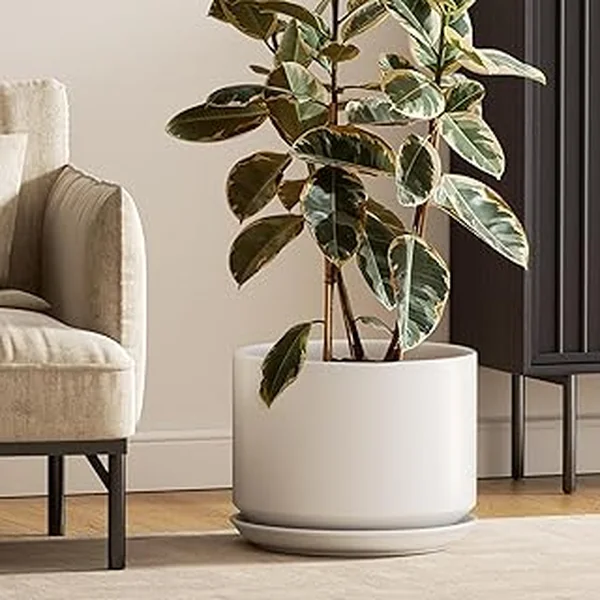
- The pot must have drainage holes (no exceptions)
- Heavy ceramic or terracotta works best — a top-heavy 1.5 m (5 ft) tree tips over in plastic
Repot every 18–24 months in spring, or when roots circle the bottom. Move up just one pot size — typically 5 cm (2 in) wider in diameter. A pot that’s too big holds water the roots can’t reach, and brown spots show up within weeks.
Humidity and temperature
- Humidity: 40–60 percent. Below 30 percent, the leaf edges crisp brown
- Temperature: 18–24°C (65–75°F) is ideal; never below 13°C (55°F)
- Drafts: avoid heating vents, AC blasts, and open winter windows — cold drafts cause sudden leaf drop within 48 hours
Skip the mister. Misting only raises humidity for a few minutes and leaves water sitting on the leaves, which is exactly how bacterial leaf spot starts. A small humidifier 1–2 m (3–6 ft) from the plant works far better.
Cleaning the leaves
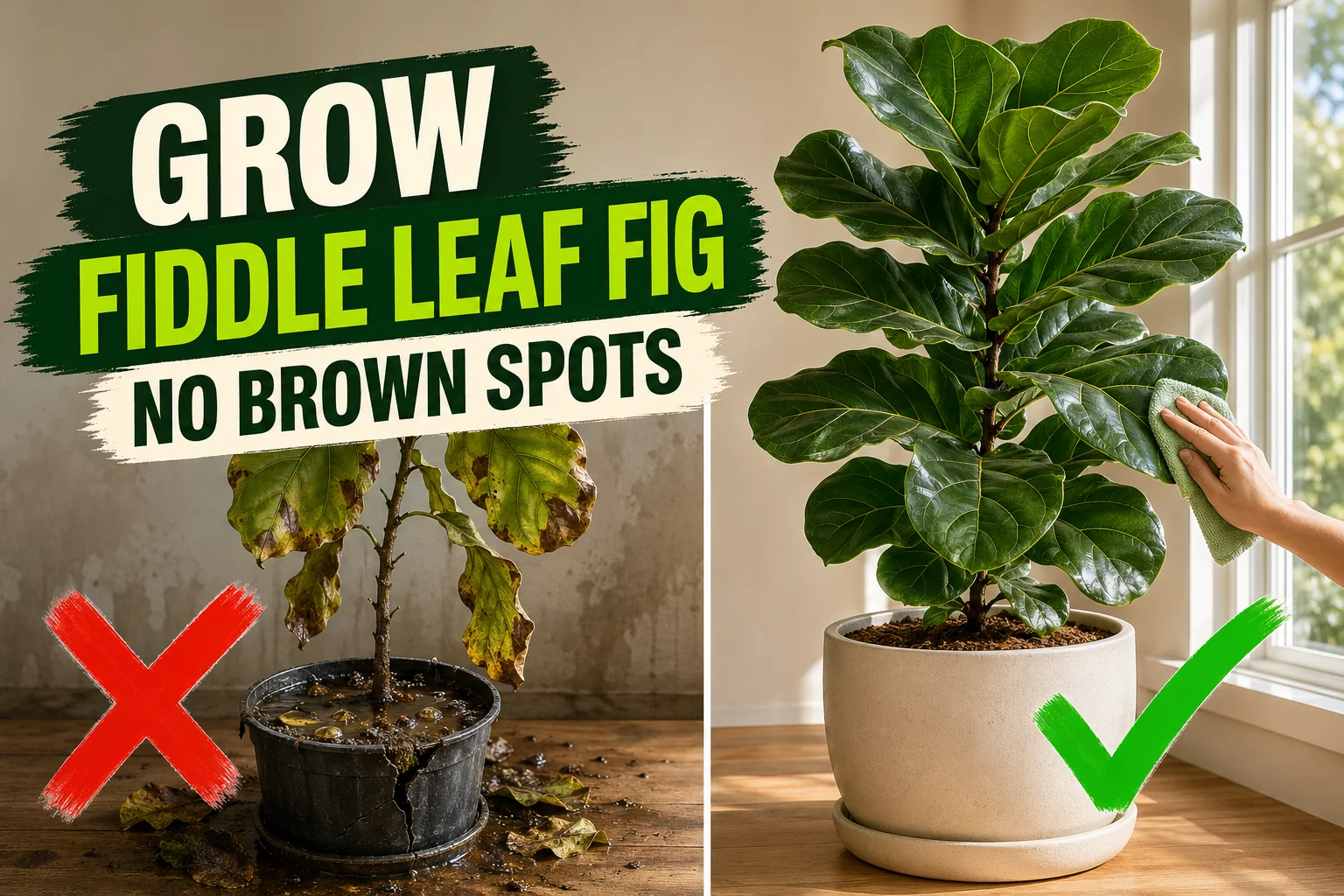
Dust on big leaves blocks light. Every 2 weeks, wipe each leaf top and bottom with a soft microfiber cloth or paper towel dampened with plain water. Support the leaf with one hand from below so you don’t tear it.
Skip leaf-shine sprays — they clog stomata and damage the leaf surface long-term.
Fertilizing
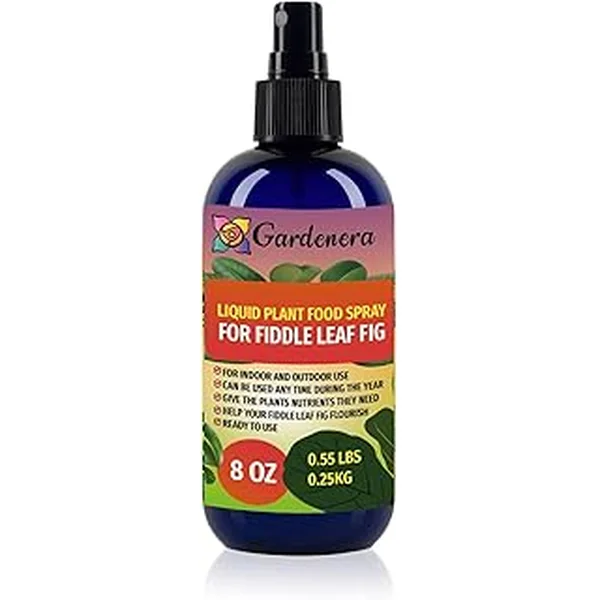
Feed during active growth — spring through early autumn — every 4 weeks with a balanced indoor plant fertilizer (a 3-1-2 NPK ratio is tuned for Ficus lyrata). Always water first, then fertilize a damp pot. Fertilizing dry soil burns the roots.
Skip fertilizer entirely in winter and for 2–3 months after repotting — fresh soil already has enough nutrients.
Pruning and shaping
Prune in early spring with sterile bypass shears.
If you want a lower-maintenance tropical foliage tree that tolerates lower light and irregular watering alongside your fiddle-leaf fig, the China doll plant care guide covers a feathery-leafed alternative that fills the same decorative role with far less drama.
- Cut leggy branches just above a node — new shoots will branch out within 6–8 weeks
- Remove damaged or brown-spotted leaves at the petiole (stem)
- Pinch the very top growth point to encourage a bushier, multi-branch tree
The cut releases a milky white sap — wipe it off with a damp cloth and wash your hands. The sap is mildly irritating to skin and toxic if eaten, so keep cuttings away from pets and kids.
Care checklist
| Task | When |
|---|---|
| Check soil dryness | Every 3–4 days, finger or moisture meter |
| Deep water | When top 5 cm (2 in) is dry |
| Wipe leaves | Every 2 weeks |
| Rotate pot | Every 1–2 weeks |
| Fertilize | Every 4 weeks, spring–early autumn |
| Repot | Every 18–24 months in spring |
| Prune | Early spring, with sterile shears |
A free plant care app like Tazart can hold the watering schedule for you, adapt it to your local light and weather, and quietly track when it’s time to wipe leaves or fertilize — useful when one fiddle leaf fig becomes three.
Common mistakes to avoid
- Watering on a fixed weekly schedule. Always check soil dryness first.
- Misting the leaves. It causes more bacterial spotting than it prevents dryness.
- Moving the plant often. Fiddle leaf figs hate change — pick a spot and commit.
- Repotting into a pot that’s too big. Soil stays wet, roots rot, brown spots appear.
- Using cold tap water. Let it sit overnight or use filtered/room-temperature water.
- Ignoring drafts. Heating vents and AC blasts cause sudden leaf drop.
Troubleshooting brown spots and other problems
| Symptom | Likely cause | Fix |
|---|---|---|
| Dark brown spots starting at the centre or along veins | Root rot from overwatering | Unpot, trim mushy roots, repot in dry chunky mix, don’t water 5–7 days |
| Crispy brown edges on the leaves | Low humidity or underwatering | Humidifier to 40–60%; deep water if soil is bone dry |
| Pale tan or bleached patches | Sunburn from sudden direct sun | Move 30–60 cm (12–24 in) back from window or add a sheer curtain |
| Yellowing lower leaves | Overwatering or natural shedding | Check the top 5 cm (2 in) of soil — if soggy, hold off watering |
| Leaves dropping suddenly | Cold draft, sudden move, or shock | Move away from vents/windows; keep above 13°C (55°F); leave it alone |
| Leggy stem with bare lower trunk | Not enough light | Move closer to a south/east window; prune the top in spring |
| Small pale new leaves | Low light or under-fertilized | More light first; if light is good, feed every 4 weeks in growing season |
| Sticky residue or tiny insects | Spider mites, scale, or mealybugs | Wipe leaves with diluted neem oil weekly until pests clear |
| White mineral spots on leaves | Hard tap water | Switch to filtered, rainwater, or 24-hour-rested tap water |
Watch: fiddle leaf fig care walkthrough
A short visual walkthrough pairs well with the steps above. If you’re a visual learner, search YouTube for fiddle leaf fig care for beginners and pick a recent tutorial — then come back here for the watering and troubleshooting timing.
Related reading
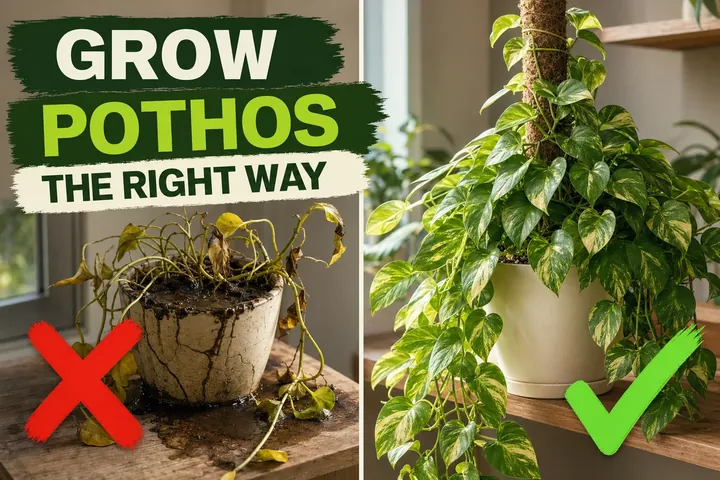
- Pothos plant care: the easy beginner’s guide — same “let the soil dry between waterings” rule applies, but with far more forgiveness if you forget.
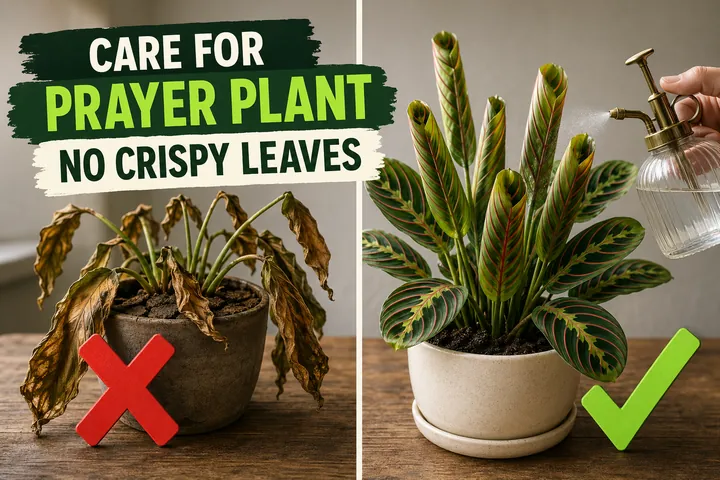
- How to take care of a prayer plant — humidity-loving houseplant that thrives in the same 40–60% range as Ficus lyrata.
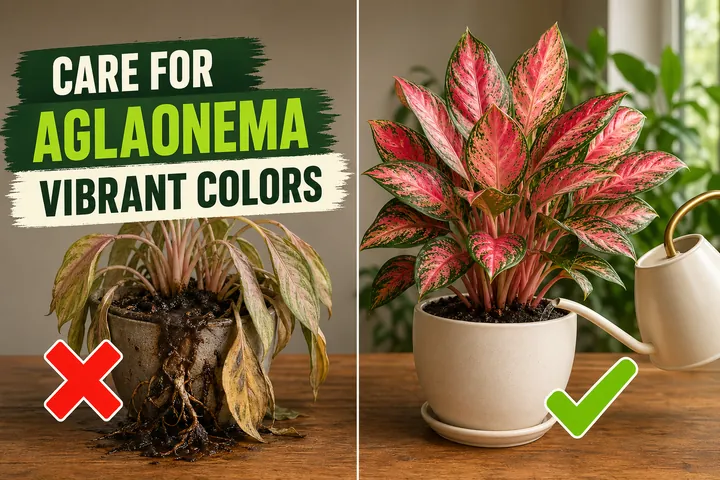
- Aglaonema (Chinese evergreen) care — a low-light alternative if your space can’t deliver the bright window a fiddle leaf fig demands.
- Scan a leaf showing brown spots with the free Tazart plant identifier and let it diagnose whether you’re looking at root rot, sunburn, or bacterial spot.
A note on conditions
Every home is different. Light angle, pot size, soil mix, season, humidity, and your local weather all change how fast a fiddle leaf fig grows and how often it needs water. Use the rules above as a starting point and adjust based on what your tree actually does in week two — that’s how every good fiddle leaf fig owner learns to read this plant’s signals.
Highly recommended
The supplies that make this guide work
Tazart is an Amazon Associate — we earn from qualifying purchases at no extra cost to you. Thank you for helping us keep these guides free.
Frequently asked questions
How often should I water a fiddle leaf fig?
Roughly every 7 to 10 days indoors, but never on a fixed schedule. Wait until the top 5 cm (2 in) of soil is dry, then water deeply until it drains out the bottom. Empty the saucer 15 minutes later. Overwatering is the #1 cause of brown spots.
Why does my fiddle leaf fig have brown spots?
Dark brown spots that start at the centre of the leaf or along the veins are almost always root rot from overwatering. Brown crispy edges mean the air is too dry or the plant is underwatered. Pale tan spots from sunburn appear after sudden direct sun.
Do fiddle leaf figs need direct sunlight?
They need very bright indirect light for at least 6 hours a day, plus 1 to 2 hours of soft direct morning sun if possible. A south- or east-facing window 30 to 60 cm (12 to 24 in) from the glass is ideal. Harsh midday sun through bare glass will scorch the leaves.
How do I save a dying fiddle leaf fig?
Lift it out of the pot and check the roots. Mushy black roots mean root rot — trim the rotten bits with sterile scissors, repot in fresh dry chunky mix, and don't water for 5 to 7 days. Move it to a brighter spot away from drafts and stop misting.
Should I mist my fiddle leaf fig?
No. Misting raises humidity for only a few minutes and leaves water sitting on the leaves, which encourages bacterial leaf spot. Use a humidifier instead, or group plants together. Aim for 40 to 60 percent humidity.
When should I repot a fiddle leaf fig?
Every 18 to 24 months, in spring, or when roots circle the bottom of the pot. Move up only one pot size — usually 5 cm (2 in) wider. Going too big traps water around the roots and triggers brown spots within weeks.