Houseplants
Exotic Angel Plant Care: What It Is (and How to Keep It Alive)
"Exotic Angel" is not a plant species — it's a brand covering 400+ tropical varieties. Here's how to identify yours and care for it properly with specific numbers.
On this page
Watch the visual walkthrough
How to Keep a Croton Plant HAPPY: Croton Plant Care
Croton Plant Care Simplified! In this video I will explain how to help your croton go from cranky to happy. Croton care explained.
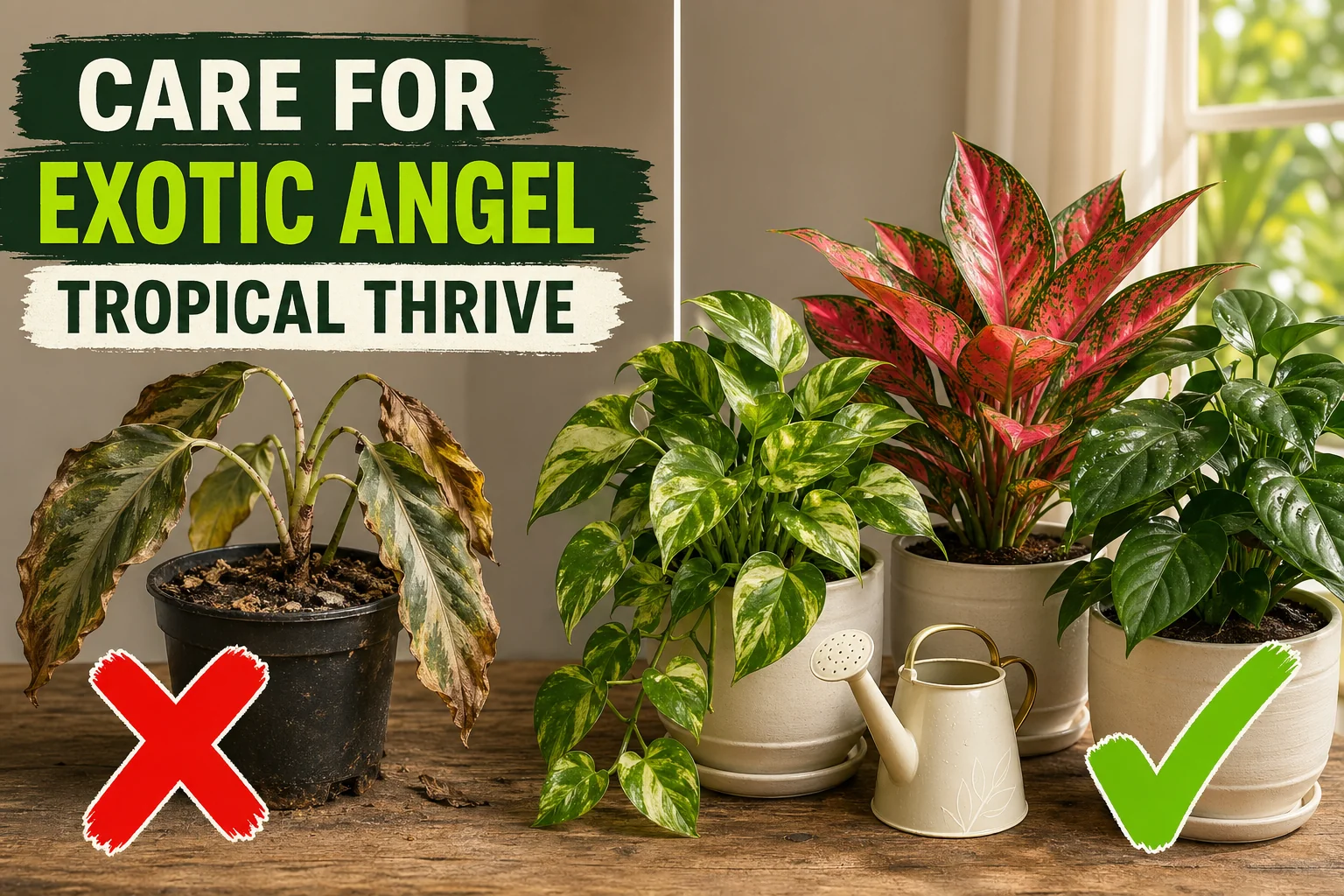
If you’ve Googled “Exotic Angel plant care” hoping to find a definitive care sheet, you’ve probably noticed that every result gives slightly different advice — and now you know why. There is no single plant called Exotic Angel. It is a trademark brand owned by Hermann Engelmann Greenhouses, one of the largest tropical houseplant producers in the United States, and the label is applied to more than 400 different plant species sold through big-box retailers and garden centres. The pothos on your shelf, the aglaonema in your living room, and the peperomia on your desk could all carry the same Exotic Angel sticker.
This matters for care because a pothos and a peperomia have different water needs, different light preferences, and different soil requirements. What they do share is a general tropical foliage baseline — and that’s where this guide starts. You’ll find the general rules that apply across most Exotic Angel-branded plants, plus a method for identifying your specific species so you can look up more precise care.
Quick answer
Most Exotic Angel tropical foliage plants need bright indirect light (1–2 m from a window), water when the top 2–5 cm (0.75–2 in) of soil is dry, temperatures between 18–24°C (64–75°F), 40–60% humidity, and a well-draining peat-based mix. Feed monthly in spring and summer. The single most important step is identifying the exact species on your label — care requirements vary widely across the 400+ varieties.
What “Exotic Angel” really means
Hermann Engelmann Greenhouses started applying the Exotic Angel brand to tropical foliage plants in the 1970s. Today the label is a quality and freshness mark — it tells you the plant was professionally grown, not that it belongs to any specific botanical genus or species.
Walk through the houseplant section of any Home Depot or Lowe’s and you’ll find the Exotic Angel tag on:
- Pothos (Epipremnum aureum) — trailing vines, tolerates low light
- Philodendron — heartleaf or split-leaf, fast growers
- Aglaonema (Chinese evergreen) — colorful patterned leaves, very forgiving
- Peperomia — thick fleshy leaves, low-water needs
- Ferns — high humidity, consistent moisture
- Dracaena — tall structural plants, drought-tolerant
- Ivy (Hedera) — cascading, cool temperatures preferred
- Dieffenbachia — bold tropical leaves, toxic if ingested
The care advice on the tag is necessarily generic because it has to apply to all of them. Your job is to find out which one you have.
How to identify the actual species you have
Start with the physical tag or pot sticker — it often lists the genus and sometimes the species name in small print below the brand name.
If the tag is gone, the fastest method is a plant ID app. Open Tazart and photograph a full leaf (showing the top and underside) plus the stem. The app’s plant identification feature will return the genus, species, and a species-specific care guide within seconds. This is especially useful for Exotic Angel plants because many varieties look similar to untrained eyes — a heartleaf philodendron and a pothos are commonly confused, but they have different watering rhythms.
You can also use the Hermann Engelmann Greenhouses plant finder on their website — searching by leaf shape and color is surprisingly effective.
Once you know the species, look it up by name. The rest of this guide covers the care baseline that applies to most Exotic Angel tropical foliage varieties.
Light
Most Exotic Angel tropical foliage plants come from forest understory environments where direct sun never reaches them. Replicate that with bright indirect light: position the plant 1–2 metres from a south- or east-facing window, or directly in front of a north-facing window that receives bright ambient sky light.
Variegated varieties (white, yellow, or pink patterning on the leaves) need more light than their solid-green relatives. Variegation reduces the amount of chlorophyll available for photosynthesis, so the plant needs more light to make the same amount of energy. If the variegation is fading or new leaves are coming out mostly green, move the plant closer to the window.
Signs of too much light: bleached patches, crispy leaf edges, curling. Signs of too little light: pale new growth, leggy stretched stems, very slow growth, variegation loss.
Direct midday sun burns the leaves of most Exotic Angel tropical foliage varieties. Morning sun (before 10 am) is fine for most of them.
Watering
The most common Exotic Angel care mistake is watering on a fixed schedule instead of checking the soil. Tropical foliage plants need the soil to partially dry between waterings — how fast that happens depends on pot size, soil type, light level, temperature, and season.
General rule: water when the top 2–5 cm (1–2 inches) of soil feels dry.
In practice for most varieties:
| Season | Typical watering interval |
|---|---|
| Spring / Summer | Every 7–14 days |
| Autumn / Winter | Every 14–21 days |
Exceptions exist: ferns need consistently moist (never soggy) soil; cacti and succulents labeled as Exotic Angel need far less water. Always let the species guide you once you’ve identified your plant.
How to water: pour slowly until water flows from the drainage holes. Empty the saucer after 30 minutes — standing water causes root rot. Never mist the soil as a substitute for deep watering.
Humidity and temperature
Most Exotic Angel tropical varieties originate in humid tropical environments. They do fine in typical home conditions but thrive with a little extra moisture in the air.
- Humidity: 40–60% is the target range. Most homes run 30–50%, which is adequate. If leaf edges are consistently crispy and the soil moisture is fine, low humidity is likely the cause. A small humidifier near the plant group, or a pebble tray filled with water, raises local humidity without soaking the soil.
- Temperature: 18–24°C (64–75°F) suits the majority of varieties. Keep them away from cold drafts, air-conditioning vents, and heating radiators. Night-time temperatures below 13°C (55°F) will stress most tropical foliage plants and can cause blackening leaf edges.
Soil and potting
Most Exotic Angel tropical foliage plants do well in a well-draining peat-based potting mix — a standard indoor potting compost with added perlite (roughly 3 parts potting mix to 1 part perlite) covers almost all the varieties.
Exceptions: ferns prefer a peat-heavy moisture-retaining mix; succulents and cacti need a fast-draining sandy cactus mix.
Drainage is non-negotiable. Every pot must have drainage holes. No rocks at the bottom — that myth has been debunked; rocks actually raise the perched water table in the pot, making root rot more likely.
Repotting: when roots start circling the bottom or growing out of drainage holes, move up one pot size (no more than 5 cm (2 in) wider). Spring is the best time. Use fresh potting mix — old compacted soil loses structure and drainage over time.
Feeding
Most tropical foliage plants benefit from light, consistent feeding during the growing season.
- Spring through summer: a balanced liquid fertilizer (10-10-10 or 20-20-20) diluted to half strength, applied monthly
- Autumn and winter: stop feeding entirely — the plant is not actively growing and unused nutrients accumulate as salt in the soil, burning roots
Signs of over-fertilizing: white crusty deposits on the soil surface, brown leaf tips that appear suddenly after feeding. Flush the soil with plain water and skip the next two feed cycles.
Common mistakes
- Watering on a fixed weekly schedule. Soil moisture depends on conditions, not the calendar. Check the soil with your finger every few days until you understand your plant’s rhythm.
- Keeping the original nursery pot with no drainage. Many Exotic Angel plants arrive in decorative plastic sleeves with no holes. Remove the sleeve or repot into a pot with drainage before the first watering.
- Placing a variegated variety in a low-light corner. Variegated Exotic Angel plants will slowly revert to plain green and decline in low light — they need more light than solid-green plants, not less.
- Using the same care routine for every Exotic Angel plant. A fern, a pothos, and a dracaena all carry the Exotic Angel label but have genuinely different needs. Identify your species and adjust.
- Fertilizing in winter. Feeding a dormant or slow-growing plant pushes salt buildup and root burn. Feed only when the plant is actively putting out new leaves.
- Ignoring the pot size after repotting. Going too large when repotting leaves excess wet soil around the roots — this is a leading cause of root rot in tropical foliage plants. One size up only.
Troubleshooting
| Symptom | Likely cause | Fix |
|---|---|---|
| Yellow leaves, soggy soil | Overwatering or root rot | Let soil dry fully; check roots; repot if roots are mushy |
| Yellow leaves, dry soil | Underwatering or low light | Water deeply; move closer to a window |
| Brown crispy leaf edges | Low humidity or cold drafts | Raise humidity; move away from vents/drafts |
| Pale new growth, leggy stems | Too little light | Move to brighter spot; add a grow light if needed |
| Variegation fading to plain green | Insufficient light | Relocate to brighter indirect light immediately |
| Wilting despite moist soil | Root rot or compacted soil | Unpot, inspect roots, trim rotten sections, repot in fresh mix |
Watch: Exotic Angel plant care
A visual walkthrough helps if you’re uncertain about identifying your variety or troubleshooting leaf problems. Search YouTube for “Exotic Angel plant care” or “tropical foliage houseplant care” from credible plant channels — look for videos that name the specific species rather than treating all Exotic Angel plants as identical. Watch a quick video, then use the care numbers in this guide for precise watering and light decisions.
Related reading
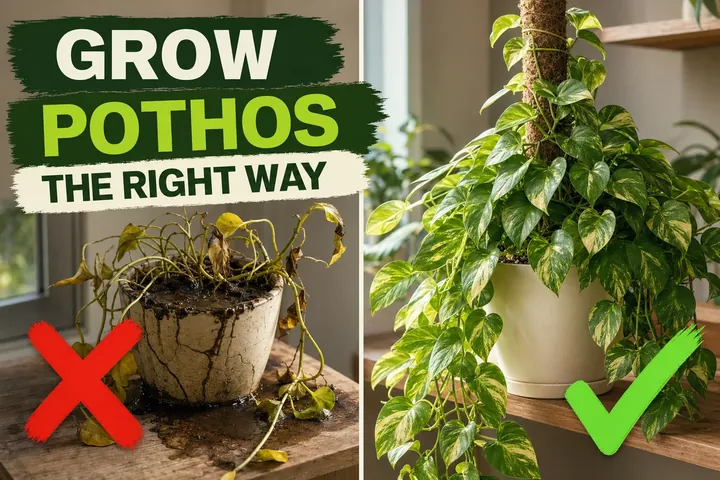
- Pothos plant care guide — pothos is one of the most common Exotic Angel-labeled plants; this guide covers it in detail with watering frequency, propagation, and common problems.
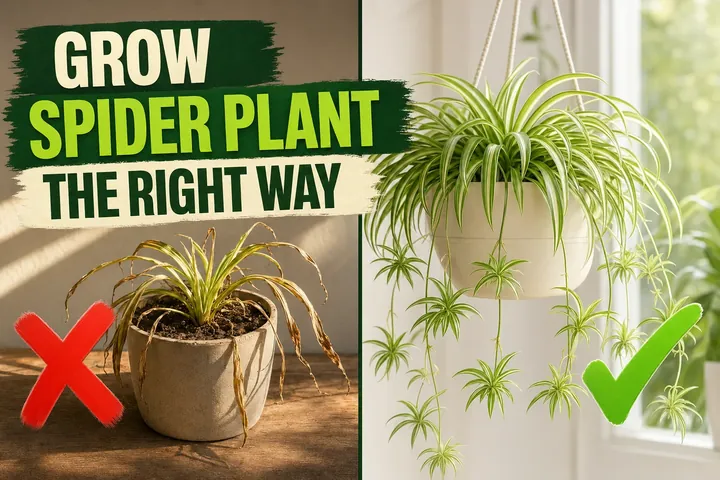
- Spider plant care guide — another frequent Exotic Angel variety, with its own specific light and humidity preferences.
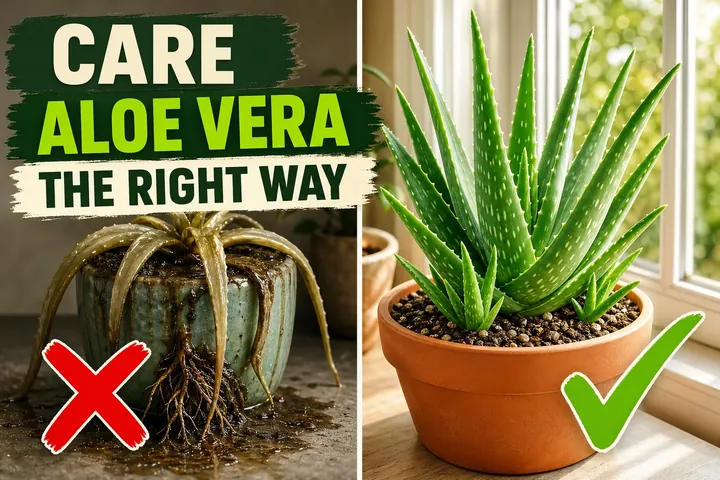
- Aloe vera care guide — if your Exotic Angel plant turns out to be a succulent or aloe-type variety, this guide covers the low-water care approach.
- Not sure which plant you have? Photograph it in the free Tazart plant identifier — the app will name the species, load a care guide, and set up a watering reminder matched to your plant and your local climate.
A note on conditions
Every home is different. The care numbers in this guide — 2–5 cm (0.75–2 in) soil dryness before watering, 18–24°C (64–75°F) temperature range, 40–60% humidity — are solid starting points for most Exotic Angel tropical foliage varieties. But your plant’s actual needs depend on your pot size, soil mix, light level, local humidity, and the season. Once you’ve identified your specific species, use the Tazart app to get care adjusted to your exact conditions — and watch the plant itself in the first two weeks. That’s how every good plant grower calibrates their routine.
Highly recommended
The supplies that make this guide work
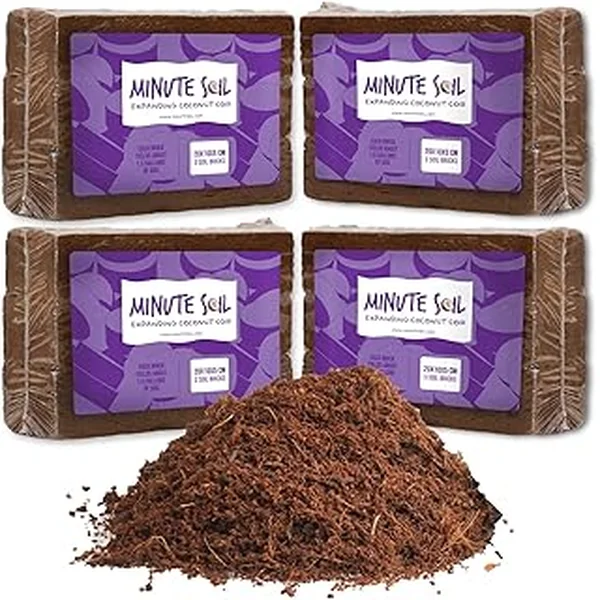
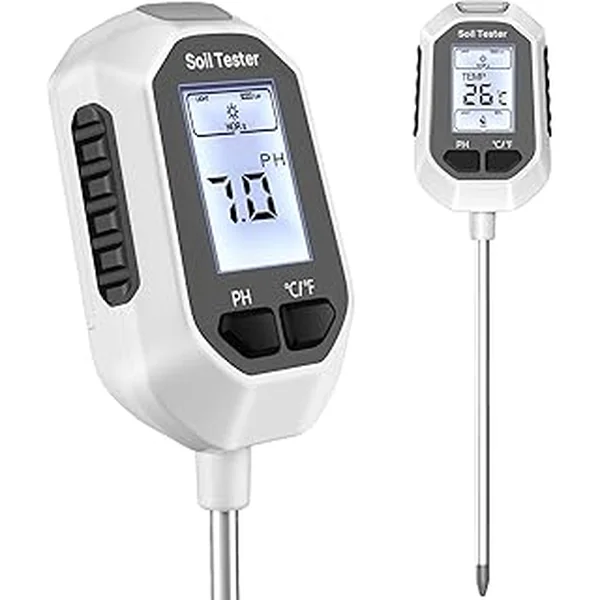
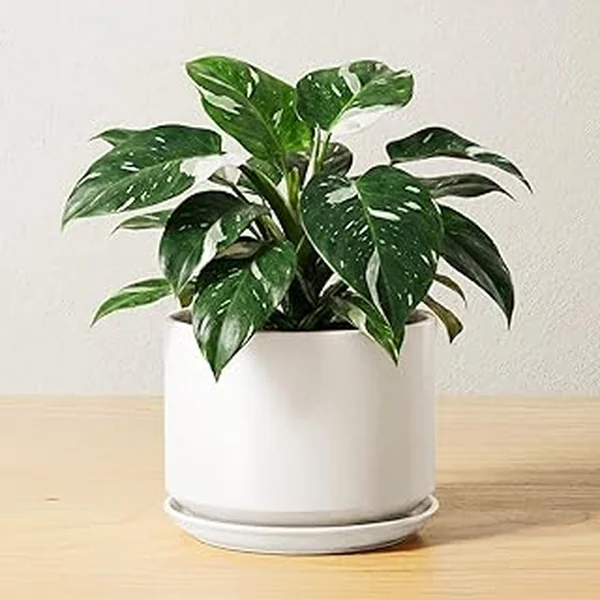
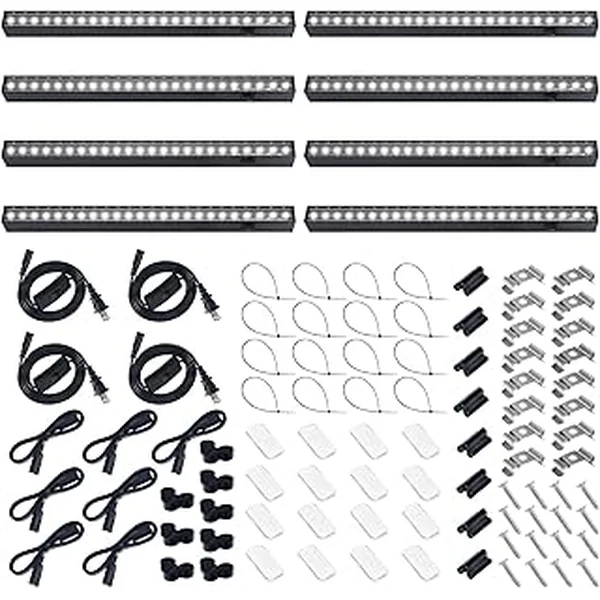
Tazart is an Amazon Associate — we earn from qualifying purchases at no extra cost to you. Thank you for helping us keep these guides free.
Frequently asked questions
Is Exotic Angel a real plant species?
No. Exotic Angel is a brand name registered by Hermann Engelmann Greenhouses, one of the largest tropical foliage growers in the United States. The label covers more than 400 different plant species — including pothos, philodendron, aglaonema, peperomia, ferns, ivy, and dracaena. There is no single plant called 'Exotic Angel.'
How do I find out what plant I actually have?
The quickest method is a plant identification app. Open Tazart, tap the camera icon, and photograph a full leaf plus the stem — the app will identify the species, confirm the genus, and load a species-specific care guide in seconds. You can also check the plant tag (if still attached), search the shape and color on the Hermann Engelmann website, or look up the genus name printed on the pot sticker.
How often do you water an Exotic Angel plant?
Water when the top 2–5 cm (roughly 1–2 inches) of soil feels dry. For most Exotic Angel tropical foliage varieties this means watering every 7–14 days in spring and summer, and every 14–21 days in autumn and winter. Succulents and cacti labeled as Exotic Angel need even less frequent watering.
What light does an Exotic Angel plant need?
Most Exotic Angel tropical foliage plants thrive in bright indirect light — a spot 1–2 metres from a south- or east-facing window is ideal. Variegated varieties need more light than solid-green ones to maintain their patterning. Direct midday sun will burn the leaves of most varieties.
Why are my Exotic Angel plant leaves turning yellow?
Yellow leaves on most Exotic Angel tropical foliage plants are caused by overwatering (soggy soil, root rot), too little light, or a severe nutrient deficiency. Check the soil first — if it's wet and the pot hasn't dried out in two weeks, let it dry fully and check the roots for rot. If the soil is dry and the light is low, move the plant closer to a window.
Can Exotic Angel plants go outside?
Most Exotic Angel tropical varieties can go outdoors in summer if temperatures stay above 18°C (64°F) and they are placed in a shaded or dappled-light spot — no direct midday sun. Bring them back inside before night temperatures drop below 15°C (59°F).