Houseplants
Dog Safe Houseplants: 15+ Non-Toxic Plants for Dogs
Discover 15+ dog safe houseplants verified by ASPCA, plus toxic plants to avoid, poisoning symptoms, and the pet poison hotline number every dog owner needs.
On this page
- Quick answer
- The 15+ best dog-safe houseplants (ASPCA verified)
- Dog-safe vs. toxic plants: comparison table
- Most toxic houseplants for dogs
- Symptoms of plant toxicity in dogs
- ASPCA poison hotline and what to do if your dog eats a plant
- How to dog-proof your plant collection
- Watch: Dog safe houseplants video guide
- Frequently asked questions
- Related reading
Watch the visual walkthrough
Pet Safe Plants | My Favourite Non-Toxic Houseplants
ASPCA toxic/nontoxic guide: https://www.aspca.org/pet-care/animal-poison-control/toxic-and-non-toxic-plants Hoya Care Guide: ...
Most of the internet’s favourite easy-care houseplants — pothos, philodendron, aloe, dieffenbachia — are toxic to dogs to varying degrees. The good news: there are more than enough beautiful, ASPCA-verified dog-safe houseplants to fill every room.
This guide covers a verified list of 15+ safe options, the most dangerous plants to remove today, toxicity symptoms to watch for, and the poison hotline you should save in your phone right now.
Quick answer
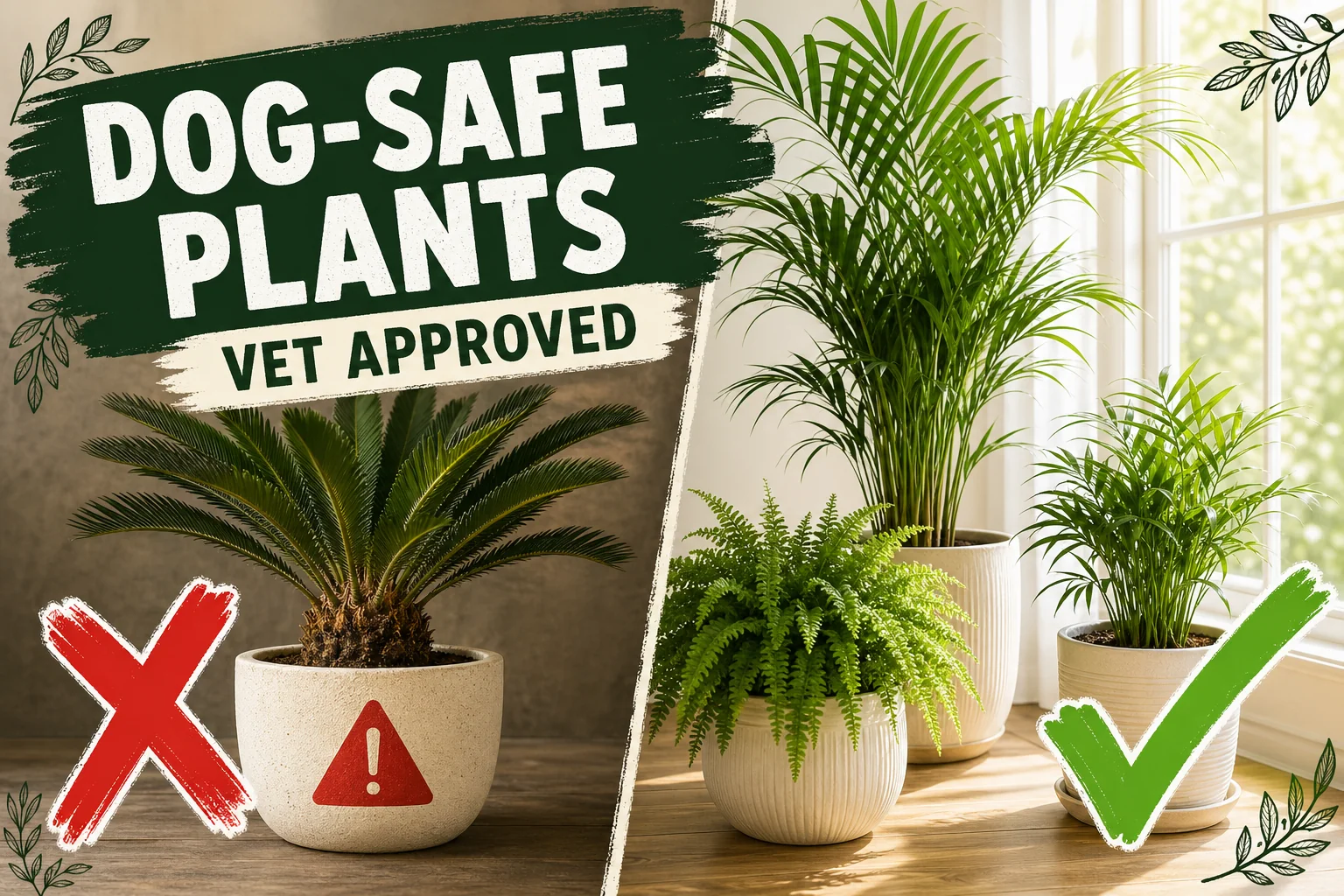
ASPCA-verified dog-safe houseplants include areca palm, Boston fern, parlor palm, spider plant, African violet, calathea, baby tears, friendship plant, peperomia, prayer plant, money tree, ponytail palm, Swedish ivy, cast iron plant, and polka dot plant. The most dangerous plants to dogs are sago palm (potentially fatal), pothos, philodendron, true lilies, dieffenbachia, and English ivy. If your dog eats any plant you cannot identify as safe, call the ASPCA Poison Control Center at (888) 426-4435 immediately.
The 15+ best dog-safe houseplants (ASPCA verified)
All plants in this list appear on the ASPCA’s non-toxic plant database as safe for dogs. “Non-toxic” means the plant does not contain compounds that cause serious harm. Mild stomach upset from eating large quantities is always possible with any plant material, so discourage chewing even with safe species.
1. Areca palm (Dypsis lutescens)
The best large-statement pet-safe plant you can buy. Areca palm grows 1.5–1.8 m (5–6 ft) indoors, tolerates average humidity, and thrives in bright indirect light. Completely non-toxic to dogs and cats.
Care: Bright indirect light, water when the top 5 cm (2 in) of soil is dry, mist occasionally in dry winters.
2. Boston fern (Nephrolepis exaltata)
A classic hanging plant that is fully safe for dogs. Boston fern’s arching fronds look lush in a hanging basket — which also puts the plant out of easy reach for most dogs. Prefers high humidity and indirect light.
Care: Indirect light, keep soil evenly moist, mist or use a pebble tray in low-humidity homes.
3. Parlor palm (Chamaedorea elegans)
One of the most tolerant indoor palms and completely dog-safe. Parlor palm handles lower light than areca palm, making it ideal for rooms without strong natural light. Slow-growing and compact at 60–90 cm (24–36 in).
Care: Low to bright indirect light, water when the top 3 cm (1 in) of soil is dry.
4. Spider plant (Chlorophytum comosum)
Spider plants are non-toxic on the ASPCA list, though they contain mildly hallucinogenic compounds distantly related to opiates. Dogs that eat large amounts may vomit briefly — usually mild and self-limiting. Still one of the safest and easiest plants you can own.
Care: Bright indirect light, water when the top 3 cm (1 in) of soil is dry, use distilled water to avoid brown tips. See our complete spider plant care guide.
5. African violet (Saintpaulia ionantha)
African violets are the safest flowering houseplant for dog households. Non-toxic to dogs and cats, compact (15–20 cm / 6–8 in wide), and they bloom almost year-round in bright indirect light.
Care: Bright indirect light, water from the bottom to avoid crown rot, keep between 18–24°C (65–75°F).
6. Calathea / Prayer plant family (Calathea spp., Maranta leuconeura)
All calathea varieties and prayer plants (Maranta) are non-toxic to dogs. These are some of the most visually dramatic pet-safe plants available — calathea orbifolia, rattlesnake plant, peacock plant, and zebra plant are all safe choices with bold patterned leaves.
Care: Medium to bright indirect light, keep soil consistently moist but not soggy, high humidity preferred.
7. Baby tears (Soleirolia soleirolii)
A low creeping plant with tiny rounded leaves that forms a dense moss-like mat. Non-toxic to dogs. Works beautifully as a ground cover around larger pet-safe container plants or in terrariums.
Care: Indirect light, keep moist, thrives in humid environments.
8. Friendship plant (Pilea involucrata)
The friendship plant’s deeply textured, quilted leaves make it one of the more underrated dog-safe tropical plants. Compact at under 30 cm (12 in) and non-toxic.
Care: Medium indirect light, let the top 2–3 cm (1 in) of soil dry out between waterings.
9. Peperomia (Peperomia spp.)
The peperomia family — watermelon peperomia, ripple peperomia, baby rubber plant — are all non-toxic to dogs. They are extremely forgiving of neglect, tolerate low light, and rarely need repotting.
Care: Low to medium indirect light, allow the soil to partially dry between waterings, well-draining mix essential.
10. Money tree (Pachira aquatica)
The braided money tree is non-toxic to dogs. It is one of the most popular “good luck” plants and a legitimate dog-safe alternative to the toxic jade plant that is often sold alongside it.
Care: Bright indirect light, water thoroughly then allow the top 5 cm (2 in) to dry, thrives in 18–26°C (65–80°F).
11. Ponytail palm (Beaucarnea recurvata)
Not a true palm — it is a succulent. The ponytail palm stores water in its swollen base, tolerates drought, and is completely non-toxic to dogs. It can live for decades and grow into a dramatic specimen plant.
Care: Full sun to bright indirect light, water only when the soil is fully dry — every 3–4 weeks in winter.
12. Swedish ivy (Plectranthus australis)
A trailing non-toxic plant that works as a direct visual replacement for pothos in a dog household. Round scalloped leaves, fast-growing, and easy to propagate from cuttings.
Care: Bright indirect light, allow the top half of the soil to dry between waterings.
13. Cast iron plant (Aspidistra elatior)
True to its name, the cast iron plant tolerates low light, irregular watering, dust, and temperature swings better than almost any other houseplant. Non-toxic to dogs and one of the best choices for a dark hallway or bedroom.
Care: Low to medium indirect light, water when the top 5 cm (2 in) of soil is dry, feeds rarely (once in spring is enough).
14. Polka dot plant (Hypoestes phyllostachya)
A compact, colourful plant with pink, red, or white spotted leaves. Non-toxic to dogs. Grows 20–30 cm (8–12 in), making it easy to place out of reach on a shelf.
Care: Bright indirect light, keep soil moist but not waterlogged, pinch back regularly to prevent legginess.
15. Haworthia (Haworthia spp.)
Unlike aloe vera — which is toxic to dogs — haworthia succulents are listed as non-toxic. They look similar to aloe with rosette-shaped fleshy leaves and require the same minimal care. A safe succulent swap for dog households.
Care: Bright indirect light, water only when the soil is bone dry, well-draining cactus mix essential.
Dog-safe vs. toxic plants: comparison table
| Plant | Safe for dogs? | Toxin (if toxic) | Risk level |
|---|---|---|---|
| Areca palm | Yes | — | None |
| Boston fern | Yes | — | None |
| Parlor palm | Yes | — | None |
| Spider plant | Yes (with caution) | Mild opiate-like compounds | Very low |
| African violet | Yes | — | None |
| Calathea | Yes | — | None |
| Peperomia | Yes | — | None |
| Money tree | Yes | — | None |
| Ponytail palm | Yes | — | None |
| Sago palm | NO | Cycasin | Potentially fatal |
| Pothos | NO | Calcium oxalate crystals | Moderate–High |
| Philodendron | NO | Calcium oxalate crystals | Moderate–High |
| Dieffenbachia | NO | Calcium oxalate crystals | Moderate–High |
| True lilies | NO | Unknown nephrotoxin | Potentially fatal |
| English ivy | NO | Triterpenoid saponins | Moderate |
| Aloe vera | NO | Anthraquinones (saponins, aloin) | Moderate |
| Peace lily | NO | Calcium oxalate crystals | Moderate |
| ZZ plant | NO | Calcium oxalate crystals | Moderate |
Most toxic houseplants for dogs
Sago palm (Cycas revoluta) — the most dangerous
Every part of the sago palm — seeds, leaves, stem, roots — contains cycasin, a toxin that destroys liver cells. A dog that eats even a small number of seeds can develop acute liver failure within 24–72 hours. Survival rate is low when treatment is delayed. If you own a sago palm and have a dog, remove it permanently.
Symptoms: vomiting (often immediate), diarrhea, lethargy, abdominal pain, jaundice, bleeding disorders, seizures, liver failure.
Pothos (Epipremnum aureum)
Pothos contains insoluble calcium oxalate crystals — needle-like structures that embed in the tongue, gums, and throat on contact. Symptoms: immediate pawing at the mouth, drooling, oral swelling, vomiting, and difficulty swallowing. Rarely fatal but extremely painful, and one of the most common plant poisoning calls the ASPCA receives.
Philodendron (Philodendron spp.)
All philodendrons — heartleaf, split-leaf, Brasil, micans — contain the same calcium oxalate crystals as pothos. Symptoms and risk are essentially identical.
Dieffenbachia (Dieffenbachia spp.)
Also called “dumb cane.” One of the highest calcium oxalate concentrations of any common houseplant — the crystals can temporarily paralyze the vocal cords and tongue in severe cases.
True lilies (Lilium and Hemerocallis spp.)
Far more dangerous to cats than dogs, but Easter lily, tiger lily, and daylily still cause significant vomiting, diarrhea, and lethargy in dogs. Keep them out of dog-accessible areas.
English ivy (Hedera helix)
Contains triterpenoid saponins. Ingestion causes drooling, vomiting, diarrhea, and abdominal pain. Sap contact also causes skin irritation.
Aloe vera (Aloe barbadensis miller)
The yellow latex layer beneath the skin contains anthraquinones (aloin, saponins) that irritate the intestines. Dogs that ingest aloe show vomiting, diarrhea, lethargy, and in larger exposures, low blood glucose.
Symptoms of plant toxicity in dogs
If your dog has eaten any plant you cannot confirm is safe, watch for these signs:
Oral / immediate: excessive drooling, pawing at the mouth, vomiting within minutes, visible swelling of lips or tongue.
Gastrointestinal (30 min – several hours): vomiting, diarrhea, loss of appetite, abdominal pain (hunching, reluctance to move).
Systemic (hours to days — serious toxicity): lethargy, tremors or seizures, difficulty breathing, yellow tinge to gums or eyes (jaundice — liver involvement), unusual thirst or urination, collapse.
Systemic symptoms are an emergency. Go to a vet immediately.
ASPCA poison hotline and what to do if your dog eats a plant
ASPCA Animal Poison Control Center: (888) 426-4435 Available 24/7. A consultation fee may apply.
What to do:
- Identify the plant — take a photo.
- Note how much your dog ate and when.
- Call (888) 426-4435 or your emergency vet immediately.
- Do not induce vomiting unless instructed — with calcium oxalate plants, it causes additional injury.
- If your vet is closed, go to an emergency animal hospital.
Save this number in your phone now. In a poisoning emergency, fumbling for a number costs precious minutes.
How to dog-proof your plant collection
You do not have to choose between beautiful plants and a safe home for your dog. A few practical strategies:
Replace the highest-risk plants. Pothos and philodendron are the most common toxic plants in dog households. Replace them with dog-safe trailing alternatives like Swedish ivy or heartleaf peperomia.
Hang toxic plants out of reach. High shelves, macrame hangers, and ceiling hooks keep most plants inaccessible. Use the Tazart app to identify any plant in your home and instantly check its toxicity status.
Use physical barriers. Plant stands, glass terrariums, and closed rooms reduce access. For outdoor gardens, know the hazards too — foxglove and azalea are common outdoor toxic plants for dogs.
Train a “leave it” command. Basic training significantly reduces plant chewing, especially in puppies.
Monitor puppies closely. Young dogs chew everything. During the puppy phase, keep only ASPCA-verified safe plants in any room the puppy can access.
Watch: Dog safe houseplants video guide
This video walkthrough covers the most popular ASPCA-verified dog-safe houseplants and what to look for when building a pet-friendly indoor garden.
Frequently asked questions
See the FAQ section below for answers to the most-searched questions about dog-safe houseplants, including whether spider plants, pothos, aloe, and calathea are safe for dogs.
Related reading
- How to take care of a spider plant — full care guide for one of the most popular dog-safe trailing plants
- Pothos plant care — if you keep pothos, learn how to place it safely and watch for signs of chewing
- How to take care of a snake plant — note: snake plant (Dracaena trifasciata) is mildly toxic to dogs; this guide helps you decide if it fits your household
Sources and further reading in the references block below. For medical emergencies, always call the ASPCA Animal Poison Control Center at (888) 426-4435 or an emergency veterinarian — this article is a care reference, not a substitute for professional advice.
Highly recommended
The supplies that make this guide work
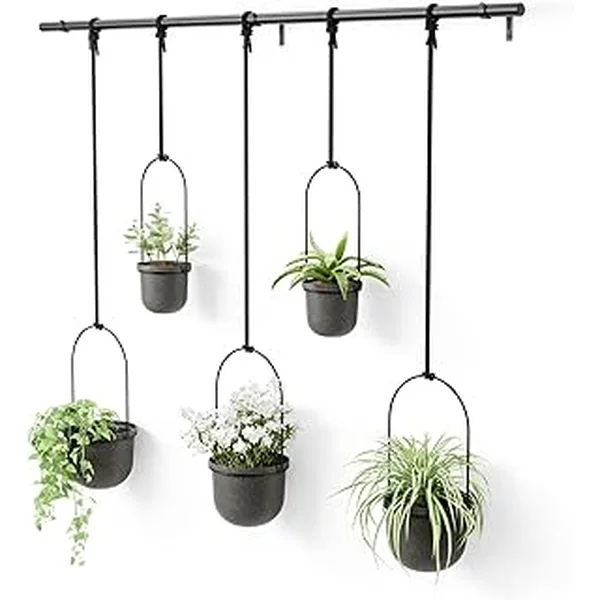

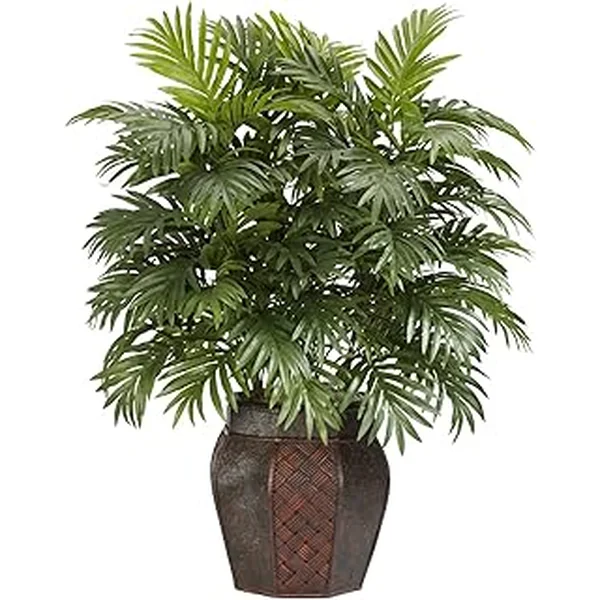
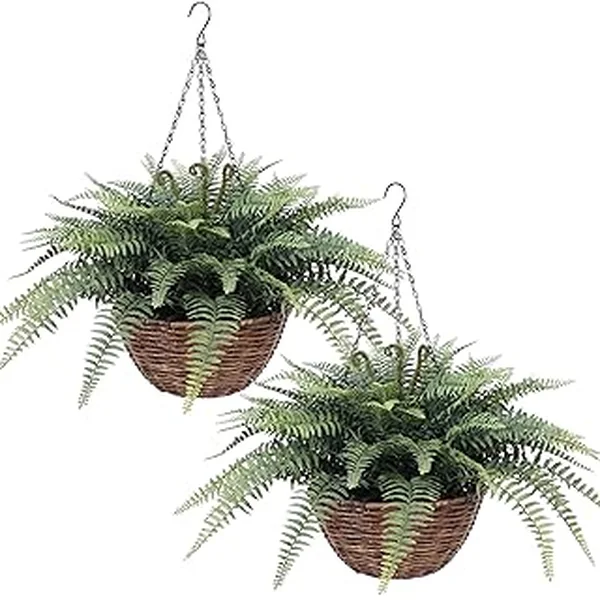
Tazart is an Amazon Associate — we earn from qualifying purchases at no extra cost to you. Thank you for helping us keep these guides free.
Frequently asked questions
Are spider plants toxic to dogs?
Spider plants are listed as non-toxic to dogs by the ASPCA. However, they contain compounds mildly related to opiates that can cause vomiting or diarrhea if your dog eats a large amount. The reaction is almost always mild and self-limiting, but it's still best to discourage chewing.
Is pothos toxic to dogs?
Yes. Pothos (Epipremnum aureum) is toxic to dogs and cats. It contains insoluble calcium oxalate crystals that cause immediate oral pain, drooling, swelling of the mouth and throat, vomiting, and difficulty swallowing. Keep it on high shelves where dogs cannot reach it, or replace it with a non-toxic trailing plant like Swedish ivy.
Is aloe vera toxic to dogs?
Yes. The latex layer just beneath the aloe leaf skin contains compounds called anthraquinones (saponins and aloin) that are toxic to dogs. Symptoms include vomiting, diarrhea, lethargy, and in larger amounts, low blood sugar and tremors. The clear gel inside the leaf is generally low-risk, but the whole plant is best kept out of reach.
What is the most dangerous houseplant for dogs?
Sago palm (Cycas revoluta) is by far the most dangerous common houseplant for dogs. Every part of the plant — seeds, leaves, roots — contains cycasin, a toxin that causes severe liver failure. Even a few seeds can be fatal. Survival rates are low when ingestion isn't caught within hours. If you have a dog, do not keep sago palm anywhere in or around your home.
What should I do if my dog eats a houseplant?
Call the ASPCA Animal Poison Control Center immediately at (888) 426-4435 (available 24/7, consultation fee may apply) or take your dog to an emergency vet. Try to identify the plant and bring a photo or sample. Do not induce vomiting unless instructed by a vet or poison control specialist — with some plant toxins, vomiting makes the injury worse.
Are calathea plants safe for dogs?
Yes. Calathea (Calathea spp., now reclassified as Goeppertia) is listed as non-toxic to dogs and cats by the ASPCA. It is one of the best choices for pet households because it is both safe and genuinely beautiful, with striking patterned leaves in dozens of varieties.
Are prayer plants safe for dogs?
Yes. Prayer plant (Maranta leuconeura) is non-toxic to dogs and cats. It is safe to have in a home with pets and is a particularly good low-light option for dog households looking to add tropical colour without any toxicity risk.