Flowers
Dipladenia Plant Care (All-Summer Trumpet Blooms)
Get Dipladenia (Mandevilla sanderi) to bloom non-stop all summer. Full care guide: light, watering, soil, feeding, pruning, overwintering, and common problems solved.
On this page
- Quick answer
- Dipladenia vs Mandevilla — what’s the difference?
- What Dipladenia needs to bloom non-stop
- Choosing a pot and soil
- Light: the single biggest factor
- Watering rhythm
- Feeding for non-stop flowers
- Pruning and deadheading
- Trellis and support
- Pests and diseases
- Overwintering Dipladenia
- Common mistakes to avoid
- Troubleshooting
- Watch: Dipladenia care video guide
- Related reading
- A note on conditions
Watch the visual walkthrough
Plant DIPLADENIA With Me 🌺 The Best Flowers for Hot Full-Sun Areas
Today I'm planting Dipladenia in pots around my pool // WHAT TO WATCH NEXT ◼︎ HUSTLING TO GET MY DIPLADENIA ...
Dipladenia (Mandevilla sanderi) is the easiest tropical flowering vine you can buy. Plant it in a sunny spot with free-draining soil, water it correctly, and it rewards you with bright trumpet-shaped flowers from late spring all the way through to first frost — months of non-stop colour with almost no fuss.
This guide covers exactly what Dipladenia needs to bloom heavily, how to keep it healthy in pots or in the ground, how to fix the four problems every grower hits, and how to overwinter it so it comes back even bushier next year.
Quick answer
Grow Dipladenia in full sun (6+ hours direct light), in a free-draining peat-free potting mix, in a container with drainage holes. Water deeply when the top 2–3 cm (0.75–1 in) of soil is dry — usually every 2–4 days in summer. Feed every 2 weeks with a high-phosphorus bloom fertilizer. Give it a trellis or cage at least 1.2 m (4 ft) tall to climb. Hardy outside year-round only in USDA zones 9–11; overwinter indoors at 13–18°C (55–65°F) elsewhere. Expect non-stop trumpet blooms from late spring to first frost.
Dipladenia vs Mandevilla — what’s the difference?
You’ll see both names used at garden centres and they’re often mixed up. Here’s the practical version:
- Dipladenia (Mandevilla sanderi cultivars): bushier, more compact, smaller glossy leaves, typically grows to 60–90 cm (24–36 in). Flowers tend to be hot pink, white, or red. Easier in containers and hanging baskets.
- Mandevilla (Mandevilla x amabilis and similar): taller, more vigorous twining climber, larger leaves, can reach 3–4.5 m (10–15 ft). Flowers are larger, usually pink or red.
Both share the same care rules — full sun, free-draining soil, regular feeding, a support to climb. If your label just says “Dipladenia,” assume the compact bushy type and a smaller mature size.
What Dipladenia needs to bloom non-stop
Dipladenia is a tropical native of South America, so it loves warmth, light, and a wet-then-dry watering rhythm — the opposite of constantly damp.
| Need | Sweet spot |
|---|---|
| Light | 6+ hours direct sun (light afternoon shade only above 35°C / 95°F) |
| Temperature | 18–29°C (65–85°F) actively growing; never below 10°C (50°F) |
| Soil | Free-draining peat-free potting mix; pH 6.0–7.0 |
| Watering | Deep soak when top 2–3 cm (0.75–1 in) is dry |
| Feeding | High-phosphorus bloom fertilizer every 2 weeks in growing season |
| Support | Trellis, obelisk, or cage at least 1.2 m (4 ft) tall |
| Hardiness | USDA zones 9–11 outside year-round; tender container plant elsewhere |
Get those right and the plant blooms by itself. The rest of this guide is just how to dial each one in.
Choosing a pot and soil
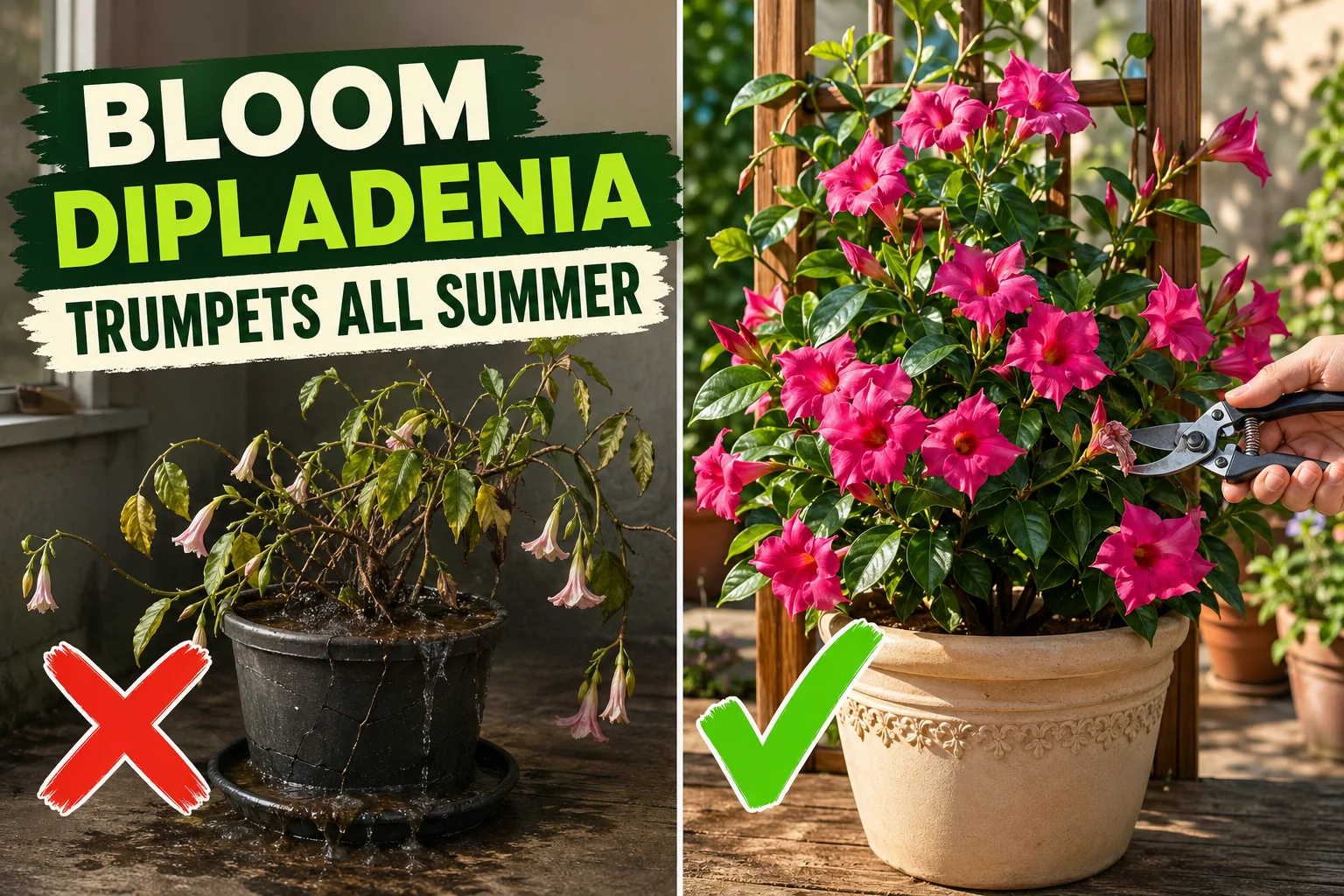
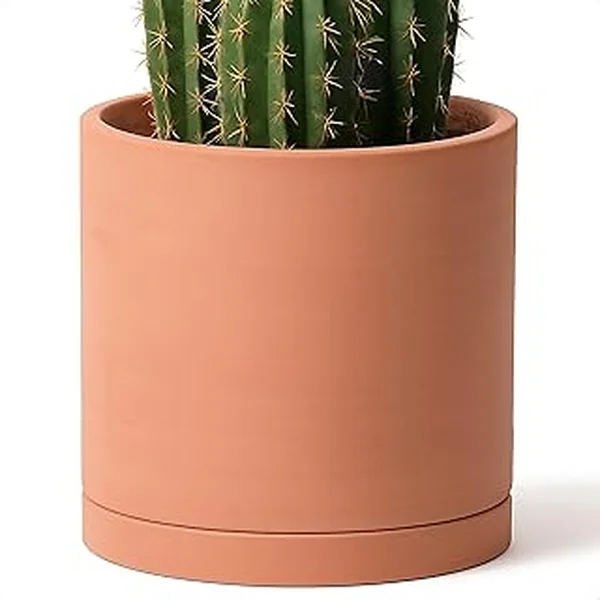
A 25–30 cm (10–12 in) terracotta pot is ideal for a single Dipladenia. Terracotta breathes, holds warmth from sunlight, and dries out faster than glazed ceramic — exactly what these plants want. Make sure there are drainage holes; a pot without drainage will rot the roots within a week or two.
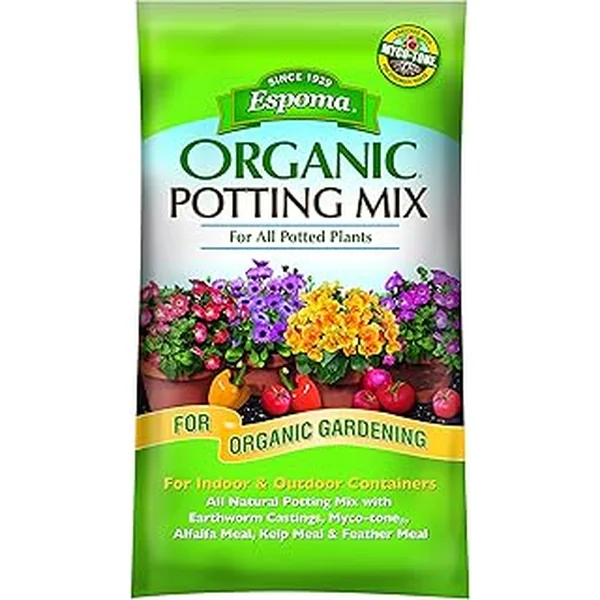
Use a free-draining peat-free outdoor potting mix. Avoid heavy “moisture-control” composts and pure peat — they hold too much water at the root zone. If your mix feels dense, lighten it by adding 20–30% perlite or coarse horticultural grit by volume.
For garden bed planting (only realistic in zones 9–11), choose the sunniest spot you have, work in plenty of compost, and make sure water drains away after rain. Heavy clay soil that puddles after rain will kill Dipladenia in its first wet winter.
Light: the single biggest factor
If your Dipladenia isn’t blooming, light is almost always the reason.
- Full sun (6+ hours direct): lots of buds, deep flower colour, compact bushy growth.
- 4–6 hours direct: fewer flowers, longer gaps between flushes, slightly leggy.
- Less than 4 hours: leaves only, almost no flowers, weak stems, prone to mildew.
Indoors, only a south- or west-facing window with no obstruction will provide enough light. Most indoor spots — even bright ones — produce leaves and very few blooms over a season. If you don’t have outdoor space and want flowers, a basic 30 W full-spectrum LED grow light run for 10–12 hours a day directly above the plant will get you most of the way there.
Watering rhythm
Dipladenia uses water fast in heat and almost stops drinking in cool weather. Don’t water on a fixed weekly schedule — check the soil with a finger.
The rule: water deeply when the top 2–3 cm (0.75–1 in) of soil feels dry to the touch, then let it dry to that point again before the next soak.
In practice, in a 30 cm (12 in) terracotta pot in full sun:
- Heatwave (above 30°C / 86°F): every 1–2 days
- Normal summer (24–29°C / 75–85°F): every 2–4 days
- Spring/autumn (15–22°C / 60–72°F): every 5–7 days
- Indoor overwintering (13–18°C / 55–65°F): every 10–14 days
When you water, water until you see drips coming out of the drainage holes — half-watering creates a dry pocket of root the plant can’t use.
A free plant care app like Tazart can hold the watering schedule for you, adjust it for your local weather and pot size, and ping you on Apple Watch when it’s time — handy if you’re growing more than one or two patio plants.
Feeding for non-stop flowers
Dipladenia is a heavy feeder during the bloom season. Without enough phosphorus you get leafy growth and almost no buds.
The simplest reliable schedule:
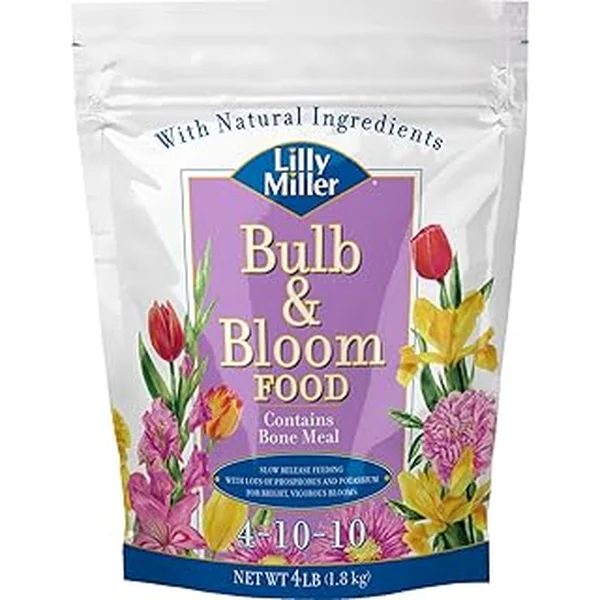
- April–May (start of growing season): apply a slow-release granular bloom fertilizer to the top of the pot. Lightly scratch it into the soil surface and water in.
- June–September (peak bloom): liquid feed with a high-phosphorus bloom fertilizer (look for an N-P-K like 10-30-20 or similar) every 2 weeks at half the strength on the label.
- October onward: stop feeding. Let the plant slow down naturally before overwintering.
Avoid lawn-style high-nitrogen fertilizers — they push lush leaves at the expense of flowers. If buds aren’t forming and the foliage looks dark green and oversized, you’ve over-fertilized with nitrogen.
Pruning and deadheading
Dipladenia flowers on new growth, so light regular pruning actually drives more blooms.
- Deadhead spent flowers weekly. Pinch or snip off faded trumpets at the base of the flower stem. This stops the plant putting energy into seed and triggers more buds.
- Pinch tips in early summer. Removing the top 2–3 cm (0.75–1 in) of each main stem encourages branching and more flower-bearing shoots.
- Hard prune in late winter. Before new growth resumes, cut stems back by one-third to one-half to keep the plant compact and full. New shoots from below the cut will be the season’s flowering wood.
Always wear gloves — the milky white sap can irritate skin.
Trellis and support
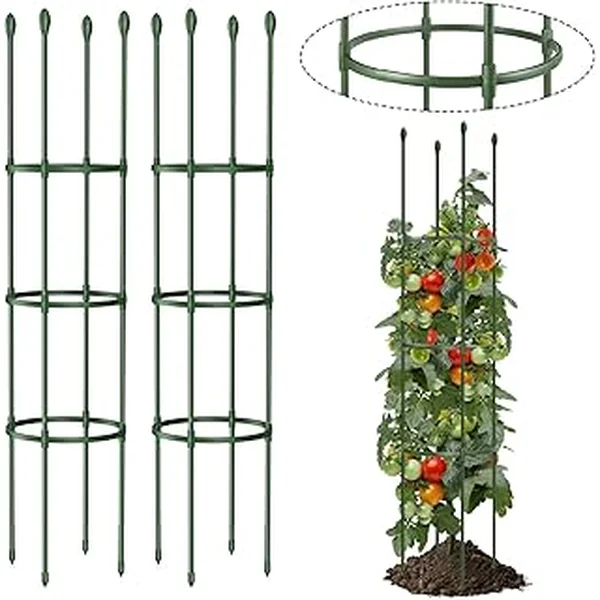
Even compact Dipladenia varieties twine. Without a support, the stems sprawl, tangle, and stop forming flower buds. Install a 1.2–1.8 m (4–6 ft) trellis, obelisk, or simple tomato cage in the pot at planting time so you don’t damage the roots later. Loosely tie new stems to the support every couple of weeks until they take hold themselves.
Pests and diseases
Dipladenia is generally tough but watch for:
- Aphids and whiteflies on new growth — blast off with a strong jet of water or wipe with insecticidal soap.
- Spider mites in hot dry conditions — fine webbing under leaves; mist the foliage and treat with neem oil.
- Mealybugs in leaf joints — dab each one with a cotton swab dipped in 70% isopropyl alcohol.
- Powdery mildew in damp shady conditions — improve air flow, reduce overhead watering, move to a sunnier spot.
- Root rot from soggy soil — the leading killer. Repot into fresh dry mix and cut watering back hard.
Overwintering Dipladenia
Outside USDA zones 9–11, Dipladenia is grown as a tender container plant and brought indoors before frost.
- Before night temperatures drop below 10°C (50°F), cut the plant back by about a third and inspect for pests.
- Move it indoors to a bright cool spot at 13–18°C (55–65°F) — a porch, conservatory, garage with a window, or south-facing windowsill.
- Reduce watering to roughly every 10–14 days — only enough to stop the soil drying out completely.
- Stop feeding until growth resumes in spring.
- After the last frost in spring, harden off over a week and return outside. Resume normal watering and feeding.
Expect some leaf drop indoors over winter — it’s normal and the plant rebounds quickly once it’s back in full sun.
Common mistakes to avoid
- Heavy moisture-control compost. It holds too much water at the roots and rots the crown.
- Pots without drainage. Standing water = dead Dipladenia within days in heat.
- High-nitrogen lawn fertilizer. Lush leaves, no flowers. Use a bloom-boosting feed instead.
- Letting it sprawl without a trellis. Twining vines that can’t grip stop budding.
- Leaving it outside through frost. A single night below −1°C (30°F) kills the top growth; a few in a row will kill the roots too.
- Watering on a fixed weekly schedule. Always check the top 2–3 cm (0.75–1 in) first.
Troubleshooting
| Symptom | Likely cause | Fix |
|---|---|---|
| Yellow leaves dropping | Overwatering / soggy soil | Let soil dry to a depth of 5 cm (2 in); check drainage; repot if soil is sour |
| Few or no flowers | Not enough light or wrong fertilizer | Move to full sun (6+ hr); switch to high-phosphorus bloom feed |
| Leggy stems with big leaves | Too much nitrogen | Stop feeding for 4 weeks; switch to bloom fertilizer; pinch tips |
| Buds form but drop before opening | Erratic watering or sudden temperature swing | Water on a steady wet-then-dry rhythm; protect from cold drafts |
| Crispy brown leaf edges | Heat scorch or underwatering | Light afternoon shade above 35°C (95°F); water more deeply |
| Fine webbing under leaves | Spider mites | Mist daily; treat with neem oil weekly until clear |
| White cottony clusters in leaf joints | Mealybugs | Dab each cluster with 70% isopropyl alcohol on a cotton swab |
| Stems collapse after a cold night | Frost damage | Cut back damaged growth; bring indoors; healthy roots will resprout in spring |
Watch: Dipladenia care video guide
A short visual walkthrough pairs well with the steps above. If you’re a visual learner, watch a quick tutorial like Dipladenia Plant Care on YouTube and then come back to follow the timing in this guide.
Related reading
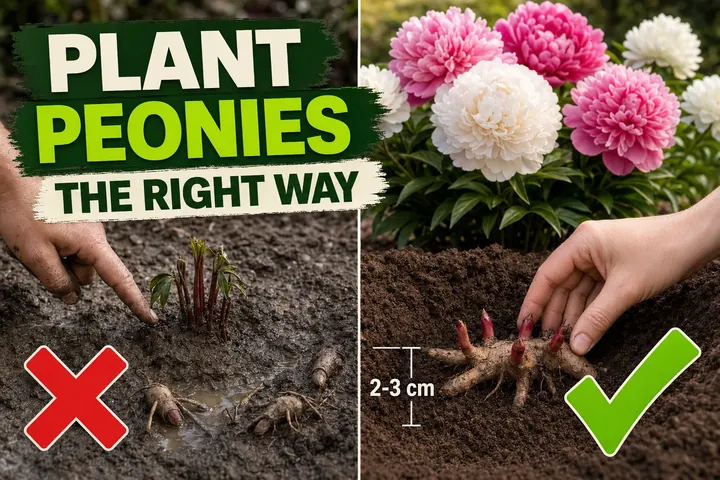
- How to plant peony bulbs the right way — the same “free-draining soil and full sun” rule applies for big bloom production.
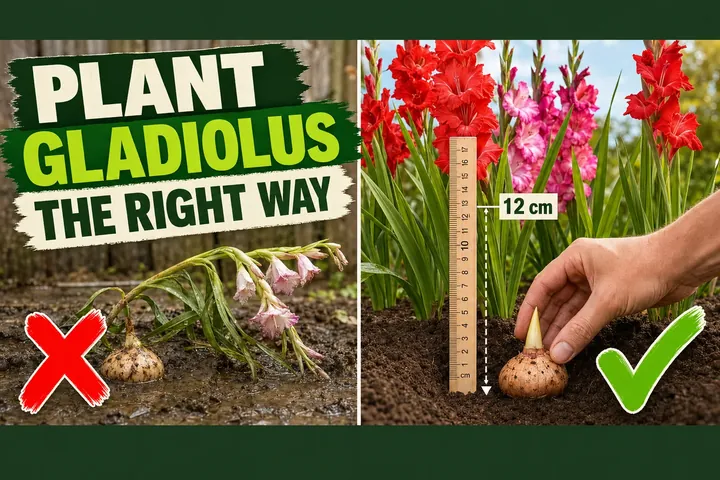
- How deep to plant gladiolus bulbs — another sun-loving summer bloomer that pairs beautifully alongside Dipladenia.
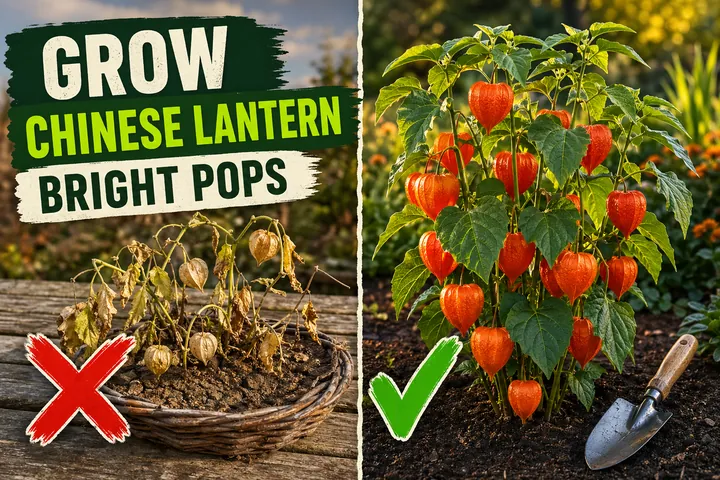
- Chinese lantern plant care — if you love unusual flowering plants, Chinese lanterns add autumn drama after Dipladenia winds down.
- Scan the next plant you bring home with the free Tazart plant identifier and let it set up the watering schedule for you.
A note on conditions
Every garden is different. Light intensity, pot size, soil mix, season, humidity, your local heat and rainfall all change how often Dipladenia needs water and how much fertilizer it can handle. Use the steps above as a starting point and adjust based on what your plant actually does in week two — that’s how every good plant grower learns.
Highly recommended
The supplies that make this guide work
Tazart is an Amazon Associate — we earn from qualifying purchases at no extra cost to you. Thank you for helping us keep these guides free.
Frequently asked questions
Is Dipladenia the same as Mandevilla?
They're closely related but not identical. Both are in the genus Mandevilla (family Apocynaceae). 'Dipladenia' is the older botanical name, now used commercially for the bushier, smaller-leaved, more compact varieties (mostly Mandevilla sanderi cultivars). True 'Mandevilla' in the trade usually refers to taller, more vigorous climbing types like Mandevilla x amabilis. Care is essentially the same — full sun, free-draining soil, regular feeding.
Does Dipladenia like full sun?
Yes. Dipladenia needs at least 6 hours of direct sun a day to bloom heavily. In very hot climates (above 35°C / 95°F sustained), a few hours of dappled afternoon shade prevents leaf scorch, but anything less than 4–5 hours of direct light will cut flowering dramatically and you'll see leggy stems with no buds.
How often should I water a Dipladenia?
Let the top 2–3 cm (0.75–1 in) of soil dry out between waterings. In peak summer that's usually every 2–4 days for a 30 cm (12 in) pot in full sun; in cooler weather every 5–7 days. Always water deeply until it drips from the drainage holes, then let it dry — Dipladenia hates soggy feet far more than it minds being slightly thirsty.
Why is my Dipladenia not blooming?
The four most common causes are: (1) not enough light — fewer than 6 hours of direct sun; (2) too much nitrogen-heavy fertilizer pushing leaves at the expense of flowers; (3) over- or underwatering, both of which abort flower buds; (4) no support to climb — twining vines that can't grip stop setting buds. Switch to a high-phosphorus bloom feed, move to full sun, install a trellis, and you'll usually see new buds within 2–3 weeks.
Can Dipladenia survive winter outside?
Only in USDA zones 9–11 (where winter lows stay above −1°C / 30°F). Anywhere colder, treat it as a tender container plant and move it indoors before nights drop below 10°C (50°F). It can overwinter on a bright cool windowsill at 13–18°C (55–65°F) with reduced watering, then return outside after the last frost in spring.
Is Dipladenia toxic to pets?
Yes — like all members of the Apocynaceae family, Dipladenia contains milky sap with cardiac glycosides. Ingestion can cause vomiting, drooling, and irregular heartbeat in cats and dogs. Skin contact with the sap can also cause irritation. Keep it out of reach of pets and children, and wear gloves when pruning.