Edible
Dill Plant Care (From Seed to Harvest in 8 Weeks)
Dill bolts the moment heat hits. Here's the exact sowing timing, watering depth, pot size, and harvest cuts to get bushy fronds in 8 weeks — no bolting.
On this page
- Quick answer
- Meet the plant: Anethum graveolens
- What you’ll need
- When to plant dill: the cool-season window
- Light
- Watering
- Soil and pot size
- Direct sowing: the only reliable method
- Succession planting: the only way to have dill all summer
- Harvesting: top-cut for branching
- When to let it go to seed: dill seed (the spice)
- Care after planting: the three things that matter
- Common mistakes
- Troubleshooting
- Companion planting: what dill loves and hates
- Watch: dill from seed to harvest
- Related reading
- A note on conditions
Watch the visual walkthrough
Dill: The Underrated Herb You're Not Growing (But Should Be)
Get free seeds, shipping, and returns: https://www.epicgardening.com/greenhouse/ Dill isn't just for pickles, it's a versatile and ...
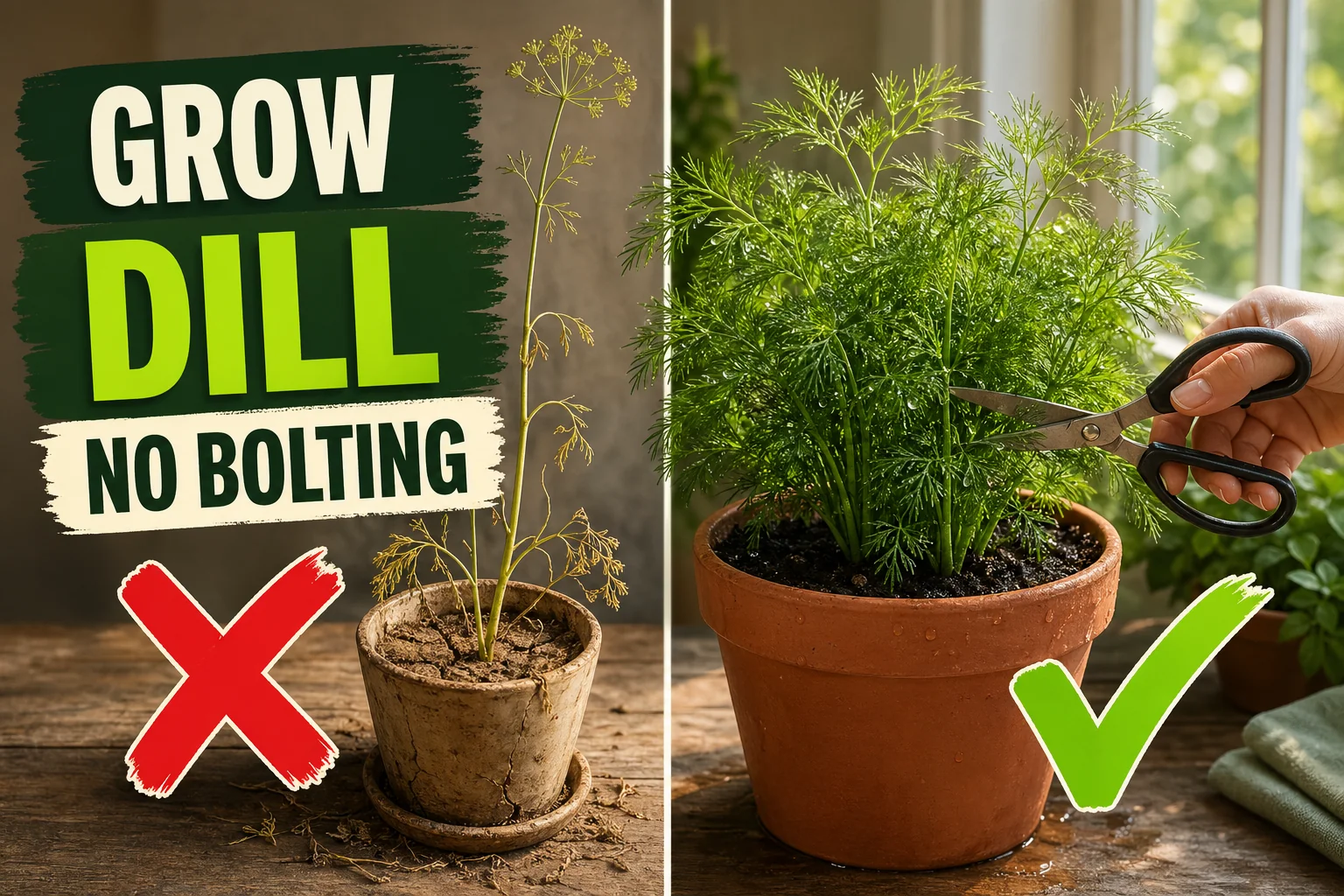
Dill is one of the easiest culinary herbs to grow — and one of the easiest to ruin. It germinates in a week, looks lush in a month, and then suddenly throws up a flower stalk, stops making fronds, and turns into a spice crop. That sudden shift is called bolting, and it’s the single thing that defines whether you get 2 weeks or 8 weeks of fresh dill from a single sowing.
The good news: bolt timing isn’t bad luck. It’s a predictable response to heat, root disturbance, and pot size. Get those three things right at planting and you’ll have feathery dill fronds for two months straight before the plant even thinks about flowering.
Quick answer
Direct sow dill seed 0.5 cm (0.25 in) deep into a sunny spot or a pot at least 25 cm (10 in) deep when soil temperature is 15–21°C (60–70°F). Thin to 25–30 cm (10–12 in) apart. Water deeply when the top 2–3 cm (0.75–1 in) of soil is dry. Begin harvesting the top 5 cm (2 in) of each stem at 4 weeks, weekly. With cool weather and regular cuts, expect 8 weeks of fronds before bolting. Sow a fresh batch every 3 weeks to keep dill on the table all season.
Meet the plant: Anethum graveolens
Dill (Anethum graveolens) is a feathery annual umbellifer — same plant family as carrots, fennel, parsley, and cilantro — grown for two crops on the same plant: the fronds (fresh dill, the soft leaves) and the seeds (dill seed, the spice). Once it bolts, it shifts from fronds to seeds; nothing you do reverses that.
Two things follow from this:
- It’s a cool-season annual, hardwired to set seed before summer drought hits. It doesn’t tolerate heat the way basil does.
- It has a long fragile taproot that hates being disturbed, which is why dill grown from seedling six-packs almost always bolts within a week of planting.
Plan around those two facts and the rest of dill care is genuinely simple.
What you’ll need
- A packet of fresh dill seed (older than 2 years germinates patchily — buy fresh)
- A pot at least 25 cm (10 in) deep with drainage holes, OR a sunny patch in a garden bed
- General-purpose potting mix or loose garden soil amended with compost
- A sunny spot — 5+ hours of direct light per day
- Scissors for harvesting
That’s the whole list. No fertilizer needed in the first month and no grow lights for outdoor plantings.
When to plant dill: the cool-season window
Dill performs best when soil temperatures stay between 15–21°C (60–70°F) during germination and early growth. There are two reliable sowing windows in most climates:
Spring window: Direct sow 2–3 weeks before your last frost date. The soil is warming but stays cool enough for 6–8 weeks of frond production before summer heat triggers bolting.
Autumn window: Direct sow 8–10 weeks before your first frost. Cooling temperatures slow the bolt trigger, so autumn dill often outlasts spring sowings in warm climates.
Year-round in mild climates: In Mediterranean or coastal climates (USDA zones 9–11), dill grows well from October through April as a winter crop.
Skip: Sowing when soil temperature is already above 24°C (75°F). Seeds germinate fine, but seedlings bolt within 3 weeks of emergence — you’ll never get a useful harvest.
If you don’t have a soil thermometer, the rule of thumb: when night temperatures stay above 13°C (55°F) and daytime temperatures cross 24°C (75°F), the leaf-production window is closing.
Light
Dill wants 5–6 hours of direct sun per day minimum. Less light gives you thin pale fronds that flop over and bolt fast.
- Cool weather: full sun is best. More light in cool conditions = denser, bushier growth.
- Warm weather: part shade in the afternoon helps. East-facing spots that get morning sun and afternoon shade can extend the harvest window by 2–3 weeks.
- Indoors: a south- or west-facing window in spring or autumn. Supplement with a basic grow light if direct light drops below 4 hours — dill stretches and bolts in low light.
Watering
Dill needs 2–3 cm (0.75–1 in) of water per week, ideally in one or two deep waterings rather than daily sips. The taproot reaches down for moisture, so deep weekly drinks train roots to grow deep and drought-tough.
- Outdoors in cool weather: weekly deep watering is usually enough; rain often fills the gap.
- Containers: check the top 2–3 cm (0.75–1 in) of soil daily in warm weather. Pots dry out fast — water deeply when that top layer is dry.
- Avoid: waterlogged soil. Dill rots quickly in standing water. Every container must have drainage holes.
Yellowing lower fronds = usually overwatering. Wilting at midday in heat with dry soil = underwatering. Wilting at midday in heat with wet soil = heat stress, not water stress; add shade, don’t add water.
Soil and pot size
Dill is not fussy about fertility, but it needs good drainage and at least 25 cm (10 in) of soil depth for the taproot to descend freely.
- pH: 6.0–7.5 is fine (mildly acidic to neutral)
- Fertility: moderate. Overly rich soil produces lush foliage that bolts slightly earlier.
- Pot depth: 25–30 cm (10–12 in) minimum. A 20 cm (8 in) pot will look fine for two weeks, then bolt.
- Pot width: at least 20 cm (8 in) per plant if growing more than one — dill clumps don’t compete well with each other in tight quarters.
- Garden beds: loosen the top 25 cm (10 in) of soil and mix in a handful of compost. Skip heavy manure — too much nitrogen pushes flowering.
Direct sowing: the only reliable method
This is the rule beginners most often break: dill must be direct sown into its final spot. Do not transplant.
The taproot is long, fragile, and so sensitive to disturbance that even careful root-ball transplants from biodegradable pots trigger bolting within a week. Garden-center six-packs of dill seedlings are nearly always bolting before you get them home — the root has already been disturbed.
How to direct sow:
- Prepare a patch or container with loose, moist potting mix. Tap the pot to settle the soil; don’t pack it down.
- Sow seeds 0.5 cm (0.25 in) deep — barely covered. Dill needs light to germinate well, so a deep sow is worse than a shallow one.
- Space seeds 5–8 cm (2–3 in) apart along a row, or 5–6 seeds in a 25 cm (10 in) pot.
- Water gently with a fine spray. Keep the surface evenly moist — not wet — until germination.
- Germination takes 7–14 days at 15–21°C (60–70°F). Below 10°C (50°F) it stalls; above 25°C (77°F) germination rate drops sharply.
- Once seedlings reach 5 cm (2 in), thin to 25–30 cm (10–12 in) apart. Snip thinnings at soil level with scissors — pulling disturbs the remaining plants’ taproots.
If you absolutely must start indoors, sow into deep biodegradable pots that go straight into the ground without disturbing the root ball — and accept that you’ll still bolt 1–2 weeks earlier than direct-sown dill.
Succession planting: the only way to have dill all summer
A single sowing gives you 6–8 weeks of fronds, then bolts. The fix isn’t a magic bolt-proof variety — it’s sowing a fresh batch every 3 weeks through the cool growing windows.
A simple succession schedule for a temperate climate (e.g., UK, northern Europe, US zones 5–7):
| Sowing | When | Expected frond harvest window |
|---|---|---|
| Batch 1 | Early April | Mid May – late June |
| Batch 2 | Late April | Early June – mid July |
| Batch 3 | Mid May | Late June – early August |
| Batch 4 | Mid August | Mid September – late October |
| Batch 5 | Early September | Early October – November |
A single 25 cm (10 in) pot per batch is enough for a household. Overhead is low; payoff is fresh dill all season.
Harvesting: top-cut for branching
Begin harvesting when plants reach about 20 cm (8 in) tall — usually 4 weeks after sowing. Don’t wait for the plant to look “big enough.” Early, regular harvest is the single best bolt-delay technique.
How to harvest:
- Use small scissors. Snip the top 5 cm (2 in) of each main stem just above a leaf node.
- Each cut triggers two new stems below the cut — that’s how bushy dill is built.
- Harvest weekly. Don’t take more than one-third of the plant in a single cut.
- Best time of day: early morning, when fronds are most turgid and aromatic.
Once you see the central stem elongating fast and the foliage thinning out into a feathery flower head, the bolt has started. At this point, harvest everything you want from that plant and start using your next succession batch.
When to let it go to seed: dill seed (the spice)
A bolted dill plant isn’t a failed plant — it’s a spice crop in progress.
- Wait for the yellow umbel flowers to fade and the seed clusters to ripen from green to tan-brown.
- Cut the seed heads into a paper bag — seeds shatter easily when fully dry.
- Air-dry for 1–2 weeks in a warm spot, then strip the seeds from the stems.
- Store in an airtight jar for cooking, or save a handful for next season’s sowing.
Leaving one or two plants per season to set seed gives you free seed for future succession sowings and a kitchen-jar full of dill seed for pickling.
Care after planting: the three things that matter
Dill is low-maintenance once it’s settled. Three jobs only:
| Task | When |
|---|---|
| Water | When the top 2–3 cm (0.75–1 in) of soil is dry — usually every 3–7 days outdoors, daily for pots in summer |
| Fertilize | Light feed only — a balanced liquid fertilizer at half strength every 3–4 weeks. Skip nitrogen-heavy feeds. |
| Harvest | Top-cut weekly from week 4. Cutting is maintenance — it keeps the plant in leaf mode. |
A free plant care app like Tazart can hold the watering schedule for you, adjust it for your local weather, and remind you on Apple Watch when it’s time — useful when you’re juggling a 3-week succession of dill batches alongside other herbs.
Common mistakes
-
Transplanting seedlings from pots or six-packs. Root disturbance from any transplant — even gentle — triggers bolting within a week. Always direct sow.
-
Using shallow containers. A pot less than 25 cm (10 in) deep restricts the taproot. Restricted taproot = stressed plant = early bolt.
-
Sowing too deep. Seeds buried more than 1 cm (0.5 in) often fail to germinate or emerge weak. Aim for 0.5 cm (0.25 in).
-
Sowing in midsummer. Soil above 24°C (75°F) almost guarantees bolting before harvest.
-
Letting seedlings stay crowded. Without thinning to 25–30 cm (10–12 in) apart, plants compete, get stressed, and bolt early.
-
Over-fertilizing. High nitrogen pushes leafy growth that flowers fast. Light feeding only.
-
Stripping leaves instead of cutting stems. Pulling fronds rips the plant; top-cutting stems makes it branch.
Troubleshooting
| Symptom | Likely cause | Fix |
|---|---|---|
| Plant flowers within 3 weeks of germinating | Soil too warm at sowing, or transplant shock | Direct sow only. Wait until soil sits 15–21°C (60–70°F). Pull and start a fresh batch. |
| Tall thin leggy stems with sparse fronds | Not enough light | Move to a spot with 5+ hours direct sun, or supplement with a basic grow light |
| Yellow lower fronds | Overwatering or waterlogged soil | Let the top 2–3 cm (0.75–1 in) dry fully. Check drainage holes. Repot if soil is soggy. |
| Wilting at midday despite wet soil | Heat stress, not water stress | Add afternoon shade. Don’t add more water — that drowns the roots. |
| Patchy germination | Old seed, deep sowing, or soil too hot/cold | Buy fresh seed each year. Sow at 0.5 cm (0.25 in). Confirm soil is 15–21°C (60–70°F). |
| Fronds taste bitter | Plant has begun bolting | Bolt has started — harvest aggressively, sow next batch, eventually save seed. |
| Tiny green/black aphids on stems | Common pest on stressed dill | Spray off with water; encourage ladybugs; tolerate light infestations — dill itself attracts beneficials. |
| Tall fern-like flower stalk shoots up | Bolting (heat or stress trigger) | No reversal. Harvest fronds, let it set seed, sow next batch. |
Companion planting: what dill loves and hates
Dill is a famously useful companion plant — but only for some neighbours.
Plant dill near:
- Brassicas (cabbage, broccoli, kale) — dill flowers attract parasitic wasps that target cabbage worms
- Cucumbers — dill attracts pollinators that boost cucumber yield
- Lettuce — light shade from dill protects lettuce in late spring
- Onions — different root depths, no competition
Don’t plant dill near:
- Carrots — both umbellifers; cross-pollination ruins seed and they share pests
- Fennel — strongly inhibits dill growth and cross-pollinates aggressively
- Tomatoes — early-stage dill helps tomatoes, but bolted dill (which is most of the time) inhibits tomato growth
Watch: dill from seed to harvest
A short visual walkthrough pairs well with the steps above. If you’re a visual learner, watch a quick tutorial like How to Grow Dill from Seed on YouTube and then come back to follow the timing in this guide. Pay attention to the depth of sowing and the top-cut harvest technique — those two visuals are worth more than 10 written paragraphs.
Related reading
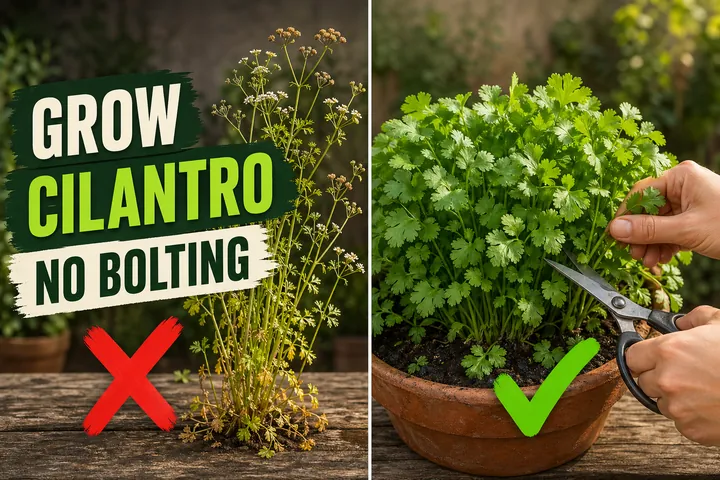
- Cilantro plant care: stop the bolting — same cool-season annual logic, same direct-sow rule. If dill bolts on you, cilantro is going to behave the same way.
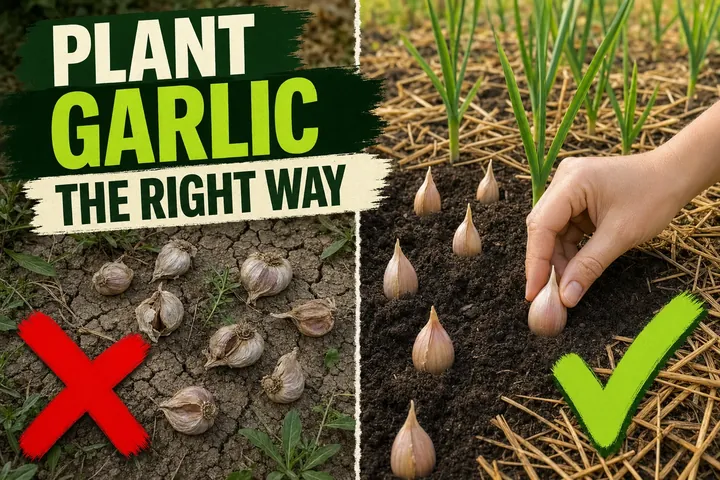
- How to plant garlic cloves the right way — another autumn-window crop that pairs well with a late dill succession in the same bed.
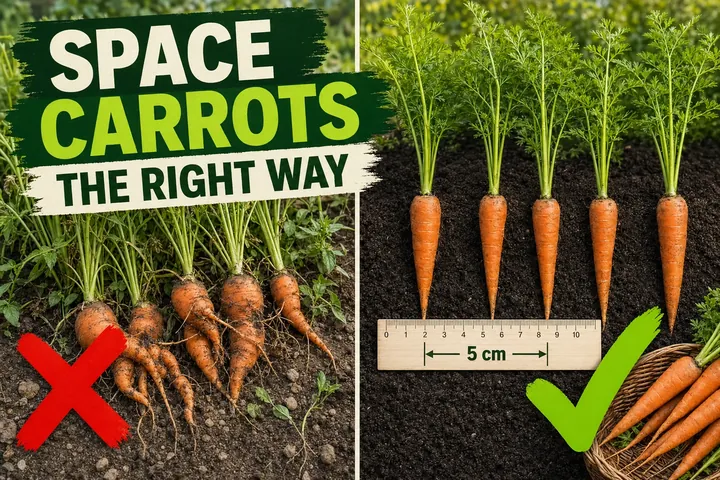
- How far apart to plant carrots — carrots are dill’s umbellifer cousin; thinning and taproot care follow the same rules.
- How to grow chives (hardy perennial herb) — unlike dill, chives are a perennial that comes back every year — plant once and harvest for a decade.
- Set a watering schedule for every herb in your kitchen with the free Tazart plant care app and let it ping you when it’s time.
A note on conditions
Every garden is different. Light, pot depth, soil mix, season, humidity, and your local weather all change how fast dill grows and when it bolts. Use the steps above as a starting point and adjust based on what your plants actually do in week three — that’s how every good herb grower learns.
Highly recommended
The supplies that make this guide work
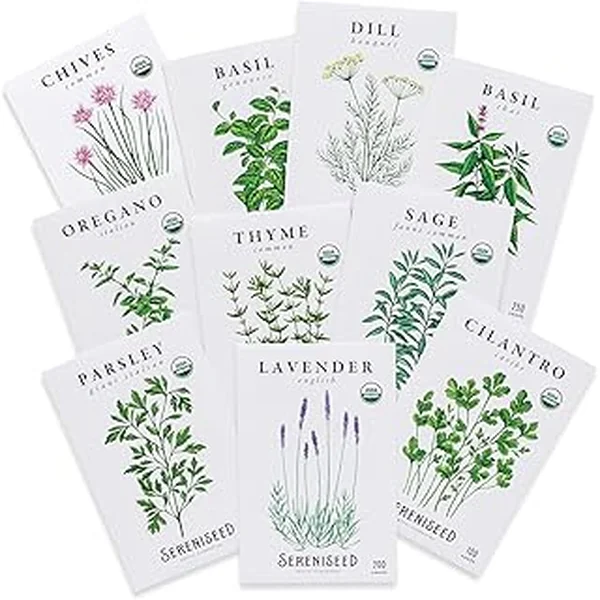
Tazart is an Amazon Associate — we earn from qualifying purchases at no extra cost to you. Thank you for helping us keep these guides free.
Frequently asked questions
Why is my dill plant flowering so fast?
Dill bolts (sends up a flower stalk and stops producing fronds) when soil temperatures climb above 24°C (75°F), when the taproot is disturbed by transplanting, or when the plant is root-bound in a shallow pot. It is a cool-season annual hardwired to set seed before summer heat arrives. Direct sow in spring or autumn, use a pot at least 25 cm (10 in) deep, and never transplant — these three rules prevent most early bolting.
How do I keep dill from bolting?
You can't fully prevent bolting — it's a genetic response to heat and day length — but you can delay it 4–6 weeks: (1) direct sow when soil is 15–22°C (59–72°F), never transplant; (2) use bolt-resistant varieties like 'Fernleaf' or 'Bouquet'; (3) give afternoon shade in warm climates; (4) harvest the top 5 cm (2 in) of every stem weekly to keep the plant in leaf mode; (5) succession sow a fresh batch every 3 weeks so a young plant is always in the leaf-production stage.
When should I plant dill?
Direct sow 2–3 weeks before your last spring frost, or 8–10 weeks before your first autumn frost. Dill germinates best at soil temperatures of 15–21°C (60–70°F). Skip sowing in midsummer when soil sits above 24°C (75°F) — the seedlings bolt within 3 weeks of germinating and you'll never get a useful frond harvest.
How often should I water dill?
Dill needs about 2–3 cm (0.75–1 in) of water per week, delivered in one or two deep drinks rather than daily sips. Let the top 2–3 cm (0.75–1 in) of soil dry between waterings. In containers, check daily in summer — pots dry out fast and drought stress accelerates bolting. Yellowing lower fronds usually mean overwatering, not underwatering.
Can I grow dill in a pot indoors?
Yes, but choose a pot at least 25–30 cm (10–12 in) deep with drainage holes. Dill has a long taproot that resents shallow containers — a cramped pot triggers bolting within weeks. Place it on a south- or west-facing windowsill that gets 5+ hours of direct light, use a quality potting mix, and harvest the top 5 cm (2 in) of stems weekly to keep growth bushy.
How do I harvest dill so it keeps growing?
Once plants reach 20 cm (8 in) tall, snip the top 5 cm (2 in) of each main stem with scissors — never pull or strip leaves. Cut just above a leaf node so the plant branches into two new stems below the cut. Harvest weekly. Don't take more than one-third of the plant in a single cut. As soon as you see a central stem elongating into a flower head, harvest aggressively — the leaf-production window is closing.