Flowers
Columbine Flower Care (Aquilegia Growing Guide for Shade Gardens)
Columbine flower care is simple — part shade, well-drained soil, even moisture, deadheading. Full Aquilegia guide to leaf miners, self-seeding, and bloom care.
On this page
- Quick answer
- What columbine is
- Light requirements
- Soil requirements
- Watering columbine
- Mulching is essential
- Fertilizing
- Deadheading
- Leaf miner damage
- Other pest and disease issues
- Self-seeding behavior
- Container growing
- Hardiness and overwintering
- Pollinators love columbine
- Common problems
- Related reading
- A note on conditions
Watch the visual walkthrough
How to Grow Columbine, Germinate Seed, Care for
Learn all the information you need to grow Columbine Flowers, aka Wild Columbine, aka Eastern Red Columbine, Aquilegia ...
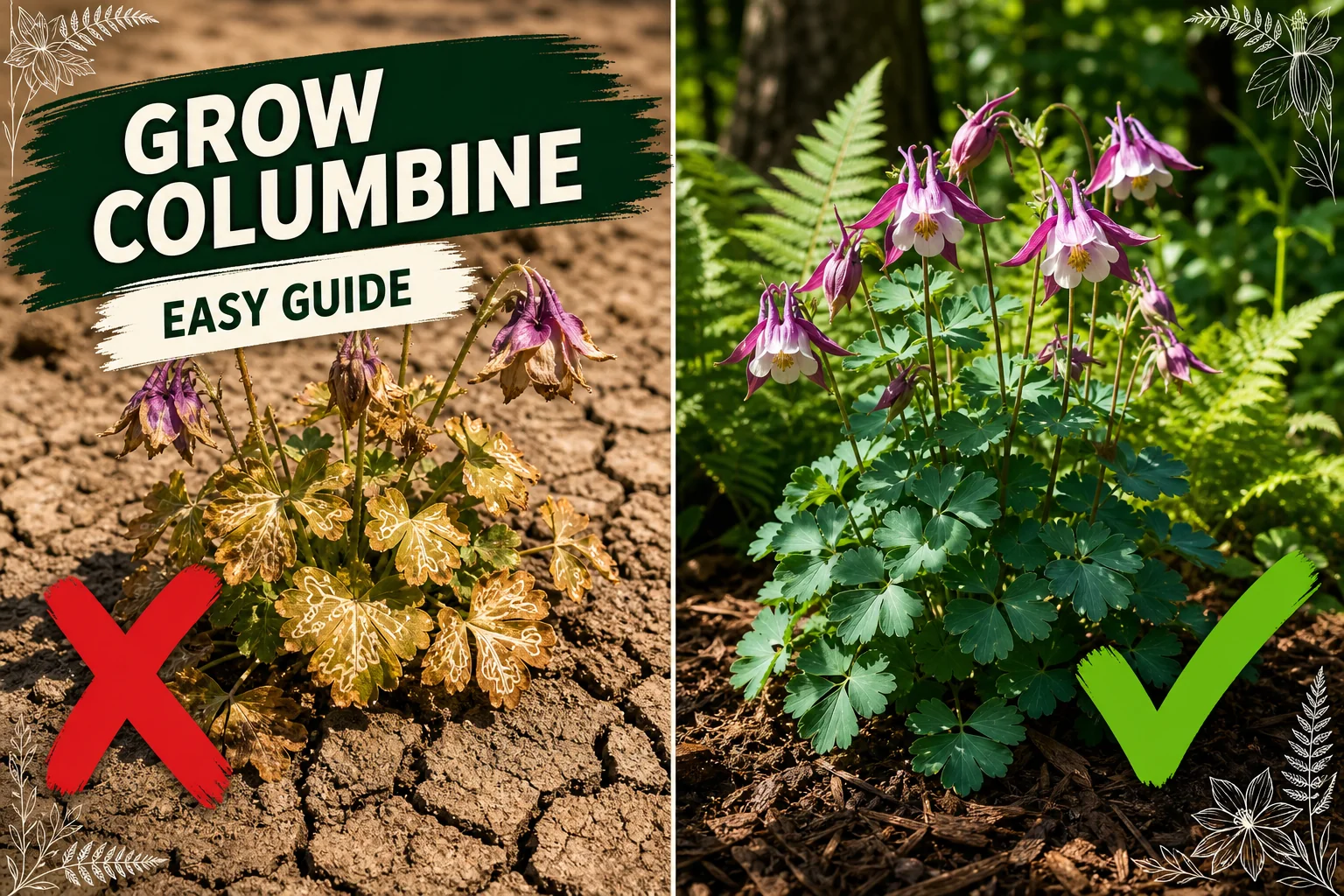
Columbine (Aquilegia) is one of the easiest perennials for shade gardens — it asks for part shade, even moisture, decent drainage, and very little else. This guide covers everything from siting and watering to leaf miner damage, deadheading, and the gentle self-seeding behavior that keeps columbine plantings going for decades.
Quick answer
Plant columbine in part shade with well-drained soil rich in organic matter. Water deeply 1-2 times per week to keep soil evenly moist. Mulch with 5 cm (2 in) of shredded bark or leaves. Deadhead for tidiness or leave spent blooms for self-seeding. Cut back tired foliage after flowering. Most plants live 3-5 years but self-seed reliably.
What columbine is
Columbine refers to plants in the genus Aquilegia — about 60-70 species of cool-climate perennials native to woodland edges and meadows across the Northern Hemisphere. Common garden columbines include A. vulgaris (European columbine, granny’s bonnet), A. canadensis (eastern red columbine, native to North America), and a wide range of hybrids known collectively as Aquilegia × hybrida.
The flowers are unmistakable: nodding bell-shaped blooms with five long backward-pointing spurs, in colors from pure white through pink, blue, purple, yellow, and bicolor combinations. The fan-shaped, deeply lobed leaves are nearly as ornamental as the flowers and persist long after blooming finishes.
Columbines bloom in late spring to early summer (April-June in most US zones). Each bloom lasts a few days; the full flowering window for a single plant is 3-4 weeks.
Light requirements
Columbines are part-shade perennials. The ideal exposure:
- 4-6 hours of morning sun followed by afternoon shade
- Dappled woodland-edge light — bright filtered shade under high tree canopy
- Full shade in hot southern climates (zones 7-9)
- Up to 6 hours of direct sun in cool northern climates (zones 3-5) where afternoon sun is gentler
What to avoid: hot full afternoon sun (1pm-5pm). It scorches leaves, shortens bloom life, and stresses the plant into early dormancy.
In hot climates, west-facing exposures are usually too intense. East-facing or north-facing slopes work better. Under deciduous trees with high canopy gives the perfect dappled light columbines evolved for.
Soil requirements
Columbines tolerate average garden soil but reward soil prep with longer-lived plants and bigger bloom displays.
What columbines need:
- pH 6.0-7.0 — slightly acidic to neutral
- Well-drained — heavy wet soil rots crowns, especially in winter
- Rich in organic matter — woodland soil with leaf mold mimics native conditions
- Moderate fertility — too much nitrogen produces lush leaves at the expense of flowers
How to prepare:
- Test soil pH if you’ve never tested the bed.
- Work 5 cm (2 in) of finished compost or leaf mold into the top 20 cm (8 in) of soil.
- If your soil is heavy clay, add coarse sand or pine bark fines to lighten it.
- Skip strong fertilizer at planting — columbines are not heavy feeders.
Watering columbine
The single most important columbine care factor is consistent moisture. Columbines hate both extremes — drought and waterlogging both shorten plant life and trigger early dormancy.
Watering schedule:
| Stage | Water |
|---|---|
| First year (establishment) | Deep watering 2x per week, keep top 5 cm (2 in) of soil moist |
| Established (year 2+) | Deep watering 1-2x per week, 2.5 cm (1 in) total per week |
| Peak summer heat | Add a third watering if rainfall is below 2.5 cm (1 in) per week |
| Fall through winter | Reduce — natural rainfall is usually sufficient |
Watering technique:
- Water at the base, never overhead — wet leaves invite fungal disease
- Deep infrequent watering beats shallow daily watering
- Drip irrigation or a watering wand at soil level is ideal
- Mulch with 5 cm (2 in) of shredded bark or leaves to dramatically reduce watering frequency
Another shade-border perennial with nearly identical moisture needs is water avens (Geum rivale), which pairs beautifully with columbine in woodland-edge plantings and blooms at a complementary height.
Mulching is essential
Columbines respond strongly to mulch. A 5 cm (2 in) layer of shredded hardwood, shredded leaves, or pine bark fines around (but not touching) the crown:
- Keeps soil moisture even — the single biggest longevity factor
- Suppresses competing weeds
- Insulates roots from temperature swings
- Mimics the leaf-litter floor of woodland habitats columbines evolved in
Refresh mulch each spring as it breaks down. Pull mulch slightly back from the crown in fall to prevent winter rot.
Fertilizing
Columbines are light feeders. Over-fertilizing produces tall floppy plants with weak stems and few blooms.
Feeding schedule:
- Once per year in early spring: a light application of balanced organic granular fertilizer (e.g. 5-5-5 or 4-3-3)
- Or: a 2.5 cm (1 in) topdress of compost in spring — usually sufficient on its own
Skip mid-season fertilizing. Skip high-nitrogen products entirely. Columbines bloom best in moderate-fertility soil; they were not bred for high inputs.
Deadheading
Two strategies work for spent columbine blooms:
Strategy 1: Deadhead for tidiness and possible re-bloom
- Snip spent flower stems back to a leaf node or to the base
- Use clean bypass shears for tidy cuts
- May prompt a second smaller flush of blooms 4-6 weeks later
- Plant looks neater through summer
Strategy 2: Leave for self-seeding
- Allow the last 2-3 spent flowers on each plant to set seed
- Seed pods turn brown and split open in late summer
- Seeds drop where they land; seedlings appear next spring
- Essential for renewing the planting as parent plants age
Most gardeners do both — deadhead most blooms for tidiness, leave a few for seed.
Leaf miner damage
The main columbine pest is the columbine leaf miner (Phytomyza aquilegivora). The damage is unmistakable: small yellow or white serpentine trails meandering through leaf surfaces. The trails are larvae feeding between the upper and lower leaf surfaces.
Treatment:
- Cut affected foliage back hard — even down to the crown if heavily infested
- Dispose of cut leaves in trash, not compost (larvae complete development in fallen leaves)
- New leaves emerge clean within 3-4 weeks
- Treatment is rarely needed — leaf miners are cosmetic, not life-threatening
In severe cases, a systemic insecticide containing imidacloprid applied in early spring can prevent infestation, but this is overkill for most gardens and harmful to pollinators. Cutting back is almost always sufficient.
Other pest and disease issues
| Issue | Symptoms | Action |
|---|---|---|
| Aphids | Clusters on flower stems and new growth | Blast off with water or spray with insecticidal soap |
| Powdery mildew | White coating on leaves in humid summers | Improve airflow, water at base only, remove worst leaves |
| Crown rot | Plant collapses; soft stems at base | Improve drainage; usually fatal once advanced |
| Slug damage | Holes in young leaves and flowers | Hand-pick at night, use beer traps or iron phosphate bait |
Self-seeding behavior
Most garden columbines are short-lived perennials — individual plants live 3-5 years before declining. The plant’s strategy is to replace itself through self-seeding.
How it works:
- Spent flowers form upright seed pods that split open at maturity
- Seeds drop within a few inches of the parent plant
- Seeds germinate the following spring after winter cold stratification
- Seedlings flower in their second year (sometimes the first if vigorous)
Important: if you grow multiple columbine varieties, self-seeded offspring will hybridize freely and may not match the parent’s color. Some gardeners love this; some prefer to keep a single variety to maintain color consistency.
To control where columbines spread, scoop up dropped seeds with a hand-held vacuum after pods split, or pull unwanted seedlings in spring before they establish deep roots.
Container growing
Columbines grow well in containers if conditions are right:
- Container size: 19 L (5 gal) minimum, 25-30 cm (10-12 in) deep
- Soil: quality potting mix with perlite for drainage
- Light: part shade — afternoon sun cooks containers fast
- Water: every other day in summer (containers dry quickly)
- Feeding: light liquid fertilizer monthly during active growth
- Winter: insulate the pot or move to a sheltered spot in cold zones
Container columbines are short-lived (1-2 years typically). Refresh the planting from seed or new transplants each year.
Hardiness and overwintering
Columbines are hardy in USDA Zones 3-9 depending on species:
- A. canadensis (eastern red columbine): Zones 3-8
- A. vulgaris (European columbine): Zones 3-9
- A. coerulea (Rocky Mountain columbine): Zones 3-7
- Hybrid varieties: usually Zones 4-9
Overwintering care:
- After first hard frost, cut foliage back to 5 cm (2 in) above ground
- Apply 5 cm (2 in) of mulch over the crown for winter protection
- Pull mulch slightly back from the crown in late fall to prevent rot
- New growth emerges in early spring
Pollinators love columbine
Columbines are major hummingbird and bee plants. The long spurred flowers evolved for long-tongued pollinators — particularly hummingbirds, which are the primary pollinator for A. canadensis. Bumblebees and long-tongued butterflies also visit.
If pollinator support matters to you, prioritize native species like A. canadensis (red and yellow blooms, pure American native) over heavily hybridized cultivars, which often have shorter or fused spurs that limit pollinator access.
Common problems
Yellowing leaves
Most common cause: too much sun, especially afternoon sun. Move to a shadier spot or shade with companion plants. Secondary causes: leaf miner damage (look for trails), inconsistent watering, or natural late-summer dormancy.
Floppy stems
Usually too much fertilizer or too dense shade producing weak elongated growth. Reduce feeding and check that the site gets at least 4 hours of bright light daily.
Short bloom season
Normal for individual plants — 3-4 weeks. If yours is shorter, check for hot afternoon sun (which shortens blooms), drought stress, or fertilizer overload.
Plant disappeared after a few years
Normal. Columbines are short-lived perennials. The plant should have self-seeded — look for small seedlings around where the parent was. If you deadheaded everything aggressively, no seedlings will appear and you’ll need to replant.
Slug damage
Hand-pick at night with a flashlight, set out beer traps, or apply iron phosphate slug bait around the bed perimeter. Iron phosphate is pet-safe and breaks down naturally.
Related reading
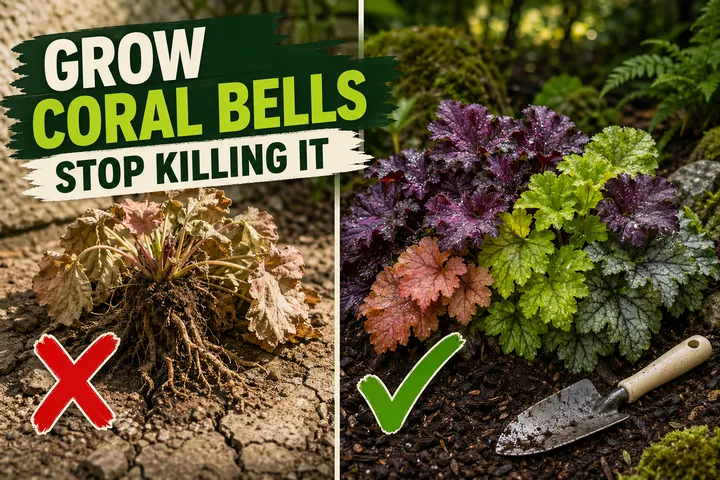
- Coral bells care — another part-shade perennial that pairs beautifully with columbine in woodland gardens.
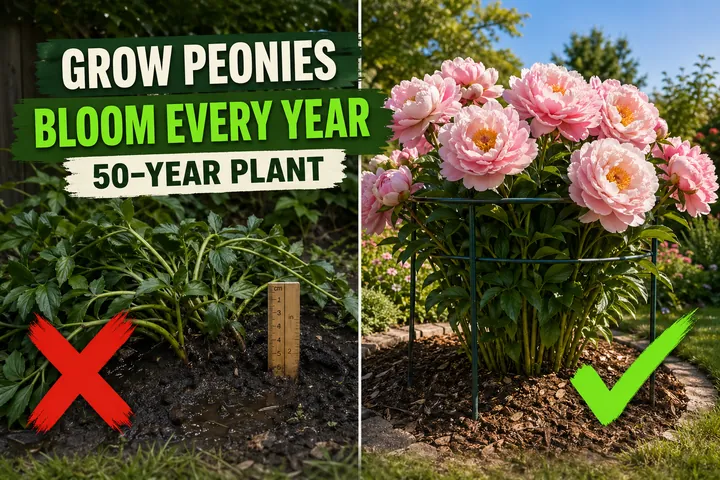
- Peony plant care — another long-lived perennial for similar conditions, with overlapping bloom timing.
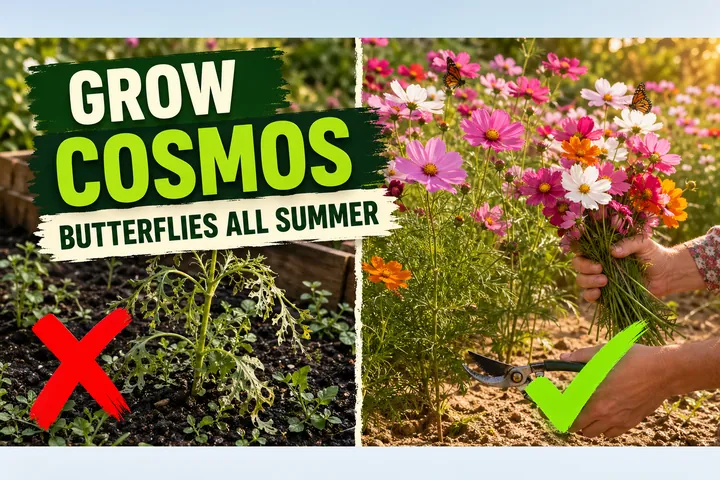
- How to grow cosmos flowers — sun-loving annual that takes over after columbines finish.
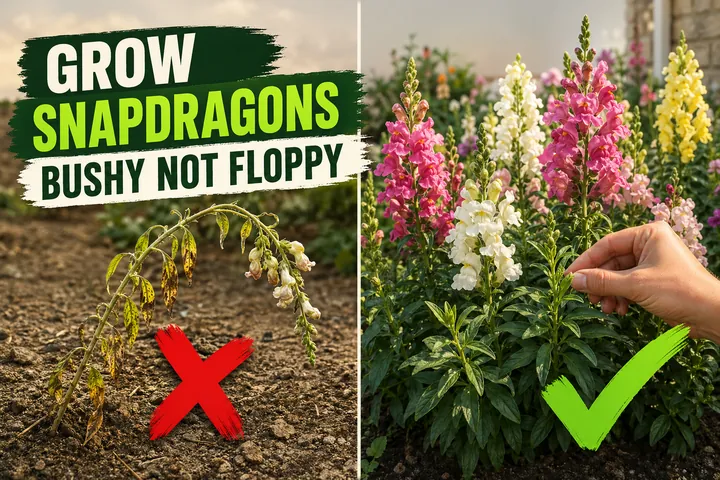
- How to grow snapdragons — cool-season annual that pairs well with columbine in spring borders.
- Track your columbine watering, deadheading, and mulch refresh schedule with the free Tazart plant app — set alerts for spring feeding, post-bloom cutback, and fall mulch top-up.
A note on conditions
Columbine performance varies widely by region, species, and microclimate. Cool damp Pacific Northwest gardens grow huge long-lived plants; hot dry Southern gardens may treat columbines as biennials. Use this guide as your baseline and adjust shade exposure, watering frequency, and variety choice based on what your plants show you in the first season.
Highly recommended
The supplies that make this guide work


Tazart is an Amazon Associate — we earn from qualifying purchases at no extra cost to you. Thank you for helping us keep these guides free.
Frequently asked questions
How do you care for columbine flowers?
Plant columbine (Aquilegia) in part shade with well-drained soil rich in organic matter, water evenly to keep soil consistently moist but not waterlogged, and deadhead spent blooms to extend the flowering window. After flowering finishes in early summer, cut foliage back by about half if it looks tired — fresh new leaves will emerge for fall. Most varieties are short-lived perennials (3-5 years) but self-seed reliably.
Do columbine flowers prefer sun or shade?
Columbine flowers prefer part shade — about 4-6 hours of morning sun followed by afternoon shade is ideal. They tolerate full shade in southern climates and can take more sun (up to 6 hours) in cool northern gardens, but full afternoon sun in summer often scorches leaves and shortens bloom life. Dappled woodland-edge conditions with bright filtered light are perfect.
How often should I water columbine?
Water columbine to keep the soil consistently moist — never waterlogged, never bone dry. In most climates that means deep watering 1-2 times per week (about 2.5 cm / 1 in total per week including rain). Container plants may need every-other-day watering in summer heat. Mulching around the base with 5 cm (2 in) of bark or shredded leaves dramatically reduces watering frequency.
Are columbines perennials or annuals?
Columbines are short-lived perennials, hardy in USDA Zones 3-9 depending on species. Most individual plants live 3-5 years before declining. The plant compensates by self-seeding generously — seedlings appear around the parent and replace it naturally. With self-seeding, a columbine planting essentially perpetuates itself indefinitely without replanting.
Why are my columbine leaves turning yellow?
Common causes: too much sun (especially afternoon sun in hot summers), inconsistent watering (drying out then over-watering), leaf miner damage that creates yellowed serpentine trails through leaves, or natural late-summer dormancy after flowering. If trails are visible, it's leaf miners — cut affected foliage back hard, and fresh leaves will emerge for fall.
How do you deadhead columbine flowers?
Snip spent flower stems back to a leaf node or to the base of the plant using clean scissors or pruning shears. Deadheading prevents seed formation and can prompt a second smaller flush of blooms. If you want self-seeding, leave the last 2-3 spent flowers on each plant — those will produce seedheads that drop seeds where they land, ensuring next year's plants.
Do columbines come back every year?
Yes — columbines come back each year for 3-5 years from the original crown, then they typically decline and are replaced by their own self-seeded offspring. Allow at least a few flowers each season to set seed and you'll have a continuous columbine population that essentially renews itself. Self-seeded plants may differ in color from the parent if you grow multiple varieties (columbines hybridize freely).
What pests attack columbine plants?
The main columbine pest is leaf miners (Phytomyza aquilegivora) — tiny fly larvae that tunnel between leaf surfaces, leaving distinctive yellowed serpentine trails. They rarely kill the plant but ruin foliage. Cut affected leaves back hard and dispose of them (don't compost). Aphids occasionally cluster on flower stems — wash off with a strong stream of water or spray with insecticidal soap.