Flowers
Clivia Plant Care (Bring on the Spring Blooms)
Get your Clivia miniata blooming every spring. The secret is a cold dry winter rest at 5–10°C (41–50°F) for 8-10 weeks. Full care guide inside.
On this page
A clivia that grows lush leaves but refuses to flower is one of the most frustrating houseplants you can own — and one of the easiest to fix. Clivia miniata (the South African bush lily, also sold as kaffir lily) is genetically wired to bloom only after a cold dry winter rest. Skip that rest and you get a green plant for life. Give it those 8-10 cold weeks and you get a thick stalk of tubular orange flowers with yellow throats every single spring.
This guide walks through the full care routine — light, water, soil, feeding, repotting — and exactly how to set up the winter rest that triggers the blooms.
Quick answer
Clivias want bright indirect light, well-draining soil, watering only when the top 3–4 cm (1–1.5 in) is dry, and — most importantly — a cold dry winter rest at 5–10°C (41–50°F) for 8-10 weeks from late October to mid January. After the rest, return them to a warm 18–21°C (65–70°F) room and a flower spike appears in 6-8 weeks.
Meet the plant
Clivia miniata is a clump-forming evergreen perennial in the amaryllis family (Amaryllidaceae). It grows from a thick fleshy rhizome — not a true bulb — and produces strappy dark green leaves arranged in a fan, plus an umbel of 12-20 trumpet-shaped flowers in spring.
A few useful facts before you start:
- Origin: dappled shade under forest canopies in eastern South Africa
- Indoor size: 45–60 cm (18–24 in) tall and wide at maturity
- Lifespan: 40+ years in a pot, with the same plant blooming every spring
- Toxicity: mildly toxic to cats, dogs, and children if eaten — keep out of reach
- Bloom colour: classic orange with yellow throat; cultivars also come in yellow, peach, and dark red
Clivias are slow growers. A seedling takes 3-5 years to reach blooming size, which is why a mature plant from a nursery costs so much more than a small one — and why splitting a friend’s mature plant is the fastest route to a flower this year.
Light
Clivias are forest-floor plants. They want bright indirect light or gentle morning sun, never harsh midday sun.
- Best window: east-facing — soft morning sun, no afternoon scorch
- Acceptable: north-facing if you’re in the northern hemisphere, or any window with a sheer curtain
- Avoid: unfiltered south- or west-facing summer sun — leaves bleach to pale yellow and brown crisp tips appear within days
- Outdoor summer: dappled shade under a tree or on a north-facing balcony is perfect from May to September if night temps stay above 10°C (50°F)
If your clivia leaves are stretching sideways or fading to a dull yellow-green, it wants more light. If brown crisp patches appear on the leaf tops or the colour pales suddenly, it’s getting too much.
Watering
Clivias store water in their thick rhizome, so they handle a missed watering far better than a soaked one. The rule is simple: water only when the top of the soil is dry.
Active season (March to October):
- Wait until the top 3–4 cm (1–1.5 in) of soil feels dry to a finger
- Water deeply until water drains out the bottom of the pot
- Empty the saucer 15 minutes later — never let the pot sit in standing water
- Indoors this usually means every 7-14 days, depending on pot size and warmth
Winter rest (November to mid January):
- Reduce to roughly a tablespoon of water once a month — just enough to stop the leaves from completely collapsing
- The pot should be almost dry to the touch through this entire period
Post-rest spring resumption:
- When you see the flower spike push up between the leaves (or after 8-10 cold weeks), gradually return to normal watering over 1-2 weeks
- A sudden full soak after rest can rot a half-dormant rhizome
The single biggest killer of clivias is overwatering during the winter rest. If in doubt, water less.
Soil and pot
Clivias like a slightly tight pot and a free-draining mix. Both rules push the plant toward flowering.
- Soil mix: 2 parts good-quality houseplant or peat-free potting mix + 1 part orchid bark or perlite + a small handful of horticultural grit
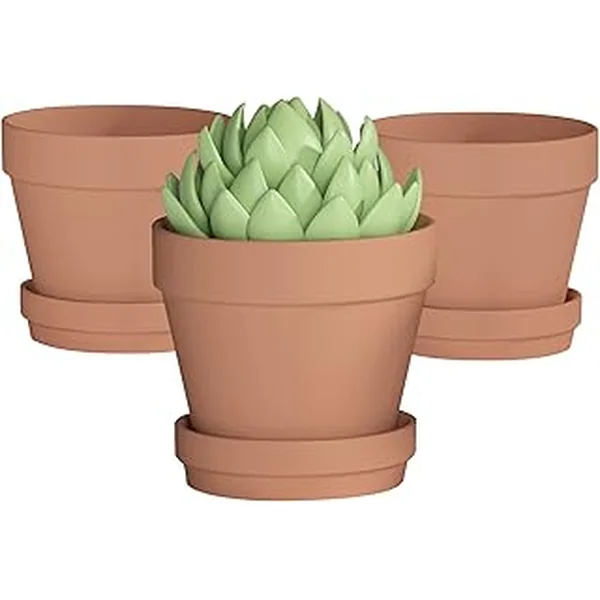
- Pot type: terracotta or unglazed ceramic, with drainage holes — terracotta lets roots breathe and dries faster between waterings
- Pot size: snug. A mature clivia stays happy in a 20 cm (8 in) pot for 3-5 years and actively blooms better when slightly root-bound
- Avoid: pure peat compost, garden soil, decorative pots without drainage holes
If you can see roots circling the bottom drainage holes and the rhizome is bulging against the rim, that’s the right time to think about repotting.
Feeding
Clivias are light feeders. Over-fertilizing pushes leaves at the expense of flowers — exactly what you don’t want.
| Season | Feed type | Frequency |
|---|---|---|
| Mar–Sep (active growth) | Balanced 20-20-20 liquid feed at half strength | Every 4 weeks |
| Late Jan–Feb (pre-bloom) | High-phosphorus 10-30-20 “bloom booster” at half strength | Once or twice |
| Nov–mid Jan (cold rest) | None | Stop completely |
A dilute feed beats a strong one every time. A clean tablespoon of liquid feed in 5 L of water is a good rule of thumb at half strength.
The cold winter rest — the bloom secret
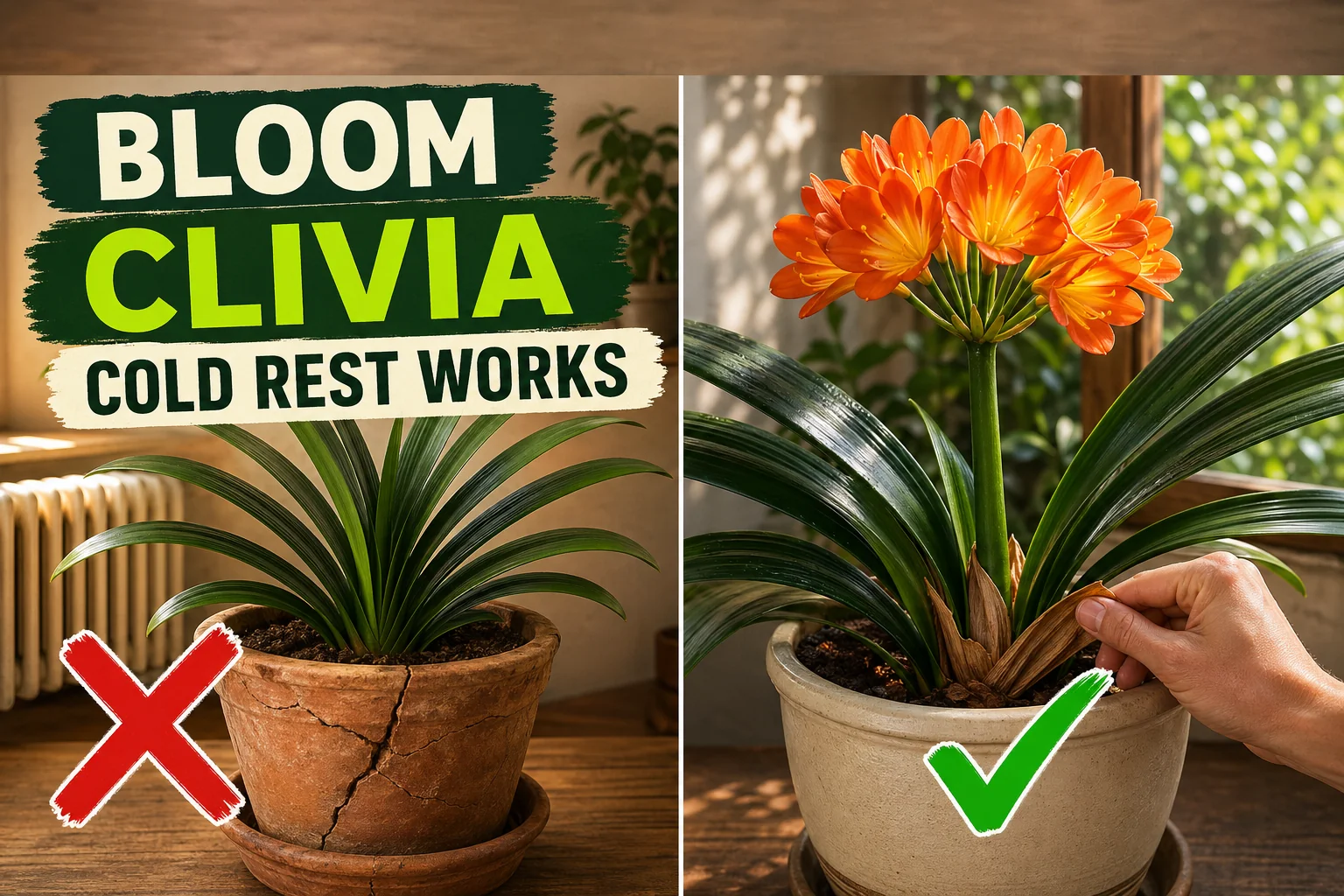
This is the single most important part of clivia care. A clivia kept warm year-round produces leaves and almost never flowers. The cold dry rest mimics South African winter and tells the plant it’s safe to invest energy in a flower spike.
Step-by-step
- Late October: move the plant to a bright but unheated room — a porch, garage with a window, frost-free greenhouse, unheated bedroom, or stairwell
- Target temperature: 5–10°C (41–50°F) — cool but never freezing. A reading below 4°C (40°F) damages the rhizome
- Stop fertilizing entirely
- Water just once a month, a tablespoon or two — only if the leaves start to droop dramatically
- Hold for 8-10 weeks
- Mid January: move the plant back to a warm 18–21°C (65–70°F) room with bright indirect light, and gradually resume watering over 1-2 weeks
- Within 6-8 weeks: a flower spike emerges from between the strap leaves
What if you don’t have a cold room?
Most homes have one cool corner — an unheated guest bedroom, a tiled hallway, the foot of a stairwell next to an exterior wall. Even 12–14°C (54–57°F) for 10 weeks works better than no rest at all. A clivia kept above 18°C (65°F) all year almost never blooms.
A free plant care app like Tazart can hold the rest schedule for you and ping you on the exact dates to move the plant in and back out — useful if you’ve got multiple bloomers (clivias, amaryllis, Christmas cactus) to juggle.
Repotting
Clivias hate being repotted and bloom less in the year they’re disturbed. Resist the urge.
When: every 3-5 years, in late spring just after the flowers fade. Repot earlier only if the rhizome has cracked the pot or roots are pushing the plant out.
How:
- Slide the plant out of the old pot — you may need to break a terracotta pot to free a really tight rootball
- Brush off about a third of the old soil
- Choose a new pot just 2.5–5 cm (1–2 in) wider than the old one — going much bigger delays blooming
- Put a layer of fresh mix in the bottom, sit the plant in so the top of the rhizome is at the same level as before, and backfill
- Water in lightly and don’t fertilize for 4 weeks while the roots settle
If the plant has produced offsets (“pups”) around the base, you can carefully separate them at this stage with a clean knife. Each pup needs 2-3 leaves and some root attached. Pot pups individually — they’ll bloom in 2-3 years.
Common mistakes to avoid
- Skipping the cold winter rest. This is the #1 reason a clivia never blooms. A warm clivia is a leafy clivia.
- Overwatering, especially in winter. Soggy soil at 5°C (41°F) rots the rhizome fast.
- Repotting too often or into too big a pot. Clivias bloom best when slightly pot-bound. Once every 3-5 years is plenty.
- Direct hot sun. Bleached pale leaves and crisp brown patches mean the plant is sunburned. Filter the light.
- Heavy nitrogen feed. Pushes leaves at the expense of flowers. Half-strength balanced feed only, plus a phosphorus bump pre-bloom.
- Cutting healthy leaves. Clivias keep their evergreen leaves for years; cutting them weakens future blooming. Only remove fully yellow base leaves.
Troubleshooting
| Symptom | Likely cause | Fix |
|---|---|---|
| Leaves but no flower spike, year after year | No cold winter rest | Run an 8-10 week cold dry rest at 5–10°C (41–50°F) starting late October |
| Pale yellow stretched leaves | Too little light | Move closer to a bright (indirect) window |
| Bleached or crisp brown patches on leaves | Too much direct sun | Pull back from the window or add a sheer curtain |
| Old base leaves slowly yellowing | Normal leaf turnover | Trim cleanly at the base — nothing wrong |
| Rhizome soft and squishy | Rot from overwatering | Unpot, cut away mushy parts, dust with cinnamon, repot in fresh dry mix and hold off water for 2 weeks |
| Flower stalk forms but stays stuck low between leaves (“stuck spike”) | Too cool when re-warming after rest, or too dry | Warm to 21°C (70°F), water normally, give it 2-3 weeks — the stalk usually grows |
| Brown tips on leaf ends | Tap-water salt build-up or low humidity | Flush the pot once with rainwater; mist occasionally if the room is very dry |
Watch: clivia care and the winter rest
A short visual walkthrough pairs well with the steps above. If you’re a visual learner, watch a quick tutorial on YouTube about giving a Clivia miniata its winter rest, then come back to follow the timing in this guide.
Related reading
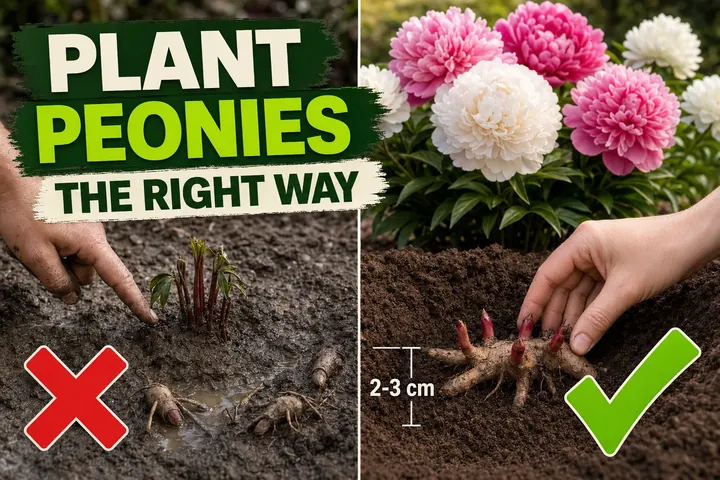
- How to plant peony bulbs for big spring blooms — another shade-tolerant perennial where one rule (planting depth) decides whether you get flowers.
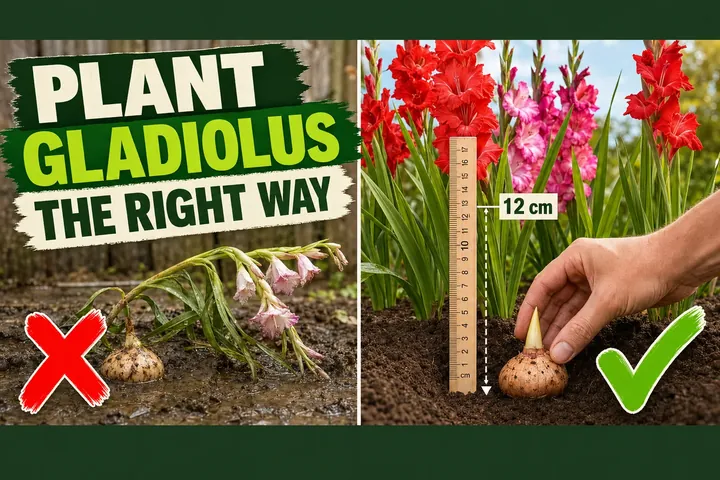
- How deep to plant gladiolus bulbs — the timing-and-depth principle that runs the rest of your spring flower garden.
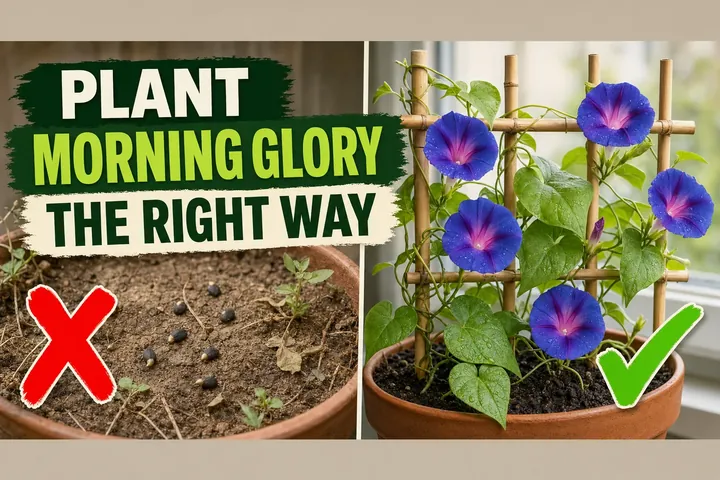
- How to plant morning glory seeds the right way — a fast warm-season flower to plant alongside a slow-and-steady clivia.
- Scan the next plant you bring home with the free Tazart plant identifier and let it set up the watering and seasonal-rest schedule for you.
A note on conditions
Every home is different. Light levels, room temperature, pot size, soil mix, and how cold your winter rest spot actually gets all change how a clivia behaves. Use the steps above as a starting point — especially the 8-10 week cold rest at 5–10°C (41–50°F) — and adjust based on what your plant does in its first full year. A clivia rewards patience: get the rest right once, and you’ll get the same generous orange umbel every spring for decades.
Highly recommended
The supplies that make this guide work

Tazart is an Amazon Associate — we earn from qualifying purchases at no extra cost to you. Thank you for helping us keep these guides free.
Frequently asked questions
How do I get my clivia to bloom?
Give it a cold dry winter rest. From late October to mid January, move the clivia to a bright unheated room at 5–10°C (41–50°F) and stop watering almost completely — a tablespoon of water once a month is enough. After 8-10 weeks, bring it back into a warmer 18–21°C (65–70°F) room, resume normal watering, and a flower spike usually appears within 6-8 weeks.
Where should I keep a clivia in winter?
Somewhere bright, dry, and cold. A frost-free porch, unheated bedroom, garage with a window, or stairwell at 5–10°C (41–50°F) is ideal. Avoid the main heated living area in winter — the warmth keeps the plant in active growth and skips the dormancy that triggers flowering.
How often should I water a clivia?
In the active spring–autumn growth season, water when the top 3–4 cm (1–1.5 in) of soil feels dry — usually every 7-14 days indoors. During the 8-10 week cold winter rest, water just once a month with a small amount, only enough to stop the leaves from collapsing. Clivias are far more often killed by overwatering than under.
Does a clivia need direct sunlight?
No — clivias come from the dappled shade under South African forest canopies and burn quickly in hot direct sun. Bright indirect light or gentle morning sun from an east-facing window is perfect. South or west windows are fine if you sheer-curtain the midday sun.
Why are my clivia leaves yellow?
Three common causes. (1) Overwatering or soggy soil — let the pot drain fully and water less often. (2) Direct hot sun bleaching the leaves — move it back from the window. (3) Old leaves at the base naturally yellowing — trim them off; the plant is fine. A fertilizer deficiency is rare but possible after 2-3 years in the same pot.
When should I repot a clivia?
Only when it's seriously pot-bound — usually every 3-5 years. Clivias actually flower better when their roots are crowded, so resist the urge to upsize early. Repot in late spring after blooming, going up just one pot size, with fresh well-draining bulb-and-orchid-style mix.