Houseplants
Chinese Money Plant Care (Pilea peperomioides Done Right)
Stop your Pilea peperomioides going leggy. Full Chinese Money Plant care: light, watering, the pot-rotation trick, soil mix, and how to get pups every month.
On this page
- Quick answer
- Table of contents
- Meet Pilea peperomioides
- Light — the #1 thing people get wrong
- The pot-rotation trick
- Watering Pilea peperomioides
- Soil and potting
- Temperature and humidity
- Feeding
- Propagation — getting free plants from pups
- Common problems and fixes
- Common mistakes to avoid
- Watch: Pilea peperomioides care walkthrough
- Related reading
- A note on conditions
Watch the visual walkthrough
How to Grow A Giant Pilea Peperomioides | Houseplant Care Guide and Tips
I'm back and in today's video I share with you how I got my Pilea to grow from a tiny baby plant into a giant monster. I'll also ...
Pilea peperomioides — the Chinese Money Plant, also called UFO plant, pancake plant, or missionary plant — became Instagram-famous for a reason. The perfectly round dark green coin-shaped leaves on slender stalks look like something a designer drew, and a happy plant constantly sends up baby pups you can pot into free new plants.
The catch: it’s fussy about two specific things — light angle and watering. Get those right and Pilea peperomioides is one of the easiest, most rewarding houseplants you can own. Get them wrong and it goes leggy, drops leaves, and stops making pups.
This guide gives you exactly what to do, with every number you need.
Quick answer
Grow Pilea peperomioides in bright indirect light, water when the top 2–3 cm (0.75–1 in) of soil is dry (usually every 7–10 days in summer), use a free-draining peat-free potting mix in a 13 cm (5 in) pot with drainage holes, keep it between 18–24°C (65–75°F), and rotate the pot a quarter turn every week so it grows symmetrical instead of leaning. Feed monthly in spring and summer at half strength. Pups appear naturally once the plant is well-rooted — separate them when they have 5–10 cm (2–4 in) of stem.
Table of contents
- Meet Pilea peperomioides
- Light — the #1 thing people get wrong
- The pot-rotation trick
- Watering Pilea peperomioides
- Soil and potting
- Temperature and humidity
- Feeding
- Propagation — getting free plants from pups
- Common problems and fixes
- FAQ
Meet Pilea peperomioides
Pilea peperomioides is native to the Yunnan province in southern China, where it grows on the cool damp slopes of the Cangshan Mountains at around 1,500–3,000 m (4,900–9,800 ft). A Norwegian missionary named Agnar Espegren brought cuttings home in the 1940s, and friends passed pups around hand to hand for decades — which is exactly why it’s also called the “missionary plant” or “friendship plant.”
Practical things to know:
- Family: Urticaceae (the nettle family — but no sting)
- Mature size: 30–45 cm (12–18 in) tall, the same wide
- Leaf shape: peltate — the stem joins the underside of the leaf in the middle, which is what makes the leaves look like coins
- Pet-safe: non-toxic to cats and dogs (ASPCA-listed)
- Grow rate: fast in spring and summer, slow in winter
Light — the #1 thing people get wrong
Pilea peperomioides wants bright indirect light — and it’s strongly phototropic, meaning it bends toward whatever light source is brightest. This is why so many Pileas end up looking lopsided.
Best windows:
- East-facing window — gentle direct morning sun, then bright indirect the rest of the day. Ideal.
- North-facing window — bright indirect all day. Excellent in spring/summer; supplement in winter if growth slows too much.
- South- or west-facing window — fine, but pull the plant back 30–60 cm (12–24 in) from the glass or filter with a sheer curtain. Direct afternoon sun bleaches the leaves and curls the edges.
Avoid:
- Dim corners more than 1.8 m (6 ft) from a window — the plant survives but goes leggy and stops producing pups.
- Direct hot afternoon sun — leaves go pale, then crispy.
If you only have low light, a small full-spectrum LED grow light at 30–45 cm (12–18 in) above the plant for 10–12 hours a day fixes it.
The pot-rotation trick
This is the single tip that separates a leaning leggy Pilea from a perfect symmetrical dome.
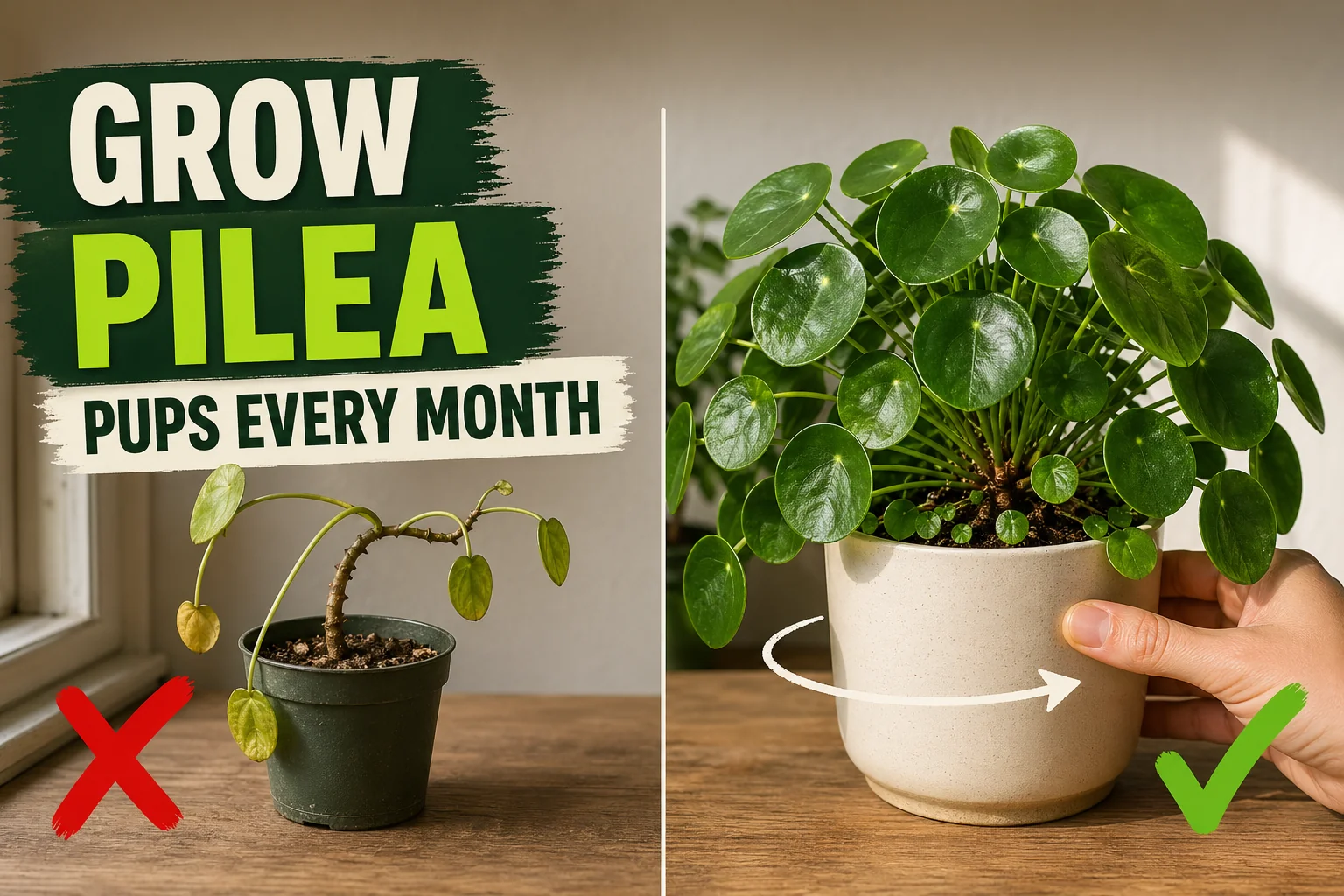
Rotate the pot a quarter turn (90°) every week, in the same direction.
Because Pilea grows fast toward light, the side facing the window gets short compact leaves and the back side stretches with longer thinner stems trying to reach the light. Rotating the pot weekly evens out the exposure so every side grows at the same rate — and you get the textbook round dome shape Pilea is famous for.
Set a reminder. A free plant care app like Tazart can hold the watering schedule and ping you on Apple Watch when it’s time to rotate the pot too.
Watering Pilea peperomioides
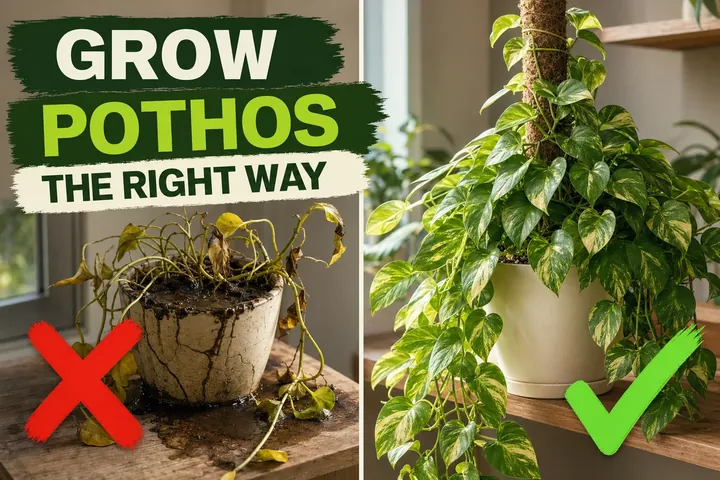
Pilea hates soggy roots. The single biggest cause of a dying Pilea is overwatering.
The rule: water when the top 2–3 cm (0.75–1 in) of soil is dry. Stick a finger into the pot — if it feels dry to the first knuckle, water deeply until you see drips coming out of the drainage hole, then let any excess drain away. Never let the pot sit in a saucer of standing water.
Typical frequency:
- Spring and summer (active growth): every 7–10 days
- Autumn (slowing): every 10–14 days
- Winter (dormant): every 14–21 days
Adjust for your conditions — small terracotta pots in a warm sunny spot dry out twice as fast as large plastic pots in a cool room. The plant tells you, not the calendar.
Signs you’re watering wrong:
- Mushy lower leaves dropping off = overwatering
- Curled drooping leaves that perk back up after watering = underwatering, and easy to fix
- Yellow lower leaves with brown soft stems = root rot is already happening; unpot and check the roots immediately
Soil and potting
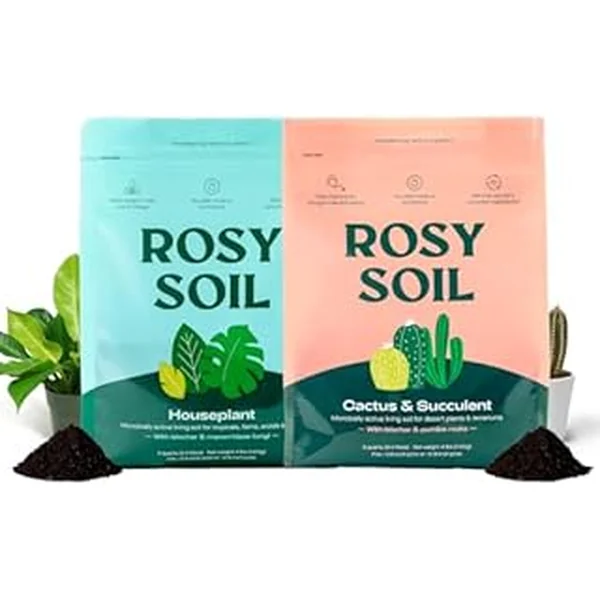
Pilea wants a light, free-draining potting mix. Heavy garden soil or pure peat holds too much water and rots the fine roots within weeks.
A simple mix that works:
- 60% peat-free indoor potting mix
- 30% perlite or pumice
- 10% orchid bark or coarse coco coir
Or buy a bag of “aroid mix” or “indoor plant mix” with added perlite.
Pot size:
- Pilea peperomioides flowers — well, pups — best when slightly root-bound. Don’t oversize the pot.
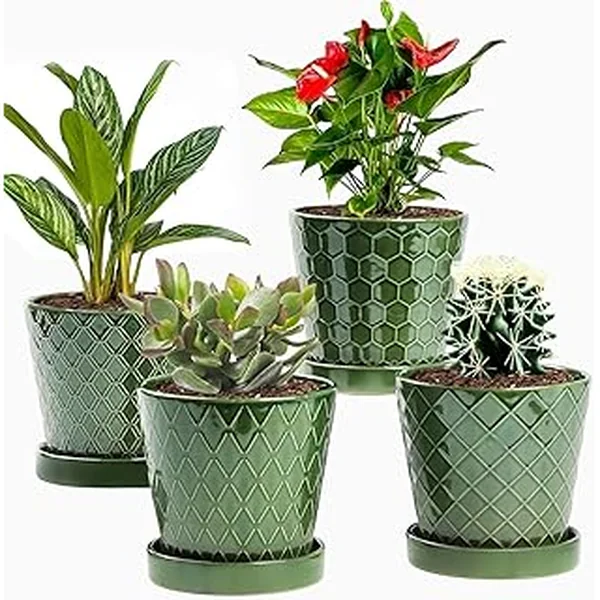
- A 13 cm (5 in) pot with drainage holes suits a young plant. Move up only one pot size (about 2.5 cm / 1 in wider) when roots fill the current pot, usually every 18–24 months.
Temperature and humidity
- Ideal temperature: 18–24°C (65–75°F).
- Don’t drop below: 13°C (55°F). Cold drafts from open windows or cool glass in winter cause leaf curl and rapid leaf drop.
- Don’t go above: 30°C (86°F) for long. Heat plus low humidity dries the leaf edges crispy.
- Humidity: 40–60% is fine — average indoor humidity. Pilea is more forgiving here than calatheas or ferns. You don’t need a humidifier unless your home is very dry in winter.
Keep it away from radiators, AC vents, and the cold pocket between a curtain and a winter window.
Feeding
Pilea is a light feeder.
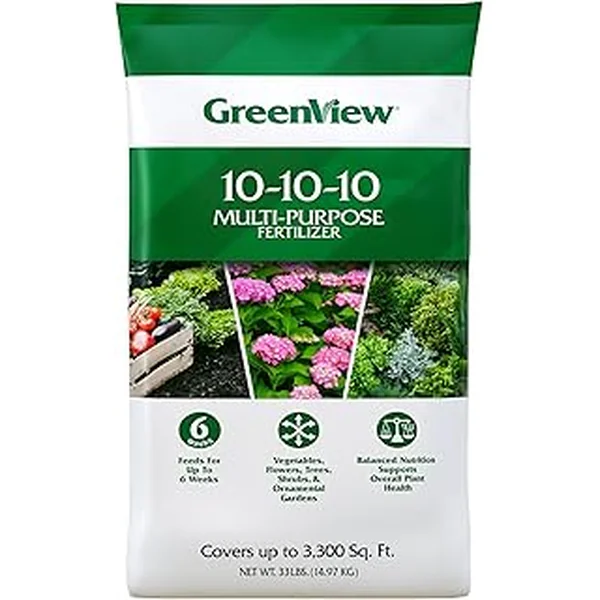
- Growing season (spring–summer): balanced 10-10-10 liquid houseplant fertilizer at half the label strength, every 4 weeks.
- Dormant season (autumn–winter): stop feeding entirely. Feeding a slow-growing plant just builds salt in the soil and burns the roots.
If you flush the soil once or twice a year (water heavily for 30 seconds and let it drain) you’ll prevent fertilizer salt build-up, which shows up as crispy brown leaf edges.
Propagation — getting free plants from pups
This is where Pilea peperomioides earns its “friendship plant” reputation. A healthy mature plant constantly sends up baby pups two ways:
- Soil pups — small Pileas pushing up out of the soil from underground stems (rhizomes). The easiest to separate.
- Stem pups — small Pileas growing directly out of nodes along the main stem. Slightly trickier.
How to separate soil pups (success rate ~95%)
- Wait until the pup has 5–10 cm (2–4 in) of stem and at least 2–3 small coin-shaped leaves of its own.
- Water the parent plant the day before — easier separation, less stress.
- Push back the soil around the pup until you see where its stem joins the underground rhizome.
- Use a clean knife or sharp scissors to slice the rhizome connection cleanly. Pups already have small white roots of their own.
- Pot the pup into a small (8–10 cm / 3–4 in) container of the same potting mix. Water it in. Place in bright indirect light.
New roots fill the small pot in 3–4 weeks. The parent plant won’t notice.
Water-rooting stem pups
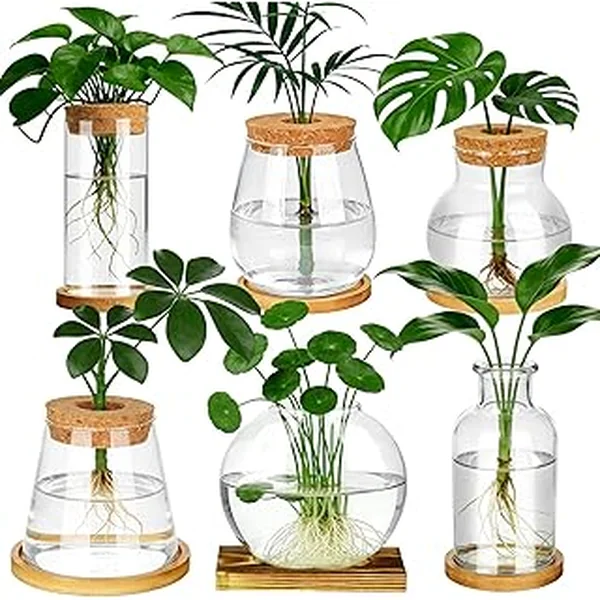
If a stem pup has no roots yet, snip it off and place the cut end in a jar of water. Roots usually appear within 10–14 days. Once roots are 3–5 cm (1–2 in) long, pot it up.
You can give pups away to friends in a small jar — just like Agnar Espegren did in the 1940s.
Common problems and fixes
| Symptom | Likely cause | Fix |
|---|---|---|
| Plant leaning toward the window | Phototropism, no rotation | Rotate the pot a quarter turn every week in the same direction |
| Leggy stretched stem with sparse leaves | Not enough light | Move closer to a bright window or supplement with a small grow light |
| Cupped leaves curling upward | Too much direct sun | Move 30–60 cm (12–24 in) back from the window or add a sheer curtain |
| Drooping leaves curling downward, soft | Overwatering, early root rot | Let soil dry completely; if stems are mushy, unpot and trim black roots |
| Yellow lower leaves dropping off | Overwatering or compacted soil | Repot into a free-draining mix; water only when top 2–3 cm (0.75–1 in) is dry |
| Brown crispy leaf edges | Fertilizer salt build-up or low humidity | Flush soil with plain water for 30 seconds; lift humidity to 40–60% |
| Pale washed-out leaves | Too much direct sun | Move out of harsh afternoon light |
| White spots or mealy fluff on stems | Mealybugs | Wipe with a cotton swab dipped in 70% isopropyl alcohol; repeat weekly until clear |
| No new pups after 6+ months | Light too low, pot too big, or cold | Increase light, keep slightly root-bound, hold temperature 18–24°C (65–75°F) |
| Brown spots in the centre of leaves | Cold-water shock from icy tap water | Use room-temperature water; let tap water sit overnight before using |
Common mistakes to avoid
- Watering on a fixed schedule. Always check the soil first. The #1 cause of dead Pileas.
- Using a pot that’s too big. Soggy soil around unfilled roots = rot. Move up one size only.
- Skipping rotation. Even the healthiest Pilea ends up lopsided without the weekly quarter turn.
- Over-fertilizing. Half strength, monthly, growing season only. Don’t feed a winter plant.
- Letting it sit in a saucer of water. Always tip out the saucer 10 minutes after watering.
Watch: Pilea peperomioides care walkthrough
A short visual walkthrough pairs well with the steps above. If you’re a visual learner, search YouTube for “Pilea peperomioides care” on a credible houseplant channel and then come back to this guide for the exact numbers.
Related reading
- Pothos plant care: the complete guide for lush vines — another beginner-friendly trailing houseplant where the watering and light rules overlap.
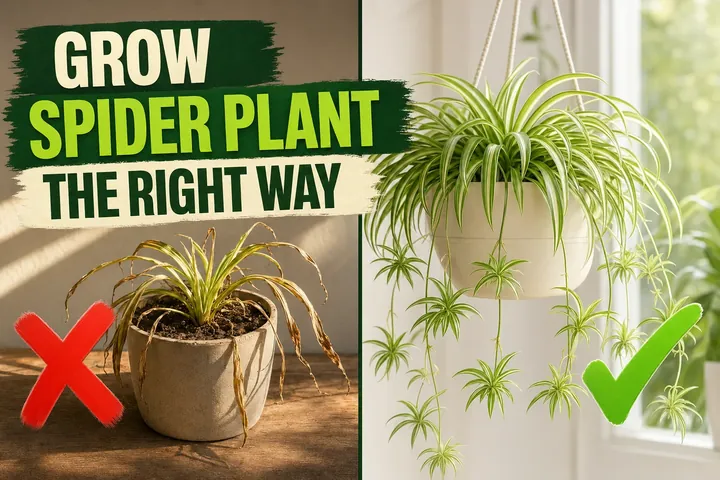
- How to take care of a spider plant — like Pilea, spider plants give you free baby plants from a healthy parent.
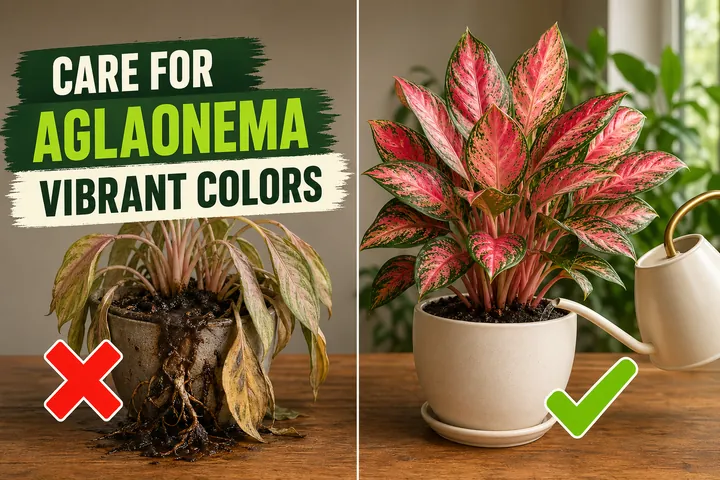
- Aglaonema plant care (Chinese Evergreen guide) — if you’ve mastered Pilea, Chinese Evergreen is a colourful low-light next step.
- Scan the next plant you bring home with the free Tazart plant identifier and let it set up the watering schedule for you.
A note on conditions
Every home is different. Light angle, pot size, soil mix, season, indoor humidity, and your local weather all change how fast a Pilea peperomioides grows and how often it needs water. Use the numbers above as a starting point and adjust based on what your plant actually does in week two — that’s how every good plant grower learns.
Highly recommended
The supplies that make this guide work
Tazart is an Amazon Associate — we earn from qualifying purchases at no extra cost to you. Thank you for helping us keep these guides free.
Frequently asked questions
How often should I water a Chinese money plant?
Water when the top 2–3 cm (0.75–1 in) of soil is dry — usually every 7–10 days in spring and summer, and every 12–18 days in autumn and winter. Stick a finger in the soil before every watering. Pilea peperomioides hates soggy roots and will drop leaves within days of being overwatered, so always check the soil instead of watering on a fixed schedule.
Why is my Pilea leggy?
Two reasons, almost always together: not enough light, and not rotating the pot. Pilea grows fast toward the brightest source, so if light only comes from one window the stem stretches and leans. Move it closer to a bright north- or east-facing window (or 30 cm / 12 in from a sheer-curtained south window) and rotate the pot a quarter turn every week. New growth comes back compact within 4–6 weeks.
Does Pilea peperomioides need direct sunlight?
No — bright indirect light is ideal. A few hours of gentle morning sun is fine, but harsh midday or afternoon sun bleaches the round coin-shaped leaves and curls the edges. East-facing windows are perfect; south- or west-facing windows need a sheer curtain to filter the light.
Why are my Pilea leaves curling?
Curling usually means stress from one of three things. Cupped leaves curling upward = too much direct sun or heat; move the plant back from the window. Leaves curling downward and going soft = overwatering and early root rot; let the soil dry fully and check for mushy roots. Leaves curling at the edges with crispy tips = low humidity or underwatering; water deeply and group with other plants to lift humidity.
How do I get my Pilea to make pups?
Healthy mature Pilea peperomioides naturally pushes up baby pups from the soil and along the main stem once it's well-rooted. To trigger more pups: keep it in bright indirect light, water consistently when the top of the soil dries, feed monthly in spring and summer with a balanced liquid fertilizer at half strength, and don't repot too often — Pilea pups more freely when slightly root-bound.
Is Pilea peperomioides toxic to cats and dogs?
No. Pilea peperomioides is non-toxic to cats, dogs, and humans according to the ASPCA — one of the few stylish houseplants that's genuinely pet-safe. It's still a good idea to discourage chewing because the plant can be damaged and the soil can upset stomachs, but accidental nibbles aren't dangerous.