Houseplants
Cast Iron Plant Care (Aspidistra elatior Guide)
Cast iron plant care: low light, rare watering, and slow growth explained. The complete Aspidistra elatior guide covering light, soil, water, and common problems.
On this page
Watch the visual walkthrough
MY EASIEST PLANT | Cast Iron Plant Care
For bonus content, subscribe to my Patreon ›› https://www.patreon.com/goodgrowing Cast iron plants are seriously some of the ...
The cast iron plant (Aspidistra elatior) has a reputation that goes back to the Victorian parlour: it survives gas lamps, coal soot, unheated corridors, and weeks without water. Two centuries later, it is still the plant you reach for when every other houseplant has failed.
This guide covers exactly what Aspidistra elatior needs — and what it can safely do without.
Quick answer
Cast iron plants need very little care. Water only when the top 5 cm (2 in) of soil is bone dry — roughly every 2 to 3 weeks in summer, less in winter. Place them anywhere from bright indirect light to near-full shade, use a well-draining potting mix, and fertilize lightly once in spring. The single rule that matters: never let the pot sit in standing water.
What is a cast iron plant?
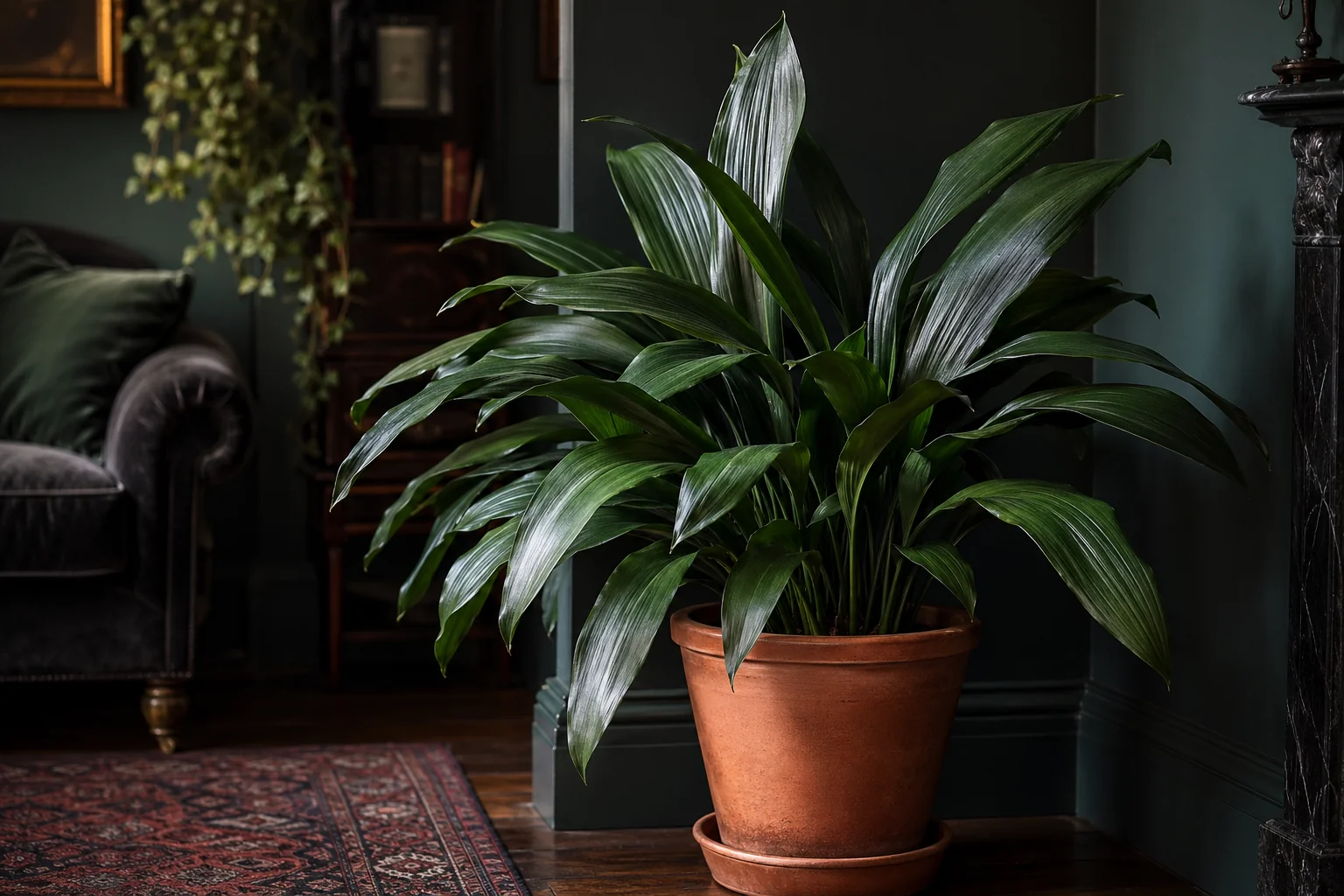
Aspidistra elatior is a slow-growing evergreen perennial native to the forest understories of Japan, China, and Taiwan. In its natural habitat it grows beneath dense canopy where filtered, low-intensity light is the norm — which is precisely why it performs so well in dim indoor corners.
The plant produces long, arching strap-shaped leaves that can reach 60 to 90 cm (24 to 36 in) at maturity. Leaves are typically deep, solid green, though variegated cultivars like ‘Variegata’ carry cream or white stripes. It is a rhizomatous plant — underground stems called rhizomes spread slowly outward and send up new leaf shoots over time.
In Victorian Britain the cast iron plant became ubiquitous because it tolerated conditions that destroyed everything else: low light, drafty hallways, erratic watering, and even the sulphur dioxide produced by gas lighting. That tolerance, unchanged in modern homes, is still its defining trait.
Light requirements
For another nearly indestructible low-light houseplant that brings a completely different texture — delicate, feathery fronds instead of bold straps — the parlor palm care guide covers a palm that performs well in the same dim corners where cast iron plants excel.
| Light level | Result |
|---|---|
| Bright indirect (1–2 m from a sunny window) | Fastest growth, deepest green colour |
| Medium indirect (across the room from a window) | Steady growth, perfectly healthy |
| Low light (north-facing window, hallway) | Slow but completely viable — the plant’s natural preference |
| Near-full shade (dim interior room, no window nearby) | Very slow growth; plant survives where others cannot |
| Direct hot sun | Leaves scorch and bleach; avoid entirely |
The cast iron plant is one of the few houseplants that genuinely does well in low light — not just “tolerates” it as marketing copy suggests, but actually evolved for it. It is an excellent choice for north-facing rooms, internal hallways, and offices far from windows.
One important caveat: variegated cultivars lose some of their striping in very deep shade and grow even more slowly. If you have a variegated Aspidistra, a medium-light position gives better results.
Watering
Cast iron plants have a moderate drought tolerance. They are not as drought-proof as a ZZ plant or snake plant, but they forgive irregular watering far better than most tropical houseplants.
The correct approach:
- Push your finger 5 cm (2 in) into the soil.
- If it feels damp at all, wait several more days.
- If it feels dry all the way down, water thoroughly until water drains from the bottom hole.
- Empty the saucer after 30 minutes so the pot does not sit in standing water.
Typical frequency: every 2 to 3 weeks in spring and summer; every 4 to 6 weeks in autumn and winter.
Overwatering is the most common way to damage a cast iron plant. The rhizomes rot if the soil stays consistently wet. Underwatering causes leaf tip browning but rarely kills an established plant — it will simply pause growth and wait for water.
If your home is warm and the pot drains quickly, check the soil weekly in summer. If your home is cool and humid, once every three weeks may be enough even in the growing season.
Soil and potting
Aspidistra elatior is not fussy about soil type, but it does require good drainage. A suitable mix:
- Standard all-purpose potting compost with extra perlite (1 part perlite to 3 parts compost)
- A houseplant or tropical plant mix with added bark chips
- General-purpose compost mixed with coarse horticultural grit
Avoid heavy, water-retaining composts that stay wet for more than a week after watering. Heavy peat-based mixes without amendment are a common cause of root rot in cast iron plants kept in low-light positions where the soil dries slowly.
Pot size and repotting: Cast iron plants prefer slightly snug roots. Repot only when rhizomes are visibly pushing against the pot walls or emerging from the drainage hole. Move up one pot size — roughly 3 to 5 cm (1 to 2 in) wider — and repot in spring. Wait 10 to 14 days before watering after repotting so any cut rhizomes can callus over.
Fertilizing
Cast iron plants are slow growers with modest nutritional needs. Over-fertilizing causes more harm than under-fertilizing.
A simple annual rhythm:
- Spring: apply a balanced liquid fertilizer at half the recommended strength once, as new growth begins.
- Summer: a second half-strength feed in midsummer if the plant is producing new leaves actively.
- Autumn and winter: no fertilizer. The plant is barely growing and cannot use it.
If you have recently repotted into fresh compost, skip feeding for the first 8 to 10 weeks — fresh potting mix contains enough nutrients.
Common problems and fixes
Yellow leaves: Usually overwatering or waterlogged soil. Check the roots. If they are brown and mushy, trim the rotted sections with clean scissors, dust with cinnamon (a natural antifungal), and repot in dry, fresh mix. Hold off watering for two weeks.
Brown leaf tips: Most often caused by low humidity, fluoride in tap water, or erratic watering. Use filtered or rainwater if possible, keep the plant away from radiators in winter, and maintain more consistent watering intervals.
Pale, bleached leaves: Direct sun exposure. Move the plant to a position with no direct sunlight.
Slow or no new growth: Normal for cast iron plants in low light. If the plant has been in the same pot for years and growth has completely stopped, check whether the roots are pot-bound, and consider a spring repot with fresh soil.
Scale insects or mealybugs: Occasional pests on the broad leaves. Wipe affected areas with a cotton pad dipped in 70% isopropyl alcohol, or treat with neem oil solution. Cast iron plants are rarely heavily affected by pests compared to more tender houseplants.
Drooping leaves: Typically underwatering in an established plant. Water thoroughly and the leaves usually recover within 48 hours. If the soil is wet and leaves still droop, root rot is the likely cause.
Propagation
The only reliable propagation method for Aspidistra elatior is rhizome division. Leaf cuttings and stem cuttings do not root.
To divide:
- Remove the plant from its pot in spring when growth resumes.
- Brush away soil to expose the rhizomes running horizontally beneath the surface.
- Use a clean, sharp knife to cut a section of rhizome with at least 2 to 3 healthy leaves attached.
- Dust cut surfaces with powdered cinnamon or sulphur to reduce rot risk.
- Pot each division in fresh, well-draining mix in a small pot — do not bury the rhizome deeper than it was sitting before.
- Water lightly once and place in a warm, low-light position.
- Expect 4 to 8 weeks of apparent inactivity before new growth appears.
Divisions look rough for the first few months. The plant is establishing its root system underground before investing energy in new leaves. Patience is the entire skill required.
Why it earned its name
The “cast iron” common name is not hyperbole. In period-accurate Victorian London, parlour plants had to survive coal fires during winter that depleted oxygen and coated leaves with soot, drafty single-pane windows that dropped temperatures near freezing overnight, and households where watering was irregular at best.
Aspidistra elatior survived all of it, and became the quintessential symbol of the respectable Victorian household — so much so that George Orwell used it as a satirical emblem of middle-class stuffiness in his 1936 novel Keep the Aspidistra Flying.
Today the cast iron plant’s appeal is straightforward: it is genuinely one of the best low-light, low-maintenance houseplants available. It will not cascade dramatically, grow at pace, or produce vivid flowers indoors, but it will stay green and healthy in spaces where almost no other plant will.
For plant parents who travel frequently, have dim apartments, or simply want a dependable green presence without drama, Aspidistra elatior remains, two centuries on, the obvious choice.
Frequently asked questions
How often do you water a cast iron plant?
Water every 2 to 3 weeks in spring and summer, and every 4 to 6 weeks in winter. Always check the soil first — only water when the top 5 cm (2 in) is bone dry. Cast iron plants tolerate drought far better than wet roots, so when in doubt, wait another week.
Can a cast iron plant grow in full shade?
Yes. Aspidistra elatior evolved on dim forest floors and is one of the few houseplants that genuinely tolerates near-full shade. North-facing rooms, dim hallways, and interior spaces with no direct window access are all workable. Growth will be slow, but the plant survives where almost nothing else does.
Why are my cast iron plant leaves turning yellow?
Yellow leaves almost always point to overwatering or waterlogged soil. Check the roots for rot, repot in fresh well-draining mix, and allow the soil to dry fully before the next watering. Direct sun and cold draughts below 7°C (45°F) can also cause yellowing.
How fast does a cast iron plant grow?
Expect 3 to 5 new leaves per year in good conditions, or 1 to 2 in deep shade. This is completely normal — cast iron plants are slow by nature. An established plant can live and look good for decades.
Is Aspidistra elatior toxic to pets?
No. Cast iron plants are non-toxic to cats and dogs according to the ASPCA. They are one of the safer houseplant choices for pet-owning households.
How do you propagate a cast iron plant?
Rhizome division in spring is the only reliable method. Remove the plant from its pot, cut a section of rhizome with 2 to 3 leaves, dust the cut ends, and pot individually in fresh mix. Expect several weeks of inactivity before new growth emerges.
Related reading
- ZZ plant care — another near-indestructible low-light houseplant with similar drought-tolerant habits.
- How to take care of a snake plant — the same dry-between-waterings rhythm as a cast iron plant, with faster growth.
- Peace lily care — if you want flowering potential in low light, peace lilies are the next step up in care requirements.
- Track your Aspidistra’s watering schedule in the free Tazart plant care app so you never accidentally overwater it.
Highly recommended
The supplies that make this guide work
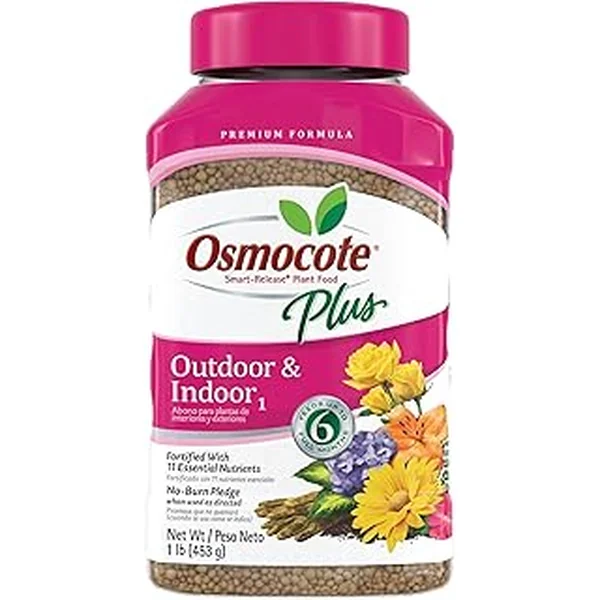
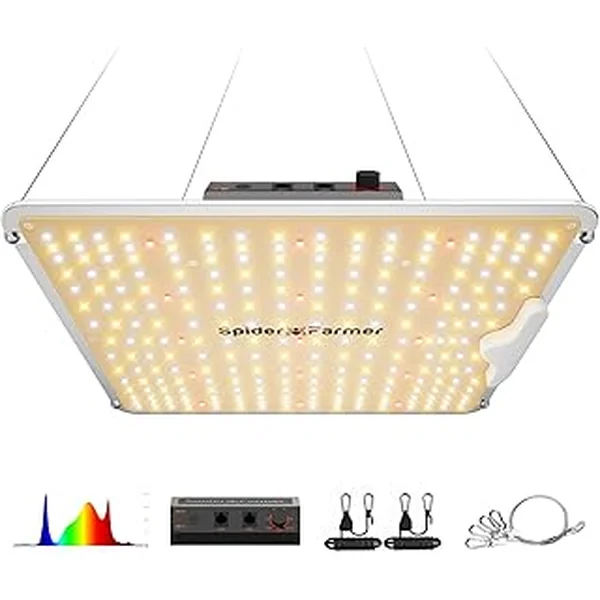
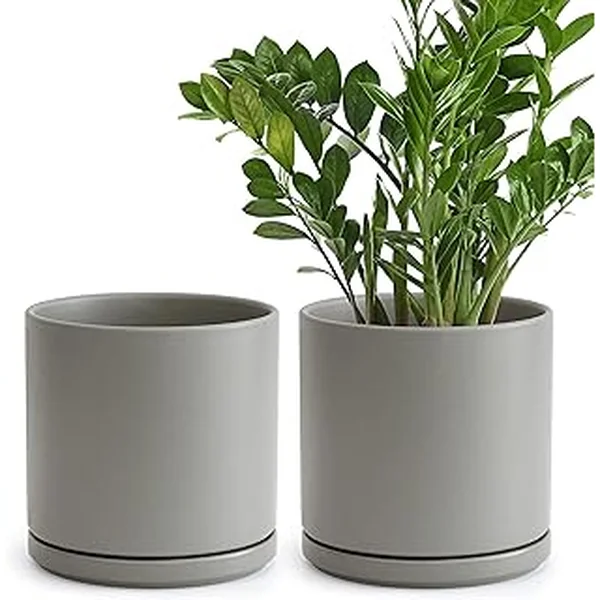
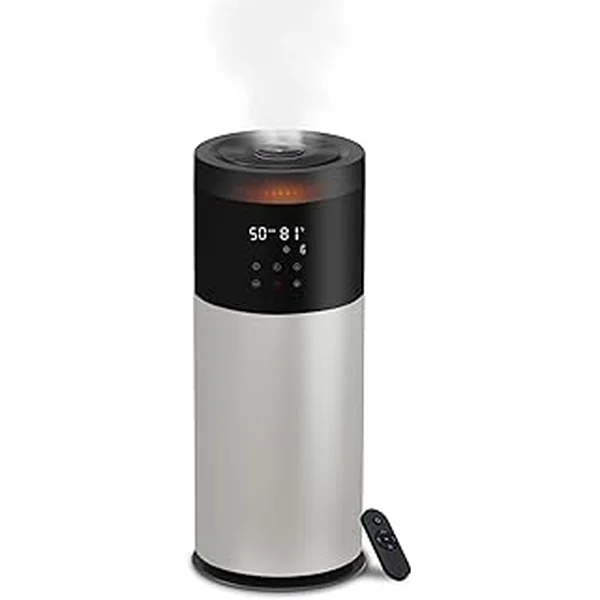
Tazart is an Amazon Associate — we earn from qualifying purchases at no extra cost to you. Thank you for helping us keep these guides free.
Frequently asked questions
How often do you water a cast iron plant?
Water a cast iron plant every 2 to 3 weeks in spring and summer, and once every 4 to 6 weeks in winter. Always check the soil first — only water when the top 5 cm (2 in) of soil feels completely dry. Cast iron plants tolerate drought far better than overwatering, so when in doubt, wait another week.
Can a cast iron plant grow in full shade?
Yes — Aspidistra elatior is one of the very few houseplants that genuinely thrives in near-full shade. It evolved on the forest floors of Japan and China where almost no direct light reaches. A north-facing room, a hallway, or a spot several metres from any window are all acceptable. It will grow slower in deep shade but it will survive where virtually every other houseplant fails.
Why are my cast iron plant leaves turning yellow?
Yellow leaves on a cast iron plant are almost always caused by overwatering or waterlogged soil. Check the roots — if they smell musty or feel slimy, you have root rot starting. Repot in fresh, fast-draining mix, let the soil dry completely before watering again, and ensure the pot has drainage holes. Other causes include direct sunlight (which scorches and bleaches leaves) or a sudden cold draught below 7°C (45°F).
How fast does a cast iron plant grow?
Very slowly. A healthy Aspidistra elatior in good conditions produces 3 to 5 new leaves per year. In low light — which is its natural state — growth is even slower, sometimes just 1 to 2 new leaves annually. This is normal and expected. The plant is not dying; it is simply unhurried. A well-established cast iron plant can live for decades.
Is Aspidistra elatior toxic to pets?
No — cast iron plants are non-toxic to cats, dogs, and humans according to the ASPCA. This makes them one of the safer choices for pet households. However, chewing on any plant can cause mild stomach upset in sensitive animals, so placing it out of reach of curious pets is still sensible.
How do you propagate a cast iron plant?
The only reliable method is rhizome division. Remove the plant from its pot, locate the thick underground rhizomes, and use a clean sharp knife to separate a section with at least 2 to 3 attached leaves. Pot each division in fresh, fast-draining soil and water lightly. Expect the divisions to look stressed for several weeks before new growth resumes — this is normal. Division is best done in spring.