Care
Butterfly Weed Plant Care (Asclepias tuberosa, Monarch Host)
Butterfly weed (Asclepias tuberosa) needs full sun, dry soil, and a deep taproot left undisturbed — a monarch host plant for USDA zones 3–9.
On this page
- Quick answer
- Butterfly weed vs common milkweed
- Why “permanent spot” matters
- Sunlight requirements
- Soil: dry, drainage-first
- Watering schedule
- Pruning and seasonal care
- Patience: the first two years
- Companion planting
- Monarch host plant role
- Propagation
- Common mistakes
- Troubleshooting
- Watch: butterfly weed and monarchs
- Related reading
- A note on conditions
Watch the visual walkthrough
Complete Guide to Butterfly Weed - Grow and Care, Asclepias tuberosa
Make Sure HD is selected in Viewing Options! This is a comprehensive video on how to Grow Butterfly Weed. Topics covered ...
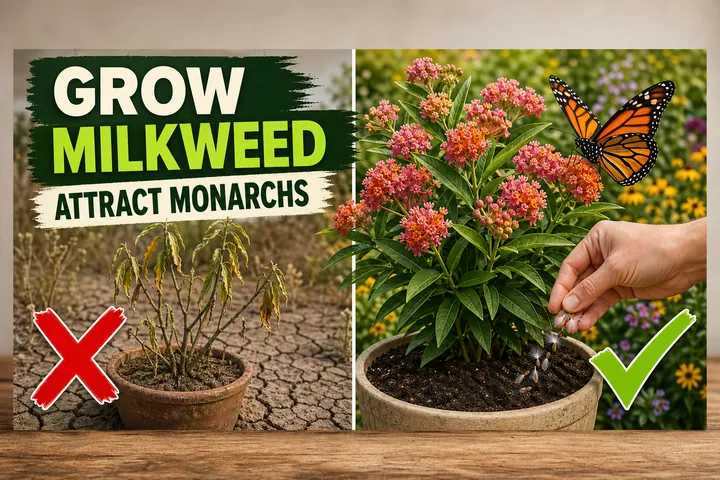
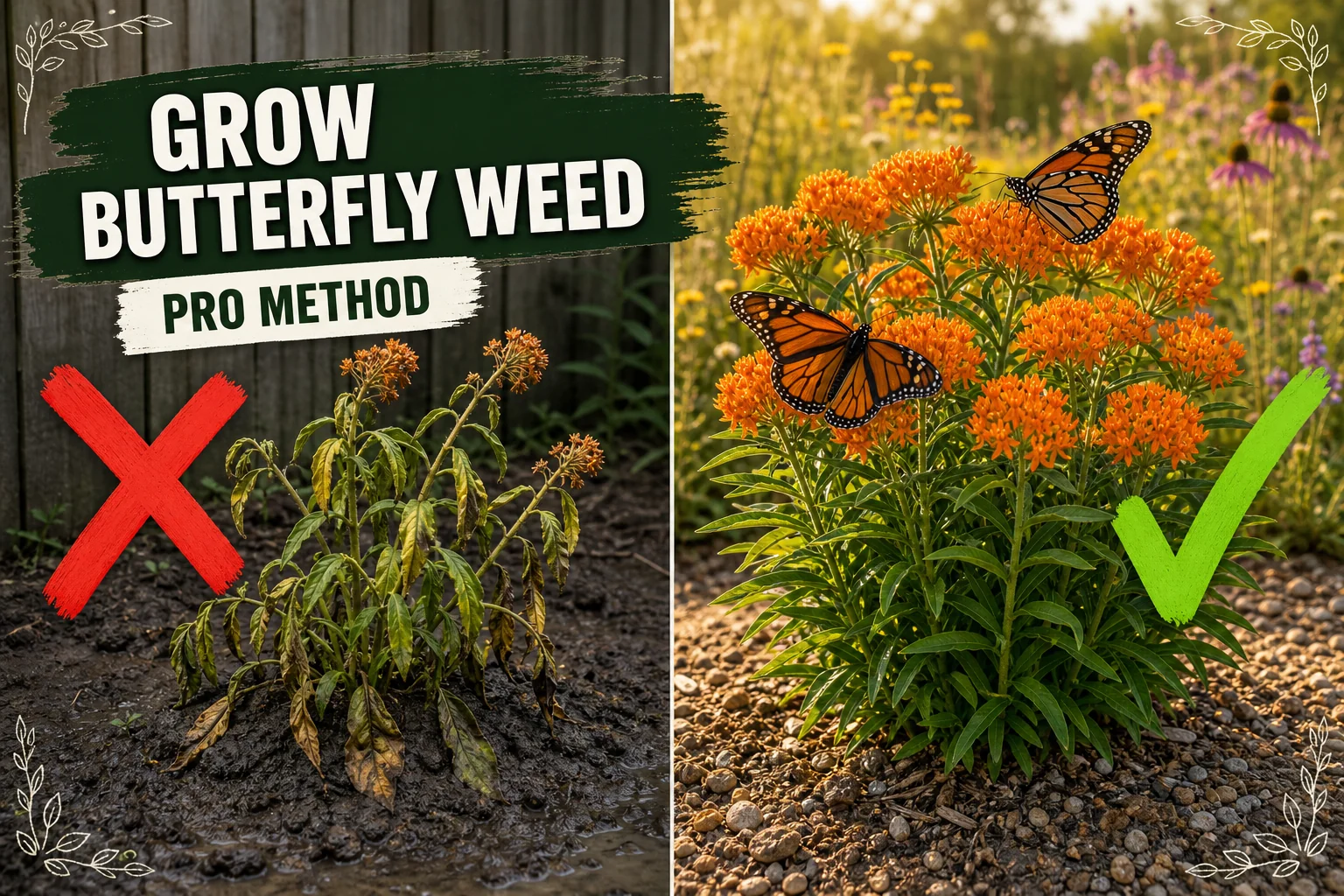
Butterfly weed (Asclepias tuberosa) is the easiest of the milkweeds to grow in a garden setting — a compact 60–90 cm (24–36 in) clump of vivid orange flat-topped flower clusters that bloom for 6–8 weeks from late June through August and pull in monarchs, swallowtails, bees, and hummingbirds. Unlike its larger cousin common milkweed, butterfly weed doesn’t spread aggressively and stays where you plant it.
The catch is that it has a deep taproot that resents transplanting and a strong preference for poor dry soil — two things that catch beginners who treat it like a typical perennial. Plant it once in the right spot, leave it alone, and it can live 10+ years.
This guide covers the rules that decide whether your butterfly weed thrives or sulks: full sun, sharp drainage, no fertilizer, no transplanting, and patience for the slow first 1–2 years of establishment.
Quick answer
Butterfly weed (Asclepias tuberosa) needs full sun (6+ hours daily), well-drained soil, and almost no water once established. Plant in a permanent spot — the deep taproot makes mature plants nearly impossible to move. Skip fertilizer entirely. Bloom from late June through August. Cut back in early spring, never fall. Hardy in USDA zones 3–9. Mature size: 60–90 cm × 30–60 cm (24–36 in × 12–24 in) by year three.
Butterfly weed vs common milkweed
The “milkweed” most people picture — tall pink-flowered Asclepias syriaca — is one of about 130 milkweed species in North America. Butterfly weed (Asclepias tuberosa) is one of those, but it differs from common milkweed in several important ways:
| Trait | Butterfly weed (A. tuberosa) | Common milkweed (A. syriaca) |
|---|---|---|
| Height | 60–90 cm (24–36 in) | 1.5–2 m (5–6.5 ft) |
| Spread | Clump-forming, stays put | Aggressive — spreads via rhizomes |
| Flower colour | Bright orange (occasionally yellow or red) | Pink to mauve |
| Flower shape | Flat-topped clusters | Round drooping balls |
| Sap | Clear, not milky | White and sticky (gives the name) |
| Best for | Garden borders, small spaces | Naturalized meadows, wild edges |
| Monarch host | Yes — caterpillars eat the foliage | Yes — caterpillars eat the foliage |
Both species are valuable for monarch conservation. The Xerces Society and University of Minnesota Extension list both as approved host plants. For garden use specifically, butterfly weed is the better choice because it doesn’t take over.
For a guide focused on common milkweed, see how to grow milkweed.
Why “permanent spot” matters
Butterfly weed develops a carrot-like taproot that grows 30–60 cm (12–24 in) deep within the first year and can extend to 90 cm (36 in) or more by year three. This taproot is what makes the plant drought-tolerant — it finds water metres below the surface where shallower-rooted plants can’t reach.
The downside: digging up the taproot almost always kills the plant. Once mature (over 1 year old), butterfly weed cannot be reliably transplanted. The taproot snaps when lifted, the plant goes into shock, and even if it survives, it sulks for 2–3 years before resuming normal growth.
Choose the planting spot carefully and commit to it. Avoid:
- Spots near garden hoses or sprinkler patterns (too much water)
- Low-lying corners that pool after rain
- Shaded edges of patios or fences
- Spots you might want to redesign in the next 5 years
- Garden corners that get foot traffic
Sunlight requirements
Butterfly weed needs 6+ hours of direct sun per day, ideally 8. This is non-negotiable.
What happens with less sun:
- Stems grow weak and lean toward the light
- Few or no flowers
- Loss of the bright orange colour — flowers fade to a duller orange-yellow
- Reduced winter hardiness — shaded plants don’t store enough taproot energy to survive cold
If your garden has only part-sun, consider swamp milkweed (Asclepias incarnata) instead — it tolerates wetter shadier conditions and still hosts monarchs.
Soil: dry, drainage-first
Butterfly weed evolved on prairie, dry slopes, gravelly roadsides, and sandy fields across most of North America. It’s drought-tolerant, but more important: it’s wet-intolerant.
Ideal soil:
- Texture: sandy loam, gravelly loam, or pure sand
- Drainage: water should drain through the planting hole within an hour
- pH: 6.0–8.0 (tolerant of a wide range)
- Fertility: low to moderate — produces the brightest orange flowers in poor soil
What kills butterfly weed:
- Heavy clay that holds water after rain
- Rich compost-heavy beds
- Irrigated lawn edges
- Bog-like spots, low-lying corners
Fixing heavy clay: mix 30% coarse sand into the planting hole, OR build a small raised mound 15 cm (6 in) above the surrounding grade. Don’t try to convert clay to “rich loam” — the plant prefers the leaner option.
Watering schedule
Year one (establishment): water deeply once a week if rainfall is below 25 mm (1 in). This builds the taproot for the next decade.
Year two and beyond: rarely water at all. Natural rainfall in temperate climates is usually enough. Mature butterfly weed survives 30+ days without water.
Signs of overwatering (much more common than underwatering):
- Yellow lower leaves
- Floppy or sprawling habit
- Soft black spots on lower stems (crown rot)
- Plant fails to return in spring after a wet winter
Signs of underwatering (rare):
- Curled, dry leaves on top growth
- Buds drop before opening
- Wilted appearance lasting past sundown
When in doubt, don’t water.
Pruning and seasonal care
Don’t cut back in fall. Leave the dry standing stems through winter for three reasons:
- They insulate the crown
- They provide overwintering habitat for native bees and other beneficial insects
- The seed pods drop during winter, naturally re-seeding small colonies (or feed birds)
Cut back in early spring. Once you see the slow-emerging new growth at the base (often April or May — butterfly weed is one of the latest perennials to wake up), cut every stem back to 5 cm (2 in) above the ground.
Don’t deadhead. The seed pods themselves are decorative — long pointed pods that split open to release silky-tufted seeds in autumn. Leave them on for visual interest and natural reseeding. If you want to prevent seeding, deadhead after flowering.
Patience: the first two years
Butterfly weed grown from seed takes 2–3 years to bloom. The plant spends year one building the taproot, year two making the first small clumps of foliage, and year three onward producing the iconic orange flower clusters.
Even nursery-container plants need a slow first year. Don’t expect a transplanted butterfly weed to bloom heavily in its first summer — the plant is busy putting energy into roots, not flowers.
Mark the spot in fall. Butterfly weed is one of the latest perennials to emerge in spring (often 4–6 weeks behind neighbouring plants). A label or marker prevents accidental digging while planting summer annuals.
Companion planting
Butterfly weed pairs beautifully in dry, sunny gardens with:
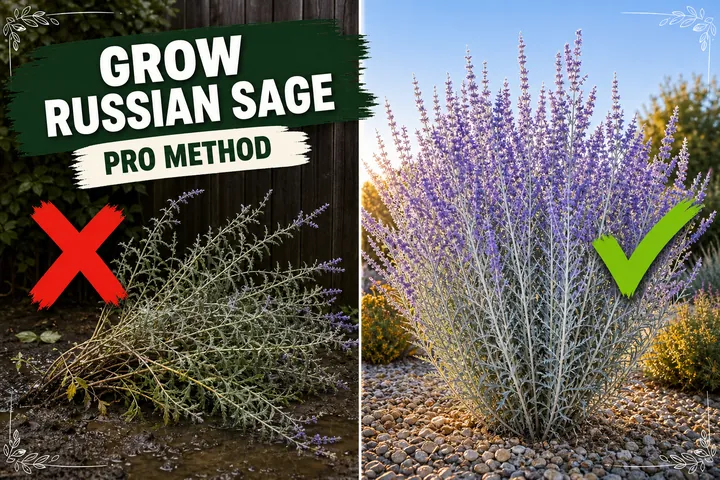
- Russian sage — silvery-blue contrast against the bright orange
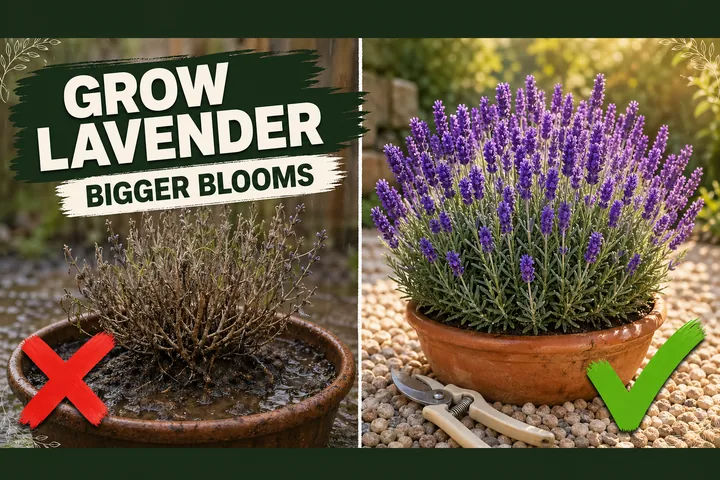
- Lavender — purple-blue spike contrast and same drought tolerance
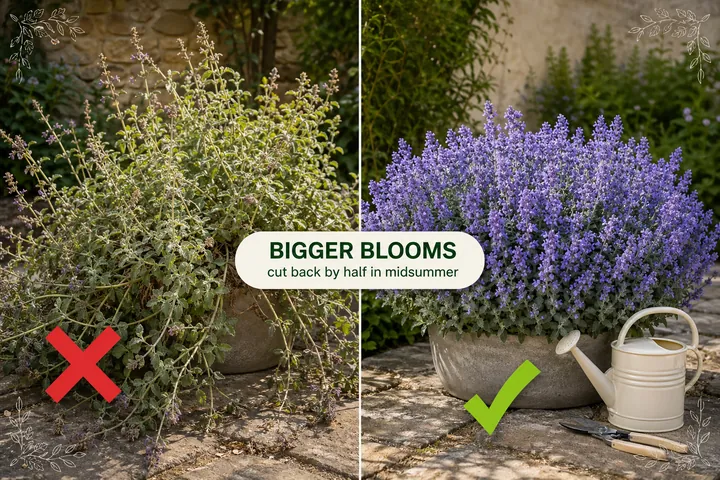
- Catmint (Nepeta) — front-of-border companion with similar season-long bloom
- Black-eyed Susan (Rudbeckia) — golden yellow continues the warm orange-yellow theme
- Coneflower (Echinacea) — bold magenta or purple contrast
- Native grasses (Schizachyrium, Sporobolus) — texture and movement
- Joe-pye weed (Eutrochium) — taller back-of-border pollinator companion
For a full pollinator garden, plant butterfly weed in groups of 3–5, spaced 45 cm (18 in) apart. Massed plantings attract more monarchs than single specimens — adult butterflies prefer to lay eggs on dense clusters where caterpillars have multiple plants to feed on.
A free plant care app like Tazart tracks first-bloom dates, your local frost dates, and watering reminders for newly-planted butterfly weed in its critical establishment year.
Monarch host plant role
Butterfly weed is a confirmed monarch butterfly (Danaus plexippus) host plant. Female monarchs lay eggs on the underside of butterfly weed leaves, and the caterpillars eat the foliage exclusively for the 2-week larval stage before pupating into chrysalises.
What this means for the gardener:
- Expect leaf damage in late summer. Caterpillars can defoliate large portions of a butterfly weed plant — this is the whole point. The plant tolerates the damage and recovers next spring.
- Don’t spray insecticides. Even organic insecticides like neem oil or Bt kill monarch caterpillars. Accept aphids and other pests as part of the ecosystem; they rarely harm a healthy butterfly weed plant.
- Plant multiples. A single butterfly weed feeds 1–2 caterpillars; a cluster of 5 plants supports a small colony.
- Plant native nectar sources. Adult monarchs need nectar in addition to host plants — Joe-pye weed, ironweed, Liatris, and asters provide late-season fuel for migration.
Propagation
Butterfly weed propagates from seed (slow but reliable) or from root cuttings (faster but trickier).
From seed:
- Collect ripe pods in autumn before they split — when pods turn from green to brown
- Cold-moist stratify seed for 30 days (damp paper towel in the fridge)
- Sow indoors 6–8 weeks before last frost OR direct-sow outdoors in fall
- Germination takes 14–28 days at 20–24°C (68–75°F)
- Transplant seedlings while small (under 10 cm / 4 in) — older seedlings have a deep taproot that resents disturbance
From root cuttings:
- In early spring, dig down 15 cm (6 in) and cut a 5 cm (2 in) section of the taproot from a mature plant
- Plant the cutting horizontally in a deep nursery pot of sandy seed compost
- Keep barely moist at 18–22°C (65–72°F)
- New shoots emerge in 4–6 weeks
The parent plant usually survives root cutting if you leave the main taproot intact.
Common mistakes
- Watering too much. The most common butterfly weed killer. After year one, leave the irrigation alone.
- Planting in shade. Less than 6 hours of direct sun produces a floppy, sparsely blooming plant.
- Transplanting mature plants. The taproot snaps and the plant rarely recovers. Plant once, in the right spot.
- Fertilizing. Rich soil produces leggy weak growth and dull flower colour.
- Cutting in fall. Removes valuable winter habitat and the protective stem cover for the crown.
- Spraying insecticides for caterpillar damage. That’s monarch caterpillars eating — that’s the whole point.
- Assuming the plant is dead in spring. Butterfly weed emerges 4–6 weeks later than neighbouring perennials. Wait until June before giving up.
- Buying milkweed treated with neonicotinoids. Some big-box nursery milkweeds are treated with systemic insecticides that kill monarch caterpillars. Buy from native plant nurseries or growers who confirm chemical-free production.
Troubleshooting
| Symptom | Likely cause | Fix |
|---|---|---|
| Plant didn’t return in spring | Drowned in wet winter soil OR died from transplant shock | Plant in better-drained soil; never transplant mature plants |
| Floppy or sprawling growth | Too much shade, too rich soil, or overwatering | Move to full sun (only with young plants); stop fertilizing; reduce watering |
| Leaves chewed and shredded | Monarch caterpillars (this is what you want) | Don’t spray; let the caterpillars feed; the plant recovers next spring |
| Few or no flowers in established plant | Insufficient sun, recent transplant, or too much fertilizer | Move to a 6–8 hour sun spot; stop fertilizing; wait 2 years after transplant |
| Yellow leaves on otherwise healthy plant | Aphid infestation (yellow oleander aphid is common on milkweeds) | Spray with strong water jet weekly; don’t use insecticide — kills monarch caterpillars |
| Plant smaller than expected in year one | Normal — butterfly weed takes 2–3 years to reach mature size | Be patient; year three is typically when the plant reaches peak bloom |
| No emergence by mid-May | Normal — butterfly weed is one of the latest perennials to wake up | Wait until June before giving up; mark the spot to avoid accidental digging |
| Stems blackened at base | Crown rot from wet winter soil | Improve drainage; in spring, cut affected stems and hope for re-emergence from the taproot |
Watch: butterfly weed and monarchs
A short visual walkthrough pairs well with the steps above. If you’re a visual learner, watch a quick step-by-step video that shows butterfly weed’s bloom cycle, monarch egg-laying behaviour, and caterpillar feeding, then come back to the care schedule in this guide.
Related reading
- How to grow milkweed for monarch butterflies — covers common milkweed and other Asclepias species, including the spread-prone A. syriaca.
- Russian sage plant care — silvery companion that pairs beautifully with butterfly weed in dry-garden plantings.
- Lavender plant care — drought-tolerant edging for butterfly weed beds.
- Catmint plant care for season-long blooms — front-of-border companion with overlapping bloom window.
A note on conditions
Every garden is different. USDA zone, soil texture, summer rainfall, and how much sun the bed actually gets all change how butterfly weed performs. Use the timing and depth guidance in this guide as a starting point and adjust based on how your plant looks in its first three seasons — that’s how every good native-plant gardener tunes a permanent planting.
Highly recommended
The supplies that make this guide work



Tazart is an Amazon Associate — we earn from qualifying purchases at no extra cost to you. Thank you for helping us keep these guides free.
Frequently asked questions
How do you care for butterfly weed?
Butterfly weed (Asclepias tuberosa) needs full sun (at least 6 hours of direct light), dry well-drained soil, and almost no water once established. Plant in spring or fall in a permanent spot — the deep taproot makes mature plants nearly impossible to transplant. Don't fertilize, don't deadhead the flat-topped orange flower clusters until you see seed pods form, and don't cut back until early spring. Hardy in USDA zones 3–9. Following these four rules — sun, drainage, no transplant, no fuss — produces a 60–90 cm (24–36 in) clump of vivid orange flowers that pulls in monarchs and other pollinators all summer.
Is butterfly weed the same as milkweed?
Butterfly weed is one species in the milkweed family (genus Asclepias) — Asclepias tuberosa specifically. The general term 'milkweed' usually refers to common milkweed (Asclepias syriaca), which is a much taller (1.5–2 m / 5–6.5 ft) spreading plant with pink flowers and milky white sap. Butterfly weed is shorter (60–90 cm / 24–36 in), clump-forming, doesn't spread aggressively, and produces clear (not milky) sap. Both are monarch host plants — monarch caterpillars eat the foliage of either species — but butterfly weed is the better choice for small gardens.
Does butterfly weed need full sun?
Yes — butterfly weed needs at least 6 hours of direct sun per day, ideally 8 hours. In less than 4 hours of sun the plant grows leggy and floppy, blooms sparsely, and may not survive winter. Butterfly weed evolved on dry prairie and roadside slopes across North America where sun is intense and continuous. If you only have part-sun, swamp milkweed (Asclepias incarnata) tolerates wetter shadier conditions better while still hosting monarchs.
Can you transplant butterfly weed?
Only when the plant is young (under 1 year old, before the taproot establishes deeply). Mature butterfly weed has a 60+ cm (24+ in) taproot that resents disturbance and rarely survives transplanting. Choose the planting spot carefully and commit to it. If you must move a mature plant, dig at least 45 cm (18 in) deep and 30 cm (12 in) out from the crown to capture as much of the taproot as possible — and accept that the plant will sulk for at least a year before resuming normal growth.
How long does butterfly weed take to bloom?
Butterfly weed grown from seed takes 2–3 years to bloom — the plant spends its first year building the deep taproot before producing flowers. Plants started from nursery containers usually bloom in their second year. Once established, blooming runs from late June through August in most zones, with a long display window of 6–8 weeks. Mature plants in their fourth year and beyond produce the heaviest flowering.
Is butterfly weed invasive?
No. Butterfly weed is native to most of North America and is a well-behaved clump-forming perennial that doesn't spread aggressively. Unlike common milkweed (Asclepias syriaca), which spreads via underground rhizomes and can overtake a garden, butterfly weed stays in a tidy 60–90 cm (24–36 in) wide clump for its 10+ year lifespan. It self-seeds modestly if you leave the seed pods on, but seedlings are easy to spot and pull where unwanted.