Houseplants
10 Best Plants for Your Office Desk (Low Light, Low Fuss)
The best plants for an office desk: low-light tolerant, compact, and hard to kill. Top 10 picks, what to avoid, and tips for windowless desks.
On this page
Watch the visual walkthrough
15 Best Office Desk Plants That Don’t Need Space
Here are some related video links: 12 Best Office Desk Plants You Will Love ❤️ https://youtu.be/Nl3aWPPqlfo 9 Plants for the ...
You don’t need a windowsill full of sun or a green thumb. The right desk plant can sit under fluorescent light for weeks on end, survive an occasional missed watering, and still make your workspace feel calmer and more alive.
This guide covers the 10 best plants for an office desk — ranked by how well they survive real office conditions — plus what to avoid, how to handle a completely windowless desk, and the research behind why plants at work actually matter.
Quick answer
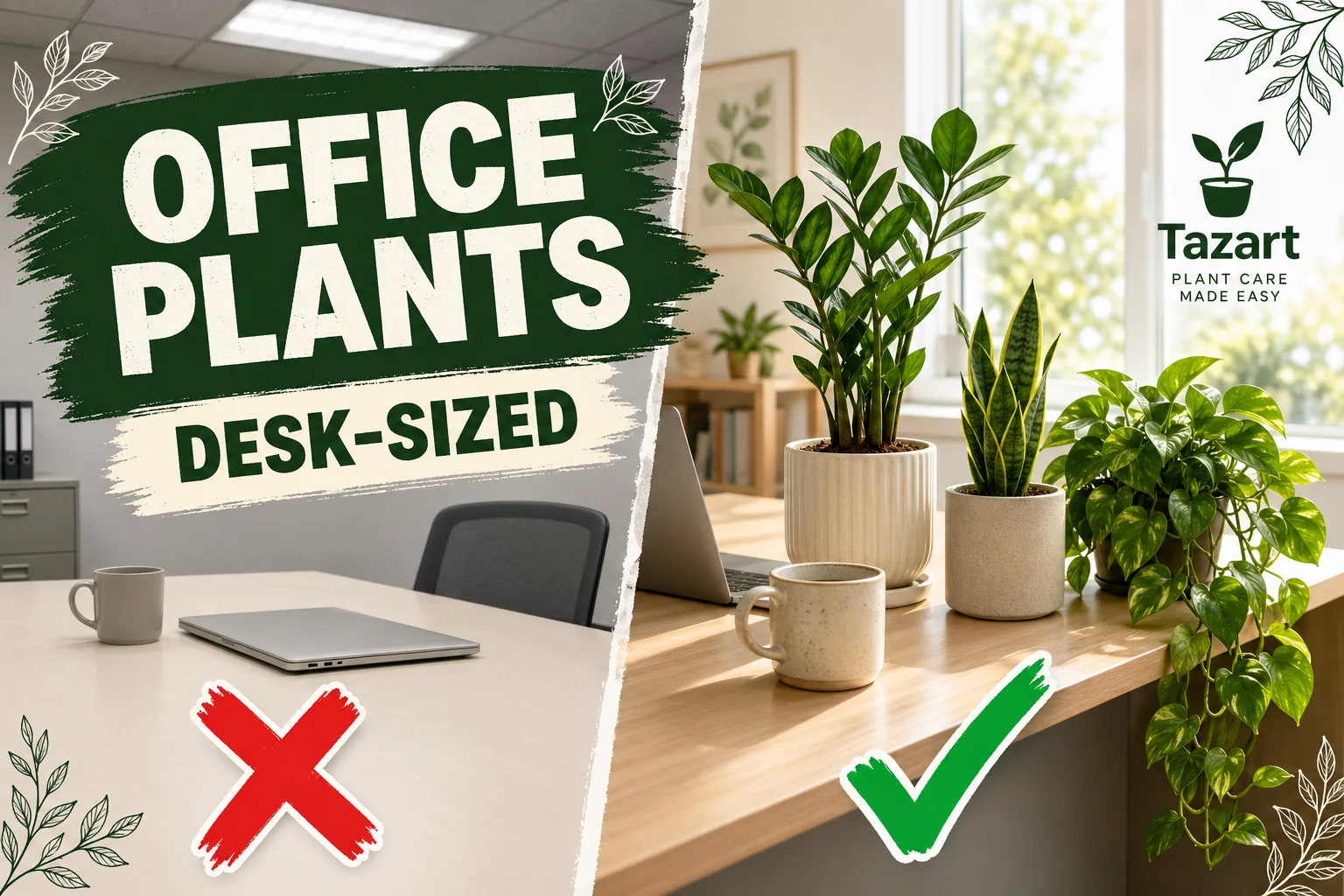
The best plants for an office desk are the ZZ plant, small-variety snake plant, pothos, Chinese evergreen (Aglaonema), and lucky bamboo. All tolerate fluorescent or LED office lighting, need water every 1–4 weeks, and stay compact enough to share a desk with a monitor. For a windowless office, add a small clip-on LED grow light to expand your options.
Does having a desk plant actually help?
Before picking a plant, it’s worth knowing why the research supports the habit.
A 2014 study in the Journal of Experimental Psychology: Applied found that adding plants to a “lean” (bare) office environment increased self-reported productivity by 15% and raised levels of workplace satisfaction and air quality perception. A separate University of Exeter study found employees in “green” offices had 47% higher wellbeing scores and 45% better creativity scores compared to those in bare offices.
The NASA Clean Air Study identified a range of common houseplants — including pothos, peace lily, and spider plant — that measurably reduce indoor air pollutants like benzene, formaldehyde, and trichloroethylene.
One plant on a desk isn’t a medical treatment, but the effect is real and costs almost nothing.
How to pick a desk plant: 4 criteria
Before looking at specific plants, run every candidate through these four filters:
- Low-light tolerant. Office fluorescent or LED lights deliver roughly 300–500 lux at desk level. Most plants need 1 000–5 000 lux minimum. Only species that evolved in forest understorey conditions survive long-term under ceiling lights alone.
- Low water needs. You’ll forget to water it. Pick species that handle 1–3 weeks between waterings without drama.
- Compact size. Keep plants under 30 cm (12 in) tall and under 20 cm (8 in) wide. A 10–15 cm (4–6 in) pot is ideal. Anything larger crowds your monitor and paperwork.
- Hard to kill. Slow growth, tolerant of dry air (offices are typically 30–40% humidity), and forgiving of inconsistent care.
Everything below passes all four tests.
The 10 best plants for an office desk
1. ZZ plant (Zamioculcas zamiifolia)
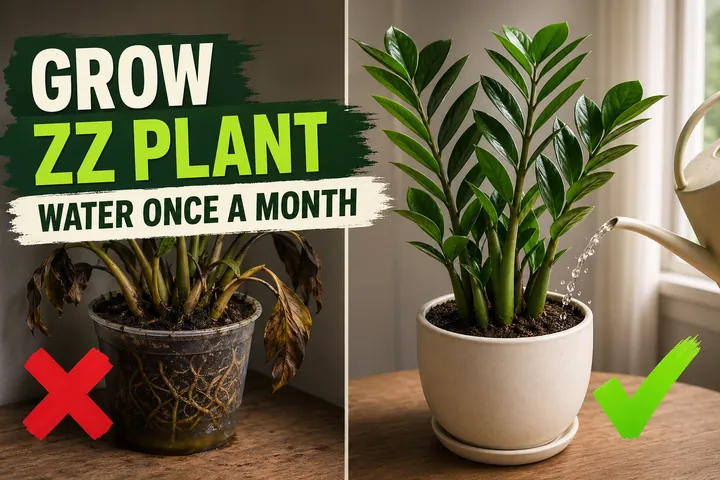
The single best desk plant for offices with no natural light. The ZZ stores water in underground rhizomes the size of small potatoes, which means it laughs at missed waterings and dry office air. Glossy, dark-green leaflets look neat and professional in any setting.
- Light: Tolerates as low as 100 lux (deep shade). Survives standard fluorescent office lighting indefinitely.
- Water: Once every 3–4 weeks. Check by pushing a finger 5 cm (2 in) into soil — only water when completely dry.
- Size: Choose a compact specimen in a 10–13 cm (4–5 in) pot. It grows slowly — the same plant stays desk-sized for 2–3 years.
- Caution: Toxic if ingested. Wash hands after handling the sap. Keep out of reach if coworkers have young children visiting.
See our full ZZ plant care guide for repotting and troubleshooting tips.
2. Snake plant — dwarf varieties (Dracaena trifasciata ‘Hahnii’)
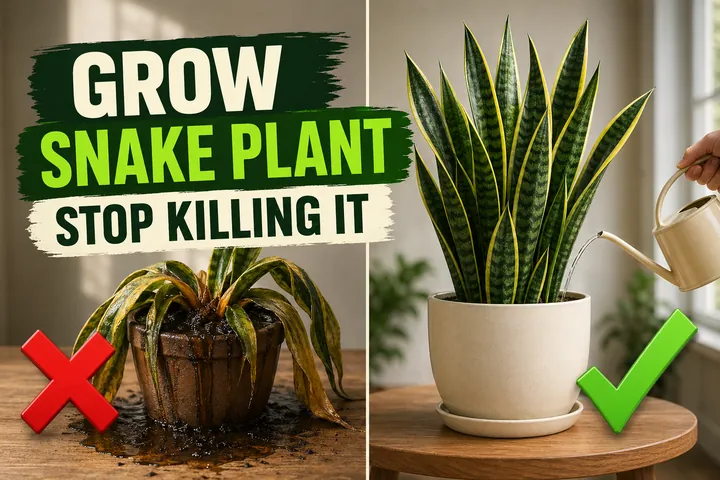
The standard upright snake plant grows to 90–120 cm (3–4 ft) — too large for a desk. The compact ‘Hahnii’ (bird’s nest snake plant) tops out at 20–25 cm (8–10 in) and suits a 10 cm (4 in) pot perfectly.
- Light: Low to medium indirect light. Handles fluorescent lighting well.
- Water: Every 3–6 weeks depending on season and pot size. Snake plants are the second most drought-tolerant desk plant after a ZZ.
- Bonus: Included in the NASA Clean Air Study for filtering formaldehyde and benzene — relevant in offices with new furniture or carpets.
- Caution: Mildly toxic to cats and dogs.
Our full snake plant care guide covers light, watering, and the repotting schedule.
3. Pothos (Epipremnum aureum)
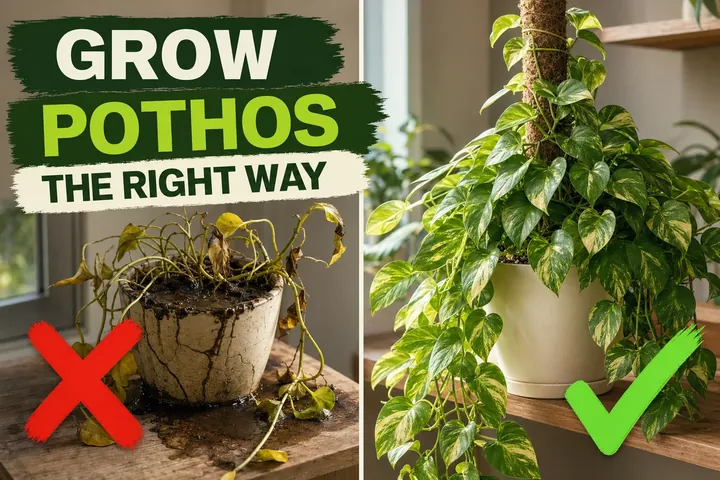
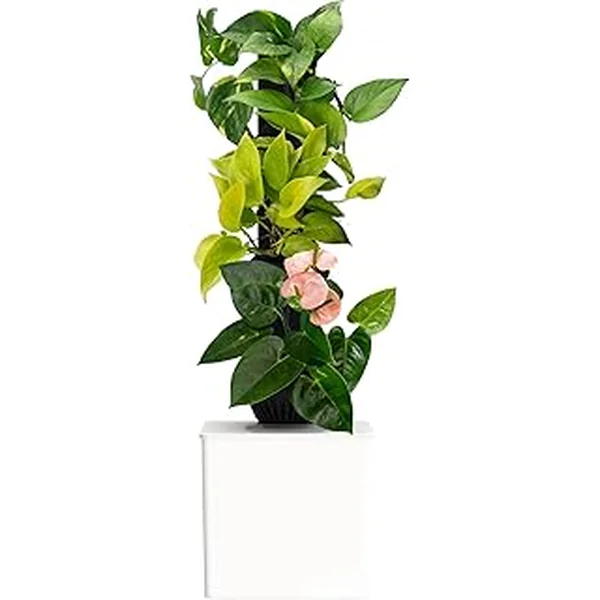
Pothos is the fastest-growing desk plant on this list. In a 10 cm (4 in) hanging pot placed on a shelf above a monitor, the trailing vines add personality to a workspace. In a standard pot on the desk surface, keep it pruned to stay tidy.
- Light: Medium to low indirect light. One of the most low-light tolerant plants available.
- Water: When the top 3 cm (1 in) of soil is dry — roughly every 7–14 days in a dim office.
- Varieties: Golden pothos is the most forgiving. Marble Queen pothos needs slightly more light for its variegation to stay bold.
- Caution: Toxic if ingested. The sap can irritate skin — wash hands after pruning.
See our pothos plant care guide for the full care breakdown.
4. Chinese evergreen (Aglaonema)
Chinese evergreens come in a wide range of foliage — from deep green to silver-grey to pink-red — making them one of the most visually varied options on this list. All varieties share the same low-maintenance profile.
- Light: Tolerates low light well. The darker-green varieties (e.g. ‘Silver Queen’) handle the dimmest offices. Pink and red varieties need slightly more light to hold their colour.
- Water: Every 7–14 days. Allow the top 3–5 cm (1–2 in) to dry between waterings.
- Size: Choose a specimen in a 10–13 cm (4–5 in) pot. Stays under 30 cm (12 in) for the first couple of years.
- Air quality: Included in the NASA Clean Air Study plant list.
5. Lucky bamboo (Dracaena sanderiana)
Lucky bamboo grows in water, which makes it uniquely desk-friendly — no soil, no mess, and watering is just topping up the vessel once a week. Arrange 3, 5, or 7 stalks in a glass vase with pebbles for a clean, professional look.
- Light: Low to medium indirect light. Handles fluorescent lighting well.
- Water: Keep the roots submerged in 5–8 cm (2–3 in) of water. Change the water fully every 2–3 weeks. Use filtered or bottled water if your tap water is heavily chlorinated — brown leaf tips often signal mineral buildup.
- Size: Easily kept to 20–30 cm (8–12 in) by purchasing short spiral or straight-stem varieties.
- Note: Despite the name, lucky bamboo is not a bamboo — it’s a Dracaena and shares no care requirements with true bamboo.
6. Air plants (Tillandsia spp.)
Air plants need no soil at all, which makes them perfect for desks with no space for a pot. A single specimen in a geometric wire holder or small ceramic vessel is one of the most low-maintenance desk accessories possible.
- Light: Bright indirect light preferred. Under office fluorescent lights, most species survive but grow slowly. A south-facing window nearby helps.
- Water: Mist 2–3 times per week, or soak in room-temperature water for 20–30 minutes once a week, then shake off excess and let dry upside-down for 1–2 hours. Never leave water pooled in the centre of the rosette — it rots the base.
- Caution: Air plants do best with some natural light. In a fully windowless office, a small grow light for 6–8 hours daily makes a significant difference.
7. Peace lily (Spathiphyllum wallisii)
The peace lily is the only flowering plant on this list that genuinely tolerates low light. White spathes appear periodically and add a touch of elegance to a desk. It also topped the NASA Clean Air Study for filtering air pollutants.
- Light: Low to medium indirect light. Flowers best with slightly more light than the other plants on this list, but survives in quite dim rooms.
- Water: Every 7–10 days. Let the top 2–3 cm (1 in) dry before watering. Peace lilies will dramatically droop when thirsty — they recover quickly after a good drink, which serves as a natural watering reminder.
- Size: Choose a compact dwarf variety. A 10–13 cm (4–5 in) pot stays under 30 cm (12 in).
- Caution: Toxic to cats, dogs, and humans if ingested. The pollen can trigger reactions in allergy-sensitive individuals.
8. Spider plant (Chlorophytum comosum)
Spider plants are cheerful, fast-growing, and produce trailing “spiderettes” — small plantlets on long runners — that add life to a shelf or desk edge. The variegated form (green with cream stripes) is the most popular.
- Light: Medium indirect light preferred. Handles low light but loses variegation in very dim spots.
- Water: Every 7–14 days. Allow the top 3 cm (1 in) to dry between waterings. Very forgiving of an occasional missed watering.
- Size: Keep in a 10–13 cm (4–5 in) pot. The plant itself stays compact; the runners trail outward and add a dynamic touch.
- Pet safety: One of the few houseplants on this list that is non-toxic to cats and dogs.
9. Chinese evergreen — further note on colour selection
Already listed at #4, but worth calling out separately: if your office gets any natural light from a nearby window (even filtered), the pink and red Aglaonema varieties (‘Siam Aurora’, ‘Creta’, ‘Prestige’) deliver striking colour that no other desk plant in this category matches. If your desk is far from any window, stick to the green and silver cultivars.
10. Philodendron Brasil (Philodendron hederaceum ‘Brasil’)
Philodendron Brasil is a close cousin of the pothos and shares similar care. Its heart-shaped leaves sport bright lime-green and dark-green variegation that looks striking on a desk without being distracting.
- Light: Medium to low indirect light. Handles fluorescent lighting reasonably well — slightly more light-dependent than the ZZ or snake plant.
- Water: Every 7–14 days when the top 3 cm (1 in) is dry.
- Size: Keep in a 10 cm (4 in) pot, trail over the front of the desk, or put on a small shelf behind the monitor.
- Caution: Toxic if ingested; sap irritates skin.
What to avoid on an office desk
Not every popular houseplant belongs on a desk. Avoid these categories:
| Plant type | Why it fails on a desk |
|---|---|
| Humidity-loving tropicals (calathea, ferns, orchids) | Need 60%+ humidity. Office air is typically 30–40% — leaves brown and crisp within weeks. |
| Full-sun plants (most succulents, cactus, lavender) | Need 4–6+ hours of direct sun or equivalent grow light. Fluorescent office light is 10–15x too dim. |
| Large plants (standard snake plant, fiddle-leaf fig, bird of paradise) | Outgrow a desk within one growing season; tip over and crowd a workspace. |
| Fast-growing herbs (basil, mint) | Require daily watering, strong light, and regular harvesting — too demanding for a work desk. |
| Fragrant flowering plants (jasmine, gardenia) | Scent can cause headaches or trigger allergies in shared offices. |
Tips for a windowless office
No natural light is a real constraint, but it doesn’t mean no plants. You have two options:
Option A: Stick to the toughest survivors
Limit yourself to ZZ plant, ‘Hahnii’ snake plant, Chinese evergreen (dark varieties), and lucky bamboo. These four tolerate office fluorescent or LED ceiling lights at 300–500 lux indefinitely.
Option B: Add a small grow light
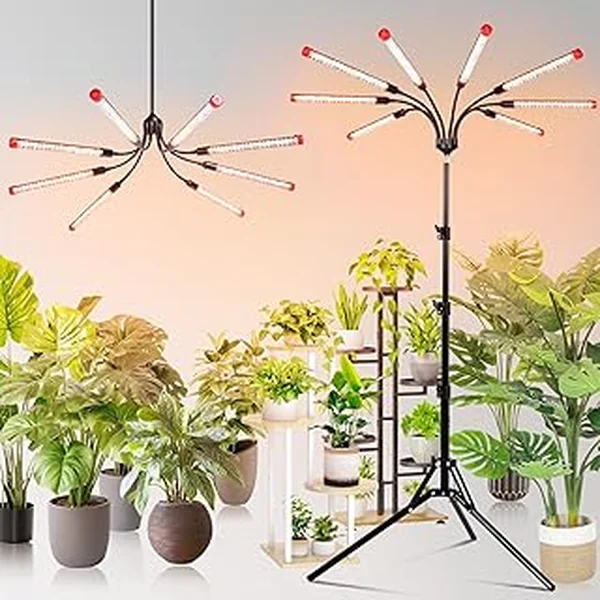
A compact clip-on full-spectrum LED grow light set to 6–8 hours per day on a timer costs under $30 and opens up most of the plants on this list, including pothos, spider plant, peace lily, and air plants. Position the light 15–30 cm (6–12 in) above the plant canopy. A timer is essential — plants need dark periods to rest.
Option C: Rotate every two weeks
Keep two identical plants: one on your desk, one at home near a bright window. Swap them every two weeks. The desk plant “recovers” at home, and neither plant ever stays in the dark long enough to decline permanently.
Watch: Best office desk plants video guide
This video provides a visual walkthrough of compact, low-light office plants that pairs well with the picks above.
(The Tazart team will embed a verified YouTube video here via the resolver — see youtubeId in frontmatter.)
Related reading
- ZZ plant care — the full care guide for the #1 windowless office plant.
- Pothos plant care — the best trailing desk plant and how to keep it bushy.
- How to take care of a snake plant — includes the compact ‘Hahnii’ variety ideal for desks.
- Track your desk plant watering schedule with the free Tazart plant care app — set a reminder once and never come back to a wilted plant.
A note on conditions
Every office is different. A cubicle under a bright window is not the same as a basement desk under fluorescent-only lighting. Pot size, air conditioning, heating vents, and seasonal changes all affect how quickly soil dries out. Use the watering frequencies above as starting points, check the soil before each watering, and adjust based on what you find — that is how every good plant owner learns their environment.
Highly recommended
The supplies that make this guide work
Tazart is an Amazon Associate — we earn from qualifying purchases at no extra cost to you. Thank you for helping us keep these guides free.
Frequently asked questions
What is the best plant for an office desk with no windows?
The ZZ plant (Zamioculcas zamiifolia) is the top pick for windowless desks. It survives entirely on fluorescent light, needs water only once a month, and stays compact for years. Lucky bamboo and Chinese evergreen (Aglaonema) are strong runners-up — both tolerate artificial light and low humidity better than almost any other houseplant.
What small plants survive under fluorescent office lights?
ZZ plant, snake plant small varieties (like 'Hahnii'), pothos, Chinese evergreen, lucky bamboo, and air plants (Tillandsia) all survive and grow under standard office fluorescent or LED lighting. Succulents like jade need at least some natural light and generally do not last long in a windowless office without a grow light.
Do desk plants really improve productivity?
Yes — there is solid research behind this. A 2014 study published in the Journal of Experimental Psychology: Applied found that enriching a 'lean' office with plants increased productivity by 15%. Separate studies show plants reduce stress, lower cortisol levels, and cut reported fatigue. Even a single small plant on your desk produces a measurable effect.
How do I keep plants alive in a windowless office?
Use only the most light-tolerant species (ZZ, snake plant, Chinese evergreen, pothos). If you want a wider selection, place a small full-spectrum LED grow light (6–8 hours per day on a timer) 15–30 cm (6–12 in) above the plant. Alternatively, rotate any desk plant to a bright windowsill at home every two weeks and bring a replacement to the office, swapping them on a two-week cycle.
Can succulents survive in a fluorescent-lit office?
Short answer: no, not long-term. Succulents evolved in full sun (40 000–70 000 lux) and need at least 6 hours of bright light daily. Standard fluorescent or LED ceiling lights deliver only 300–500 lux at desk level — far too dim. A jade plant or haworthia might hold on for a few months, then stretch, pale, and eventually collapse. If you love succulents at your desk, add a dedicated LED grow light.
What plants are safe for shared offices with allergies?
Air plants (Tillandsia), lucky bamboo, ZZ plants, and most pothos varieties are very low pollen producers and safe for most allergy sufferers. Avoid fragrant blooming plants like peace lily (which can trigger pollen-sensitive people) or heavily scented herbs. Peace lily does produce some pollen — its white spathe is the flower, not just decoration.
How big should a desk plant be?
Keep desk plants under 30 cm (12 in) tall and under 20 cm (8 in) wide to avoid crowding your monitor, keyboard, and documents. A 10–15 cm (4–6 in) pot is ideal. Plants in this size range — a small ZZ, a snake plant 'Hahnii', a pothos in a 10 cm (4 in) hanging pot, or a trio of air plants — provide all the visual and productivity benefits without taking over your workspace.
How often should I water office plants?
It depends on the plant, but a useful rule for most low-light desk plants: water when the top 2–3 cm (1 in) of soil is fully dry. For ZZ plants and snake plants that can mean once every 3–4 weeks. For pothos and Chinese evergreen, once every 7–14 days. Under fluorescent lights with no direct sun, soil dries much more slowly than at home — so water less often than you think, and always check before pouring.