Edible
Best Conditions for Ginger to Grow (Warmth, Light, Soil)
Ginger needs warm 21-29°C (70-85°F) days, 50-60%+ humidity, partial shade, and loose loamy soil at pH 5.5-6.5. Here's the full conditions checklist.
On this page
- Quick answer
- Why ginger is so picky about conditions
- The four conditions ginger needs
- Watering: consistently moist, never soggy
- Where in the world ginger grows outdoors
- Indoor setup that actually works
- Common mistakes to avoid
- Troubleshooting
- Watch: best conditions for ginger
- Related reading
- A note on conditions
Watch the visual walkthrough
How to Grow Ginger in Containers And Get a Huge Harvest
Get free seeds, shipping, and returns: https://www.epicgardening.com/greenhouse/ Learn more: ...
Ginger isn’t difficult to grow, but it is fussy about its conditions. It evolved in the warm humid understory of Southeast Asian rainforests, so any setup that doesn’t approximate that environment will give a thin, slow-growing harvest — or no harvest at all.
Get the temperature, humidity, light, and soil right and a single rhizome will multiply into a kilo of fresh ginger in 8-10 months. This guide covers exactly what Zingiber officinale needs to thrive, indoors or out.
Quick answer
Ginger grows best in warm temperatures of 21-29°C (70-85°F), humidity above 50-60%, partial shade or dappled morning light (2-5 hours), and loose loamy well-draining soil with a slightly acidic pH of 5.5-6.5. Keep the soil consistently moist but never soggy. Outdoors it thrives in USDA zones 9-12; anywhere colder it must be grown indoors, in a greenhouse, or as a summer container plant.
Why ginger is so picky about conditions
Zingiber officinale is a tropical perennial in the family Zingiberaceae. In the wild it grows in warm, humid, partially shaded forest floors with rich organic soils and consistent rainfall — conditions that are difficult to replicate in a temperate garden or a dry centrally heated apartment.
The rhizome itself stores water and energy, so the plant can survive short stress, but flavour and yield drop fast outside its preferred range. Cool soil slows growth, low humidity browns the leaf edges, and heavy soil suffocates the spreading rhizomes.
The fix is to match four conditions deliberately: warmth, humidity, filtered light, and airy soil. Once those are dialled in, ginger is genuinely easy.
The four conditions ginger needs
1. Warmth: 21-29°C (70-85°F)
Ginger is a heat-loving tropical. The sweet spot for active growth is 21-29°C (70-85°F) during the day, with nights staying above 15°C (59°F).
| Temperature | Effect on ginger |
|---|---|
| 27-29°C (80-85°F) | Peak growth, fastest rhizome expansion |
| 21-27°C (70-80°F) | Strong steady growth |
| 15-21°C (59-70°F) | Slow growth, smaller leaves |
| 10-15°C (50-59°F) | Growth halts; rhizomes go dormant |
| Below 10°C (50°F) | Cold damage risk; rhizomes may rot |
| Below 0°C (32°F) | Plant dies — ginger is not frost hardy |
This is why ginger is grown commercially in places like Hawaii, southern India, Jamaica, and Queensland — they have the long warm growing season the plant needs to mature a full crop.
2. Humidity: 50-60% minimum, 70-80% ideal
Ginger leaves transpire heavily and dry air sucks the moisture out faster than the rhizome can replace it. Aim for at least 50-60% relative humidity, and closer to 70-80% if you can manage it.
Outdoors in humid summer climates this happens naturally. Indoors it usually doesn’t, especially in winter when central heating drops humidity to 25-35%. The practical fixes:
- Group ginger with other plants — they create a humid microclimate as they transpire
- Sit the pot on a humidity tray (a saucer of pebbles topped up with water below the pot’s drainage level)
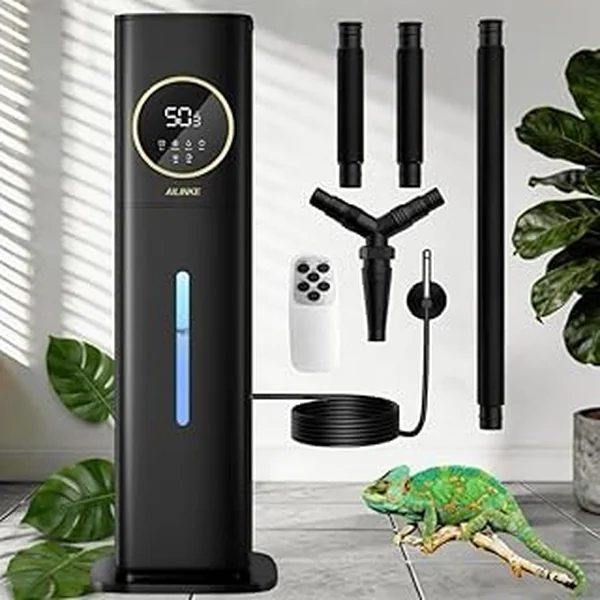
- Run a small plant humidifier near the foliage on a timer
- Mist the leaves with rainwater or filtered water in the morning (not evening — wet leaves overnight invite fungal disease)
Crispy brown leaf edges are the first sign humidity is too low.
3. Light: bright filtered, 2-5 hours direct
Ginger is not a full-sun plant. It evolved under the broken canopy of taller trees, so it wants dappled filtered light with about 2-5 hours of gentle direct sun — ideally morning sun, then shade through the hottest part of the afternoon.
Where to place it:
- Outdoors: the east side of a building, under a high airy tree canopy, or behind a 30-40% shade cloth in hot climates
- Indoors: an east-facing window, or 60-90 cm (24-36 in) back from a south- or west-facing window
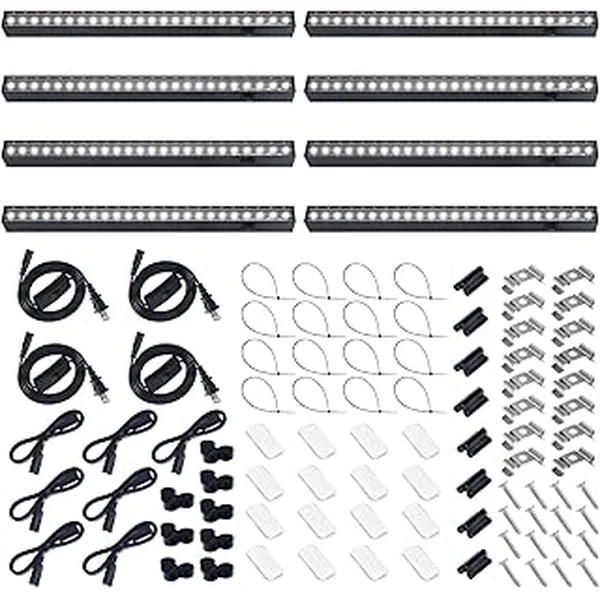
- Low-light homes: a full-spectrum LED grow light bar 30-45 cm (12-18 in) above the leaves on a 10-12 hour timer
Harsh midday sun scorches the leaves yellow and stresses the rhizome. Deep shade slows growth to a crawl. Filtered bright light is the goal.
4. Soil: loose, loamy, well-draining, pH 5.5-6.5
This is where most beginners go wrong. Ginger rhizomes spread sideways through the top 5-15 cm (2-6 in) of soil, and they need that zone to be loose, airy, and fast-draining.
Texture: a good loamy mix should crumble easily when you squeeze a handful — not pack into a heavy clay ball.
A reliable container recipe:
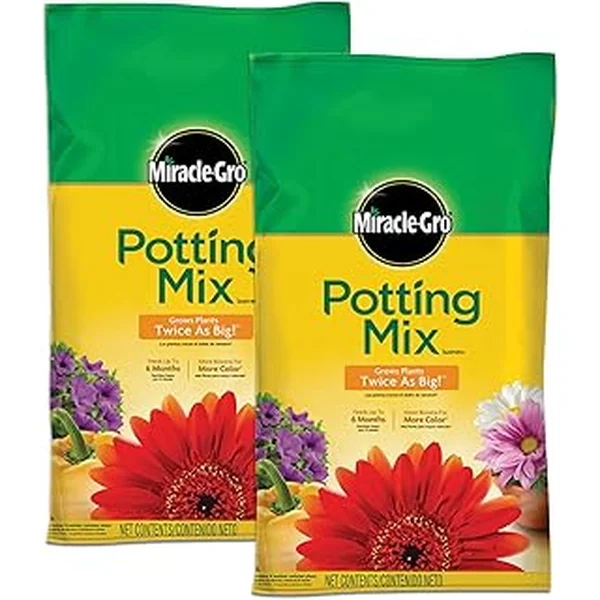
- 60% premium peat-free potting mix
- 20% perlite or coarse horticultural sand
- 20% well-rotted compost or aged leaf mould
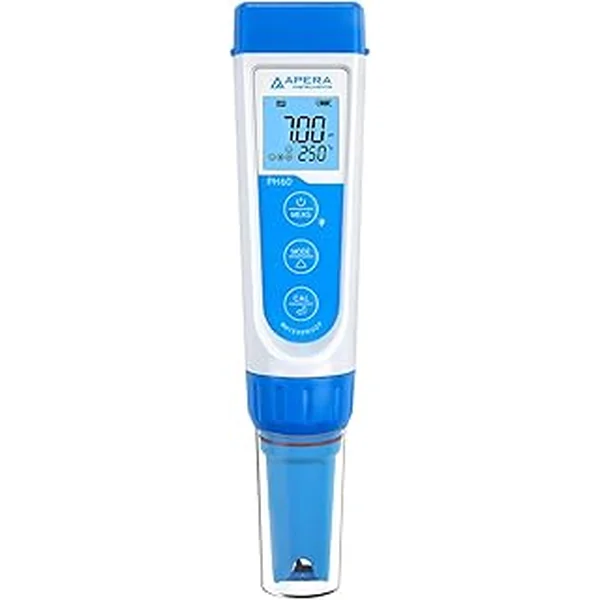
Test the pH with a digital soil meter — ginger insists on slightly acidic 5.5-6.5. Above 7.0 nutrient uptake stalls and growth weakens. If your tap water is alkaline, switch to rainwater or filtered water for ginger.
The soil should hold moisture without ever becoming soggy. Dense, water-logged soil is the single biggest cause of rhizome rot.
Watering: consistently moist, never soggy
Ginger likes a steady supply of water but hates wet feet. Water when the top 2-3 cm (0.75-1 in) of soil starts to dry out — usually every 3-5 days in warm growing weather, less in cool conditions or during the dormancy that follows leaf die-back.
Watering rules:
- Water at the base of the plant, not on the foliage
- Pour slowly until water drips from the drainage holes, then stop
- Never let the pot sit in a saucer of standing water
- Reduce frequency by half once leaves yellow naturally in autumn — the plant is entering dormancy
- Use rainwater or filtered water if your tap water is hard or chlorinated
Yellow lower leaves and a sour smell from the soil mean overwatering; crispy curled leaves with brown edges mean underwatering or low humidity.
Where in the world ginger grows outdoors
| USDA zone | Outdoor strategy |
|---|---|
| Zones 9-12 (e.g. southern FL, coastal CA, Hawaii, southern TX) | Plant in the ground or in containers; grows year-round |
| Zones 7-8 | Grow as a summer annual; dig up rhizomes before first frost |
| Zones 5-6 | Grow in containers; bring indoors before frost; treat as a 12-month indoor crop or summer outdoor / winter indoor |
| Zones 4 and below | Grow fully indoors year-round, with grow lights and a humidifier |
If you live anywhere in the world with a long, warm, humid summer (above 21°C / 70°F most days), you can grow ginger outside in containers from late spring through early autumn, then move them indoors before the first frost.
Indoor setup that actually works
A reliable indoor ginger setup needs all four conditions hitting at once. Here’s the minimal kit:
- A wide, shallow pot at least 30 cm (12 in) wide and 20 cm (8 in) deep — rhizomes spread sideways, not down
- A pot with free-draining holes sat on a humidity tray of pebbles and water
- Loose loamy potting mix at pH 5.5-6.5 (test it)
- An east-facing window OR a full-spectrum LED grow light on a 10-12 hour timer
- Room temperature staying above 18°C (65°F) day and night
- A small plant humidifier within 1 m (3 ft) of the leaves — especially in winter
A free plant care app like Tazart can hold the watering schedule, ping you when the soil is likely drying out based on your local weather, and remind you to mist or check humidity.
Common mistakes to avoid
- Treating it like a full-sun crop. Ginger scorches in hot midday sun. It wants filtered light, not exposed open garden beds.
- Using dense potting soil. Heavy moisture-control mixes choke rhizomes. Always loosen the mix with perlite or sand.
- Letting nights drop below 15°C (59°F). Cool nights stall growth even if days are warm. Indoor temperature stability matters more than peak heat.
- Watering on a fixed schedule. Always check the soil first. Overwatering rotted rhizomes are the most common cause of indoor failure.
- Ignoring pH. Alkaline water and alkaline soil starve ginger of nutrients quickly. Test once a season and adjust with sulphur or acidic compost if needed.
- Skipping humidity in winter. Central heating crashes indoor humidity to 25-30%. Without a humidifier or pebble tray, leaves crisp and brown within weeks.
Troubleshooting
| Symptom | Likely cause | Fix |
|---|---|---|
| Crispy brown leaf edges | Humidity too low | Add a humidifier or pebble tray; group with other plants |
| Yellow lower leaves and soggy soil | Overwatering / rhizome rot risk | Let soil dry until top 3-5 cm (1-2 in) is dry; check drainage holes |
| Pale washed-out leaves | Too little light | Move closer to an east window or add a grow light |
| Yellow scorched patches on leaves | Too much direct midday sun | Move to filtered light or behind 30-40% shade cloth |
| No new shoots after planting | Soil too cold | Wait until soil reaches 21°C (70°F); use a heat mat indoors |
| Slow growth and thin shoots | Soil pH too high or low light | Test pH; aim for 5.5-6.5; boost light hours |
| Mushy soft rhizomes | Rot from waterlogging | Repot into airier mix; cut away affected rhizome with sterile knife |
| Leaves dying back in autumn | Natural dormancy onset | Reduce watering; resume normal care when new shoots appear |
Watch: best conditions for ginger
A short visual walkthrough pairs well with the conditions table above. Search YouTube for growing ginger from rhizome conditions for a quick guided tour of soil, light, and humidity setups.
Related reading
- How to grow mint — another tropical-leaning herb that wants partial shade and consistent moisture, similar to ginger.
- How to grow basil indoors — a warm-weather companion that thrives in the same humid bright-filtered-light setup as indoor ginger.
- How to grow chives — a cold-hardy perennial herb that’s the opposite of ginger in temperature tolerance, useful for year-round herb gardens.
- Track ginger’s watering and humidity needs alongside every other plant in your home with the free Tazart plant care app — it adjusts the schedule for your local weather automatically.
A note on conditions
Every home and garden is different. Light angles, pot sizes, soil mixes, season, humidity, and your local weather all change how fast ginger grows. Use the ranges above as a starting point and adjust based on what your plant actually does in week two — that’s the difference between a thin, leafy survivor and a pot bursting with fat productive rhizomes by harvest.
Highly recommended
The supplies that make this guide work
Tazart is an Amazon Associate — we earn from qualifying purchases at no extra cost to you. Thank you for helping us keep these guides free.
Frequently asked questions
What are the best conditions for ginger to grow?
Ginger thrives in warm temperatures of 21-29°C (70-85°F), humidity above 50-60%, partial shade or filtered light (about 2-5 hours of gentle morning sun), and loose, loamy, well-draining soil rich in organic matter with a slightly acidic pH of 5.5-6.5. The soil must stay consistently moist but never waterlogged. Outdoors it grows reliably only in USDA zones 9-12; everywhere else it must be grown indoors, in a greenhouse, or as a summer container plant brought inside for winter.
What temperature does ginger need to grow?
Ginger grows best between 21°C and 29°C (70-85°F) during the day, with night temperatures staying above 15°C (59°F). Below 10°C (50°F) growth stalls completely and the rhizomes are at risk of cold damage. A hard frost will kill the plant outright. This is why ginger is treated as a tender perennial outside USDA zones 9-12 — it needs a warm soil bed for at least 8-10 months of the growing cycle to produce a usable harvest.
Does ginger like sun or shade?
Ginger prefers partial shade or dappled filtered light — about 2-5 hours of gentle morning sun, then shade through the hottest part of the afternoon. In its native Southeast Asian rainforests it grows under the broken canopy of taller trees, so harsh midday sun scorches the leaves and yellows the foliage. Indoors, an east-facing window or a spot 60-90 cm (24-36 in) from a south-facing window works perfectly. A grow light on a 10-12 hour timer is reliable in low-light homes.
What kind of soil does ginger need?
Ginger needs loose, loamy, well-draining soil that's rich in organic matter and slightly acidic at pH 5.5-6.5. The texture matters more than almost anything else: rhizomes rot in heavy compacted clay but spread quickly through airy mixes amended with compost, coco coir, or aged leaf mould. A good container mix is 60% premium peat-free potting mix, 20% perlite, and 20% well-rotted compost. The soil should crumble easily in your hand when squeezed.
How much humidity does ginger need?
Ginger wants humidity of at least 50-60%, and ideally closer to 70-80%, mirroring the tropical climates it evolved in. Below 40% humidity the leaves develop crispy brown edges and growth slows dramatically. Outdoors in humid summers this is rarely a problem. Indoors — especially in winter when central heating dries the air — group ginger pots together with other plants, sit them on a humidity tray with pebbles and water, or run a small plant humidifier nearby.
Can you grow ginger indoors?
Yes. Ginger grows beautifully indoors as long as you provide warmth (consistently above 18°C / 65°F), humidity above 50%, and bright filtered light or a full-spectrum grow light. Use a wide, shallow pot at least 30 cm (12 in) wide and 20 cm (8 in) deep — the rhizomes spread sideways, not down. Indoor ginger usually takes 8-10 months from rhizome to harvest, the same as outdoor plants in tropical climates.
What USDA zones can grow ginger outdoors?
Ginger grows reliably outdoors year-round only in USDA zones 9, 10, 11, and 12 — places like southern Florida, coastal southern California, Hawaii, southern Texas, and similar tropical or subtropical climates. In zones 7-8 it can be grown as a summer annual outdoors, then dug up before the first frost. In zones 6 and below, grow it in a pot you can bring indoors for winter, or treat it as a fully indoor plant year-round.
How often should you water ginger?
Water ginger when the top 2-3 cm (0.75-1 in) of soil starts to feel dry — usually every 3-5 days in warm weather, less in cooler conditions or during winter dormancy. The goal is consistently moist but never soggy soil. Yellow lower leaves usually mean overwatering and a risk of rhizome rot; crispy curled leaves mean underwatering. Always water at the base, not on the foliage, and make sure the pot has free-draining holes so excess water never pools.