Houseplants
Begonia Care (Wax, Rex, and Tuberous Types Compared)
Begonia care made simple. Light, water, humidity, and soil for wax, rex, and tuberous begonias — plus a side-by-side comparison so you grow the right one.
On this page
- Quick answer
- The three begonias you’ll actually meet
- Light — the biggest difference between the three
- Watering — let the top dry, never wet the leaves
- Humidity — non-negotiable for rex begonias
- Soil and pot
- Temperature and seasonal care
- Feeding
- Pruning and pinching
- Propagation
- Common mistakes that kill begonias
- Troubleshooting
- Begonia varieties at a glance
- Watch: begonia care walkthrough
- A free schedule for the begonia you actually own
- Related reading
- A note on conditions
Watch the visual walkthrough
cane begonia care guide 🪽🖤🌿
Want to support my channel? ☆Join my PATREON + get access to bonus content: https://www.patreon.com/_wildfern OR ☆ Buy ...
Begonias are one of the most rewarding houseplants you can grow — bold leaves, painterly colours, and flowers in red, pink, or white. They’re also one of the most misunderstood, because the label “begonia” covers more than 2,000 species and three very different care styles.
This guide covers the three types most people actually buy — wax, rex, and tuberous — and compares them side by side so you can match the plant to your home and skill level.
Quick answer
Give a begonia bright indirect light, water only when the top 2–3 cm (1 in) of soil is dry, keep humidity above 50%, and use a fluffy peat-free potting mix with good drainage. Wax begonias handle more sun and dry air, rex begonias need humidity, and tuberous begonias need a cool winter rest. Never wet the leaves.
The three begonias you’ll actually meet
Most “begonia” plants in stores fall into three groups. Care is similar in spirit but the details differ enough that mixing them up is the #1 reason begonias die.
| Type | Grown for | Light | Indoor or outdoor? | Difficulty |
|---|---|---|---|---|
| Wax begonia (B. semperflorens) | Non-stop small flowers, glossy round leaves | Bright indirect to part sun (up to 6 hrs) | Mostly outdoor bedding, tolerates indoors | Easy |
| Rex begonia (B. rex-cultorum) | Spectacular silver, pink, purple, or red foliage | Bright indirect only — no direct sun | Indoor houseplant | Medium |
| Tuberous begonia (B. × tuberhybrida) | Large showy flowers (rose-like) | Morning sun, afternoon shade | Outdoor in summer, dormant tuber stored in winter | Medium-hard |
Rhizomatous begonias (like the popular Begonia maculata “polka dot” and “Escargot”) sit between rex and wax — easier than rex, fancier than wax. The care below covers them too.
Light — the biggest difference between the three
Begonias all want bright light, but how much direct sun they tolerate is where the types split.
- Wax begonia: 4–6 hours of morning sun outdoors, or a sunny east/west window indoors. Leaves get a bronze tint in strong light — that’s normal, not stress.
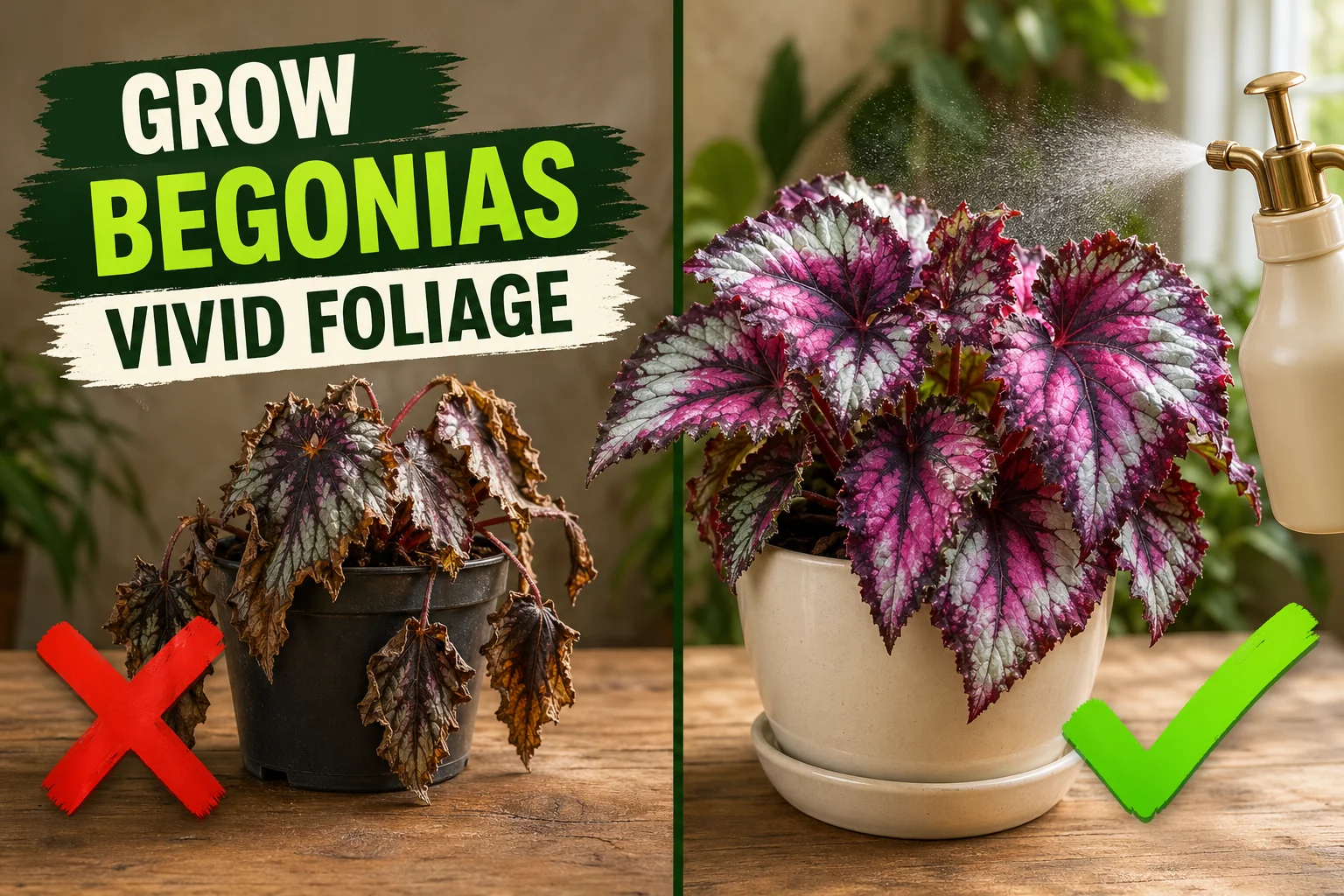
- Rex begonia: bright indirect only. A sheer curtain in a south or east window is perfect. Direct sun bleaches the silver markings within days.
- Tuberous begonia: dappled morning sun, then shade by midday. They flower poorly in deep shade and burn in afternoon sun.
If your only spot is a north window, stick with rex or rhizomatous begonias and consider a small grow light in winter.
Watering — let the top dry, never wet the leaves
All begonias share two watering rules:
- Let the top 2–3 cm (1 in) of soil dry between waterings. Stick a finger in. Bone-dry deeper down? Water. Damp? Wait.
- Water at the base of the plant, not over the leaves. Begonia leaves hold water in their hairy or waxy surface and quickly develop powdery mildew or grey rot if they stay wet.
Rough indoor frequency:
- Wax begonia: every 5–7 days in summer, every 10–14 days in winter
- Rex begonia: every 7–10 days year-round, never let it dry out fully
- Tuberous begonia: every 5–7 days while in growth, then taper off in autumn until the tuber goes dormant
In summer outdoors, expect to water containers daily during heatwaves. Use a long-spout watering can to slip under the leaves.
Humidity — non-negotiable for rex begonias
Begonias evolved in tropical understorey climates. The drier your home air gets, the more the leaves curl, brown at the tips, and drop.
- Aim for 50–60% relative humidity.
- Group plants together — they raise humidity around each other.
- Stand the pot on a pebble tray with water below the pebbles (not touching the pot).
- Run a small cool-mist humidifier nearby in winter, when indoor air can drop below 30%.
- Skip the daily misting. Wet leaves invite mildew. A humidifier is safer.
Wax begonias are the most forgiving and tolerate average household humidity. Rex begonias will visibly suffer below 45%.
Soil and pot
Begonias have shallow, fibrous roots that hate compacted or soggy soil.
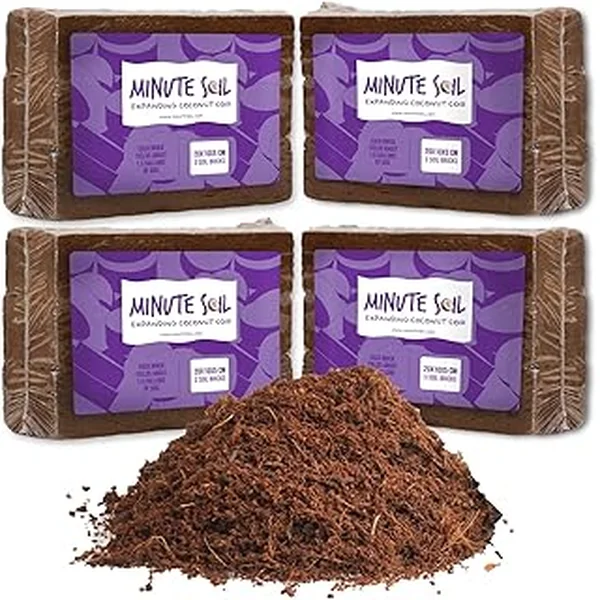
- Mix: a peat-free indoor potting mix or coir-based houseplant mix, lightened with a handful of perlite. Aim for a fluffy texture you can poke a finger into easily.
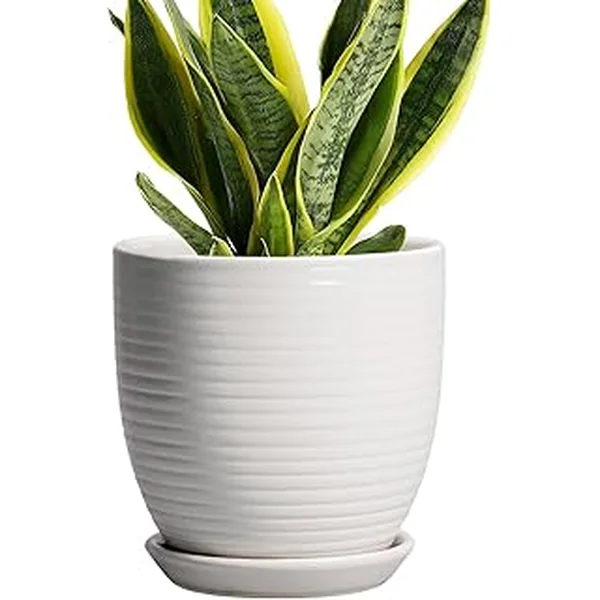
- Pot: wide and shallow — begonias are happier in a 15 cm (6 in) wide, 12 cm (5 in) deep pot than a tall narrow one. Always use a pot with drainage holes.
- Drainage: ceramic with one drainage hole is fine. Plastic nursery pots inside a decorative cachepot work too — just empty the cachepot after watering.
Repot every 1–2 years in spring, only stepping up one pot size. A pot that’s too big stays wet too long and rots the roots.
Temperature and seasonal care
Begonias like the same temperatures you do: 18–24°C (65–75°F) in the day, no colder than 13°C (55°F) at night.
- Wax and tuberous begonias outdoors in summer: bring them in (or lift the tuber) before nights drop below 10°C (50°F).
- Tuberous begonias need a true dormancy. When leaves yellow in autumn, stop watering. Once the foliage dies back, dig up the tuber, brush off the soil, and store it in dry peat or vermiculite at 7–10°C (45–50°F) until spring.
- Rex and rhizomatous begonias stay indoors year-round. Cut watering and stop fertilizing from late autumn through February.
Feeding
A begonia in active growth (spring through early autumn) likes a steady, weak diet.
- Use a balanced houseplant fertilizer — something like a 10-10-10 or 20-20-20 — diluted to half strength, every 2 weeks.
- Stop fertilizing from October through February for indoor begonias, and during dormancy for tuberous types.
- Yellowing lower leaves with green veins usually mean the plant is hungry; if you’ve been skipping fertilizer for months, that’s the cause.
Pruning and pinching
- Wax begonia: pinch the growing tips every few weeks to keep the plant bushy and full of flowers.
For another richly flowering shade-loving plant that uses similar pinching and deadheading techniques to stay in bloom all summer, the fuchsia plant care guide covers a great companion for a shaded patio container or hanging basket. Snip off spent blooms.
- Rex begonia: remove damaged or browning leaves at the base with clean scissors. Cut any flower stalks off — flowering drains energy from the foliage.
- Tuberous begonia: remove faded blooms to keep new ones coming. In autumn, cut the stems to about 8 cm (3 in) once the foliage yellows.
Always use clean shears. Begonia stems are juicy and bruise easily — a clean cut heals faster.
Propagation
Begonias are one of the easiest plants to multiply.
- Stem cuttings (wax, rhizomatous): snip a 8–10 cm (3–4 in) stem below a node, strip the lower leaves, and root in moist soil or water. Roots in 2–3 weeks.
- Leaf cuttings (rex): cut a healthy leaf into wedges, each containing a main vein, and lay them flat on damp seed-starting mix. Cover with a clear plastic dome for humidity. New plantlets sprout from the veins in 4–8 weeks.
- Tuber division (tuberous): in spring, cut the dormant tuber into pieces, each with at least one growth bud, and dust the cuts with cinnamon or sulphur to prevent rot.
Common mistakes that kill begonias
- Wetting the leaves. Almost every brown spot, mildew patch, or leaf collapse traces back to water sitting on a leaf overnight.
- Direct afternoon sun on a rex. The silver markings bleach in days and don’t grow back.
- Pots without drainage. Begonia roots rot within a week in standing water.
- Heavy garden soil. It compacts in pots and chokes the shallow roots. Use a fluffy houseplant mix with perlite.
- Cold drafts. Below 10°C (50°F) and the leaves drop. Move pots away from winter windows and exterior doors.
- Overpotting. A new pot more than 2–3 cm (1 in) wider than the old one stays wet too long.
Troubleshooting
| Symptom | Likely cause | Fix |
|---|---|---|
| Brown crispy leaf edges | Humidity too low or soil dried out | Raise humidity to 50–60%, water more consistently, move away from heater vents |
| White powdery patches on leaves | Powdery mildew from wet leaves and poor airflow | Remove affected leaves, water at the base only, improve airflow with a small fan |
| Yellow lower leaves | Overwatering or nutrient deficiency | Let soil dry deeper between waterings; if soil dries fast, feed at half strength |
| Rex leaves losing colour | Too much direct sun | Move to bright indirect light behind a sheer curtain |
| Leggy stretched stems | Not enough light | Move to a brighter spot or supplement with a grow light 30 cm (12 in) above the plant |
| Sudden leaf drop | Cold draft or shock | Check for window drafts and AC vents; keep above 13°C (55°F) at night |
| Mushy stems at the base | Stem rot from overwatering | Cut healthy stem tips for cuttings; toss the rotted plant — it usually can’t be saved |
| No flowers on a wax or tuberous | Not enough light or no fertilizer | Move to brighter light; feed every 2 weeks at half strength during growth |
Begonia varieties at a glance
| Variety | Type | Best for | Notable feature |
|---|---|---|---|
| Begonia semperflorens “Cocktail” | Wax | Outdoor bedding, sunny windowsills | Bronze foliage, non-stop blooms |
| Begonia rex “Escargot” | Rex / rhizomatous | Statement houseplant | Spiral silver-and-green leaves |
| Begonia rex “Fireworks” | Rex | Statement houseplant | Silver leaves with deep purple veins |
| Begonia × tuberhybrida “Nonstop” | Tuberous | Shaded patio, hanging baskets | Large rose-like double flowers |
| Begonia maculata | Rhizomatous | Easy houseplant | Silver-spotted angel-wing leaves, white flowers |
| Begonia “Black Mamba” | Rex | Dramatic foliage display | Near-black leaves, low-light tolerant |
Watch: begonia care walkthrough
A short visual walkthrough pairs well with the steps above. If you’re a visual learner, watch a quick tutorial like Begonia Care for Beginners on YouTube and then come back to follow the timing in this guide.
A free schedule for the begonia you actually own
Wax, rex, and tuberous begonias all want different watering frequencies, light hours, and seasonal pacing — and that’s before you account for your local weather. The free Tazart app sets a personalised schedule per plant, adjusts it for your home’s light and humidity, and pings your phone or Apple Watch when it’s time. Useful if you grow more than one type.
Related reading
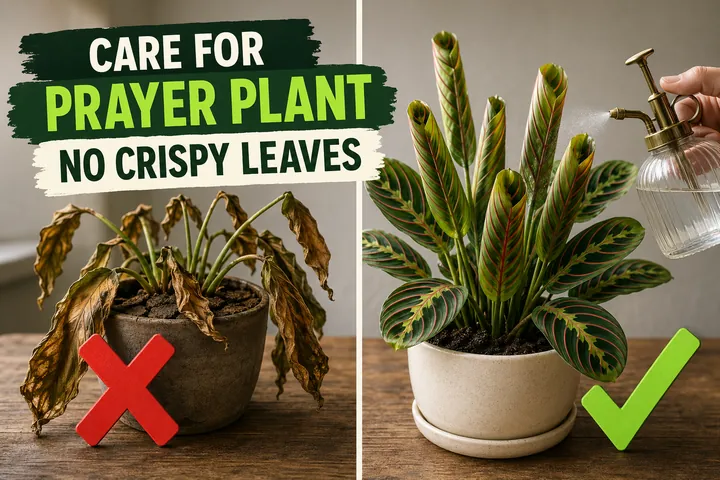
- How to take care of a prayer plant — another humidity-loving foliage plant with very similar light needs.
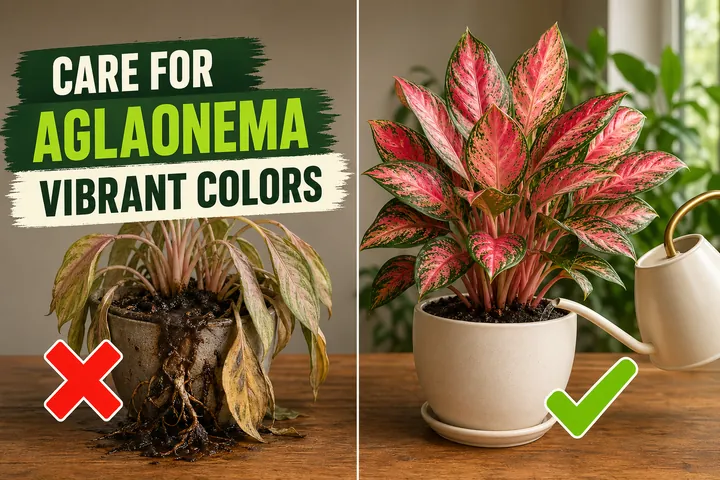
- Aglaonema (Chinese evergreen) plant care — easier than rex begonia for the same indoor low-light spot.
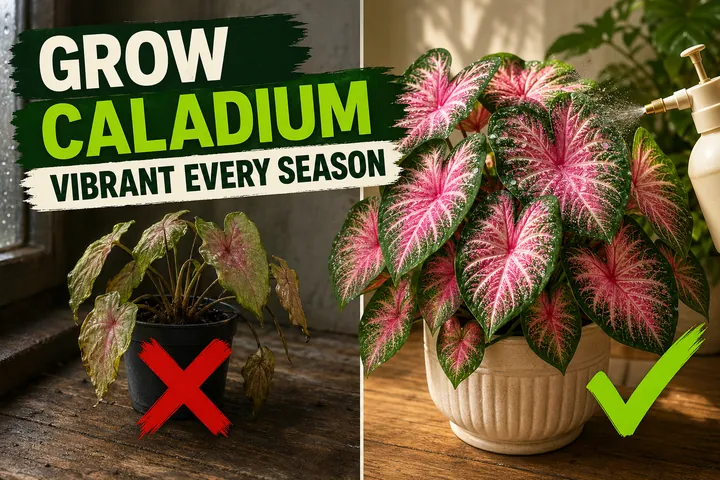
- Caladium plant care — bold-leaved tuberous cousin with overlapping winter dormancy rules.
A note on conditions
Every home is different. Light, pot size, soil mix, season, humidity, and your local weather all change how often a begonia needs water and how it grows. Treat the numbers above as a starting point and adjust based on what your plant actually does in week two — that’s how every good begonia grower learns.
Highly recommended
The supplies that make this guide work


Tazart is an Amazon Associate — we earn from qualifying purchases at no extra cost to you. Thank you for helping us keep these guides free.
Frequently asked questions
How do you take care of a begonia plant?
Give a begonia bright indirect light, water only when the top 2–3 cm (1 in) of soil is dry, keep humidity above 50%, and use a fluffy peat-free or coir-based potting mix with good drainage. Wax begonias tolerate more sun and dry air, rex begonias need humidity, and tuberous begonias need a winter rest. Avoid wet leaves — begonias mildew easily.
Do begonias need full sun or shade?
Most begonias do best in bright indirect light or morning sun with afternoon shade. Wax begonias (Begonia semperflorens) tolerate up to 6 hours of direct sun outdoors. Rex and tuberous begonias scorch in direct sun — keep them in dappled shade or behind a sheer curtain indoors.
How often should I water a begonia?
Water when the top 2–3 cm (1 in) of soil feels dry — usually every 5–10 days indoors, more often in summer. Water at the base of the plant, not over the leaves. Begonias rot quickly if the soil stays soggy and develop powdery mildew if water sits on the leaves.
Why are my begonia leaves turning brown on the edges?
Crispy brown edges almost always mean the air is too dry, the soil dried out for too long, or the plant is sitting next to a heater or AC vent. Raise humidity to 50–60%, water more consistently, and move the plant away from drafts. Trim the dead edges with clean scissors so the rest of the leaf stays healthy.
Are begonias indoor or outdoor plants?
Both — it depends on the type. Wax and tuberous begonias are popular bedding plants outdoors in summer (USDA zones 9–11 year-round). Rex and rhizomatous begonias are usually grown as houseplants because they need stable warmth and humidity. All begonias need to come inside before nights drop below 10°C (50°F).
How do you keep a rex begonia alive in winter?
Keep it in bright indirect light, away from cold windows and heater vents. Water less often — only when the top of the soil dries — and skip fertilizer until spring. Boost humidity with a pebble tray or small humidifier. Rex begonias hate dry winter air more than any other care factor.