Houseplants
Baby Rubber Plant Care (Peperomia obtusifolia): Complete Guide
Baby rubber plant care guide for Peperomia obtusifolia — watering, light, soil, humidity, feeding, propagation, and the 6 mistakes that kill it.
On this page
Watch the visual walkthrough
Peperomia Obtusifolia care and propagation in soil, water, and leca (with updates)
The peperomia obtusifolia is possible the most common and affordable peperomia worldwide, precisely because it looks like a ...
The baby rubber plant is not a rubber tree. That matters, because the two plants need completely different care — and if you treat your Peperomia obtusifolia like a Ficus elastica, you will almost certainly overwater it to death.
Peperomia obtusifolia belongs to the Piperaceae family (the pepper family). It is a semi-succulent epiphyte native to tropical rainforest floors in Central and South America — a slow-growing, compact, near-indestructible houseplant when you understand its one real quirk: it hates wet feet.
Get the watering right, give it bright indirect light, and a baby rubber plant can thrive for years with almost zero fuss.
Quick answer
Bright indirect light, water only when the top 5 cm (2 in) of soil are dry (every 10–14 days), a peat/perlite well-draining mix, 18–24 °C (64–75°F) / 65–75 °F, average household humidity (40–50%), and monthly liquid feed in the growing season. Repot only every 2–3 years when visibly rootbound.
Table of contents
- Light
- Watering — the #1 killer
- Soil and pot
- Humidity and temperature
- Feeding
- Pruning for fullness
- Propagation
- Common mistakes
- Troubleshooting
- Watch: baby rubber plant care
- Related reading
- A note on conditions
Light
Peperomia obtusifolia does best in bright indirect light — around 2 to 4 hours of filtered sun per day.
Good placements:
- 1–2 metres back from a south- or west-facing window
- Directly in front of an east- or north-facing window
- Under a grow light set to 12 hours on / 12 hours off
Direct midday sun bleaches the thick waxy leaves pale or causes white scorch patches. Low light causes the plant to etiolate — stems grow long and floppy as the plant reaches for more light, and the dark-green colour fades to a washed-out olive.
If your plant is leaning hard toward the window, rotate the pot a quarter turn every week to keep it growing upright and even.
Watering — the #1 killer
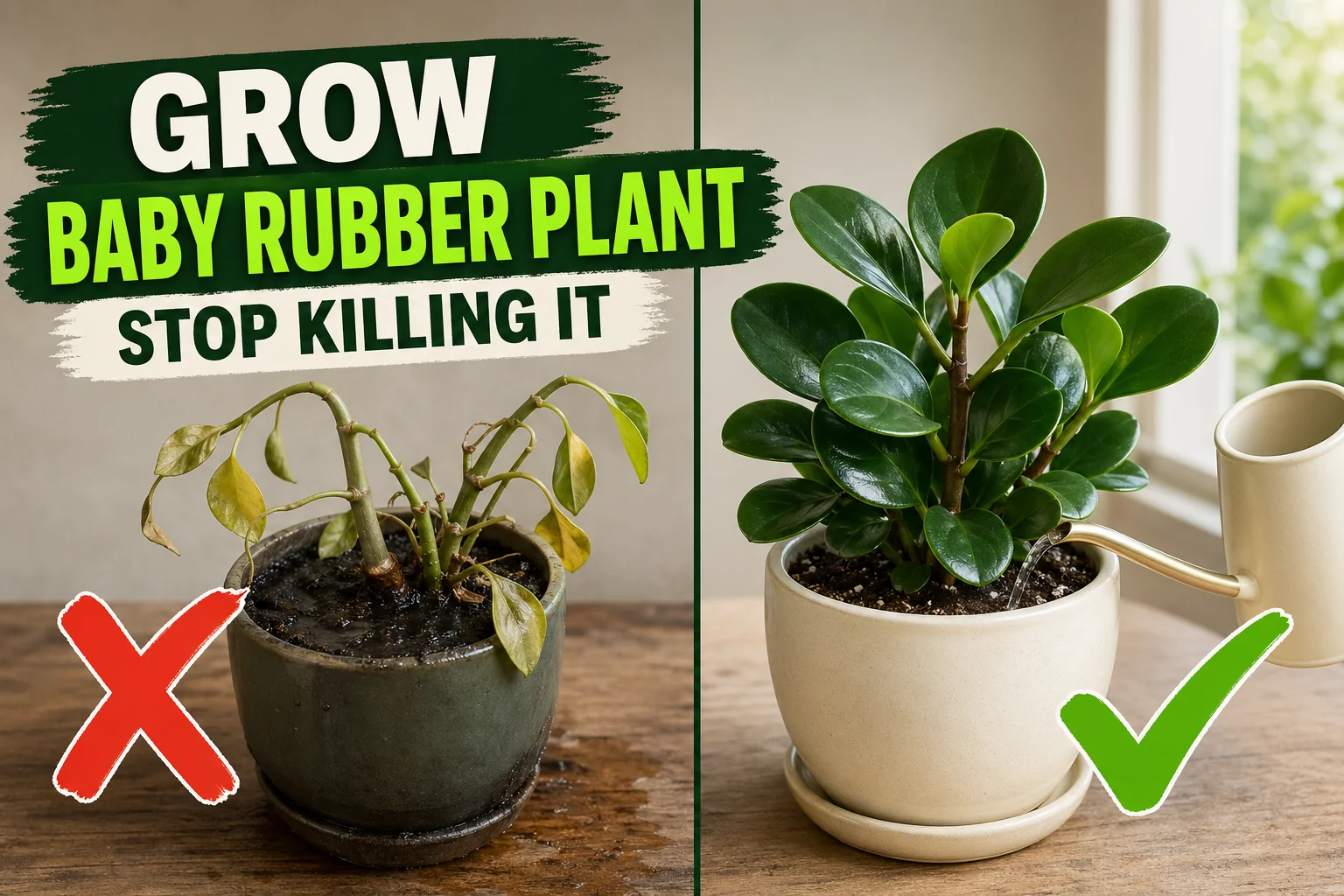
Overwatering kills more baby rubber plants than anything else. Because the thick leaves store moisture, this plant genuinely does not need much water.
Rule: water only when the top 5 cm (2 inches) of soil are completely dry.
In practice, that means:
- Spring and summer: roughly every 10 to 14 days
- Autumn and winter: every 2 to 3 weeks, or longer
When you do water, water thoroughly — pour slowly around the base until water flows freely from the drainage holes, then empty the saucer. Never let the pot sit in standing water.
Signs of overwatering: yellow mushy leaves, a soft or blackened stem base, soil that stays wet for more than 2 weeks.
Signs of underwatering: wrinkled or slightly shrivelled leaves (the leaf’s water reserves have been depleted). This is the far less common problem, and the plant bounces back quickly after a good watering.
A free watering tracker like Tazart can remind you on the right schedule for your season and adjust when the weather changes — useful if you have more than a few pots to track.
Soil and pot
Peperomia obtusifolia needs a well-draining mix that holds some moisture but dries out between waterings. It must never stay soggy.
Recommended mix:
- 50% peat or coco coir
- 50% perlite
You can also use a standard houseplant potting mix cut with 30–40% perlite. Avoid heavy garden soil or mixes that clump and hold water.
Pot choice:
- Terracotta is ideal — the porous walls allow the soil to dry faster, which reduces root rot risk.
- Plastic or glazed ceramic pots work, but dry more slowly — water even less frequently.
- Always use a pot with drainage holes. No exceptions.
Keep the pot slightly snug. Peperomia obtusifolia is a slow grower and prefers being a little rootbound over being in a pot with too much soil that stays wet.
Humidity and temperature
Temperature: 18–24 °C (64–75°F) / 65–75 °F.
For another compact houseplant that thrives in the same humidity range and brings delicate, ferny foliage instead of glossy rounded leaves, the China doll plant care guide covers a beautiful tabletop tree that suits similar bright-indirect-light spots. This plant is native to tropical forests, so it dislikes cold. Keep it away from draughty windows, air-conditioning vents, and anywhere the temperature drops below 12 °C (54°F) at night.
Humidity: Average household humidity of 40–50% is perfectly fine. Unlike many tropical houseplants, Peperomia obtusifolia does not require a pebble tray, humidifier, or regular misting. Its thick succulent-like leaves are built for fluctuating humidity.
That said, very dry heated air in winter (below 30%) can cause leaf tip browning. If that happens, move the plant away from radiators or place a small humidifier nearby.
Feeding
Feed once a month during the growing season (spring and summer) with a balanced liquid houseplant fertilizer diluted to half strength.
Do not feed in autumn and winter — the plant is growing slowly or not at all, and fertilizing during this period leads to salt build-up in the soil, which burns the roots.
A slow-release granular fertilizer applied in spring works well as an alternative to liquid feeding. One application lasts the whole season.
Signs of over-fertilizing: brown crispy leaf edges, white salt crust on the soil surface. If you see these, flush the soil with plain water several times and skip fertilizing for 6–8 weeks.
Pruning for fullness
Baby rubber plants can become leggy if they receive too little light or if they are simply growing toward a light source. Pruning redirects the plant’s energy into side-shoots, producing a denser, more compact appearance.
How to do it:
- Identify leggy stems with long internodal gaps.
- Using clean scissors or pruning snips, cut just above a leaf node (the point where a leaf meets the stem).
- New shoots will emerge from that node and the nearest nodes below it.
The best time to prune is spring or early summer. The plant will push out new growth fastest during this window.
Save the stem cuttings — they root easily (see propagation below).
Propagation
Peperomia obtusifolia is one of the easiest houseplants to propagate. You have two reliable methods.
Stem cuttings
- Cut a healthy stem 8–10 cm (3–4 in) long with 2–3 leaves on it.
- Remove the lower leaves to expose 2–3 cm (0.75–1 in) of bare stem.
- Let the cut end dry and callous for 1 hour.
- Insert the bare stem into slightly moist perlite or a peat/perlite mix.
- Place in bright indirect light at 20–24 °C (68–75°F).
- Keep the medium barely moist — mist the surface every 2–3 days.
- Roots form in 3 to 5 weeks. Pot up into the standard mix when roots are 2–3 cm (0.75–1 in) long.
Leaf cuttings
This is the method unique to Piperaceae family members and is an excellent way to multiply your plant from a single leaf.
- Snap off a healthy, mature leaf with its petiole (the short stem that joins the leaf to the main stem) intact.
- Let the cut end callous for 1 hour.
- Push the petiole into moist perlite at a shallow angle — just deep enough to hold the leaf upright.
- Cover loosely with a clear plastic bag to retain humidity, or place in a propagation tray.
- Keep at 20–24 °C (68–75°F) in bright indirect light.
- Roots form in 3 to 6 weeks. Tiny new plantlets emerge at the base of the petiole.
- Pot up once the plantlet has 2–3 of its own leaves.
Leaf cutting propagation is slower than stem cuttings but lets you produce many new plants from a well-established parent.
Common mistakes
-
Watering on a fixed weekly schedule. Peperomia obtusifolia is a semi-succulent. Always check the top 5 cm (2 in) of soil before watering — if it is still damp, leave it.
-
Using heavy potting mix with no drainage amendment. Standard potting soil alone holds too much water for this plant. Always cut it with at least 30% perlite.
-
Pot too large. A big pot holds excess soil that stays wet long after the roots have used their share of moisture. Choose a pot only 2–3 cm (0.75–1 in) wider than the root ball.
-
Confusing it with Ficus elastica and giving it high humidity, frequent watering, or heavy fertilizing. They share a common name but nothing else in their care needs.
-
Placing in low light and then overcompensating with more water. Less light means the plant photosynthesises less, uses water more slowly, and needs even less frequent watering — not more.
-
Repotting too often. This plant is slow-growing and deliberately thrives slightly rootbound. Repotting into fresh soil every year disturbs the roots unnecessarily. Wait 2–3 years, or until roots are visibly circling the bottom of the pot or pushing out of the drainage holes.
Troubleshooting
| Symptom | Likely cause | Fix |
|---|---|---|
| Yellow, mushy leaves | Overwatering / root rot | Let soil dry fully; unpot and trim dark roots; repot in fresh well-draining mix |
| Leggy stems with wide gaps between leaves | Insufficient light | Move to brighter indirect light; prune leggy stems to promote bushiness |
| Leaves paling from dark green to olive | Too much direct sun OR too little light | Assess direction — move back from direct sun OR closer to a bright window |
| Brown crispy leaf tips | Air too dry (below 30% humidity) or fertilizer salt build-up | Move away from radiators; flush soil with plain water to clear salts |
| Wrinkled or shrivelled leaves | Underwatering (leaf water reserves depleted) | Water thoroughly; plant will recover within 24–48 hours |
| Root-bound: roots circling the base or exiting drainage holes | Plant has outgrown its pot — but only repot if visibly very rootbound | Move up one pot size (2–3 cm (0.75–1 in) wider); use fresh well-draining mix |
Watch: baby rubber plant care
A visual walkthrough helps when it comes to checking soil moisture, identifying root rot, and taking stem or leaf cuttings. Search YouTube for “Peperomia obtusifolia care” from a credible plant channel — look for videos that demonstrate the wet-feet problem and propagation steps side by side. Watch it alongside this guide for the clearest picture.
Related reading
- How to propagate a rubber plant — if you own a Ficus elastica (the true rubber tree), this guide covers its propagation needs, which differ from Peperomia entirely.
- Pothos plant care — another easy-going tropical houseplant; understanding why pothos tolerates more water than Peperomia helps you calibrate your expectations for each plant.
- How to take care of a spider plant — spider plants share the “bright indirect light, not too wet” approach, making them good companions in the same room.
- Download Tazart to track your baby rubber plant’s watering schedule, get reminders adjusted for your season, and ask Dr. Afrao. — the in-app plant care AI — any question about Peperomia obtusifolia problems.
A note on conditions
Every home is different. The specific watering interval that works for your baby rubber plant depends on your pot size, soil mix, season, room temperature, light intensity, and local humidity. The numbers in this guide (top 5 cm (2 in) dry before watering, 10–14 day intervals in summer, 18–24 °C (64–75°F)) are reliable starting points. Use your plant’s actual leaf and stem behaviour in the first few weeks to fine-tune from there — that is how good plant care is always learned.
Highly recommended
The supplies that make this guide work
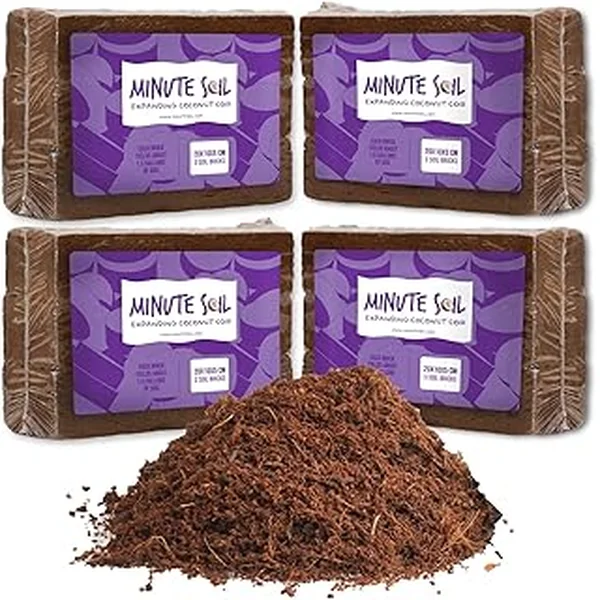
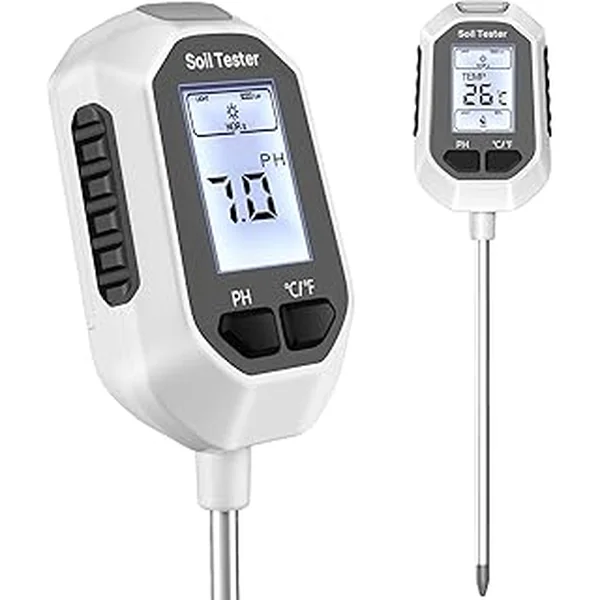
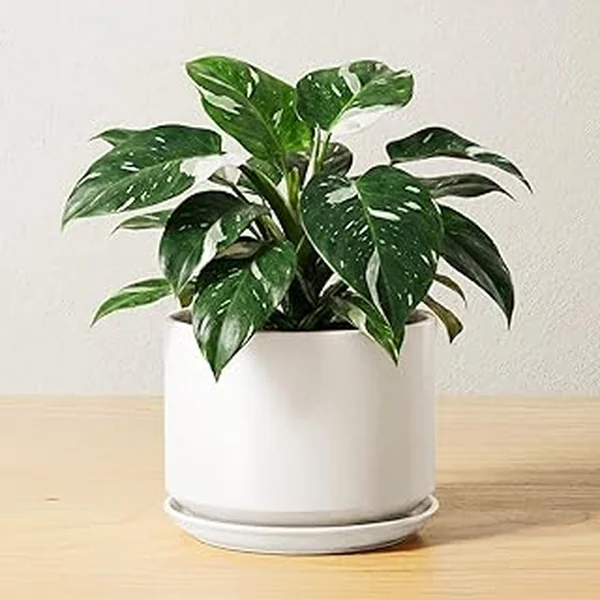
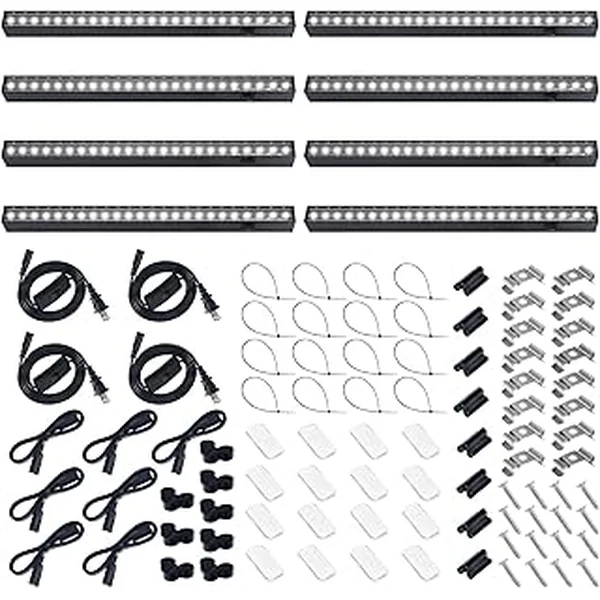
Tazart is an Amazon Associate — we earn from qualifying purchases at no extra cost to you. Thank you for helping us keep these guides free.
Frequently asked questions
How often should I water a baby rubber plant?
Water when the top 5 cm (2 inches) of soil are completely dry — usually every 10 to 14 days indoors. Peperomia obtusifolia is a semi-succulent that stores water in its thick leaves, so it handles drought far better than overwatering. In winter, stretch that interval to every 3 weeks.
Why are my baby rubber plant leaves turning yellow?
Yellow leaves on Peperomia obtusifolia almost always signal overwatering or waterlogged soil. Check the top 5 cm (2 in) of soil — if it is still damp, hold off watering entirely until it dries. If the base of the stem feels mushy, unpot the plant, trim any dark rotted roots, let them air-dry for an hour, and repot into fresh well-draining mix.
Does baby rubber plant need direct sunlight?
No. Peperomia obtusifolia thrives in bright indirect light — 2 to 4 hours of filtered sun per day is ideal. Direct midday sun bleaches the leaves. A spot 1 to 2 metres from an east- or north-facing window, or back from a bright south- or west-facing window, is perfect.
How do I make my baby rubber plant bushier?
Pinch or cut the growing tips of leggy stems back to just above a leaf node. This redirects the plant's energy into side-shoots and produces a fuller, more compact shape. Do it in spring or early summer for fastest recovery.
Can I propagate a baby rubber plant from a leaf?
Yes. Snap off a healthy leaf with its short stem (petiole), let the cut end callous for an hour, then push the petiole into slightly moist perlite or a peat/perlite mix. Keep it in bright indirect light at 20–24 °C (68–75°F) and mist the soil surface every few days. Roots form in 3 to 6 weeks.
Is Peperomia obtusifolia a succulent?
It is classified as a semi-succulent. It belongs to the Piperaceae family, not the Cactaceae or Crassulaceae families, but its thick fleshy leaves store water the same way true succulents do. This is why it is much more drought-tolerant than a typical tropical houseplant.