Houseplants
Arrowhead Plant Care (Syngonium podophyllum Made Simple)
How to care for an arrowhead plant at home — the right light, watering rhythm, soil mix, and pinching trick that turn a leggy Syngonium into a bushy variegated vine.
On this page
Watch the visual walkthrough
Arrowhead Plant Care Tips & Tricks! | Syngonium Vine Houseplant Care
This video will teach you tricks & tips for keeping your Arrowhead Vine houseplant healthy & happy as an indoor plant! The care ...
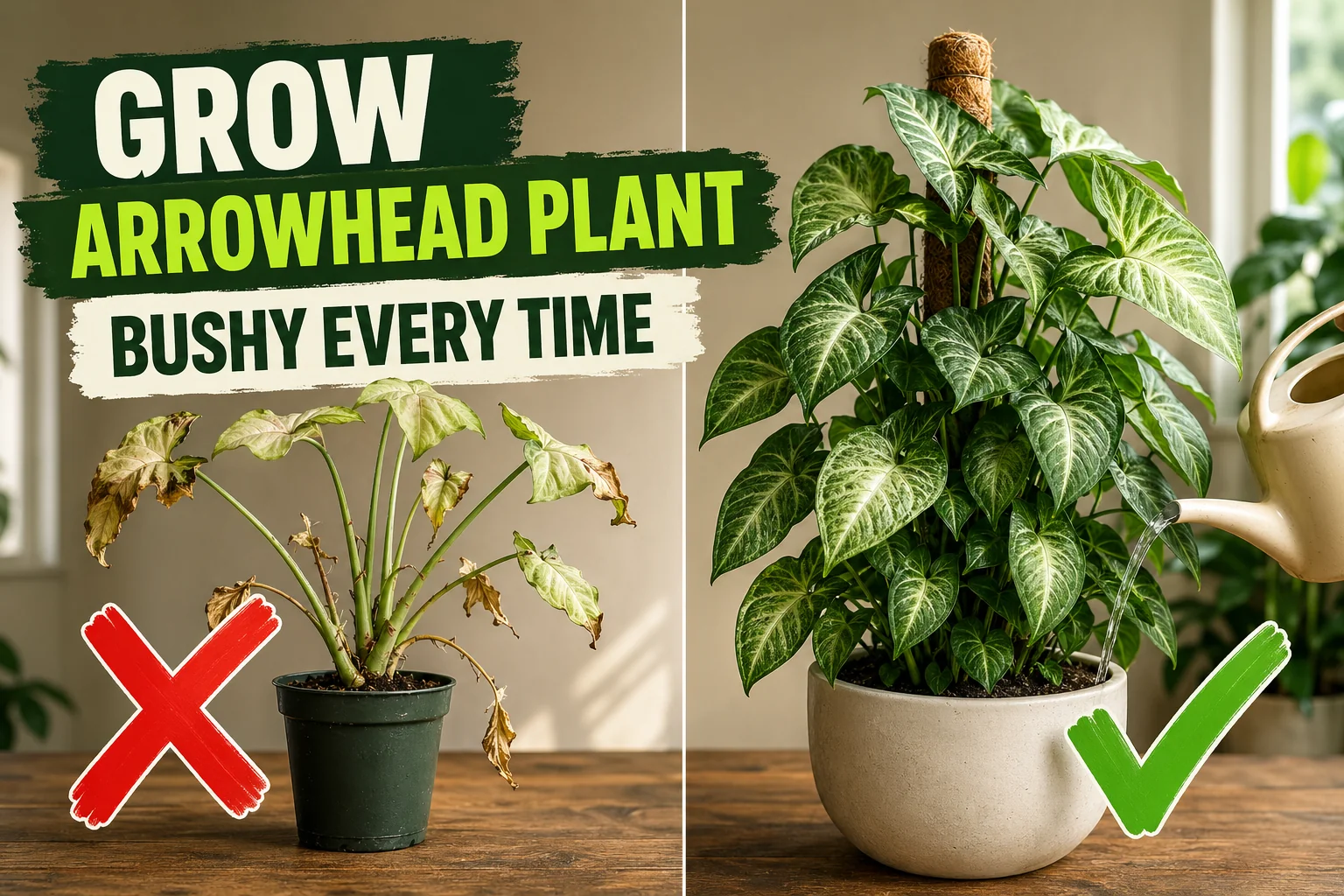
The arrowhead plant — Syngonium podophyllum, also called arrowhead vine, goosefoot, or American evergreen — is one of the most beginner-friendly aroids you can buy. Get three things right (light, water, and the occasional pinch) and a single small plant turns into a full bushy mound or a long climbing vine, depending on how you train it.
This guide covers exactly how to care for an arrowhead plant at home: how much light it actually wants, the watering test that beats every schedule, the soil and pot it prefers, and the pinching trick that keeps it bushy instead of bare and leggy. The same basic care works for every popular variety — White Butterfly, Pink Allusion, Neon Robusta, Berry Allusion, and Strawberry Cream all want the same conditions.
Quick answer
Bright indirect light, water when the top 3 cm (1 in) of soil is dry (usually every 5–14 days), a light peat-free potting mix in any pot with a drainage hole, 18–27°C (65–80°F), and pinch leggy stems back to a leaf node a few times a year. Skip a feeding for a month and an arrowhead won’t even notice.
Light
Arrowheads do their best work in medium to bright indirect light — a spot a few feet back from a sunny window. In that range you get fast new growth, large variegated leaves, and the classic arrow-shaped leaf form.
Syngonium tolerates low light better than most variegated plants, which is why you see it in offices and bathrooms. The trade-off: in low light the variegation fades to plain green, growth slows, and the stems stretch out leggy.
Avoid hot midday sun directly on the leaves — arrowhead leaves scorch and bleach if pressed against a south-facing window in summer. A soft east-facing window or a few feet inside a south- or west-facing room is the sweet spot.
Quick check: if you can comfortably read a book in the spot without turning on a lamp during the day, your arrowhead will be happy there.
Water
Forget watering on a schedule. Arrowheads want the top 3 cm (1 in) of soil to dry out between waterings, then a deep soak that drains right through.
The test is simple. Push a finger 3 cm (1 in) into the soil:
- Dry to your knuckle: water deeply until you see drips coming out the bottom of the pot
- Still damp: wait two more days and check again
In a bright warm room this usually works out to every 5–7 days in summer and every 10–14 days in winter. The exact number doesn’t matter — the test does.
Two things kill more arrowheads than anything else:
- Watering on a schedule when the soil is still wet — the roots suffocate, rot, and the leaves yellow from the bottom up.
- Letting the plant bone-dry for weeks — the leaves go crispy on the edges and the lower leaves drop one by one.
If the leaves curl downward and the soil pulls away from the pot edge, the plant is too dry. If the stems feel mushy at the base, you’re overwatering.
Soil and pot
Use a regular light, peat-free indoor potting mix. If you want to be fancy, mix in a handful of perlite or orchid bark for extra drainage — arrowheads come from tropical aroid territory where the soil drains fast and stays airy.
Pot rules:
- Always pick a pot with a drainage hole. No drainage = root rot in days.
- Size up by one pot size (about 2 cm / 1 in wider) when roots circle the bottom — usually every 1–2 years.
- A 15 cm (6 in) pot is the sweet spot for the first year of most nursery plants.
Skip the rocks-at-the-bottom trick. It doesn’t help drainage — it just creates a soggy zone above the rocks where roots rot.
Temperature and humidity
Room temperature is fine. Arrowheads are happiest between 18–27°C (65–80°F) and start sulking below 13°C (55°F). Keep them away from drafty windows in winter and AC vents in summer.
Humidity matters more than most people think. Average indoor air sits around 30–40% humidity, which is fine, but arrowheads look their best at 50–60%. Signs the air is too dry:
- Brown crispy leaf edges
- New leaves emerging small and slightly twisted
- The whole plant looking dull and dusty
Easiest fix: group the plant near other houseplants, or run a small humidifier within 1 m (3 ft) of it. Misting the leaves directly is mostly cosmetic — it raises humidity for about ten minutes, then it’s gone.
How to make an arrowhead bushy (the pinching trick)
This is the single most useful thing in this guide. Arrowheads naturally want to vine — left alone, they get long and leggy with bare lower stems. To get the lush bushy look you see in shop displays, pinch the growing tip of every long stem back to a leaf node.
Steps:
- Find a stem that has gone long and bare at the base.
- Trace it back to a healthy leaf with a node (the small bump where the leaf meets the stem).
- With clean scissors or fingertips, snip just above that node, cutting off everything beyond it.
- Within 2–3 weeks, two new shoots will emerge from the node — doubling the fullness at that point.
- Repeat on every long stem. The plant will fill in from the inside out.
Every cutting you remove is also a free new plant. Drop the tip of the cutting in a glass of water with at least one node submerged, change the water once a week, and roots appear in about 10–14 days. Pot it up once roots are 3–5 cm (1–2 in) long.
Climber or trailer?
Arrowheads can grow two ways depending on what you give them:
- Trailing in a hanging basket — the stems cascade and stay relatively small.
- Climbing up a moss pole — the leaves grow larger and develop their mature lobed arrow shape (instead of the small simple juvenile leaf).
If you want the dramatic mature foliage, give it a moss pole at planting time and gently tie new growth to it. Mist the moss pole once a week to encourage the aerial roots to grip.
Care after planting
A free plant care app like Tazart can hold the watering schedule for you, adjust it for your local weather and the season, and ping you on Apple Watch when it’s time. Useful if you have a few aroids on the go and don’t want to remember which one was watered when.
| Task | When |
|---|---|
| Water | When the top 3 cm (1 in) of soil is dry — every 5–14 days |
| Fertilize | Spring through early autumn — a balanced liquid feed every 4 weeks at half strength |
| Pinch leggy tips | Any time growth gets long and bare — 2–3 times a year |
| Repot | Every 1–2 years, one pot size up, in spring |
| Wipe leaves | Once a month with a damp cloth so they can photosynthesise |
Common mistakes to avoid
- Watering on a fixed weekly schedule. Soil dryness — not the calendar — is the trigger. A weekly routine kills more arrowheads than any pest.
- Pot with no drainage hole. Decorative cache pots with no hole = standing water = root rot. Always plant into a nursery pot with drainage and slip it inside the decorative one.
- Leaving leggy stems uncut. Without pinching, the plant gets bare at the base and lush only at the tips. Pinch early and often.
- Direct hot sun. South- or west-facing window glass in summer scorches the leaves in a single afternoon.
- Overfeeding. Aroids are light feeders. More fertilizer ≠ faster growth. Half-strength every 4 weeks in the growing season is plenty.
Troubleshooting
| Symptom | Likely cause | Fix |
|---|---|---|
| Yellow leaves at the base | Overwatering | Let the top 3 cm (1 in) of soil dry; reduce watering frequency by 2–3 days |
| Brown crispy leaf edges | Low humidity or chronic underwatering | Run a humidifier within 1 m (3 ft); water when the finger test says dry |
| Long bare stems with leaves only at tips | Leggy growth from low light | Move closer to a bright window; pinch every long stem back to a node |
| Faded variegation | Light too low | Move into bright indirect light — within 2 m (6 ft) of a window |
| Mushy stem at the base | Root rot from waterlogged soil | Unpot, cut off mushy roots, repot in fresh dry mix, hold off water for a week |
| Tiny black flies in the soil | Fungus gnats from staying too wet | Let the soil dry fully; top with 1 cm (0.5 in) of dry sand; use yellow sticky traps |
| White cottony tufts in leaf joints | Mealybugs | Dab each tuft with a cotton bud dipped in 70% rubbing alcohol; check weekly |
| New leaves small and twisted | Air too dry or pot too small | Raise humidity; check roots — repot if circling the bottom |
Watch: arrowhead plant care
A short visual walkthrough pairs well with the steps above. If you’re a visual learner, watch a quick tutorial on light placement, the finger watering test, and pinching technique on YouTube, then come back here to follow the timing in this guide.
Related reading
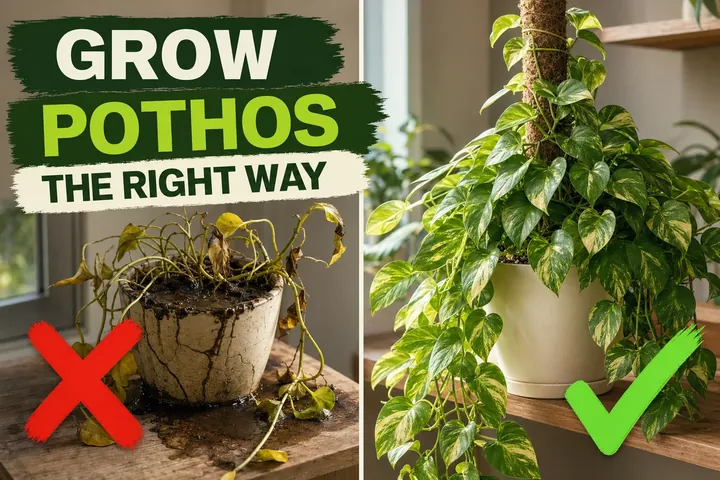
- Pothos plant care: the complete guide for lush vines — the same “let the soil dry between waterings” rule applies, and pothos and arrowhead share almost identical light needs.
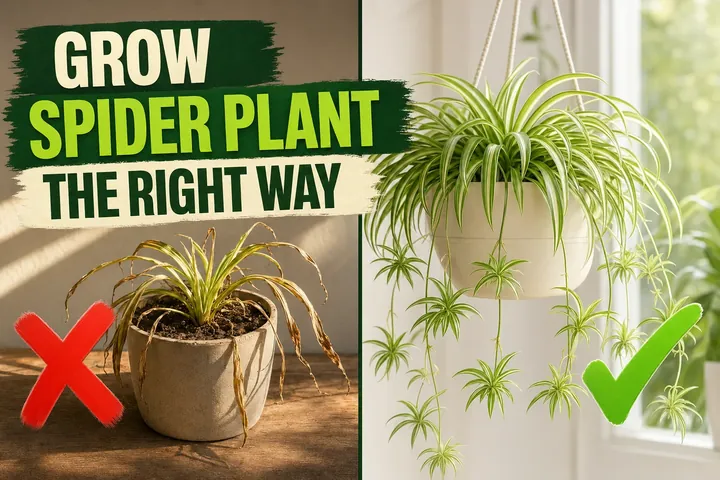
- How to take care of a spider plant — another forgiving beginner houseplant that pairs well with an arrowhead in a bright room.
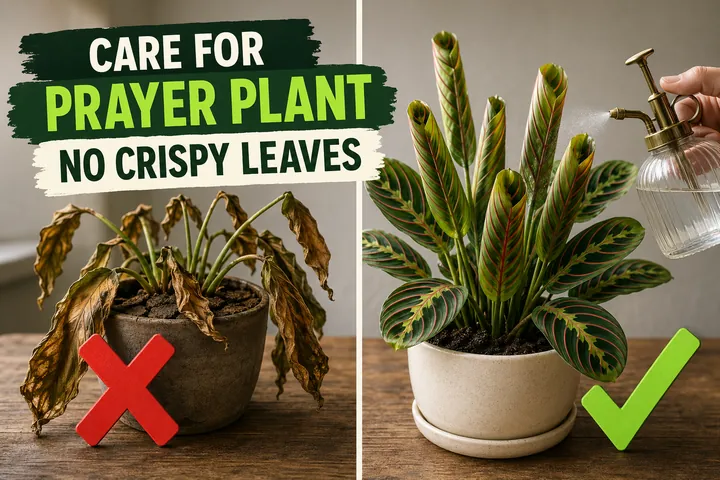
- How to take care of a prayer plant — if you love the variegated leaves on a Syngonium, the prayer plant is the next aroid-cousin to try.
- Scan the next plant you bring home with the free Tazart plant identifier and let it set up the watering schedule for you.
A note on conditions
Every home is different. Light, pot size, soil mix, season, humidity, and your local weather all change how fast an arrowhead grows and how often it needs water. Use the steps above as a starting point and adjust based on what your plant actually does in week two — that’s how every good plant grower learns.
Highly recommended
The supplies that make this guide work
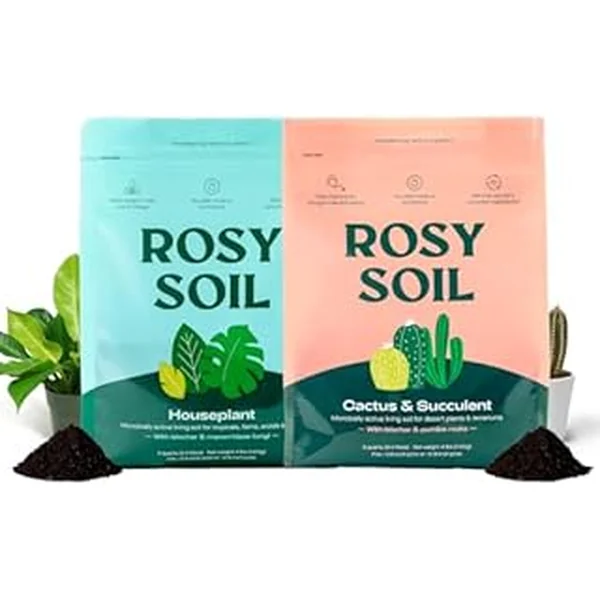
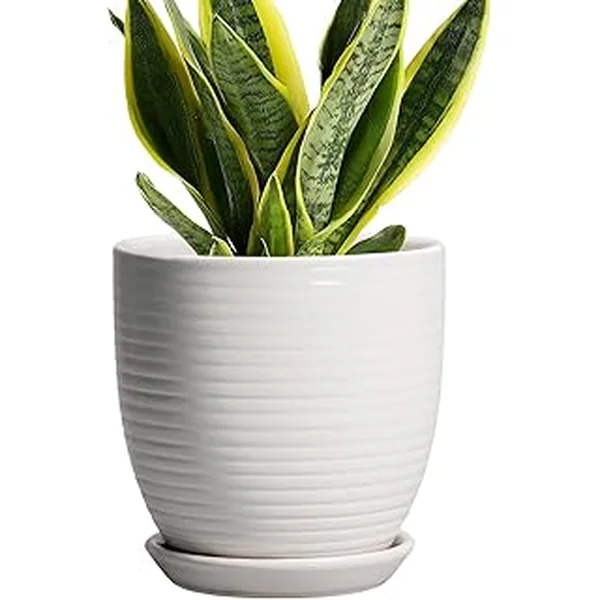
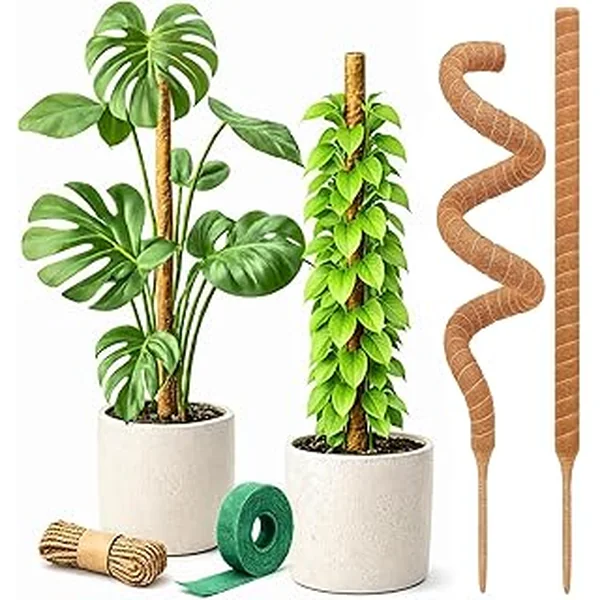

Tazart is an Amazon Associate — we earn from qualifying purchases at no extra cost to you. Thank you for helping us keep these guides free.
Frequently asked questions
How often should I water an arrowhead plant?
There's no fixed schedule. Push a finger 3 cm (1 in) into the soil — if it's dry, water deeply until you see drips from the drainage hole. In a bright warm room that usually works out to every 5–7 days. In a cooler or lower-light spot it can stretch to 10–14 days. The plant tells you, not the calendar.
Why are my arrowhead plant leaves turning yellow?
The most common cause is overwatering — soggy soil suffocates the roots and they die back, which shows up as yellow leaves a week or two later. Other causes include low humidity, a sudden cold draft below 13°C (55°F), or natural shedding of the oldest leaves at the base of long stems. If the soil is wet two days after watering, you're watering too often.
Does an arrowhead plant need direct sunlight?
No. Syngonium podophyllum thrives in bright indirect light. A few hours of soft morning sun is fine, but harsh afternoon sun will scorch and bleach the leaves. The plant survives in low light, but the variegation fades and growth nearly stops.
How do I make my arrowhead plant bushier?
Pinch or cut the tip of every long stem back to a leaf node — the small bump where a leaf meets the stem. Within 2–3 weeks, two new shoots will emerge from that node, doubling the fullness. Every cutting you take is also a free new plant — drop it in water and it roots in about 10–14 days.
Why is my arrowhead plant leggy with bare stems?
Leggy growth means not enough light. The plant is stretching toward the brightest spot in the room and skipping leaves along the way. Move it closer to a bright window, prune the long bare stems back hard, and give it a moss pole — new leaves will fill in from the cuts.
Is the arrowhead plant toxic to pets?
Yes. Like other aroids, Syngonium podophyllum contains insoluble calcium oxalate crystals that irritate the mouth and digestive tract if chewed by cats, dogs, or children. Keep it on a high shelf or in a hanging pot away from curious pets. Symptoms are usually mild but check with a vet if a pet has chewed a leaf.