Houseplants
10 Best Air Purifying Plants for Your Bedroom (Honest Guide)
The top 10 air purifying plants for bedroom use — snake plant, peace lily, pothos, and more. What the NASA study really says, and what actually works.
On this page
- Quick answer
- What the NASA Clean Air Study actually says (and what it doesn’t)
- What is CAM photosynthesis and why does it matter for bedrooms?
- The 10 best air purifying plants for a bedroom
- At a glance: bedroom air plant comparison
- What to look for when choosing a bedroom plant
- How to get the most from bedroom plants
- Watch: bedroom plants and air quality
- Internal links
- Conclusion
- Use the Tazart app to track watering schedules for all of them — so the one that kills bedroom plants fastest (overwatering) never catches you off guard.
Watch the visual walkthrough
Clean Air? TOP Oxygen Purifying Houseplants REVEALED!
Learn our favorite oxygen purifying, easy-to-grow, and healthiest houseplants for your bedroom + CARE TIPS & HOW TO GROW.
If you’ve searched “air purifying plants for bedroom,” you’ve probably seen the same 10 plants repeated across every article, always with confident claims about “cleaning your air.”
This guide covers those 10 plants — but it also tells you what the original NASA study actually found, why real-world purification is far more modest, and how to get the most genuine benefit from plants in a sleeping space.
Quick answer
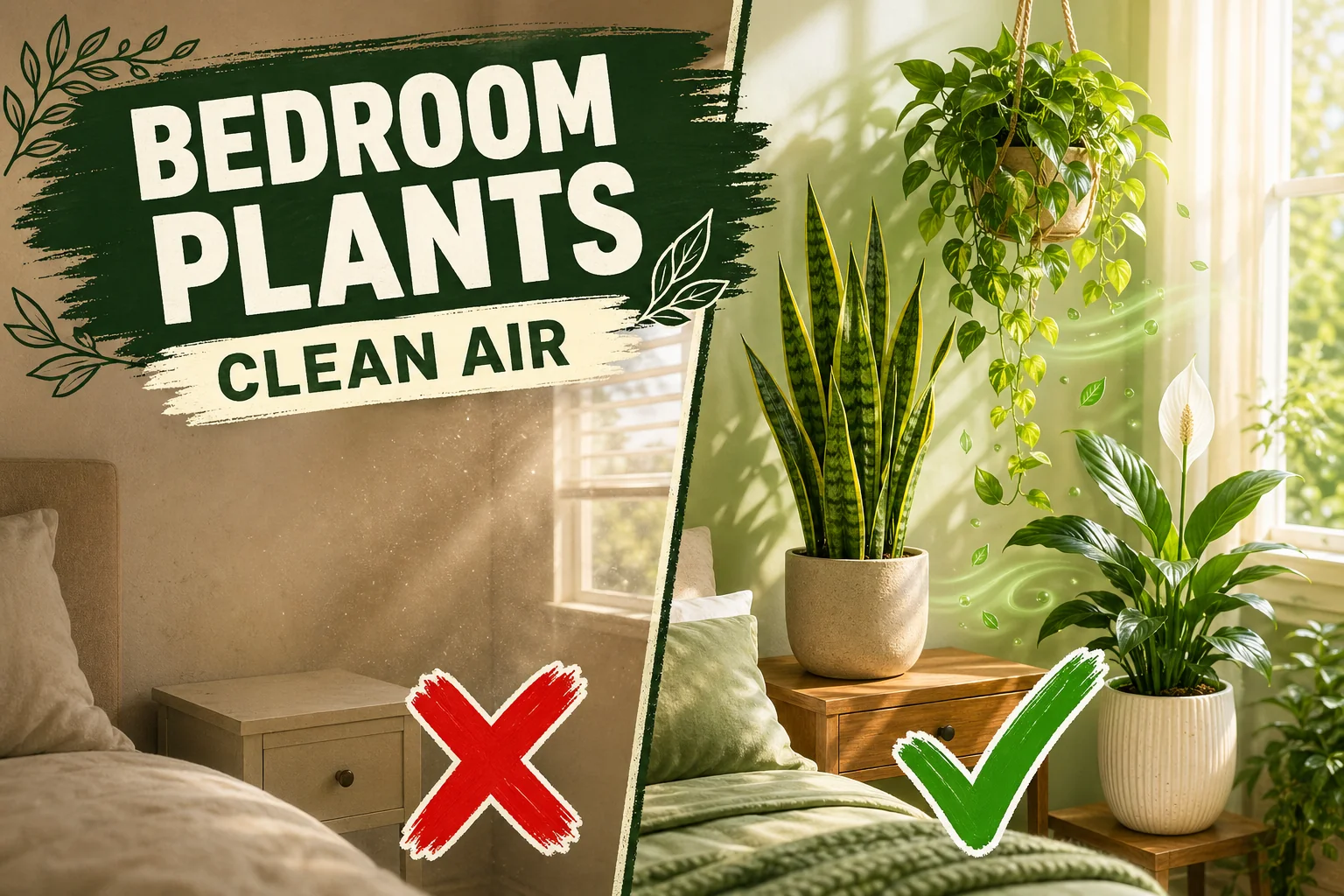
The best air purifying plants for a bedroom are snake plant, peace lily, spider plant, golden pothos, areca palm, Boston fern, English ivy, dracaena, aloe vera, and ZZ plant. For nighttime oxygen release, choose CAM plants: snake plant, aloe vera, or ZZ plant. Plants offer real but modest air quality benefits — they are most effective alongside a HEPA air purifier, not instead of one.
What the NASA Clean Air Study actually says (and what it doesn’t)
The 1989 NASA Clean Air Study is the origin point for almost every “air purifying plants” article on the internet. It found that certain houseplants removed measurable quantities of benzene, formaldehyde, trichloroethylene, xylene, and ammonia from sealed test chambers over 24 hours.
That sounds compelling. Here’s the honest context:
- The tests used sealed laboratory chambers roughly the size of a small closet (about 0.7 m³ / 25 cu ft).
- NASA loaded each chamber with plant-to-air-volume ratios that would mean hundreds of plants in a real bedroom.
- The plants did remove VOCs — but at a rate that open windows, ventilation gaps, or a single air purifier running for 20 minutes would far surpass.
A 2019 meta-analysis published in the Journal of Exposure Science & Environmental Epidemiology reviewed dozens of studies and calculated that to equal one natural air change per hour in a typical room, you would need between 10 and 1,000 plants per square metre.
None of that means bedroom plants are a bad idea. It means your expectations should be calibrated.
What plants genuinely do in a bedroom:
- Marginally reduce CO2 in a sealed, occupied room overnight (CAM plants)
- Absorb small amounts of VOCs continuously over time
- Raise humidity slightly (most plants transpire water vapour), which benefits dry winter air
- Reduce perceived stress — this effect is well-documented
- Add visual calm that supports sleep environment quality
What air purifiers do better:
- Remove particulate matter: dust mites, pollen, mould spores, pet dander
- High-CADR machines provide tens of air changes per hour
- HEPA + activated carbon covers particles and VOCs simultaneously
Plants and air purifiers are not competing choices. Use both.
What is CAM photosynthesis and why does it matter for bedrooms?
Most plants photosynthesize during the day. They open their stomata (pores) in sunlight to take in CO2 and release O2. At night, those stomata close and the plant respires — taking in a small amount of O2 and releasing CO2.
CAM plants (Crassulacean acid metabolism) do the opposite. They evolved in hot, dry climates where opening stomata during the day would lose too much water to evaporation. So they open at night: absorbing CO2 and releasing O2 in darkness.
In a closed bedroom where CO2 builds up gradually through the night, a CAM plant is the only one actively adding oxygen while you sleep.
The three most practical CAM plants for a bedroom: snake plant, aloe vera, ZZ plant.
The 10 best air purifying plants for a bedroom
1. Snake plant (Dracaena trifasciata)
The number-one bedroom plant on almost every list — and for good reason.
| Feature | Detail |
|---|---|
| Photosynthesis type | CAM — releases O2 at night |
| Light requirement | Low to bright indirect — tolerates north-facing rooms |
| Watering | Every 2 to 6 weeks — only when soil is bone dry |
| Maintenance | Extremely low |
| Toxicity | Mildly toxic to cats and dogs |
| Typical height | 45–90 cm (18–36 in) for medium varieties |
The snake plant was one of the top performers in the NASA study for removing benzene and formaldehyde. Its upright silhouette fits any bedroom style, and its near-indestructibility makes it ideal for low-attention care. See our full snake plant care guide for watering schedules and soil recommendations.
2. Peace lily (Spathiphyllum wallisii)
The peace lily is one of the few flowering houseplants that thrives in low light, making it a natural for bedrooms. NASA ranked it highly for removing ammonia, benzene, formaldehyde, and trichloroethylene.
| Feature | Detail |
|---|---|
| Photosynthesis type | Standard (C3) — releases O2 during daylight |
| Light requirement | Low to medium indirect — no direct sun |
| Watering | When the top 2.5 cm (1 in) of soil is dry |
| Maintenance | Low |
| Toxicity | Toxic to cats, dogs, and children if ingested |
| Humidity | Appreciates moderate humidity; droops visibly when thirsty |
Keep it well away from pets and children. The droop-then-recover when thirsty is a useful built-in watering reminder — just don’t let it stay wilted for more than a day.
3. Spider plant (Chlorophytum comosum)
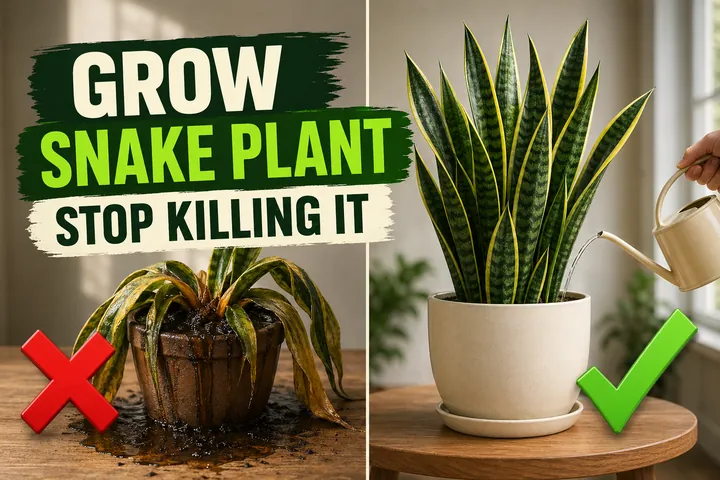
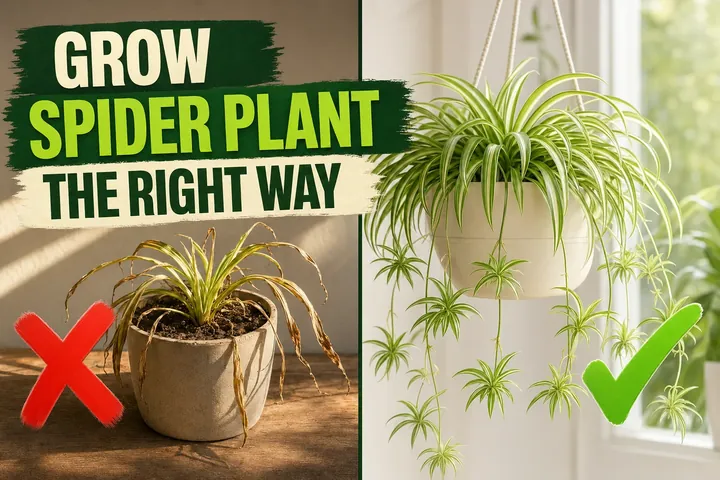
One of the safest bedroom plants available — fully non-toxic to cats and dogs. The spider plant was proven in NASA tests to remove formaldehyde and xylene. It grows fast, produces cascading “spiderettes” you can propagate for free, and thrives in the kind of bright-but-indirect light most bedrooms get near a window.
| Feature | Detail |
|---|---|
| Light requirement | Bright to medium indirect |
| Watering | Every 7 to 10 days — let the top 2–3 cm (1 in) dry out |
| Maintenance | Low |
| Toxicity | Non-toxic to pets and children |
For a bedroom nightstand or hanging planter near a window, the spider plant is hard to beat. Read our full spider plant care guide for propagation instructions.
4. Golden pothos (Epipremnum aureum)
Pothos is the most forgiving plant on this list. It grows in near-darkness, bounces back from missed waterings, and cascades beautifully from a high shelf or trailing from a bookcase.
| Feature | Detail |
|---|---|
| Light requirement | Low to bright indirect — genuinely survives near-darkness |
| Watering | Every 7 to 14 days — when the top half of soil is dry |
| Maintenance | Very low |
| Toxicity | Toxic to cats and dogs; skin irritant to humans |
The golden pothos removes formaldehyde and benzene. Its ability to grow in very low light makes it the go-to choice for bedrooms with a single north-facing window or no window at all (with a small grow light supplement).
5. Areca palm (Dypsis lutescens)
The areca palm is the best natural humidifier on this list. A mature areca palm transpires up to 1 litre (about 1 qt) of water vapour per day — measurably raising room humidity. In dry winter bedrooms with forced-air heating, that matters.
| Feature | Detail |
|---|---|
| Light requirement | Bright indirect — east or west window preferred |
| Watering | Every 7 to 10 days — keep slightly moist, never soggy |
| Mature height | 1.5–2.1 m (5–7 ft) indoors |
| Maintenance | Medium |
| Toxicity | Non-toxic to cats, dogs, and children |
NASA’s study found the areca palm effective for removing toluene and xylene. It needs more light than most on this list — a dim corner won’t sustain it.
6. Boston fern (Nephrolepis exaltata)
Boston ferns are the best VOC removers by leaf surface area among common houseplants. They were the top formaldehyde remover in early NASA testing and are also excellent at adding humidity.
| Feature | Detail |
|---|---|
| Light requirement | Medium indirect — no direct sun, no deep shade |
| Watering | Keep soil consistently moist; never let it fully dry |
| Humidity | Needs high humidity — benefits from a pebble tray or humidifier |
| Maintenance | Medium to high — the most demanding plant on this list |
| Toxicity | Non-toxic |
The honest caveat: Boston ferns are finicky. They drop leaves when air is too dry, too warm, or if they’re moved suddenly. In a bedroom with stable temperature (18–22°C / 65–72°F) and good indirect light, they’re spectacular. In a dry, centrally heated room, they struggle.
7. English ivy (Hedera helix)
NASA found English ivy particularly effective at removing airborne faecal particles and mould spores — relevant for bedrooms where mould can build up around damp corners. It’s also a strong benzene and formaldehyde absorber.
| Feature | Detail |
|---|---|
| Light requirement | Medium to bright indirect |
| Watering | Every 7 to 14 days; let the top 2.5 cm (1 in) dry |
| Maintenance | Low to medium |
| Toxicity | Toxic to cats, dogs, and children if eaten; skin irritant |
Keep English ivy in a hanging basket out of reach. It grows quickly and benefits from the occasional pruning to stay full rather than leggy.
8. Dracaena (Dracaena fragrans, D. marginata)
Dracaenas come in dozens of varieties — corn plant, marginata, Janet Craig, and more. NASA tested several and found strong results for removing trichloroethylene, benzene, and formaldehyde. Their striped architectural look suits modern and minimalist bedroom styles well.
| Feature | Detail |
|---|---|
| Light requirement | Low to medium indirect |
| Watering | Every 10 to 14 days; dry out fully between waterings |
| Mature height | 60 cm–1.8 m (2–6 ft) depending on variety |
| Maintenance | Low |
| Toxicity | Toxic to cats and dogs |
Dracaena is sensitive to fluoride in tap water — brown leaf tips often mean fluoride accumulation. Switch to filtered or rainwater if tips brown regularly.
9. Aloe vera (Aloe barbadensis miller)
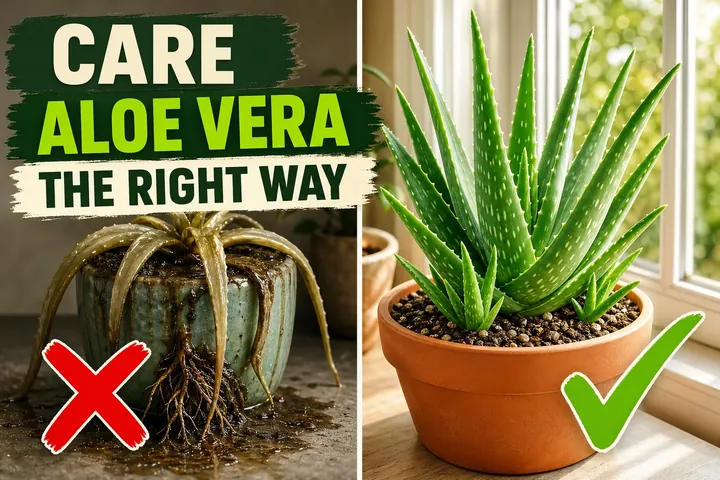
Aloe vera is a CAM plant, meaning it releases oxygen at night — making it a direct competitor to the snake plant for “best bedroom plant.” It’s also extremely drought-tolerant, thrives in a sunny windowsill, and has the added practical benefit of its gel for minor burns and skin irritation.
| Feature | Detail |
|---|---|
| Photosynthesis type | CAM — releases O2 at night |
| Light requirement | Bright indirect to direct sun — needs a window |
| Watering | Every 3 to 4 weeks — only when soil is bone dry |
| Maintenance | Very low |
| Toxicity | The gel is safe; the latex (yellow layer under the skin) is toxic to pets |
See our complete aloe vera care guide for watering frequency by season and how to harvest the gel safely.
10. ZZ plant (Zamioculcas zamiifolia)
The ZZ plant is the snake plant’s closest rival for indestructibility. It tolerates deep shade and weeks without water, stores moisture in underground rhizomes, and is a CAM plant — releasing oxygen at night. The glossy dark leaves reflect available light and look sharp in any bedroom style.
| Feature | Detail |
|---|---|
| Photosynthesis type | CAM — releases O2 at night |
| Light requirement | Low to medium indirect — one of the best true low-light performers |
| Watering | Every 2 to 4 weeks — only when soil is completely dry |
| Maintenance | Extremely low |
| Toxicity | Toxic to cats, dogs, and mildly irritating to human skin |
ZZ plants grow slowly — but in a low-light bedroom where faster plants would just struggle, slow and steady is exactly what you want.
At a glance: bedroom air plant comparison
| Plant | CAM (night O2) | Light | Pet-safe | Maintenance |
|---|---|---|---|---|
| Snake plant | Yes | Low–bright | No (mildly) | Very low |
| Peace lily | No | Low | No | Low |
| Spider plant | No | Medium–bright | Yes | Low |
| Golden pothos | No | Low–bright | No | Very low |
| Areca palm | No | Bright indirect | Yes | Medium |
| Boston fern | No | Medium | Yes | Medium–high |
| English ivy | No | Medium–bright | No | Low–medium |
| Dracaena | No | Low–medium | No | Low |
| Aloe vera | Yes | Bright (needs window) | Mostly | Very low |
| ZZ plant | Yes | Low–medium | No | Extremely low |
What to look for when choosing a bedroom plant
1. CAM photosynthesis for nighttime oxygen If your primary goal is oxygen production while you sleep, prioritise snake plant, aloe vera, or ZZ plant. They’re the only common houseplants that actively add O2 to a dark room.
2. Low-light tolerance Most bedrooms — especially those with curtains drawn at night or a single north window — are too dim for fast-growing plants. Snake plant, ZZ plant, pothos, and peace lily handle this best.
3. Pet and child safety Spider plant and areca palm are the cleanest options for households with cats, dogs, or young children. Everything else on this list has some level of toxicity concern.
4. Maintenance level A bedroom plant you forget to water should still be alive in a month. Snake plant, ZZ plant, and pothos are the most forgiving. Boston fern and areca palm need consistent attention.
5. Size and scale A single 30 cm (12 in) snake plant in a corner will not measurably purify a 14 m² (150 sq ft) bedroom. For real air quality benefit, use 2 to 4 medium-to-large plants together, or pair any plant with an air purifier.
How to get the most from bedroom plants
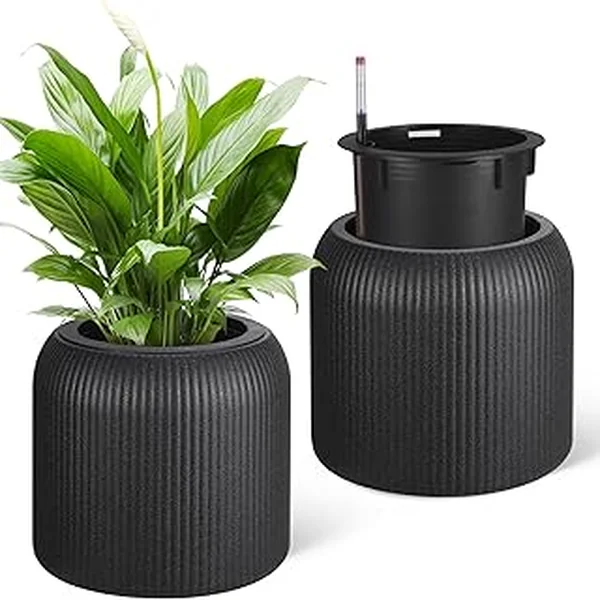
- Choose the right pot. All of these plants except the Boston fern need drainage holes. A sealed decorative pot traps water and causes root rot.
- Don’t overwater. Soggy soil grows mould and fungus gnats — a direct air quality negative. When in doubt, wait another 3 to 5 days.
- Wipe the leaves. Dusty leaves absorb less light and transpire less. Wipe each leaf monthly with a damp cloth.
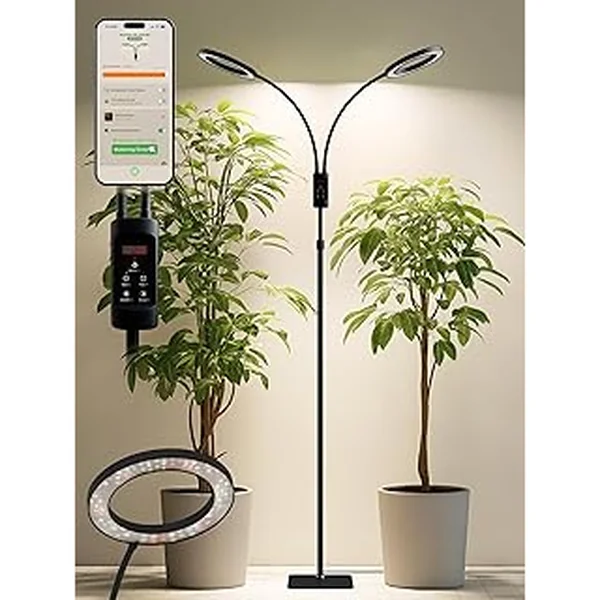
- Supplement light if needed. If your bedroom doesn’t have a window or relies on a north-facing window, a small full-spectrum grow light on a timer gives your plants the energy they need to keep metabolising.
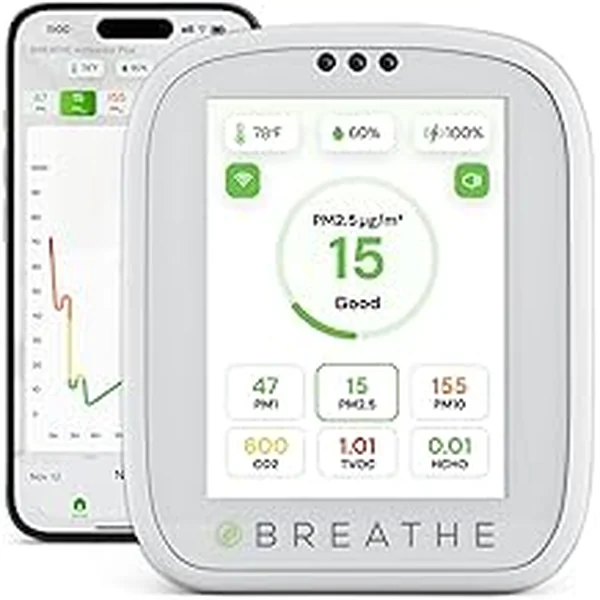
- Run an air purifier alongside. A HEPA air purifier with an activated carbon layer handles particulates and VOCs far faster than plants can. The plants handle the aesthetics, the humidity, and the slow background chemistry. The machine handles spikes.
Watch: bedroom plants and air quality
If you want a visual walkthrough of the CAM photosynthesis process and how to arrange plants in a bedroom, search YouTube for “best air purifying plants for bedroom sleep” — channels like Summer Rayne Oakes and Harli G have clear, research-referenced videos on this topic.
Internal links
- Full care instructions for the top bedroom pick: How to Take Care of a Snake Plant
- Nighttime oxygen plant with gel bonus: How to Care for an Aloe Vera Plant
- The safest bedroom option for pet owners: How to Take Care of a Spider Plant
Conclusion
The 10 plants in this guide all have real evidence behind them — some from the NASA study, some from independent research. They add oxygen, absorb small amounts of VOCs, raise humidity slightly, and make a bedroom feel calmer.
But real-world purification is modest. If you want measurable air quality improvement, pair plants with an air purifier. If you want plants for their beauty, their biology, and the quietly beneficial environment they build around you while you sleep — the snake plant, ZZ plant, and aloe vera are where to start.
Two or three low-maintenance CAM plants near your bed are the most honest, most effective starting point. Scale up from there as your confidence grows.
Use the Tazart app to track watering schedules for all of them — so the one that kills bedroom plants fastest (overwatering) never catches you off guard.
Highly recommended
The supplies that make this guide work
Tazart is an Amazon Associate — we earn from qualifying purchases at no extra cost to you. Thank you for helping us keep these guides free.
Frequently asked questions
Do air purifying plants actually clean bedroom air?
They do remove some VOCs and CO2 — but at real-world bedroom scale, the effect is modest. The original NASA study was done in sealed laboratory chambers with far higher plant-to-room ratios than any normal bedroom. A 2019 peer-reviewed meta-analysis found that to match a single air change per hour from natural ventilation, you would need between 10 and 1,000 plants per square metre. A few plants make your bedroom calmer and slightly more oxygen-rich, but a HEPA air purifier removes particulates (dust, pollen, mould spores) far more effectively. Plants and air filters are complementary — not equivalent.
Which plant releases oxygen at night?
Snake plants (Dracaena trifasciata), aloe vera, and ZZ plants use a water-conservation process called CAM photosynthesis (Crassulacean acid metabolism). They open their leaf pores (stomata) at night instead of during the day, which means they take in CO2 and release O2 at night rather than in daylight. Most other plants do the opposite — absorbing CO2 during the day and releasing a small amount at night. For a bedroom where you're sleeping in darkness, CAM plants are the best choice.
Is a snake plant good for the bedroom?
Yes — it's one of the best choices. Snake plants are CAM plants (they release O2 at night), they tolerate very low light, they need watering only every 2 to 6 weeks, and they don't need any humidity or extra care. A tall snake plant in the corner of a bedroom is nearly maintenance-free.
Are peace lilies safe for bedrooms?
Peace lilies are effective air plants and beautiful bedroom additions, but they are toxic if ingested — a serious concern if you have cats, dogs, or young children who access the room. Keep them out of reach or choose a non-toxic alternative like spider plant or areca palm.
What is the best low-light plant for a bedroom?
The ZZ plant (Zamioculcas zamiifolia) and golden pothos (Epipremnum aureum) are the two most forgiving low-light bedroom plants. Both survive genuinely dim conditions — a north-facing room or a corner away from any window — while still looking healthy. Snake plant is a close third.
How many plants do I need in my bedroom?
For aesthetic and marginal air quality benefit, 2 to 4 medium-sized plants in an average bedroom (around 14 m² / 150 sq ft) is a good starting point. For meaningful VOC reduction comparable to mechanical ventilation, the plant-to-room ratio required is impractically large — that's where a small air purifier fills the gap more efficiently.
Can bedroom plants cause problems?
Yes, in a few specific situations. Overwatered plants grow soggy soil that breeds fungus gnats and mould — a net negative for air quality. Some plants (peace lily, pothos, dracaena) are toxic to pets or children. Very large, densely planted rooms can raise humidity enough to feel stuffy. Stick to 2 to 4 well-cared-for plants and none of these issues arise.
Do bedroom plants help you sleep better?
Indirectly, yes. The research on plant-linked sleep improvement is preliminary, but the evidence points to reduced stress hormones in plant-filled rooms, improved perceived air quality, and reduced noise from plant leaf mass. CAM plants releasing a trace of oxygen at night may marginally lower CO2 in a sealed room over hours. The effect is real but small — a relaxing environment matters more than measuring gases.